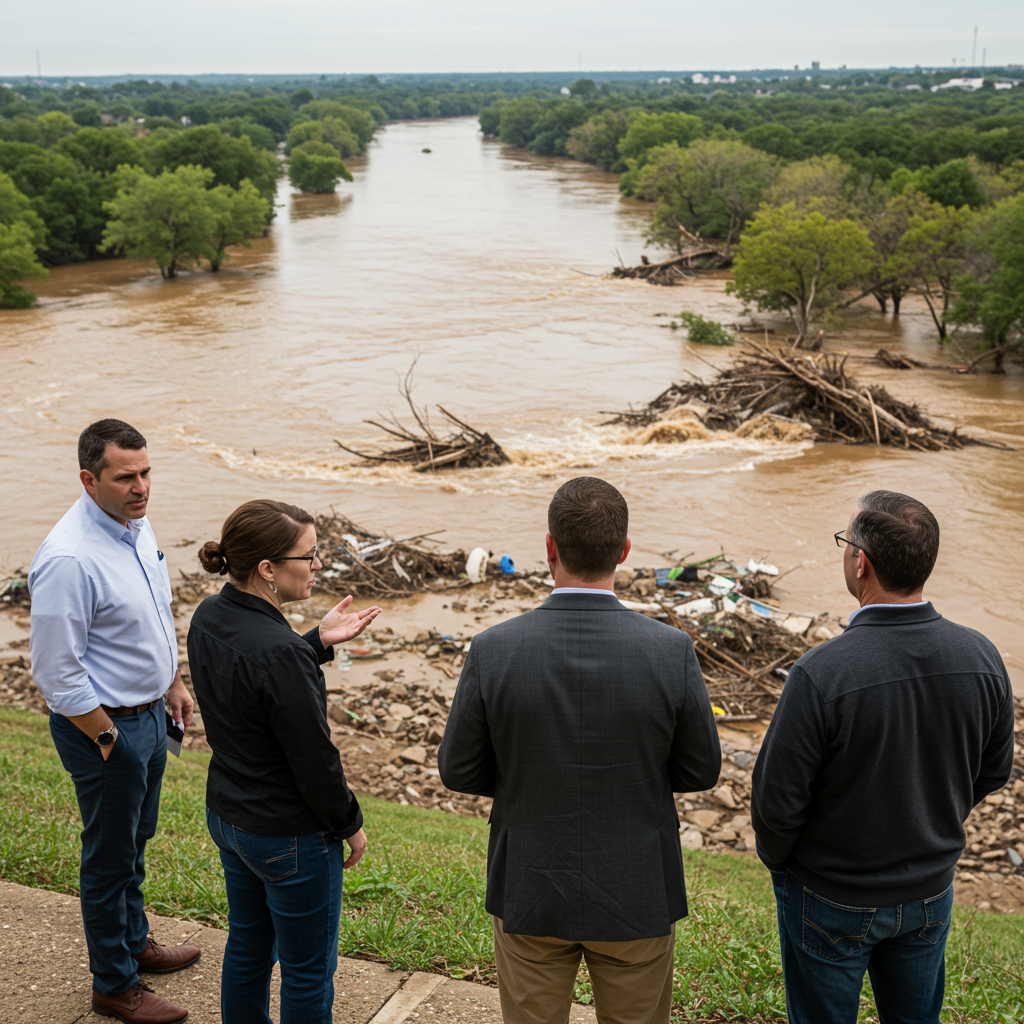
A devastating flash flood ripped through Central Texas around the Fourth of July weekend in 2025, tragically claiming the lives of at least 79 people. This disaster along the Guadalupe River served as a stark, deadly illustration of the nation’s increasing vulnerability to extreme weather events. Experts and officials are now grappling with the immense scale of the tragedy, the scrutiny over response efforts, and the alarming reality that such severe events are becoming more frequent due to climate change.
The catastrophic flooding also put a harsh spotlight on concurrent decisions within the federal government. Critics point to significant cuts to programs and staffing at agencies like the National Oceanic and Atmospheric Administration (NOAA) and the National Weather Service (NWS). These agencies are vital for predicting, monitoring, and helping communities prepare for and respond to natural disasters.
The Catastrophic Fourth of July Flood
The tragedy unfolded rapidly. In the early hours of Friday, July 4th, floodwaters surged with unprecedented speed and intensity. Along portions of the Guadalupe River, the water level rose a staggering 26 feet in less than an hour. This sudden, violent rise caught many off guard, including campers and residents in an area locally known as “flash flood alley.”
The death toll climbed quickly, reaching at least 79 across several counties, with the highest concentration in Kerr County. The victims included many children who were attending summer camps popular in the region during the Independence Day holiday. Search and rescue teams launched massive operations, battling difficult terrain filled with debris and struggling to locate the missing. Survivors recounted terrifying experiences of being swept away or trapped as the water rose. The scale of loss and the desperate search for those still unaccounted for underscored the sheer power and deadly potential of rapid-onset flooding.
Climate Change Fuels Extreme Rainfall
Scientists universally agree that human-caused climate change is intensifying extreme weather worldwide. A warmer atmosphere holds more moisture. This leads to heavier precipitation during storms, increasing the risk of flash floods. While flash floods from torrential rain have always occurred, the frequency and magnitude of these events are significantly increasing in a warming climate.
Experts noted that the Texas flood was characterized by the type of extremely intense, highly localized downpour that is becoming increasingly common. Daniel Swain, a climate scientist, described these storms as “one of the hardest things to predict that’s becoming worse faster than almost anything else in a warming climate.” This growing hazard presents a significant challenge for forecasters and emergency managers alike.
Weakening Defenses: Cuts to Weather and Climate Agencies
Against the backdrop of escalating climate risks, federal agencies responsible for forecasting and disaster preparedness have faced substantial cutbacks. The Trump administration’s proposed fiscal year 2026 budget included plans to significantly reduce funding and staffing at NOAA and the NWS. Critics argue these cuts critically weaken the nation’s ability to predict and respond to worsening climate disasters.
Specific impacts detailed in reports include:
Mass Staff Reductions: Over 600 scientists and meteorologists had already been laid off or taken buyouts from NOAA, with plans to cut thousands more (approximately 17% of the workforce).
Budget Decreases: A proposed cut of over $1.5 billion from NOAA’s budget.
Operational Shortages: Some NWS offices, including two in California covering extensive, hazard-prone areas, reported insufficient staff to operate overnight shifts. The local NWS office serving the Texas flood area was reportedly short several key positions, including hydrologists and warning coordination staff.
Elimination of Data and Research: NOAA’s database for tracking billion-dollar disasters was eliminated. The US Global Change Research Program’s website, a repository for congressionally mandated climate research, was shut down. Weather balloon operations, crucial for collecting atmospheric data, were halted at multiple locations due to staffing shortages.
- Proposed Research Cuts: Deeper cuts were proposed for NOAA’s Oceanic and Atmospheric Research division (up to 74% reduction or elimination) and funding for specialized, high-resolution thunderstorm prediction models.
- www.latimes.com
- www.latimes.com
- www.arabnews.pk
- www.latimes.com
- insideclimatenews.org
This reduction in capacity comes precisely as the need for advanced forecasting, robust data, and effective coordination is increasing. Swain highlighted the dangerous combination, calling it a “recipe for disaster.”
Climate Risk: A Growing National Security Threat
The implications of increasing climate hazards and reduced preparedness extend beyond immediate disaster response. A recent report from the German government underscored that climate change is a significant and growing global security threat. It can lead to international destabilization, conflicts over vital resources like water and food, increased migration, and even risks from unregulated geoengineering projects. Germany’s foreign minister called the climate crisis the “greatest security threat of our day.”
While allies like Germany are integrating climate analysis into national security strategies, some critics argue the US has stepped back from recognizing this connection. Weakening agencies responsible for understanding and predicting climate impacts creates a potential “blind spot” in national security policy. Furthermore, domestic political polarization around climate and energy policies can complicate preparedness and response efforts.
Scrutiny Over Warnings and Local Response
Following the Texas flood, questions arose about the adequacy of warnings and the local response. NWS officials stated they issued multiple warnings well in advance of the flood, escalating to a rare “flash flood emergency” indicating imminent danger hours before the peak surge. However, some local officials claimed the speed and intensity of the event were unexpected.
The discussion highlighted challenges in communicating risk. Public desensitization to frequent warnings can occur. There was also debate over the lack of a dedicated local flood siren system, which officials said was considered but deemed too expensive years prior. While the NWS maintained they had extra staff on duty, reports of specific staffing shortages at the local level raised concerns about coordination capabilities. Jonathan Porter, chief meteorologist at AccuWeather, acknowledged the NWS warnings but suggested a potential “breakdown” in how local officials and the public acted on that information. Calls for an investigation into the role of staffing shortages in the tragedy have been made.
Looking Ahead: Escalating Risks and the Need for Investment
Experts are clear that the Texas flood is not an isolated incident but a warning sign. Climate hazards like increasingly intense rainfall and flash flooding will continue and likely worsen in the coming years. The proposed and implemented cuts to agencies like NOAA and NWS exacerbate the risks associated with these worsening conditions. Cutting funding for crucial research into predicting extreme storms means the US loses its lead in an area it pioneered, potentially leaving it without access to vital advancements needed to protect its citizens.
This period is critical for global climate action and building resilience. Insufficient progress in both mitigating climate change and adapting to its impacts could lead to increasingly severe and potentially irreversible consequences. The Texas tragedy serves as a stark reminder of the human cost when the growing power of nature intersects with potentially weakened systems designed to provide warning and aid. Investing in these capabilities is not merely about weather forecasting; it’s about safeguarding lives and national security in a rapidly changing climate.
Frequently Asked Questions
How is this Texas flood linked to climate change?
The deadly Texas flood involved an extremely intense, highly localized downpour. Climate scientists explain that a warmer atmosphere, a result of human-caused climate change, holds more moisture. This increased moisture fuels more powerful rainstorms, leading to more frequent and intense flash flooding events like the one seen on the Guadalupe River. While floods have always occurred, their increasing severity is directly tied to the changing climate.
Why are cuts to agencies like NOAA and the NWS relevant to future disasters?
Agencies such as NOAA and the National Weather Service are responsible for forecasting, issuing warnings, and conducting research critical for understanding and preparing for extreme weather. Cuts to their funding, staffing, data collection programs (like weather balloons), and research initiatives weaken their ability to accurately predict severe events, deliver timely warnings, and coordinate effectively with emergency responders. At a time when climate change is making extreme weather more common, reducing the capacity of these agencies increases the risk of future tragedies.
What can communities learn about preparing for extreme flash floods?
The Texas flood highlighted several areas for community preparedness. Key lessons include the importance of robust, multi-channel warning systems that are difficult for the public to ignore or become desensitized to. Officials and camp operators faced scrutiny over preparedness and warning timelines, suggesting the need for clear communication plans. Communities should also evaluate the cost-effectiveness of local warning systems and ensure emergency response coordination is well-practiced, especially in high-risk areas like “flash flood alley” during peak population times. Individual preparedness plans based on timely warnings are also crucial.