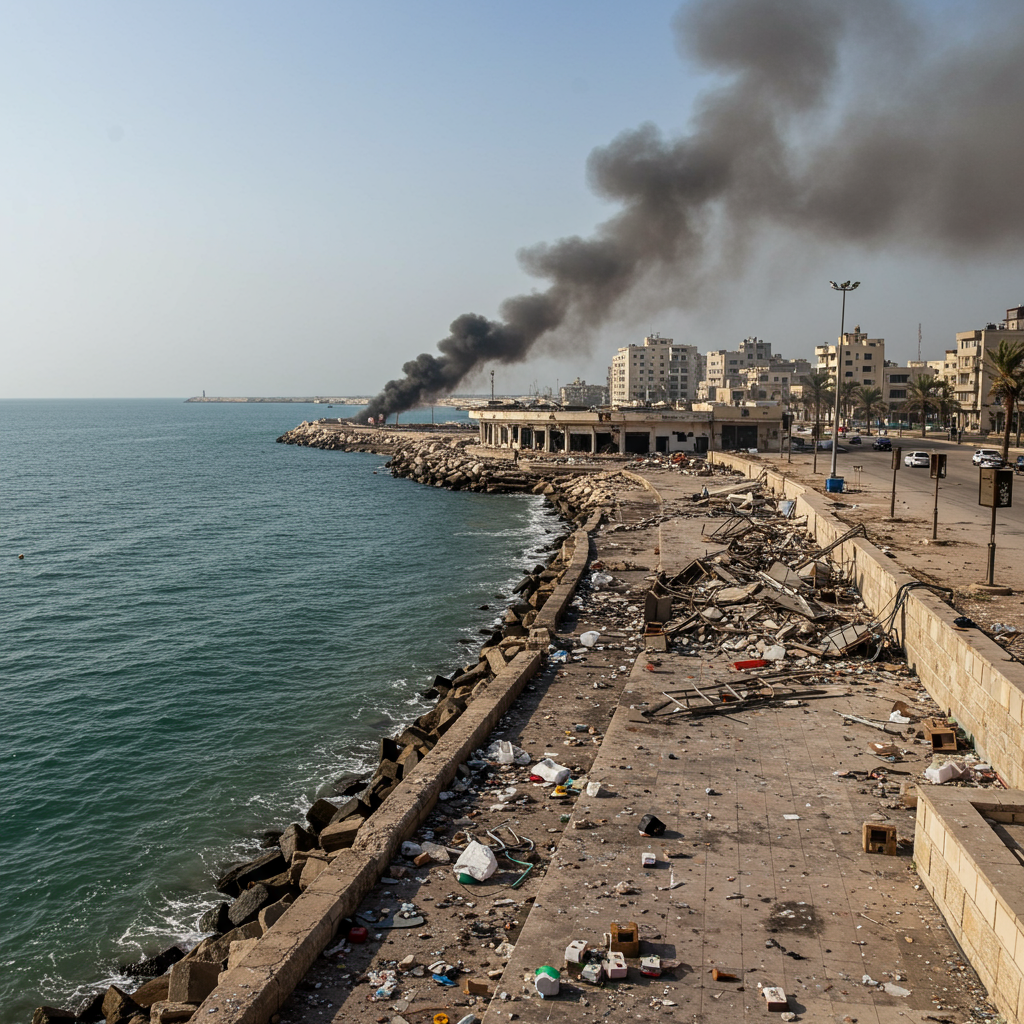
A powerful voice has emerged from the shadow of Gaza, offering a startling perspective on securing freedom for those still held captive. Keith siegel, an American-Israeli who recently survived over 480 brutal days as a hostage of hamas, has issued a direct appeal. His conviction is clear: former U.S. President Donald trump possesses the unique leverage necessary to facilitate the release of remaining captives and potentially help de-escalate the ongoing conflict. Siegel’s emotional remarks come amid complex, multi-layered negotiations and underscore the intense hope placed on figures capable of exerting significant influence.
Siegel, a 66-year-old grandfather, was violently seized from his home in Kibbutz Kfar Aza during the devastating Hamas-led assault on Israel on October 7, 2023. His agonizing nearly 16-month ordeal concluded in February 2024 as part of a temporary ceasefire agreement. This specific deal was reportedly brokered with assistance from Trump, just ahead of his potential return to political office. Siegel’s wife, Aviva, had previously endured her own terrifying 51-day period of captivity before being released in an earlier exchange. Speaking in Tel Aviv before a planned meeting between Israeli Prime Minister Benjamin Netanyahu and President Trump, Siegel personally thanked Trump for his involvement in his own release. He expressed a fervent hope that this perceived leverage could now be applied to bring home the estimated 50 individuals still held captive, believing up to 20 of them may still be alive. The urgency in his voice reflects the dwindling hope for those who remain.
A Former Captive’s Belief in Unique Influence
“He has a lot of strength, power, and ability to put pressure on those that need to be pressured,” Siegel stated emphatically, referring to Trump’s potential impact on both Israeli and Hamas negotiators. His belief stems from witnessing tangible results linked to previous diplomatic efforts involving the former president. This perspective resonates deeply with other families advocating tirelessly for their loved ones’ freedom. Adi Alexander, father of Edan Alexander – an Israeli-American soldier believed to be the last remaining living American hostage – has similarly placed significant hope in the U.S. government and, specifically, President Trump. Alexander suggests that Trump’s focus appears more directly aligned with freeing the captives than that of the current Israeli government. Many hostage families publicly credit Trump with helping initiate the crucial first ceasefire that led to initial releases, seeing him as a decisive force.
Trump himself has publicly voiced hope for a new ceasefire and hostage release deal, although he acknowledges significant disagreements persist between Israel and Hamas. Reports detail instances where Trump reportedly applied pressure, including a purported demand made before potentially taking office and a widely reported ultimatum in February 2025. That ultimatum suggested “all hell break loose” if hostages weren’t released by a specific deadline. Israeli Prime Minister Netanyahu also seemingly credited Trump’s “assertive stance” and the concentration of Israeli forces with overcoming previous resistance from Hamas in a specific February 2025 release of three hostages. These moments underscore a powerful perception: that external, high-level pressure, particularly originating from Washington, can yield results in this exceptionally difficult situation.
The Harsh Reality of Captivity
The accounts of those held in Gaza paint an undeniably grim picture. Keith Siegel himself described enduring beatings and taunts from his captors. He recounted the horrifying experience of witnessing the torture of a female captive, an image that continues to haunt him. During his lengthy captivity, Siegel was moved repeatedly, traversing the streets of Gaza sometimes even in daylight, taken to 33 different locations in an apparent effort to evade detection. This constant movement was part of the psychological torment.
Adding to this harrowing testimony, another former hostage, Tal Shoham, who endured 505 days in captivity, has shared vivid details of life within Hamas tunnels. Held for eight and a half months in a confined space merely forty feet long and less than three feet wide, Shoham and two other young men, still held captive today, faced brutal conditions. They slept on perpetually soaked mattresses, survived on a single pita bread daily, and were under constant surveillance. A bomb was rigged above their heads, a chilling threat should rescue attempts occur. Shoham recounts enduring threats, degradation, and torture, including guards burning paper to consume oxygen and choke them. Treated as objects rather than human beings, they developed daily routines and rituals to cling to their sanity and identity. Strangers initially, they forged deep bonds, becoming like brothers supporting each other in an environment designed to break their spirits. Shoham, kidnapped from Kibbutz Be’eri, made the agonizing decision to tell his young son the truth of their peril before being separated, a moment that exemplifies the profound human tragedy.
Families’ Desperate Fight for Loved Ones
The pain of the hostages’ plight extends acutely to their families. Idit Ohel, the mother of Israeli hostage Alon Ohel, has issued an urgent, heart-wrenching plea. Speaking to Fox News Digital, she begged former President Donald Trump and Israeli Prime Minister Benjamin Netanyahu to prioritize securing her son’s release before the current ceasefire collapses and war resumes. “Please don’t go back to war,” she implored, adding the terrifying reality, “Because if that happens… the hostages could die.” Ohel fears a repeat of the experience after the initial hostage releases, when she believes many remaining hostages died or were murdered by Hamas as fighting restarted.
Idit Ohel received confirmation that her son, Alon, is still alive from recently released captives Eli Sharabi and Or Levy, who were held with him. These survivors described Alon’s dire state: he was injured by shrapnel during the Oct. 7 attack, is currently unable to see out of one eye, and is being held in tunnels with very little food and no medical attention. His mother stated he is being “tortured, chained and starved,” directly contradicting the idea that humanitarian aid entering Gaza is reaching the hostages. She also noted the International Committee of the Red Cross has not seen Alon or any of the hostages and has not provided treatment. Alon Ohel, a civilian pianist kidnapped from the Nova music festival, sought refuge in a bomb shelter before being taken, wounded and bleeding. His mother highlights his innocence and draws a chilling parallel to her family’s history; Alon’s great-grandfather nearly starved in Auschwitz during the Holocaust.
The emotional toll continues to mount for families. Gladys Siegel, the 97-year-old mother of Keith Siegel, tragically passed away while her son was still held captive. Her daughter, Elan Siegel, shared the profound sorrow that Keith could not say goodbye to his mother due to his prolonged captivity. The family of Omer Neutra, a 22-year-old American-Israeli soldier, recently buried him after his death was confirmed. Other American victims of the Oct 7 attack whose fates remain unresolved include Itay Chen, a soldier confirmed killed but whose body is still held by Hamas, and the elderly couple Gadi and Judi Weinstein Haggai, whose bodies also remain in Gaza despite their deaths being confirmed. These personal tragedies underscore the desperate calls for action to return the living and the remains of the deceased.
Navigating the Complexities of Release Negotiations
The path to freeing the remaining hostages is fraught with immense challenges. Indirect talks, often mediated by countries like Qatar, aim to bridge the significant divide between Israel and Hamas. A proposed framework has included a phased exchange: a number of living and deceased hostages for a larger number of Palestinian prisoners held in Israeli jails. While Hamas has offered what it terms a “positive response” to the framework, key disagreements persist. A major sticking point, according to reports, is Hamas’s demand for a U.S. guarantee that hostilities would not resume even if negotiations for a permanent end to the war ultimately fail – a condition Israel has previously rejected. The fragility of potential deals is highlighted by reports of Hamas threatening to delay releases, accusing Israel of violations.
Adding another layer of complexity, reports have surfaced of the U.S. engaging in direct discussions with Hamas specifically regarding the hostages. This development, reportedly led by individuals involved in the Trump administration’s efforts, marks a significant shift, being the first known direct contact between Hamas and the U.S. since Hamas was designated a foreign terrorist organization decades ago. While such direct channels offer a potential avenue, they also highlight the lack of progress in broader negotiations. Some analysts suggest that renewed fighting, while devastating, could potentially “shake the tree” and create unexpected opportunities to return to the bargaining table, believing that negotiation is the only viable path to securing the hostages’ release. However, families like Idit Ohel’s fear this outcome could be fatal for those still held.
Weighing Difficult Choices for the Future
The deeply personal issue of the hostages’ fate is inextricably linked to broader questions about the future governance of Gaza and the possibility of lasting peace. When asked if he would support a deal that secured the hostages’ release but allowed Hamas to retain control in Gaza, Keith Siegel prioritized the immediate return of the captives, calling it the “highest priority and urgency.” However, he quickly added a crucial caveat: “We cannot let Hamas continue to threaten people and to kill and murder people,” holding the group responsible for fatalities on both sides of the conflict. His statement reflects a common view that Hamas’s control is incompatible with long-term security.
This complex view reflects the immense human cost of the conflict, which began with the October 7 attacks that killed approximately 1,200 people in Israel and resulted in 251 hostages taken. Military operations launched by Israel in response have resulted in devastating consequences for the Gazan population, with the Hamas-run health ministry reporting tens of thousands of deaths. Keith Siegel, while campaigning relentlessly for the release of his fellow captives, also expressed profound empathy for the suffering endured by Gazan civilians. He articulated a belief that peace, security, and freedom are fundamental human rights universally deserved, stating that the responsibility lies with all leaders to ensure these rights. He dreams of a future where no innocent person is harmed or killed. The calls from former hostages like Tal Shoham to prioritize the return of living captives above expanding military operations add another layer to the difficult calculus facing decision-makers. Some reports even indicate a sentiment among some Gazans of disillusionment with Hamas and openness to relocation, looking towards Western powers for aid and future rebuilding, a perspective that adds yet another dimension to the multifaceted challenges in the territory.
Frequently Asked Questions
What did Keith Siegel specifically ask Donald Trump to do?
Keith Siegel, an American-Israeli recently released from Hamas captivity, made a direct plea to former U.S. President Donald Trump. He stated his strong belief that Trump possesses unique strength and ability to pressure negotiators on both the Israeli and Hamas sides. Siegel asked Trump to “Use your abilities to allow more progress in the hostage exchange deals,” based on his conviction that Trump’s involvement helped secure his own release and could be key to freeing the estimated 50 remaining hostages.
What harrowing conditions did freed hostages describe in Gaza?
Released hostages like Keith Siegel and Tal Shoham have recounted brutal conditions. Siegel described being beaten, taunted, witnessing torture, and being moved to 33 different locations. Shoham detailed confinement in narrow tunnels for months, sleeping on soaked mattresses, surviving on minimal food (one pita daily), constant surveillance, death threats (including rigged bombs), degradation, and physical torture like choking. Captives endured psychological torment and lack of medical care.
Why do some hostage families believe Donald Trump holds unique influence?
Some hostage families, including Keith Siegel and Adi Alexander (father of Edan Alexander), believe Donald Trump has unique leverage due to perceived past successes and a specific focus on hostage release. Siegel credited Trump with aiding his own release deal. Families saw Trump as instrumental in initiating the initial ceasefire that led to earlier releases. Israeli PM Netanyahu also credited a February 2025 release partly to Trump’s “assertive stance,” reinforcing the perception that Trump’s direct pressure yields results.
Conclusion
The powerful, often harrowing, testimonies of freed hostages like Keith Siegel and Tal Shoham provide a visceral window into the brutal reality endured by those held captive in Gaza. Their voices amplify the urgent global calls for the safe return of the remaining individuals. Keith Siegel’s specific and direct appeal highlights a notable perception among some affected families and observers: that figures possessing significant international leverage, such as former President Donald Trump, may hold a crucial key to unlocking further progress in negotiations. While diplomatic pathways remain fraught with substantial hurdles and the political landscape is complex, the deeply personal stories and desperate pleas from former captives and grieving families serve as a compelling, undeniable reminder of the human lives at stake and the profound imperative for leaders on all sides to prioritize their safe return. Addressing this crisis requires unwavering focus and potentially unconventional diplomatic approaches.