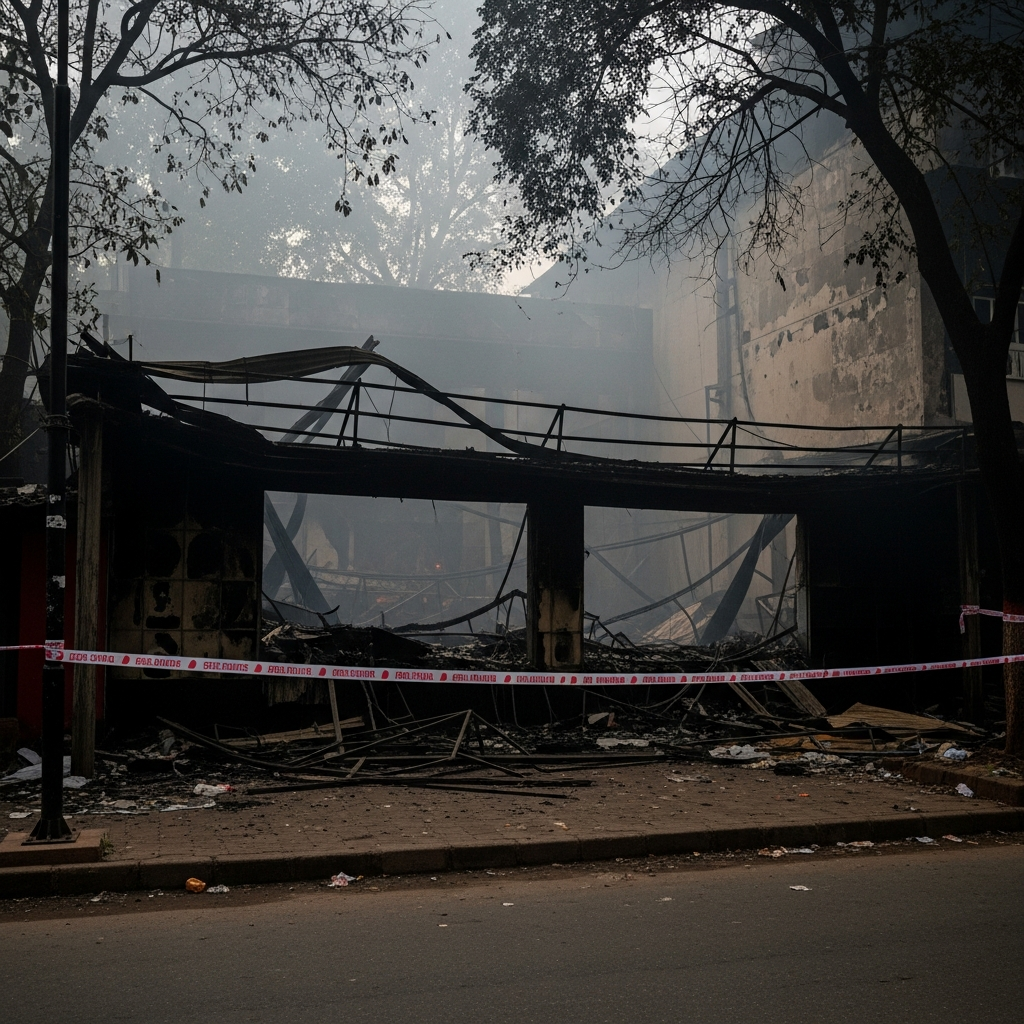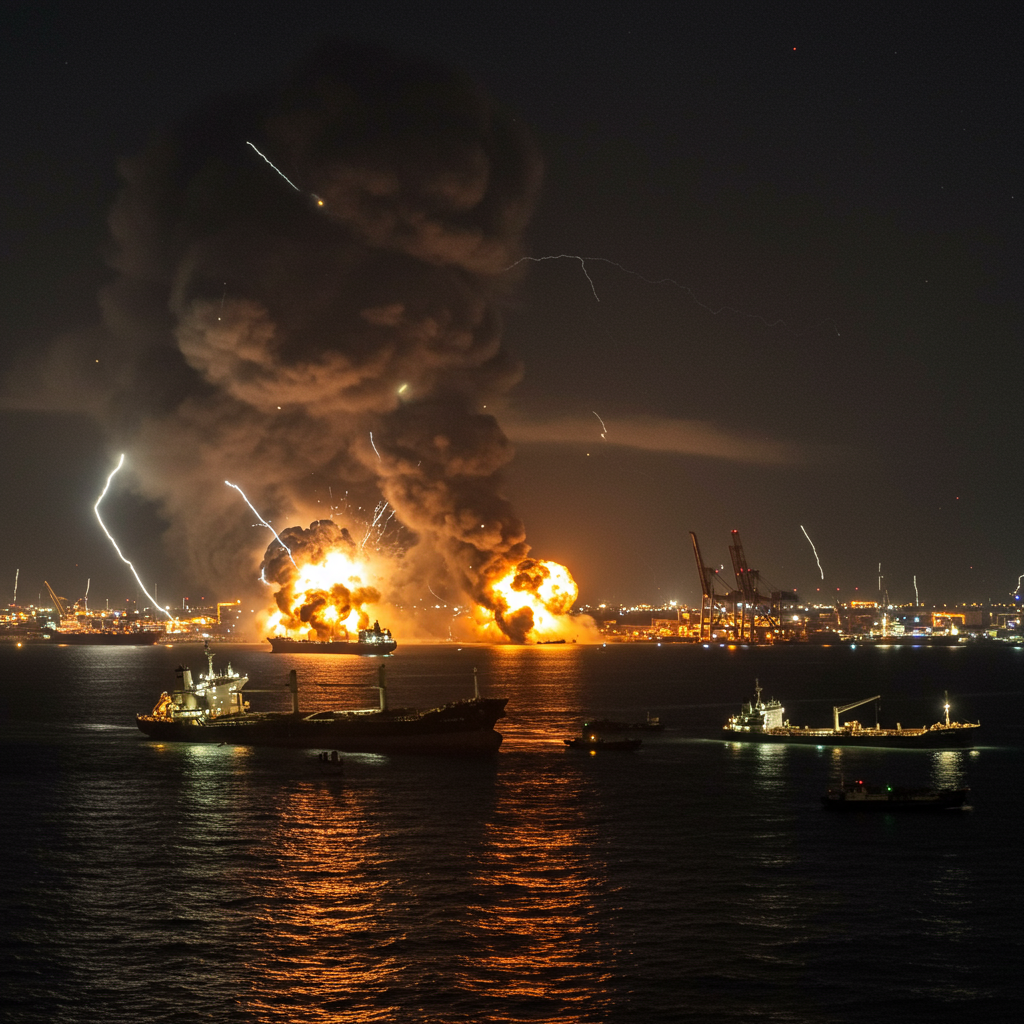
Israeli forces have launched strikes against houthi targets across Yemen, marking their first such action since a recent ceasefire agreement involving israel and Iran took effect. These operations, conducted around midnight local time from Sunday into Monday, targeted key infrastructure including vital Red Sea ports and a power generation facility. The move escalates regional tensions already strained by ongoing conflicts and maritime security threats in the vital Red Sea shipping lanes.
The decision to initiate these strikes follows a series of Houthi ballistic missile launches aimed at Israel. At least three such missiles were reportedly fired after the ceasefire had commenced, according to statements from the Israel Defense Forces (IDF). One incoming Houthi missile was successfully intercepted by Israeli defenses on Saturday, underscoring the persistent threat despite diplomatic efforts towards de-escalation. Israel asserts these strikes are a direct response to the continued Houthi aggression.
Strategic Targets Hit in Yemen
The Israeli military specifically targeted several locations critical to Houthi operations and control along Yemen’s Red Sea coastline. Among the sites struck were the major ports of Hodeida, Ras Isa, and Salif. These facilities are not only crucial for maritime trade but have also been implicated in the Houthis’ military activities and control over access to the sea. Additionally, the Ras Kanatib power plant was hit, likely impacting energy infrastructure supporting Houthi strongholds.
Israeli forces also focused on a specific maritime target: the cargo ship Galaxy Leader. This vessel was seized by Houthi forces in November 2023 in a high-profile incident that drew international condemnation. The IDF claims the Houthis had installed a radar system onboard the Galaxy Leader, asserting it was being actively used to track international vessels operating in the maritime arena. This tracking capability, according to the IDF, facilitated further “terrorist activities” in the region, justifying the strike on the immobilized ship.
Warning Issued Before Strikes
Prior to launching the wave of strikes, the Israel Defense Forces took a step aimed at minimizing civilian casualties. The IDF’s Arabic-language spokesman, Avichay Adraee, issued an evacuation warning for individuals in the vicinity of the targeted ports and the power station. This preemptive notification suggests a deliberate effort by Israel to avoid harming non-combatants, although the effectiveness and reach of such warnings in Houthi-controlled areas can be uncertain.
The timing of the strikes is also noteworthy. The action occurred shortly before Israeli Prime Minister Benjamin Netanyahu was scheduled to travel to Washington for a meeting with US President Donald Trump. This timing potentially adds another layer of complexity to diplomatic discussions, placing the regional security situation and the actions of Iran-backed groups like the Houthis high on the agenda for talks between the two leaders.
“Operation Black Flag” Declared
Israel’s Defense Minister, Israel Katz, publicly confirmed the strikes and revealed they were part of a newly designated military operation. Katz named the action “Operation Black Flag.” In a statement released on social media following the attacks, the Defense Minister issued a stern warning to the Houthi movement.
Katz stated unequivocally that the Houthis would “continue to pay a heavy price for their actions.” He further promised that additional attacks from Israel would follow if the Houthis did not cease their launches of drones and ballistic missiles targeting Israeli territory. This declaration signals a potentially prolonged and punitive response from Israel to ongoing Houthi provocations, indicating that these initial strikes may not be the last.
Houthi Response and Allegations
The Houthi military leadership confirmed that strikes had occurred within Yemen. However, their statement differed significantly from the Israeli account. The Houthis claimed that Yemeni air defenses had “effectively confronted the Israeli aggression.” They asserted this was achieved through the use of a “massive barrage of locally manufactured surface-to-air missiles,” suggesting their forces had successfully defended against the Israeli assault.
Separately, a member of the Houthi political bureau, Mohammed Al Farah, offered a different perspective on the targets. According to Al-Masirah TV, which is run by the Houthis, Al Farah characterized the targeting of Yemeni ports, power stations, and other facilities as attacks on “civilian facilities.” He alleged that the strikes were merely “an attempt to harm civilians” and had “no connection to any military activity,” dismissing Israel’s stated justifications for the operation. As of initial reporting, there were no immediate reports of casualties resulting from the strikes.
Regional Context and Escalation Risks
These Israeli strikes on Houthi targets occur within a broader and increasingly volatile regional landscape. Since Israel’s war against Hamas began in Gaza in October 2023, Israel has faced attacks from various Iran-backed groups operating in solidarity with Palestinians. This includes missile and rocket fire from Hezbollah in Lebanon along Israel’s northern border and missile and drone launches from the Houthis in Yemen targeting southern Israel.
The Iran-backed Houthis have also become a significant threat to international maritime security. They have repeatedly targeted both commercial and military ships navigating the vital Red Sea shipping lanes. These attacks, which the Houthis frame as support for Palestinians and pressure on Israel and its allies, have disrupted global trade and prompted military responses from a US-led international coalition. In March, the United States conducted extensive strikes within Yemen specifically aimed at degrading the Houthis’ military capabilities, particularly their missile and drone infrastructure used for Red Sea attacks. Israel’s direct strikes now add another layer to the complex military actions being taken against the group.
The strikes by Israel represent a direct engagement with the Houthi threat emanating from Yemen, distinct from the ongoing conflict in Gaza or confrontations with Hezbollah. They underscore Israel’s determination to respond forcefully to attacks originating from any front, regardless of distance. The designation of “Operation Black Flag” and the explicit warning of future strikes signal a potential shift towards a more active Israeli posture against the Houthis if missile launches continue. This could further destabilize the already fragile security situation in the Arabian Peninsula and surrounding waters.
Frequently Asked Questions
What led Israel to strike Houthi sites in Yemen after the ceasefire?
Israel conducted strikes against Houthi targets in Yemen in response to recent Houthi ballistic missile launches aimed at Israel. According to the Israel Defense Forces (IDF), at least three Houthi missiles were fired towards Israel after the recent Israel-Iran ceasefire took effect. One of these missiles was intercepted on Saturday, prompting Israel to state the strikes were a necessary response to this continued aggression despite the ceasefire.
Where exactly did Israel’s “Operation Black Flag” target in Yemen?
Israel’s “Operation Black Flag” targeted several key locations controlled by the Houthis along Yemen’s Red Sea coast. These included the major ports of Hodeida, Ras Isa, and Salif, which are strategically important facilities. Israeli forces also struck the Ras Kanatib power plant and the cargo ship Galaxy Leader, which the IDF claims the Houthis were using for tracking international vessels.
What has been the reaction to Israel’s strikes in Yemen and what could happen next?
The Houthi military confirmed the strikes but claimed their air defenses effectively repelled the attack using surface-to-air missiles. Houthi political officials asserted the strikes targeted civilian facilities without military justification. Israeli Defense Minister Israel Katz warned of more attacks if Houthi missile launches continue. The strikes increase regional tensions and signal Israel’s intent to directly counter Houthi threats originating from Yemen, potentially leading to further military exchanges.
In conclusion, Israel’s first strikes on Houthi targets in Yemen since the ceasefire mark a significant development in the multi-front regional conflict. While the immediate impact and any potential casualties remain unclear, the operation named “Black Flag” and the explicit warnings issued by Israel’s defense minister signal a determined response to perceived Houthi provocations. The Houthis’ claims of effective defense and accusations of targeting civilian sites highlight the conflicting narratives surrounding the event. This action underscores the fragility of regional stability and the potential for escalation involving various actors across the Middle East.
Word Count Check: 957