measles, often recognized by its characteristic rash, isn’t just a childhood illness; it’s a highly contagious and potentially severe disease. While once considered eliminated in the United States, measles is making a concerning comeback, pushing case counts to levels not seen in decades. This national surge raises important questions about local risk, particularly for residents in New jersey. Understanding the current situation and ensuring your family is protected is crucial right now.
Measles on the Rise Across the U.S.
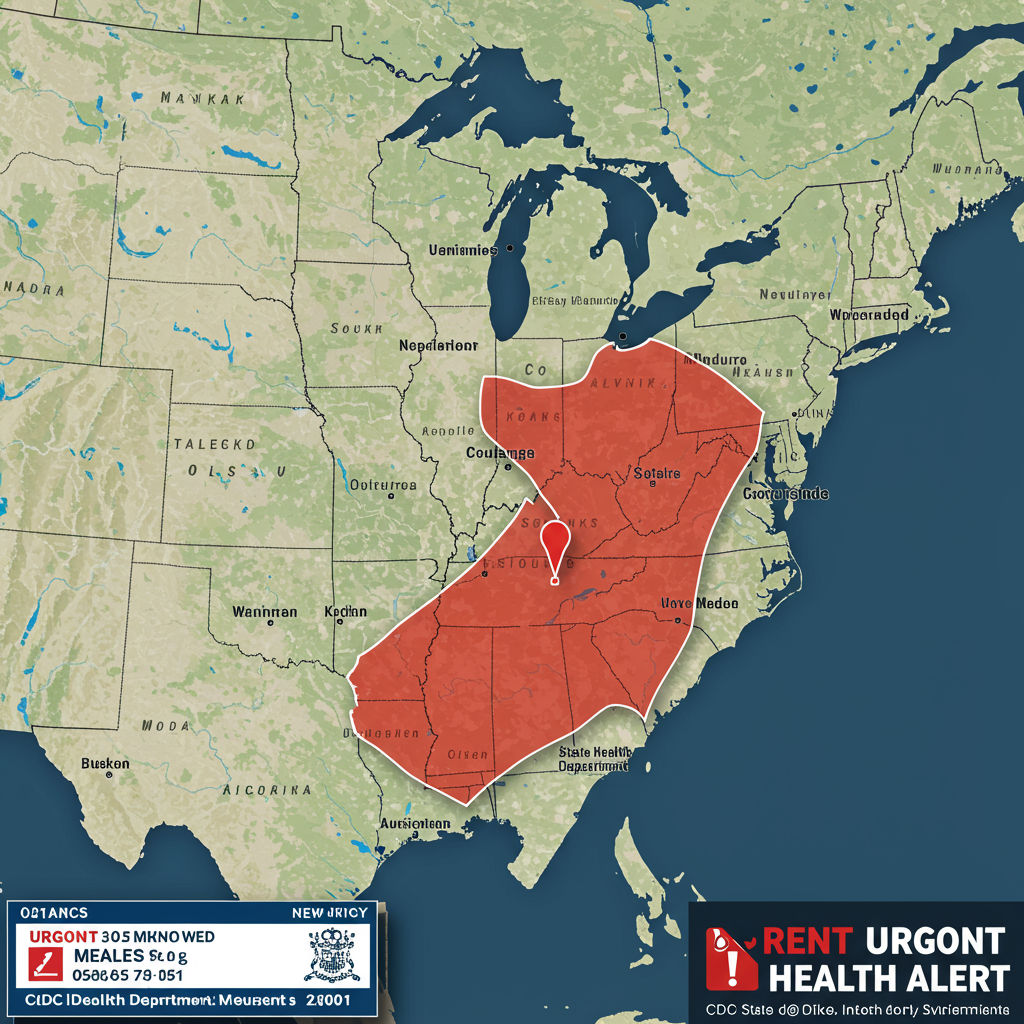
The United States is currently experiencing a significant increase in measles cases in 2025. This surge puts the country on track for potentially the highest annual number of cases since the disease was declared eliminated back in the year 2000. According to data reported earlier this year by the Centers for Disease Control and Prevention (CDC) and confirmed by subsequent reports, hundreds of cases have been confirmed across multiple states. By mid-April, over 800 cases were reported, a dramatic 180% increase compared to the entire previous year, marking the second-highest count in 25 years. Later reports indicate totals surpassed 900 by early May, and by July, confirmed cases had reached 1,267 across 38 states.
This sharp rise isn’t just about numbers; it’s impacting health. Among the reported cases this year, more than 150 people have required hospitalization. Tragically, there have also been three documented measles-related deaths, the first in the U.S. in over a decade. These fatalities occurred in Texas and New Mexico and involved unvaccinated individuals. This underscores that measles, while preventable, can still have deadly consequences.
Why is Measles Making a Comeback?
The primary reason for the resurgence of measles is directly linked to declining vaccination rates. For decades, widespread vaccination with the Measles, Mumps, and Rubella (MMR) vaccine successfully controlled the disease. However, recent trends show a concerning drop in MMR coverage.
A study published in June 2025 in the Journal of the American Medical Association (JAMA) highlighted this issue. It found that across over 2,000 counties in the U.S., a significant 78% reported a decline in MMR vaccination rates following the COVID-19 pandemic. Public health experts warn that if these vaccination levels continue to fall, measles is very likely to return to endemic levels, meaning it would be constantly circulating within the population rather than appearing only in sporadic outbreaks.
Measles is extremely contagious. It spreads easily when an infected person coughs or sneezes. The virus can even linger in the air for up to two hours after the person has left the room. This high transmissibility means that even a small number of unvaccinated individuals clustered together can become a hotspot for rapid spread.
Understanding Measles Symptoms and Risks
Knowing the signs of measles is vital for early detection and preventing further spread. Symptoms typically include:
A high fever
Cough
Runny nose
Watery, red eyes
A characteristic red rash that usually starts at the hairline
The rash typically appears three to five days after the initial symptoms begin. Importantly, individuals with measles can spread the virus to others from four days before the rash appears until four days after it fades.
While anyone who isn’t fully vaccinated or hasn’t previously had measles is at risk, some groups are particularly vulnerable. This includes infants younger than 12 months (who haven’t received their first MMR dose), young children, pregnant women, and people with weakened immune systems. Severe complications from measles can include pneumonia, encephalitis (brain swelling), and even death. About one in five unvaccinated people who get measles are hospitalized.
Measles Risk in New Jersey: What You Need to Know
Currently, New Jersey’s State Department of Health reports that there is no ongoing community spread of measles within the state. However, this does not mean there is no risk. Due to the significant increase in cases across the rest of the U.S., state health officials are actively urging residents to take precautions.
The New Jersey Department of Health recommends that all residents ensure they are up to date on their MMR vaccine, as well as other routine vaccinations. This is especially important if you plan to travel, particularly internationally, as measles remains common in many parts of the world. For residents traveling abroad with infants aged 6 to 11 months, health officials advise discussing the MMR vaccine with your pediatrician, as an early dose may be recommended for travel protection.
New Jersey has reported a few isolated cases among its residents this year. As of early 2025, the state confirmed three measles cases, all part of a single household outbreak in February. These cases involved individuals who were unvaccinated. This highlights how quickly the virus can spread within unvaccinated groups if it enters the state.
The Importance of Herd Immunity
Controlling measles requires high levels of vaccination within a community. Public health experts estimate that approximately 95% vaccination coverage is needed to achieve “herd immunity.” This occurs when a large enough portion of the population is immune, making the spread of the virus unlikely and indirectly protecting those who cannot be vaccinated (like very young infants or immunocompromised individuals).
Unfortunately, New Jersey, like many other areas in the U.S., has seen a decline in the vaccination rates needed for herd immunity. While the state’s vaccination rate among kindergartners for two or more MMR doses was 93% as of 2023, this is slightly above the national average of 92.7% but represents a drop from New Jersey’s own rate of 94.3% in the previous school year (2022-23). This decline means New Jersey no longer has the strong herd immunity needed to prevent outbreaks if the virus is introduced.
A significant factor contributing to this decline in New Jersey is the increasing number of religious exemptions from mandatory school immunization requirements. State reports show a dramatic increase in children skipping vaccines due to religious exemptions, more than doubling over the last ten years. In the 2014-15 school year, just over 9,100 students in certain grades had religious exemptions. By the 2024-25 school year, this number had jumped to nearly 25,000.
Identifying Higher-Risk Areas in New Jersey
Declining vaccination rates are not uniform across the state. Some counties in New Jersey have a higher percentage of children who are not fully vaccinated, often due to religious exemptions. These areas are considered to be at greater risk for measles outbreaks if the virus is introduced because they have lower community immunity.
Based on recent state immunization data, the New Jersey counties with the highest percentage of children who have received religious exemptions and, consequently, the lowest overall percentage of children meeting all immunization requirements include:
Ocean: Approximately 83% of children meeting all immunization requirements.
Cape May: Approximately 87% meeting all requirements.
Atlantic: Approximately 88% meeting all requirements.
Monmouth: Approximately 88% meeting all requirements.
Sussex: Approximately 90% meeting all requirements.
Other counties like Essex and Somerset also show rates around 90%. While these percentages represent coverage among kindergartners, they can serve as indicators of overall community vulnerability. Areas with vaccination rates significantly below the 95% herd immunity threshold are more susceptible to the rapid spread of measles.
What Can New Jersey Residents Do?
The best way for New Jersey residents to protect themselves and their communities from measles is to ensure everyone who is eligible is vaccinated.
The CDC recommends children receive two doses of the MMR vaccine: the first dose between 12 and 15 months of age, and the second dose between 4 and 6 years old. Two doses provide about 97% effectiveness against measles.
If you are unsure about your or your child’s vaccination status, you can often verify records through several sources:
Docket App: This state-sponsored app provides access to information in the New Jersey Immunization Information System.
Healthcare Providers: Contact your pediatrician or primary care doctor.
Schools/Colleges: Past institutions may have records.
Employers/Military: Relevant for adults.
If records are unavailable, getting another dose of the MMR vaccine is generally safe and ensures protection. There is no cure for measles once infected; treatment focuses on managing symptoms and preventing complications. While some complementary treatments like Vitamin A may be recommended as supportive care in certain populations, they are not a cure, and high doses can be toxic.
Being vigilant, checking vaccination records, and getting vaccinated are the most effective steps New Jersey residents can take to help prevent the spread of measles and protect the most vulnerable members of the community.
Frequently Asked Questions
What are the main signs and symptoms of measles?
Measles typically begins with fever, cough, runny nose, and watery, red eyes. These initial symptoms are followed three to five days later by a red, blotchy rash that starts on the face near the hairline and spreads downward across the body. People are contagious from four days before the rash appears until four days after.
How can New Jersey residents check their measles vaccination status?
New Jersey residents can check their immunization records using the Docket App, which accesses the state’s immunization information system. Records may also be available through healthcare providers, former schools, colleges, employers, or the military. If records are unavailable, getting another MMR dose is recommended to ensure protection.
Why is measles re-emerging in places like New Jersey despite being eliminated?
Measles was eliminated in the U.S. due to high vaccination rates achieving herd immunity (around 95% coverage). The current resurgence is primarily due to declining vaccination rates, both nationally and within states like New Jersey. When immunity levels drop below the 95% threshold, communities become vulnerable to outbreaks, especially when the virus is introduced from areas with ongoing transmission, such as through international travel or domestic outbreaks.
Conclusion
The national rise in measles cases is a serious public health issue, and while New Jersey currently reports no community spread, the risk exists due to declining vaccination rates within the state. Measles is highly contagious and can cause severe illness and death, particularly in unvaccinated individuals. Ensuring that you and your family are up to date on MMR vaccination is the most effective measure to prevent infection and protect vulnerable members of our community. By taking proactive steps now, New Jersey residents can help reinforce community immunity and push back against the return of this preventable disease.
Word Count Check: 1190