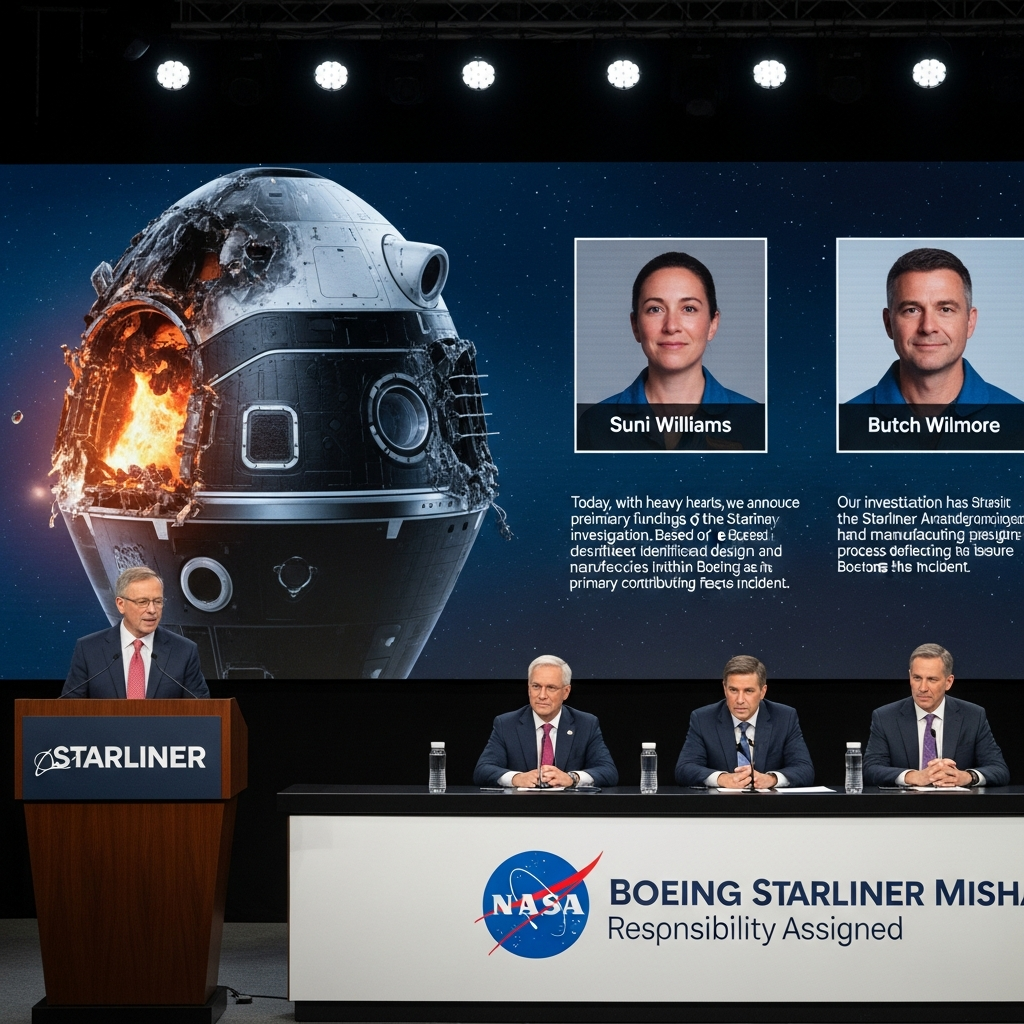
NASA has issued a damning verdict on Boeing’s Starliner spacecraft, officially categorizing its 2024 crewed test flight as a “Type A” mishap—the agency’s most severe classification. This grave assessment, unveiled in a comprehensive 312-page report, exposes critical hardware failures, severe leadership missteps, and a detrimental culture at both Boeing and NASA. The botched mission left astronauts Suni Williams and Butch Wilmore stranded in space for over nine months, prompting NASA Administrator Jared Isaacman to deliver scathing criticism and demand sweeping accountability for the aerospace giant’s profound shortcomings.
A Catastrophic Misstep: NASA’s ‘Type A’ Declaration
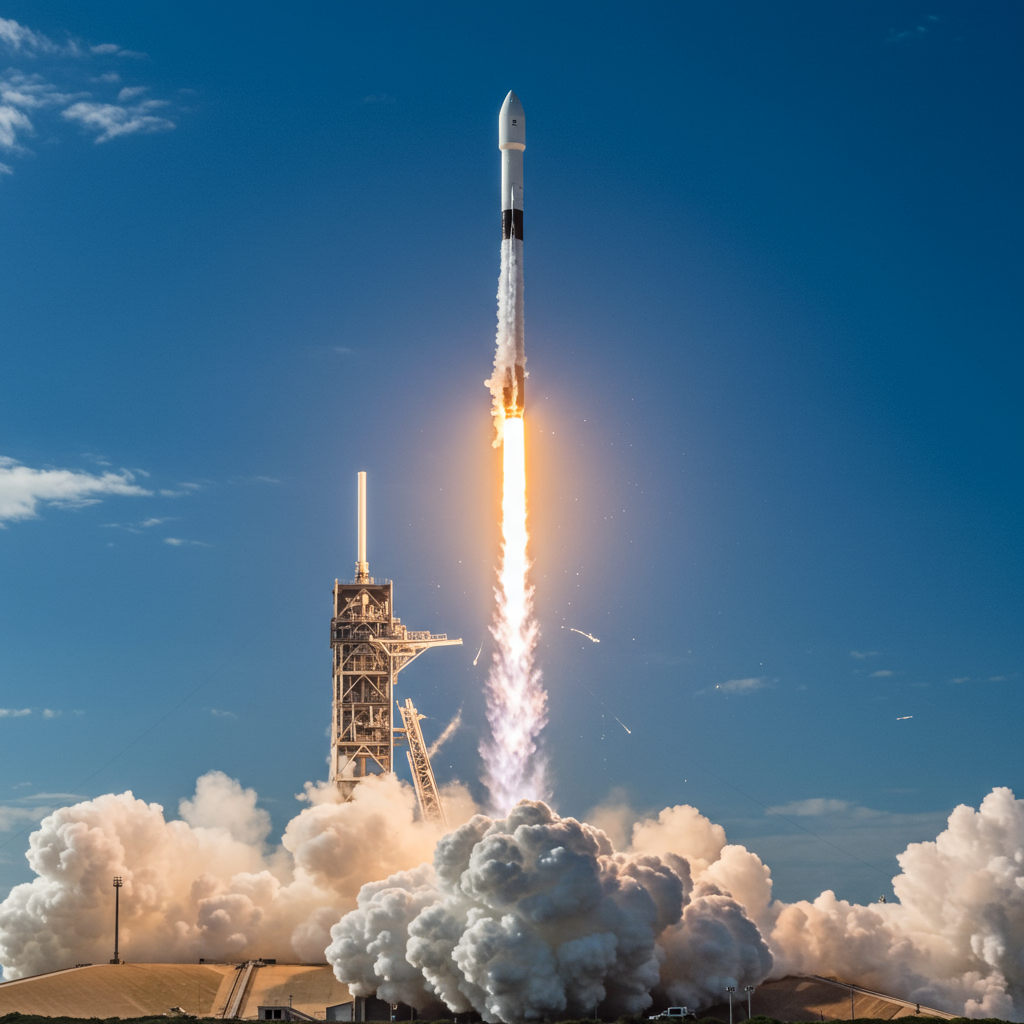
The Boeing Starliner mission, launched in June 2024 from Florida’s Cape Canaveral, was intended as a routine 8-to-14-day test flight to the International Space Station (ISS). Instead, it spiraled into a prolonged crisis, with astronauts Suni Williams and Butch Wilmore facing a harrowing nine-month ordeal in orbit. The recently released NASA report formally designates this incident as a “Type A” mishap. This is the highest level of mission failure, typically reserved for events causing over $2 million in damage, loss of vehicle control, or fatalities. While thankfully no lives were lost, the classification underscores the immense potential for disaster.
NASA Administrator Jared Isaacman revealed that the incident’s cost implications far exceeded the $2 million threshold, potentially topping $200 million. This severe classification places the Starliner failure on par with historical tragedies like the fatal 2003 Space Shuttle Columbia and 1986 Challenger disasters, signifying an unprecedented level of concern for a commercial crew vehicle. Intriguingly, Isaacman admitted that an initial delay in declaring a mishap was influenced by “concern for the Starliner program’s reputation,” highlighting early internal pressures.
The Ordeal in Orbit: Nine Months Stranded
The human cost of the Starliner’s operational failures fell squarely on the shoulders of NASA astronauts Suni Williams and Butch Wilmore. What was planned as a short validation flight turned into an unexpected 286-day stay aboard the ISS. Issues with the propulsion system, including multiple thruster failures, made the Starliner unsafe for a timely return. This forced NASA and Boeing into a difficult decision: attempt a risky return with a compromised craft, or leave the crew in orbit while solutions were found. Ultimately, the Starliner was returned to Earth without its crew. Williams and Wilmore eventually returned safely in March 2025, hitching a ride on a SpaceX Crew Dragon capsule. Both experienced pilots have since retired from the agency following their arduous mission. Their survival, lauded by Isaacman, was a testament to the “extraordinary professionalism” of mission controllers and the crew themselves, preventing a far worse outcome.
Scathing Criticism from NASA’s New Leadership
NASA’s new administrator, Jared Isaacman, has been remarkably blunt in his assessment of the Starliner crisis. Isaacman, an amateur jet pilot known for being the first non-professional astronaut to conduct a spacewalk, took NASA’s top job in late 2025. He did not mince words, blasting both Boeing and NASA for the “troubling” failures. Isaacman specifically pointed to “poor decision-making and leadership” as core contributors to the failed mission.
In a candid letter to staff and public statements, Isaacman stated that while Starliner had “design and engineering deficiencies,” the “most troubling failure” was not hardware-related. Instead, he emphasized it stemmed from “decision making and leadership that, if left unchecked, could create a culture incompatible with human spaceflight.” He underscored a shared accountability, reminding stakeholders that “while Boeing built Starliner, Nasa accepted it and launched two astronauts to space.” This public candor, unusual for a NASA administrator, signals a “new way that NASA plans to do business,” according to Don Platt of the Florida Institute of Technology. Isaacman firmly declared, “We are correcting those mistakes… ensuring leadership accountability so situations like this never reoccur.”
Leadership Lapses and Cultural Rot
The independent investigation’s 312-page report delves deep into the organizational issues plaguing both NASA and Boeing. Investigators flagged “unprofessional behavior,” including “yelling in meetings” and safety engineers being “berated ‘off muted mics’.” This toxic environment was described as “probably the ugliest…that I’ve been in” by one investigator. The report identified a palpable “erosion of trust” between NASA and Boeing, with leadership on both sides described as “overly risk-tolerant.”
Key contributing factors included “cumulative schedule pressure and decision fatigue,” exacerbated by the mission’s more than 30 launch attempts. The investigation uncovered “defensive, unhealthy, contentious meetings during technical disagreements early in the mission,” which corrupted the decision-making process. Isaacman also noted that disagreements over the crew’s return “deteriorated into unprofessional conduct while the crew remained on orbit.” The report highlighted a disconnect: NASA’s “hands-off approach” to oversight during the contract setup phase, combined with Boeing’s failure to adequately verify its propulsion system across all operational environments. Furthermore, the culture within NASA’s Commercial Crew Program itself fostered a greater acceptance of technical risk and a reluctance to fully challenge Boeing’s analyses.
Technical Malfunctions and Engineering Deficiencies
Beyond the glaring leadership and cultural issues, the Starliner mission was fundamentally undermined by significant technical and engineering deficiencies. The investigation pinpointed critical hardware failures, particularly within the spacecraft’s propulsion system. As Starliner approached the ISS, multiple thrusters failed, severely impeding the crew’s ability to steer and dock safely. The report specified “inadequate qualification testing” of the propulsion system, meaning it had not undergone sufficient scrutiny for all operational scenarios. A lack of adequate flight data also hampered the ability to properly assess thruster performance, leaving the Starliner vulnerable to uncertified conditions.
This was not an isolated incident for Starliner. Its first uncrewed test flight in 2019 ended up in the wrong orbit, requiring a repeat mission that also encountered difficulties. These previous issues, combined with poor engineering practices and a notable lack of oversight at Boeing, collectively transformed an eight-to-fourteen-day mission into a months-long ordeal. NASA Associate Administrator Amit Kshatriya starkly remarked, “We almost did have a really terrible day,” underscoring the severe risks posed by these technical shortcomings.
Charting a New Course: Corrective Actions and Future Outlook
In response to the comprehensive findings, NASA has committed to a sweeping overhaul. The agency plans to implement 61 formal recommendations before any future crewed Starliner mission. Administrator Isaacman has set strict conditions for further flights, stating unequivocally that “NASA will not fly another crew on Starliner until technical causes are understood and corrected, the propulsion system is fully qualified, and appropriate investigation recommendations are implemented.” This demonstrates a reinforced commitment to safety and transparency, signaling a pivotal moment for NASA’s approach to commercial partnerships.
Boeing, for its part, has expressed contrition and affirmed its commitment to cooperating with NASA. The company stated that the findings would aid in enhancing crew safety and claimed significant progress in addressing technical challenges and implementing cultural changes within its team since earlier test flights. However, there is currently no established timeline for Boeing to conduct another Starliner test flight to re-certify its safety for human spaceflight. This effectively leaves Elon Musk’s SpaceX as the sole U.S. commercial provider for astronaut transportation to the International Space Station, at least for the foreseeable future. Despite the incident, NASA remains committed to maintaining two commercial crew providers for ISS missions until the station’s planned retirement in 2030, highlighting the strategic importance of getting Starliner back on track.
Frequently Asked Questions
What officially caused the Boeing Starliner mission to fail so severely?
The 2024 Boeing Starliner mission failed due to a complex combination of factors, officially classified as a “Type A” mishap by NASA. The root causes included integrated hardware failures, particularly issues with the propulsion system and multiple thruster malfunctions, alongside critical leadership missteps at both Boeing and NASA. The investigation also highlighted systemic cultural problems, such as an “erosion of trust,” “unprofessional conduct,” and “cumulative schedule pressure” that led to overly risk-tolerant decision-making and insufficient oversight.
How does NASA plan to prevent similar Starliner failures in future missions?
NASA is implementing 61 formal recommendations detailed in its 312-page report to prevent future Starliner failures. These actions include enforcing strict “leadership accountability,” ensuring all technical causes are fully understood and corrected, and requiring the propulsion system to be “fully qualified” across all operational environments. Administrator Jared Isaacman has stated no further crewed flights will occur until these conditions are met, signifying a renewed commitment to rigorous oversight and transparency with commercial partners like Boeing.
What are the immediate and long-term consequences of the Starliner mishap for Boeing and NASA’s commercial crew program?
Immediately, the Starliner mishap means an indefinite delay for Boeing’s crewed spaceflight program, with no timeline for its next test flight. This leaves SpaceX as the sole U.S. commercial provider for astronaut transportation to the ISS. In the long term, the incident has prompted a significant cultural shift at NASA, with a stronger emphasis on transparency, accountability, and stringent oversight of contractors. For Boeing, it necessitates substantial technical and cultural reforms to regain trust and re-certify Starliner for human spaceflight, ensuring its viability in NASA’s strategy for maintaining two commercial crew providers until the ISS retirement in 2030.
Conclusion: A Watershed Moment for Spaceflight Safety
The Boeing Starliner failure represents a critical juncture for human spaceflight. NASA’s unprecedented “Type A” classification and Administrator Isaacman’s candid criticisms underscore the severity of the incident and the urgent need for profound change. This saga highlights that the complexities of commercial space travel extend far beyond technical challenges, encompassing critical dimensions of leadership, culture, and oversight.
By openly acknowledging its own shortcomings and demanding accountability from its partners, NASA is setting a new standard for transparency and vigilance. While the immediate future of Starliner remains uncertain, the commitment to 61 formal recommendations aims to prevent a recurrence of such a debilitating failure. Ultimately, this challenging chapter reinforces a fundamental truth: in the high-stakes realm of space exploration, unwavering vigilance, honest self-assessment, and astronaut safety must always remain paramount for groundbreaking missions to succeed.