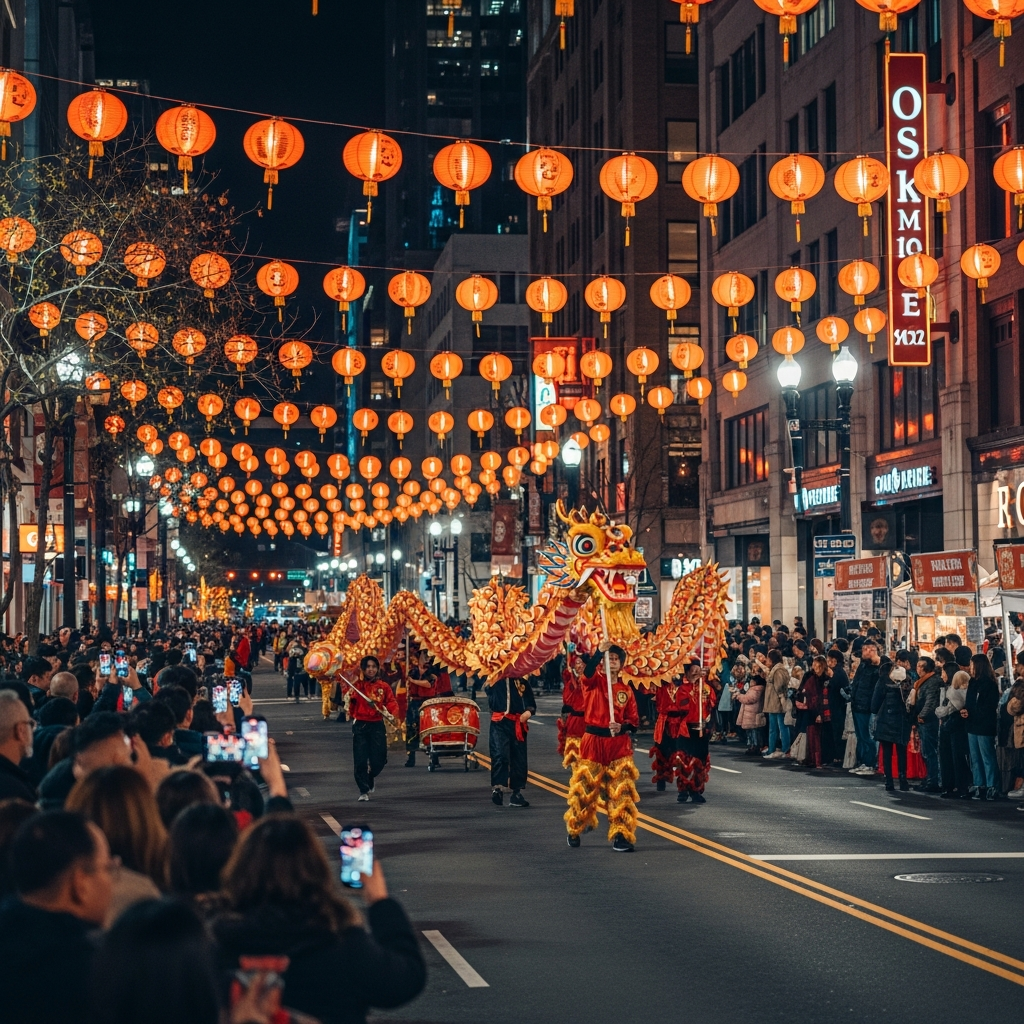
Embark on a vibrant journey through the heart of Lunar New Year celebrations, a global spectacle of color, tradition, and renewed hope. This ancient festival, also known as the Spring Festival or Tết in Vietnam, marks a profound cultural milestone observed by billions worldwide. From bustling city streets to quiet family gatherings, Lunar New Year is a time for bidding farewell to the past year and ushering in good fortune. Join us as we explore the rich tapestry of festivities, decode their deeper meanings, and highlight the unique ways communities across the globe, including North America, embrace this auspicious occasion in 2026, the Year of the Fire Horse.
Understanding Lunar New Year: A Journey Through Time and Calendar
At its core, Lunar New Year signifies new beginnings. Its origins trace back approximately 3,000 years to China’s Shang Dynasty, with the lunar calendar formalized during the Han Dynasty around 2,100 years ago. Unlike the Gregorian calendar, the lunar calendar is regulated by celestial movements, primarily the moon. This means the festival’s start date shifts annually, typically falling between January 21st and February 20th, specifically on the second new moon after the December solstice. For 2026, Lunar New Year commences on Tuesday, February 17th, with celebrations extending for 15 days until March 3rd.
The cultural significance extends beyond a simple calendar change. It represents the end of winter and the much-anticipated arrival of spring, symbolizing renewal, happiness, and prosperity. Each year is associated with one of 12 zodiac animals and one of five elements in a 60-year cycle. 2026 is the Year of the Fire Horse, an exciting combination that embodies energy, passion, independence, and an upbeat, forward-moving spirit. Understanding this zodiac connection adds another layer of meaning to the year’s specific characteristics and potential fortunes.
Preparing for Prosperity: Cherished Traditions Unfold
The essence of Lunar New Year lies in its deeply rooted traditions, many of which begin well before New Year’s Day itself. Preparations can start as early as 15 days prior, transforming homes and communities.
Cleansing the Old, Welcoming the New
A crucial early step involves a thorough “spring cleaning” of the home. This ritual isn’t just about tidiness; it symbolizes sweeping away the old year’s misfortunes and making space for fresh luck. Families clean every corner, from windows to furniture, often undertaking personal grooming like haircuts alongside. Concurrently, visits to markets become frequent as people acquire new year items, notably couplets—calligraphic scrolls inscribed with auspicious phrases—to adorn doors, welcoming blessings into their homes.
The Reunion Feast and Red Envelopes
New Year’s Eve culminates in a magnificent family banquet. This “reunion dinner” is paramount, often drawing relatives from great distances, much like other major holidays globally. Traditional foods, each symbolizing a particular blessing, grace the table. While specific dishes vary across China’s 56 ethnic groups and other celebrating nations, common themes include fish (representing fortune) and dumplings (symbolizing wealth).
In a more recent tradition established over the last four decades, many families in China gather to watch the annual CCTV Spring Festival gala broadcast, a grand spectacle leading up to midnight. As the clock strikes twelve, the transition to the new year is heralded by loud fireworks and firecrackers. This joyous, noisy display dates back to the myth of Nian, a legendary monster terrified by loud sounds and the color red, a tradition believed to ward off evil spirits and welcome good fortune.
A central and beloved tradition is the exchange of red envelopes, known as hongbao. These vibrant envelopes, filled with “lucky money,” are typically gifted by older family members to younger generations. Far more than just money, they are tangible wishes for blessings, good luck, and protection against negative energy. Recipients express gratitude not with a simple “thank you,” but with specific New Year greetings like “gōngxǐ fācái” (meaning “I wish that you’ll make a big fortune in the new year”).
A World United in Festivity: Global Spectacles
The spirit of Lunar New Year transcends borders, celebrated by Chinese diaspora and numerous other East Asian countries, each infusing the festivities with unique local flavor while maintaining core traditions.
East Asian Dynamism
In Beijing, thousands flock to historical sites like the former Temple of Earth. Here, they engage in traditional activities, buying snacks, toys, and trinkets from vibrant stalls. However, 2026 saw a notable integration of 21st-century technology. The CCTV gala prominently featured humanoid robots, including Unitree Robotics humanoids performing martial arts. This striking blend of ancient custom and modern technological ambition demonstrates China’s strategic push in advanced AI and robotics, sparking varied public reactions from inspiration to concern over traditional erosion.
Hong Kong witnesses massive midnight gatherings at temples, where people light clusters of incense sticks and offer prayers for prosperity. In Vietnam, the holiday known as Tết is celebrated with energetic outdoor countdown events, multiple fireworks shows across cities, and impressive light displays illuminating bridges and skyscrapers, often accompanied by live pop music. Taiwan’s Taipei sees the solemn peal of a temple bell ringing 108 times at Baoan Temple, considered an auspicious number, as worshippers light incense and offer colorful flower bouquets. Beyond these, celebrations include LED dragon dances in Singapore, fire performances in Manila, and prayers in Jakarta, showcasing the holiday’s widespread observance across the region.
Beyond Asia: A Global Reach
The vibrant celebrations extend far beyond Asia, uniting communities across continents:
Moscow, Russia: The Russian capital hosted its third annual Lunar New Year festival, a two-week event brimming with traditional Chinese culture, arts, and performances. Streets are adorned with red lanterns and dragons, and attendees enjoy Chinese cuisine, highlighting cultural exchange amid warming international relations.
Buenos Aires, Argentina: Thousands gather in the city’s Chinatown for energetic dragon and lion dances on the main stage, alongside martial arts demonstrations. This powerfully showcases the significant and dynamic presence of the Chinese immigrant community, which numbers over 180,000 in Argentina.
San Francisco, USA: Its historic Chinatown district is known for spectacular fireworks displays, drawing crowds to witness the vibrant spectacle.
North American Celebrations: A Tapestry of Culture
North America’s diverse communities warmly embrace Lunar New Year, offering a wealth of family-friendly events that celebrate rich cultural heritage. These local celebrations often mirror global traditions while adding a regional touch.
Seattle’s Festive Spirit
The greater Seattle area, in particular, becomes a hub of activity for the Year of the Horse. Events often feature the iconic lion and dragon dances, believed to usher in good luck, happiness, and prosperity. Families can enjoy traditional foods, participate in hands-on arts and crafts like lantern making and calligraphy, and witness martial arts demonstrations or storytelling sessions. Many events are free and cater to all ages, emphasizing community inclusivity.
Highlights include the Wing Luke Museum’s art activities and Mak Fai Kung Fu Dragon & Lion Dance Blessing. Little Saigon Creative hosts multi-day Tết Celebrations with marketplaces and workshops. The Seattle Center Festál presents a major Tết in Seattle event, showcasing Vietnamese culture through arts, music, and fashion. The Chinatown International District hosts one of the largest regional celebrations, featuring extensive dragon and lion dances and a food walk. From libraries offering bilingual story times to large corporate celebrations like the Microsoft Asian Spring Festival, Seattle exemplifies a vibrant multicultural observance.
Oregon’s Welcoming Festivities
Further south, Oregon also participates enthusiastically. Lunar New Year 2026 sees extended events at Portland’s Lan Su Chinese Garden, featuring stunning lantern sculptures, a magical zodiac animal light show, and an illuminated Dragon Dance procession. The Portland Chinatown Museum and the Oregon Historical Society collaborate for the 10th Annual Lunar New Year Dragon Dance and Celebration, a highlight being the Portland Chinatown History Foundation’s impressive 150-foot dragon. The Oregon Convention Center also hosts the Chinese New Year Cultural Fair, showcasing traditional and contemporary Chinese culture with dragon dances, music, calligraphy, and martial arts.
Symbols of Fortune: Red, Zodiac, and Legends
The celebration is rich with symbolic elements, each carrying deep cultural meaning and historical significance.
The Power of Red and the Nian Legend
The color red is undeniably the most prominent symbol of Lunar New Year. Historically, it’s associated with warmth, good fortune, and blessings. From lanterns and couplets to clothing and the very envelopes holding lucky money, red is believed to bring positivity, happiness, and crucially, to ward off evil spirits. This belief stems from the ancient legend of Nian, a fearsome monster that terrorized villages annually. The villagers discovered Nian’s fear of loud noises, fire, and the color red, leading to the widespread use of firecrackers, red decorations, and lion dances to scare it away and protect communities.
The Chinese Zodiac: Personality and Destiny
The Chinese Zodiac, or Sheng Xiao, is another foundational element. It assigns one of 12 animals (Rat, Ox, Tiger, Rabbit, Dragon, Snake, Horse, Goat, Monkey, Rooster, Dog, Pig) to each year in a 12-year cycle. Each animal is believed to imbue those born in its year with specific personality traits. As 2026 is the Year of the Fire Horse, it symbolizes individuals who are independent, ambitious, and energetic, often characterized by a strong drive to move forward. These zodiac beliefs add a layer of personal reflection and anticipation to the new year.
Superstitions also play a role; for instance, avoiding cleaning during the first few days of the holiday is common, as it’s believed to prevent “sweeping away” good fortune.
The Grand Finale: Lantern Festival
The 15-day Lunar New Year celebration culminates in the enchanting Lantern Festival on March 3rd, 2026. This beautiful closure marks the first full moon of the lunar year. Homes and streets are adorned with intricate red lanterns, some featuring riddles for others to solve. A traditional food for this occasion is tangyuan*, sweet, sphere-shaped rice balls that symbolize family reunion and completeness. Parks often host events like guessing lantern poems, alongside various competitions and games, providing a festive and reflective end to the New Year period. It’s a time for letting go of the past year and fully embracing the promises of the new.
Frequently Asked Questions
What is the significance of the Year of the Fire Horse for Lunar New Year 2026, and how does it influence celebrations?
The Year of the Fire Horse, beginning February 17, 2026, is part of a 60-year cycle combining one of 12 zodiac animals with one of five elements. The horse is traditionally associated with positivity, striving forward, and speed, while fire represents energy and passion. Therefore, this year is believed to embody an upbeat, hard-working, independent, and ambitious spirit. Celebrations may subtly emphasize these themes, encouraging forward momentum and a vibrant approach to new endeavors, influencing community outlook and individual aspirations for the year ahead.
Beyond Asia, which global cities are known for hosting vibrant Lunar New Year celebrations?
Vibrant Lunar New Year celebrations extend far beyond Asia, driven by large diaspora communities. Prominent global cities known for their festivities include Moscow, Russia, which hosts a two-week festival featuring Chinese culture and street decorations. Buenos Aires, Argentina, sees thousands gather in its Chinatown for dragon and lion dances and martial arts demonstrations. In North America, San Francisco’s Chinatown district is famous for its spectacular fireworks, while Seattle and Portland in the Pacific Northwest offer extensive family-friendly events, parades, cultural performances, and traditional food fairs, as seen in 2026’s events at the Lan Su Chinese Garden and Seattle’s Chinatown International District.
What are the essential traditional preparations and customs families observe leading up to Lunar New Year’s Day?
Families typically begin preparations about 15 days before Lunar New Year’s Day. Key customs include a thorough “spring cleaning” of the home to sweep away old misfortunes and make room for new luck, often accompanied by personal grooming like haircuts. People visit markets to buy new year items, particularly calligraphic couplets to display on doors. New Year’s Eve is centered around a grand family reunion banquet, where auspicious dishes are consumed. The evening culminates with fireworks and firecrackers at midnight, symbolizing the warding off of evil spirits and welcoming prosperity, alongside the exchange of red envelopes (hongbao) containing “lucky money” for blessings.
Embracing the Spirit of Renewal
Lunar New Year is more than just a date on the calendar; it’s a profound cultural narrative woven with threads of history, family, and hope. From the ancient tales of Nian and the wisdom of the zodiac to the contemporary blend of robots in Beijing’s gala, it exemplifies a living tradition that evolves while honoring its roots. This global celebration of renewal, rich in vibrant colors, meaningful rituals, and shared aspirations, unites communities in welcoming a prosperous new year. As the Year of the Fire Horse gallops in, we are reminded of the enduring power of tradition and the universal human desire for happiness and good fortune.