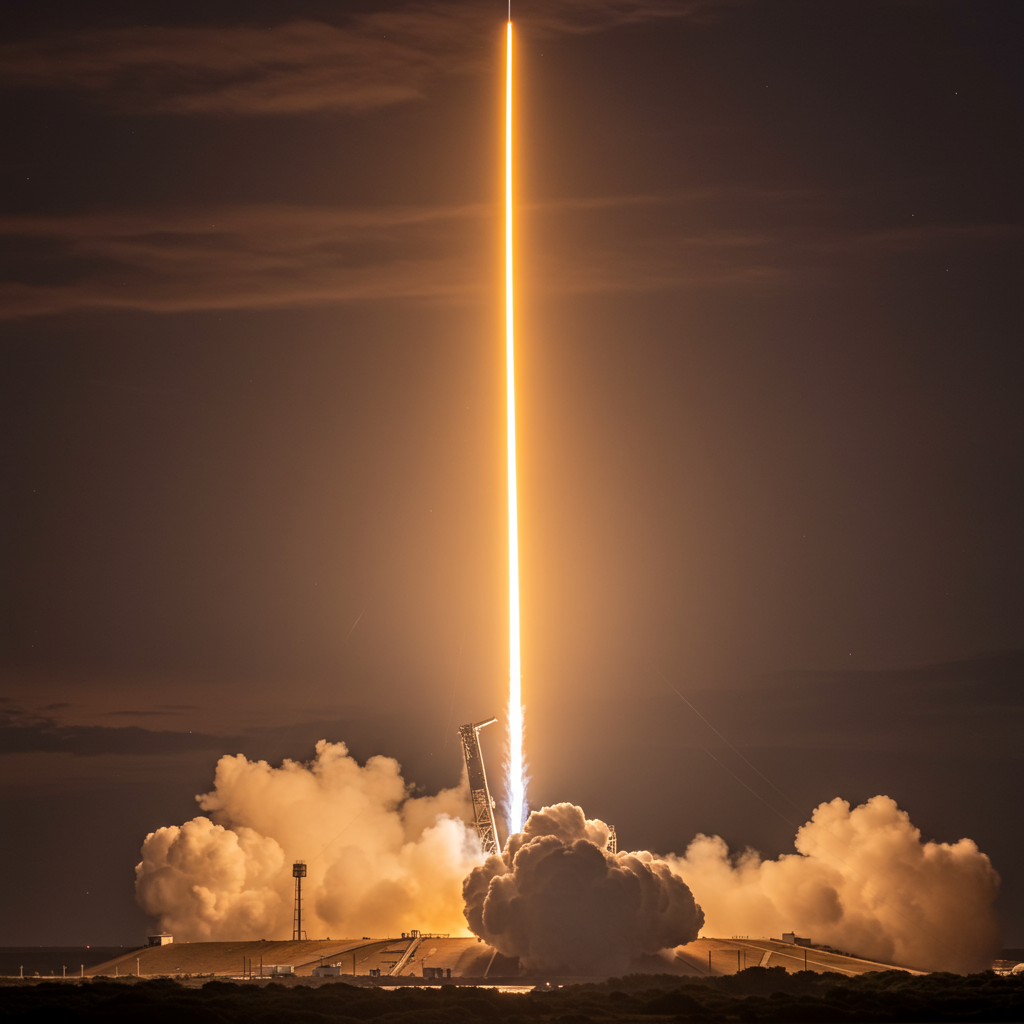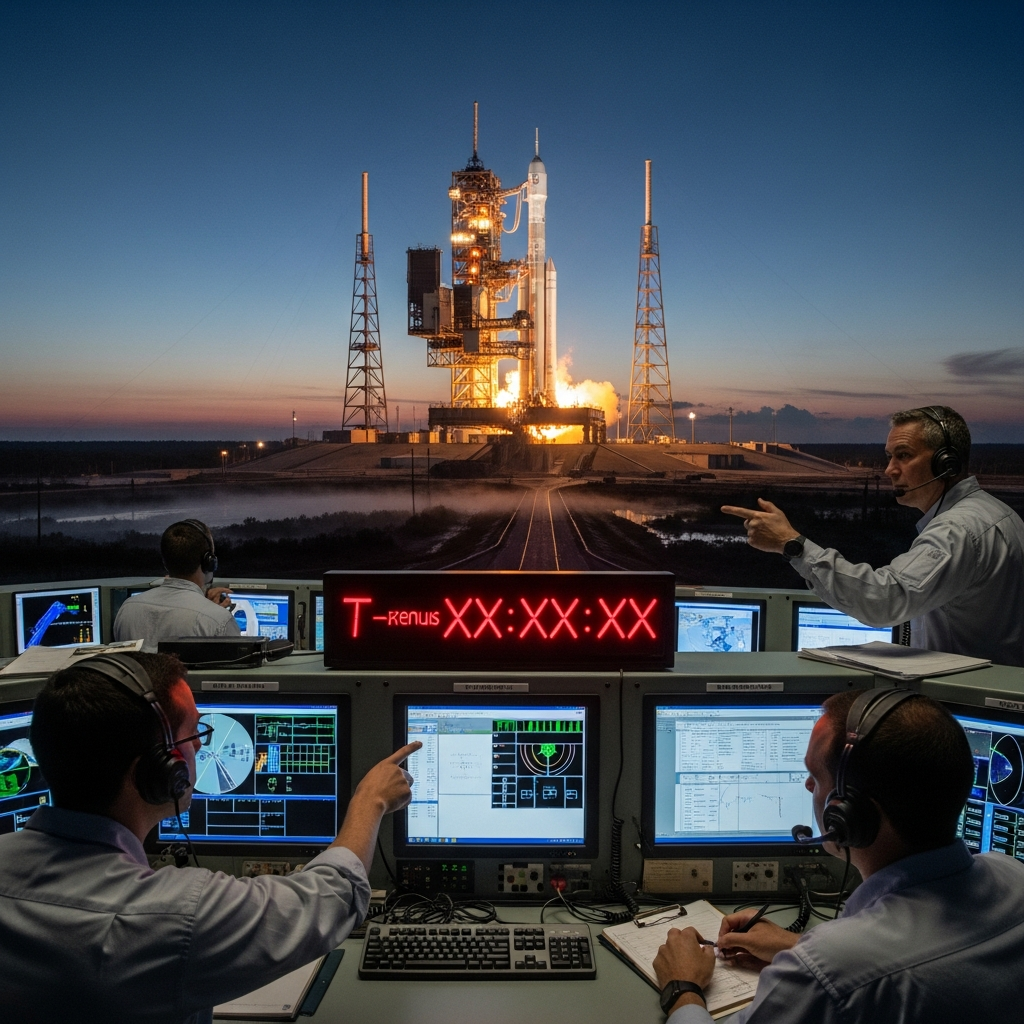
The journey to return humanity to the Moon takes another monumental step as NASA embarks on the critical Artemis II Wet Dress Rehearsal at Kennedy Space Center in Florida. This comprehensive, two-day simulation is a vital trial for the Space Launch System (SLS) rocket and Orion spacecraft, pushing both hardware and human teams to their limits before the historic crewed lunar mission. As the countdown clock ticks, engineers are meticulously preparing the towering vehicle, ensuring every system is primed for humanity’s next giant leap. This crucial test, following previous evaluations, aims to refine procedures, resolve challenges, and validate the immense readiness required for a crewed flight around the Moon.
What is an Artemis II Wet Dress Rehearsal?
A wet dress rehearsal (WDR) is an indispensable pre-launch test designed to simulate an actual launch day without igniting the rocket’s engines. For the Artemis II WDR, this involves fully fueling the SLS rocket’s tanks with over 700,000 gallons of super-cold liquid oxygen (LOX) and liquid hydrogen (LH2) – its cryogenic propellants. It’s a full dress rehearsal for the entire launch team, including controllers at Kennedy Space Center and supporting personnel at Johnson Space Center in Houston, to practice the intricate countdown sequence, from tanking to a simulated terminal count.
The primary objectives of this exhaustive test include:
Loading vast quantities of cryogenic liquid propellant into the SLS rocket’s core and upper stages.
Executing a detailed launch countdown, putting procedures and personnel through their paces.
Demonstrating the ability to “recycle” the countdown clock, simulating holds and delays.
Practicing “scrub” procedures, including the safe draining of propellants from the rocket.
Verifying integrated systems and communication channels across all mission control centers.
This rigorous simulation is paramount for identifying and mitigating any potential issues before the four astronauts—NASA’s Commander Reid Wiseman, Pilot Victor Glover, Mission Specialist Christina Koch, and CSA’s Mission Specialist Jeremy Hansen—board the Orion spacecraft for their ten-day journey around the Moon.
The Journey to the Pad: Overcoming Early Hurdles
This isn’t NASA’s first attempt at a wet dress rehearsal for Artemis II. Previous tests highlighted the immense complexity of preparing the massive SLS rocket for flight. An initial two-day practice run, starting on January 31, 2026, and extending into early February, encountered significant challenges. Unseasonably cold weather affected systems, causing delays in fueling operations. More critically, a persistent liquid hydrogen leak was detected at a key interface, forcing multiple pauses and ultimately terminating the terminal countdown prematurely at the T-5:15 minute mark. Ground equipment issues, problems with the Orion spacecraft’s hatch, and communication dropouts also emerged.
Following a partial fueling test on February 12, where teams identified and replaced a suspect filter in ground support equipment, engineers gained sufficient data to proceed with this more comprehensive, second wet dress rehearsal. The lessons learned from these earlier attempts are directly informing the current test, underscoring NASA’s commitment to iterative testing and a safety-first approach.
Countdown Underway: A Glimpse into the Timeline
The countdown for the current Artemis II Wet Dress Rehearsal commenced on Tuesday, February 17, 2026, at 6:50 p.m. EST, initiating a nearly 50-hour sequence. The simulated launch window for the rehearsal is targeted for 8:30 p.m. EST on Thursday, February 19, concluding around 12:30 a.m. on Friday, February 20.
The detailed timeline is orchestrated using “L minus” and “T minus” times:
L-minus (L-): Indicates the hours and minutes remaining until liftoff. This clock continuously advances.
T-minus (T-): Represents a specific sequence of events built into the countdown. This clock can be paused during planned “holds.”
Key phases of the countdown include:
Early Preparations (L-49 hours to L-35 hours)
Team Arrival & Systems Power-Up: Launch teams take their stations. The Orion spacecraft, core stage, and interim cryogenic propulsion stage (ICPS) are sequentially powered up for initial checks.
Flight Battery Charging: Critical flight batteries for Orion and the core stage begin charging to 100%.
Propellant Loading Preparations (L-15 hours to L-10 hours)
Pad Clearing: Non-essential personnel clear Launch Complex 39B.
System Activation: Ground Launch Sequencer (GLS) activates. Crucial “go/no-go” decisions are made to begin fueling the rocket.
Chilldown: Cryogenic transfer lines and rocket tanks are pre-cooled to extreme temperatures to handle the super-cold propellants.
Fueling Operations (L-9 hours to L-5 hours)
Slow Fill: Liquid hydrogen and liquid oxygen begin to flow into the rocket’s core stage and ICPS tanks at a controlled rate.
Fast Fill: Once initial conditions are met, propellants rapidly fill the tanks.
Topping & Replenish: Tanks are meticulously filled to near capacity, with continuous topping off to account for boil-off until the terminal count.
Terminal Count Procedures (L-5 hours to T-0)
Crew Closeout Practice: While the actual Artemis II crew remains in quarantine, a dedicated closeout team practices securing the Orion crew module and launch abort system hatches.
- Final Holds: Built-in holds allow teams to address any last-minute issues or align with a precise launch window. For this rehearsal, the team will pause at T-1 minute 30 seconds, resume to T-33 seconds, then recycle back to T-10 minutes for a second terminal count to approximately T-33 seconds before concluding the test. This simulates critical real-world conditions, including potential launch scrubs.
- www.nasa.gov
- www.space.com
- www.nasa.gov
- www.npr.org
- www.nasa.gov
Throughout these phases, NASA provides real-time blog updates and live streams, offering unprecedented transparency into the complex process.
Beyond Fueling: Ensuring Complete Readiness
The WDR encompasses more than just filling the tanks. It’s a holistic test of integrated systems and personnel response. After a successful rehearsal, teams will begin installing temporary platforms on the mobile launcher. These platforms are essential for technicians to service Flight Termination System (FTS) elements on the solid rocket boosters and core stage intertank. This vital step ensures that the FTS, which is a safety requirement for the Eastern Range, is thoroughly tested before any potential launch.
The practice of closeout operations by the Artemis closeout crew is also crucial. Although the actual astronauts are in Houston under strict quarantine protocols to minimize illness exposure, the closeout team rehearses their critical role of preparing and securing the Orion spacecraft, including closing the crew module and launch abort system hatches. This ensures a seamless and safe process for the crew on their actual launch day.
The Path Forward: Setting the Stage for Lunar Return
The successful completion of this Artemis II Wet Dress Rehearsal is a non-negotiable prerequisite for setting an official launch date for the historic crewed mission. Data gathered from every aspect of the test—from propellant loading dynamics to team communication and hardware performance—will be thoroughly reviewed by NASA engineers and management.
While previous considerations for a February launch window (Feb 8-11) have been adjusted due to the earlier test issues, NASA has identified March 6 as the earliest viable launch date, with other opportunities in March and April. This updated timeline provides adequate time for data analysis, mitigation of any newly identified issues, and the complex transition of the launch pad and vehicle to full launch operations mode. The agency’s unwavering focus remains on crew safety and mission success, ensuring the Artemis II crew—Wiseman, Glover, Koch, and Hansen—are launched on a fully validated and ready-to-fly system.
Frequently Asked Questions
What is the primary purpose of the Artemis II Wet Dress Rehearsal?
The Artemis II Wet Dress Rehearsal is a critical, full-scale simulation of launch day operations. Its primary purpose is to fully fuel the Space Launch System (SLS) rocket with cryogenic propellants, practice the entire launch countdown sequence, demonstrate the ability to recycle the countdown clock in case of holds, and rehearse scrub procedures by draining the tanks. This comprehensive test validates the readiness of the rocket, spacecraft, and ground teams for the crewed lunar mission, ensuring every system and procedure is functioning optimally.
What challenges have impacted the Artemis II launch timeline, and how are they being addressed?
The Artemis II mission has faced delays due to issues encountered during earlier test attempts, notably a persistent liquid hydrogen leak at a critical interface and unseasonably cold weather affecting ground systems during the initial wet dress rehearsal. To address these, engineers replaced a suspect filter in ground support equipment and are meticulously analyzing data from iterative tests. This current, second wet dress rehearsal is a direct response to validate these fixes and prove the system’s integrity, leading to an adjusted launch window of no earlier than March 6.
How do these repeated test rehearsals ensure astronaut safety for Artemis II?
Repeated test rehearsals, like the Artemis II Wet Dress Rehearsal, are fundamental to astronaut safety. Each test allows NASA to identify and resolve potential hardware malfunctions, refine complex procedures, and train the launch team to respond effectively to any unforeseen circumstances, such as leaks or communication issues. By simulating real-world conditions, including emergency scrub procedures, NASA minimizes risks. The iterative testing process, data review, and validation of all systems before setting a definitive launch date ensure the crew embarks on the safest possible journey around the Moon.
Conclusion
The Artemis II Wet Dress Rehearsal represents a pivotal moment in NASA’s ambitious program to return humans to the lunar sphere. It’s a testament to the meticulous planning, rigorous testing, and unwavering dedication of thousands of engineers and specialists. While the journey has seen its share of challenges, each test brings NASA closer to validating the robust systems and prepared teams needed for a crewed mission of this magnitude. As the final data from this critical simulation is reviewed, the world anticipates the next step in lunar exploration, confident that every precaution is being taken to ensure a safe and successful return to the Moon.