US lawmakers are demanding immediate answers regarding a highly controversial, CDC-funded hepatitis B vaccine trial underway in Guinea-Bissau, West Africa. This critical inquiry stems from deep ethical concerns over a study that deliberately withholds a proven, life-saving birth dose of the vaccine from thousands of newborns in a region where chronic hepatitis B is rampant. The unfolding situation highlights broader issues in global health research, from funding transparency to patient safety and vaccine equity. This article delves into the details of this contentious trial, alongside other pressing public health updates concerning measles outbreaks and the current influenza season.
Lawmakers Confront CDC Over Unethical Hepatitis B Vaccine Trial
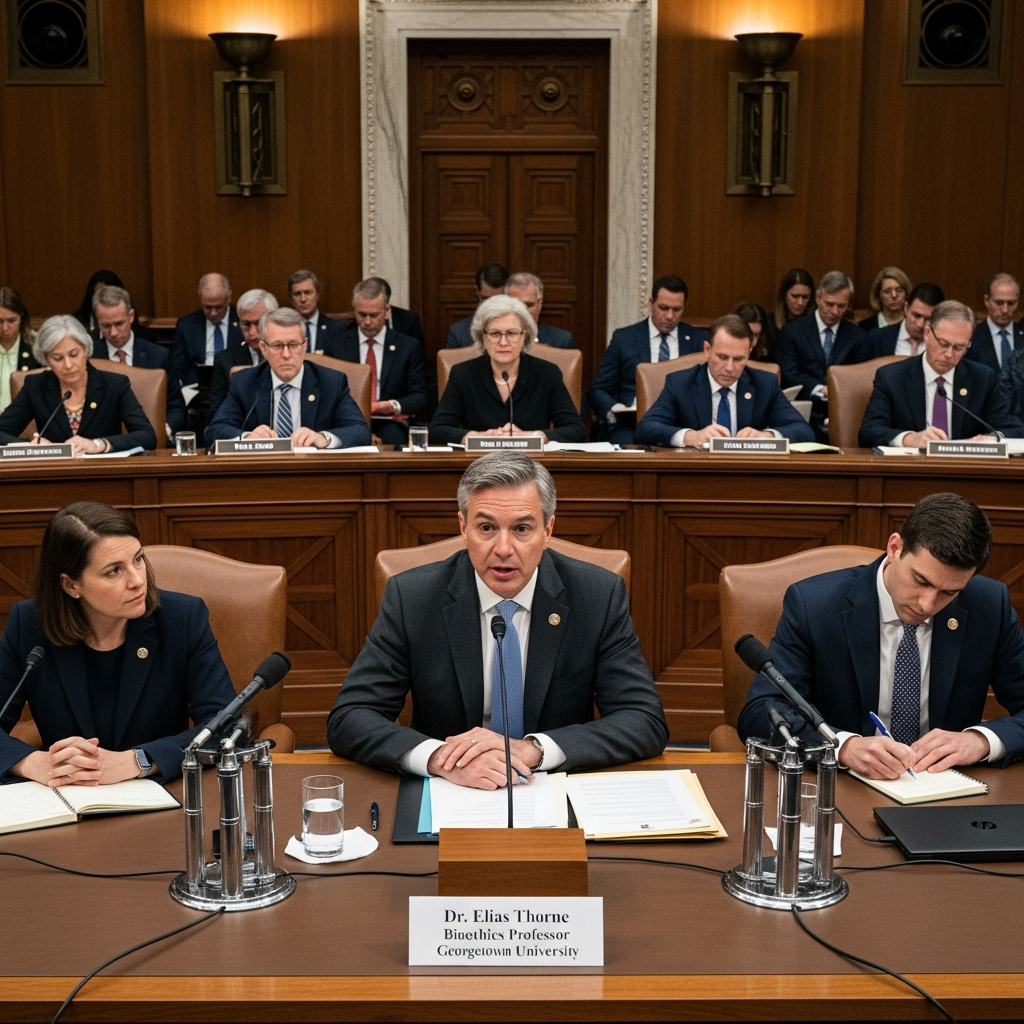
Democratic members of the House Energy & Commerce Committee have formally challenged the Centers for Disease Control and Prevention (CDC). They sent a direct letter to CDC Acting Director Jim O’Neill. The letter demands comprehensive documentation about a five-year, $1.6 million grant. This grant was awarded to Danish researchers for a hepatitis B vaccine trial in Guinea-Bissau. The study aims to evaluate the overall health impact of the vaccine’s birth dose.
Ethical Concerns at the Core of the Controversy
The core of the ethical storm lies in the trial’s design. Approximately 14,000 newborns are enrolled in a randomized controlled trial. Disturbingly, half of these infants will not receive the critical birth dose of the hepatitis B vaccine. This decision is particularly alarming given the known efficacy of the vaccine. It’s also compounded by the extremely high prevalence of chronic hepatitis B infection in Guinea-Bissau.
Lawmakers vehemently argue that withholding this vaccine is a major breach of scientific ethics. They underscore that up to nine out of ten infants could develop chronic infection without it. This can lead to severe liver failure and eventual death. Committee members Frank Pallone (D-NJ), Diane DeGette (D-CO), and Yvette Clark (D-NY) wrote to O’Neill. They described using taxpayer dollars to examine “theoretical, non-specific side effects” instead of providing proven vaccinations as “abhorrent.” This approach neglects millions of lives saved globally by the birth dose.
Funding and Protocol Under Scrutiny
Beyond the ethical considerations, the trial’s funding process itself faces intense scrutiny. Critics question why the CDC awarded such a significant grant. The decision bypassed the usual competitive process. Lawmakers are demanding all versions of the study proposal and protocol. They also seek documentation related to the non-competitive grant award. The transparency and integrity of federally funded research are critical to public trust.
Furthermore, concerns have been raised about the track record of the researchers involved in the study. This adds another layer to the calls for accountability. Effective public health policy relies on rigorously ethical and transparent research practices.
Guinea-Bissau’s Response and Ongoing Status
The controversy has had significant international repercussions. The government of Guinea-Bissau temporarily suspended the trial. They stated it required further review. However, US officials maintain that the trial is proceeding as planned. Lawmakers are pressing O’Neill for clarification on the trial’s current status. They also request details on CDC’s communications and coordination with Guinea-Bissau’s Ministry of Health. This ongoing situation highlights the complex interplay between international research, local governance, and global health ethics. The implications for the future of hepatitis B vaccine trial design and funding are substantial.
Unfolding Measles Outbreaks & Vaccination Challenges
While the hepatitis B trial garners attention, measles continues to pose a significant public health threat in various regions. Recent outbreaks and persistent vaccination hurdles underscore the need for sustained vigilance and proactive health strategies.
US Hotspots and Exposure Alerts
Several measles exposure incidents have been reported across the United States. In Washington, D.C., attendees of the National March for Life rally in late January may have been exposed. Confirmed measles cases visited key locations. These included the Basilica of the National Shrine of the Immaculate Conception and Ronald Reagan Washington National Airport. The DC subway system was also affected between January 21 and February 2. Virginia has already reported at least six measles cases this year. Meanwhile, a second measles case was linked to exposure at Disneyland Park on January 22. These scattered exposures serve as a stark reminder of measles’ highly contagious nature. Florida, for example, has reported 21 confirmed cases of measles so far in 2026. Data shows 95% of US measles patients are unvaccinated or have unknown vaccine status. This contrasts sharply with only 4% who are fully vaccinated. The majority of cases, particularly in places like South Carolina (594 cases), affect children aged 5 to 17.
Minneapolis Somali Community: A Unique Challenge
In Minneapolis, efforts to boost measles vaccination rates face unique obstacles within the Somali community. This group has experienced significant vaccine hesitancy over the past two decades. Vaccination rates for Somali 2-year-olds plummeted from 92% in 2006 to a mere 24% last year. This drastic drop has contributed to at least four measles outbreaks in the community. Concerns are mounting that fear and unease. These feelings stem from a prolonged Immigration and Customs Enforcement (ICE) “Operation Metro Surge.” This operation is actively hindering community members from seeking vaccinations. Clinicians and public health professionals worry this will further exacerbate vaccine hesitancy and access.
European Trends: A Mixed Picture
Internationally, the European Centre for Disease Prevention and Control (ECDC) reported preliminary 2025 data. It shows a drop in measles cases across the European Union compared to 2024. However, these figures remain twice as high as those reported in 2023. Between January and December 2025, 30 countries reported 7,655 measles cases. Tragically, eight individuals died from the infection. Four deaths occurred in France, three in Romania, and one in the Netherlands. These statistics highlight the persistent global challenge of measles elimination, even with vaccination efforts.
Seasonal Influenza Update: Pediatric Deaths & Strain Shifts
The current influenza season continues to impact communities nationwide, marked by a significant number of pediatric deaths and evolving viral strains. Understanding the latest FluView report is essential for public health preparedness.
A Grim Pediatric Toll
The Centers for Disease Control and Prevention (CDC) recently released its FluView report. It revealed an additional eight pediatric deaths last week. This brings the season’s total to 60 pediatric fatalities from flu complications. A sobering statistic indicates that approximately 90% of these children were not fully vaccinated against influenza. The CDC estimates the current season has caused at least 22 million illnesses, 280,000 hospitalizations, and 12,000 deaths. These figures underscore the serious health risks associated with seasonal influenza, especially for unvaccinated individuals.
National Trends and Regional Spikes
Nationally, seasonal influenza activity remains elevated. Provider visits for influenza-like illness (ILI) show a downward trend, now at 4.4% above the national baseline. The positivity rate for influenza detections in clinical labs holds steady at 18.0%. The cumulative hospitalization rate is 63.2 per 100,000 population. While most regions report stable or decreasing activity, HHS Region 10 (Pacific Northwest) continues to see increasing trends. This regional disparity highlights the dynamic nature of flu season.
The Evolving Threat: Flu A, B, and Subclade K
A typical seasonal shift is currently observed. Influenza A activity is decreasing, while influenza B activity is on the rise. For week 4 of 2026 surveillance data, influenza A was detected in 76.9% of samples. Influenza B was detected in 23.1%. For the total 2025-26 flu season, influenza A has accounted for 92% of typed specimens. A critical concern for public health is the genetic characterization of influenza A(H3N2) viruses. Among 822 such viruses, 91.5% belonged to subclade K. This variant has mutated to potentially evade immunity from the current flu vaccine strain. This finding emphasizes the constant challenge of vaccine development against rapidly evolving viruses.
Beyond Flu: How Vaccination Could Protect Your Heart
Beyond its primary role in preventing respiratory illness, the influenza vaccine may offer an unexpected benefit: protecting cardiovascular health. A recent meta-analysis sheds light on this intriguing connection.
The Groundbreaking Meta-Analysis
A significant meta-analysis was published in BMC Public Health. It suggests that influenza vaccination is associated with an 18% lower odds of myocardial infarction (MI), commonly known as a heart attack. Researchers from Zhejiang Chinese Medical University in China led the study. They pooled data from 15 observational studies. These included cohort studies, case-control studies, and a self-controlled case series. The comprehensive analysis involved 23.5 million participants, predominantly older adults aged 57 to 77 years.
The pooled data consistently showed a protective link. Flu vaccination was associated with an 18% reduction (with a 95% confidence interval of 14% to 22%) in the odds of MI. This was compared to unvaccinated controls. Subgroup analyses found this link consistent across different study types and patient groups. It held true for both those aged 70 and older and those younger than 70. The association also remained for individuals with or without a prior history of heart attack.
Unpacking the Cardiovascular Link
The authors propose a plausible mechanism for this protective effect. Heart attacks are more common during flu season. This suggests that viral infections, like influenza, may trigger systemic inflammation. Such inflammation can increase the risk of cardiovascular events. Therefore, influenza vaccination could potentially mitigate MI risk. It does this by “alleviating the systemic inflammation and endothelial dysfunction associated with infection.” This insight adds a compelling reason to prioritize annual flu vaccination, especially for vulnerable populations.
Important Considerations and Future Research
It is important to acknowledge the limitations of this analysis. All included studies were observational. This means they cannot establish direct causality. Additionally, flu vaccination was broadly defined. Information on the frequency and timing of vaccination was limited. Despite these limitations, the meta-analysis strongly indicates an association. Researchers call for future studies. These studies should clarify the underlying mechanisms. They should also refine the understanding of this association in contemporary populations. This could further solidify the broader health benefits of routine influenza immunization.
Frequently Asked Questions
Why is the CDC-funded Hepatitis B vaccine trial in Guinea-Bissau considered unethical?
The CDC-funded hepatitis B vaccine trial in Guinea-Bissau is widely criticized as unethical because it deliberately withholds the hepatitis B vaccine birth dose from half of the 14,000 enrolled newborns. This is done despite the vaccine’s known efficacy and the high prevalence of chronic hepatitis B in the region, where up to 90% of unvaccinated infants can develop severe, chronic infection leading to liver failure and death. Lawmakers argue that using taxpayer dollars to withhold a proven, life-saving vaccine for “theoretical, non-specific side effects” constitutes a major breach of scientific ethics.
Where have recent measles exposures occurred in the US, and what are the current flu risks?
Recent measles exposures in the US include locations in Washington, D.C. (National March for Life rally, Basilica of the National Shrine, Ronald Reagan Washington National Airport, DC subway) and Disneyland Park in California. Virginia has reported at least six cases this year, and Florida has 21 confirmed cases. For influenza, the CDC reports 60 pediatric deaths this season, with 90% unvaccinated. Flu activity remains elevated nationally, with a shift from Influenza A to B, and concerns exist about the H3N2 subclade K potentially evading the current vaccine.
Does the influenza vaccine offer benefits beyond preventing the flu?
Yes, a large meta-analysis published in BMC Public Health suggests that influenza vaccination is associated with an 18% lower odds of myocardial infarction (MI), or heart attack. Researchers hypothesize that flu infections can trigger systemic inflammation, increasing cardiovascular risk, and the vaccine may mitigate this by reducing inflammation. While more research is needed to establish causality, this finding highlights a potential significant cardiovascular benefit of getting vaccinated against the flu, particularly for older adults.
Conclusion
The ongoing scrutiny of the CDC-funded hepatitis B vaccine trial in Guinea-Bissau underscores the critical importance of ethical oversight in global health research. Simultaneously, the persistence of measles outbreaks and the ongoing challenges of the influenza season remind us of the continuous need for robust public health initiatives and vaccination efforts. From protecting newborns in West Africa to safeguarding cardiovascular health globally, proactive public health strategies and transparent, ethical research are paramount. Staying informed and adhering to recommended vaccination schedules remains a key step for individuals to protect themselves and their communities against infectious diseases.