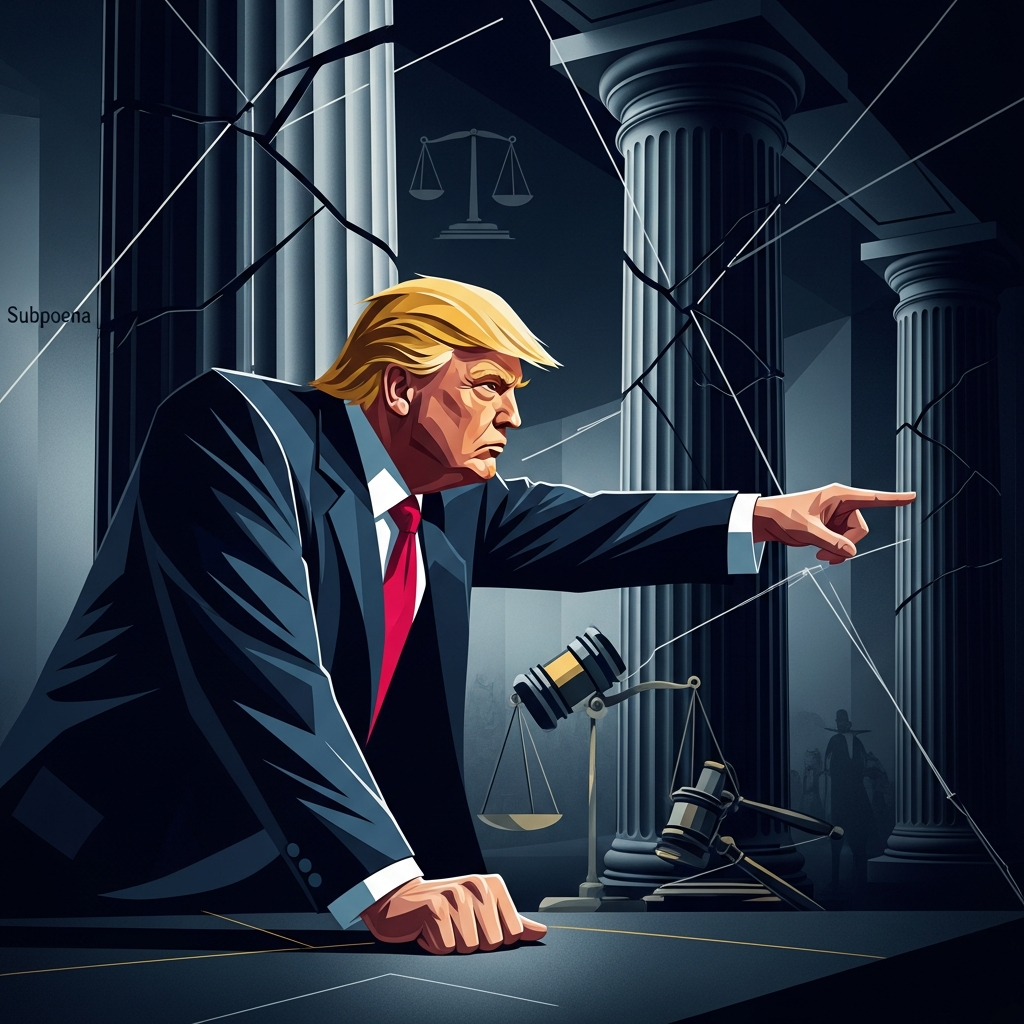
Former President Donald Trump has initiated a significant legal battle, filing a $5 billion lawsuit against JPMorgan Chase, the nation’s largest bank, and its prominent CEO, Jamie Dimon. This high-profile action centers on allegations that Trump and his affiliated entities were “debanked”—meaning their bank accounts were abruptly closed—for purely political reasons following the events of January 6, 2021. The suit claims severe financial and reputational harm, arguing the bank’s actions were driven by “unsubstantiated, ‘woke’ beliefs” rather than legitimate financial concerns. This legal challenge spotlights an intensifying debate around political discrimination within the financial sector and the complex relationship between powerful figures and major institutions.
The Heart of the Trump JPMorgan Lawsuit
Filed in a Florida court, Trump’s lawsuit against JPMorgan Chase alleges the bank unilaterally terminated several of his accounts in February 2021. According to the complaint, this decision came with only 60 days’ notice and without adequate explanation, significantly disrupting business operations and forcing an urgent search for alternative banking services. Trump’s legal team asserts that JPMorgan’s move was a “systemic, subversive industry practice” intended to influence public political views and distance itself from Trump and his conservative stance. The lawsuit specifically cites trade libel and a violation of Florida’s Unfair and Deceptive Trade Practices Act, claiming JPMorgan placed Trump and his businesses on a “blacklist” shared among banks.
JPMorgan Chase, however, firmly refutes these allegations, stating the lawsuit “has no merit.” The bank maintains a clear policy: accounts are not closed for political or religious reasons. Instead, JPMC clarifies that account closures occur when they “create legal or regulatory risk for the company.” This defense points to an institution’s obligation to adhere to strict rules and regulatory expectations, including those related to Know Your Customer (KYC) and Anti-Money Laundering (AML) protocols. The bank’s stock saw only a slight dip before recovering after initial reports, reflecting investor confidence in its position.
Jamie Dimon: A Complex Relationship with Trump
The legal confrontation also brings JPMorgan CEO Jamie Dimon directly into the spotlight. Dimon, a highly influential figure in global finance, has had a volatile relationship with Trump. While Trump once reportedly considered Dimon for Federal Reserve chair, public disagreements between the two have been frequent. Dimon has been outspoken against certain Trump proposals, notably a cap on credit card interest rates at 10%, which he labeled an “economic disaster.” He has also criticized Trump’s posture toward the Federal Reserve’s independence and his immigration policies. Despite these public clashes, Dimon was reportedly seen attending a cocktail party hosted by Trump hours after his criticism of the credit card cap, underscoring a complex, often transactional dynamic.
The lawsuit further alleges that Trump personally raised the issue of account closures with Dimon, who, according to Trump’s complaint, assured an investigation but then failed to follow up. This personal dimension adds another layer to what is already a contentious legal and political dispute, highlighting the high stakes for both the former president and one of the world’s most powerful financial leaders.
Broader Debanking Allegations and Regulatory Scrutiny
The lawsuit extends beyond a simple financial dispute, tapping into a broader, politically charged issue known as “debanking.” For years, conservative figures and certain industries, like cryptocurrency firms, have claimed that U.S. banks deny them services due to their political leanings or business activities. This concern gained national attention previously with “Operation Choke Point,” an initiative under the Obama administration that critics alleged pressured banks to deny services to specific businesses.
In response to these concerns, the Trump administration during its term took steps to prevent “politicized or unlawful debanking” decisions. More recently, federal banking regulators have reviewed rules with the stated goal of “depoliticizing the banking system,” acknowledging that some banks have made “inappropriate distinctions” among customers based on their business activities. Industries such as oil and gas, private prisons, and adult entertainment have reportedly faced restricted access to banking services. This regulatory landscape forms a critical backdrop to Trump’s lawsuit, as it aims to challenge what he perceives as a systemic problem rather than an isolated incident.
The Role of Legal Precedent and Strategy
Trump’s legal team, led by attorney Alejandro Brito, has a history of pursuing high-profile, aggressive lawsuits. Brito has handled other notable cases for Trump, including actions against The Wall Street Journal, The New York Times, and the BBC, often focusing on defamation claims. These past legal battles, some of which have faced challenges in court or been dismissed, illustrate a pattern where the goal might often be to force settlements or exert pressure rather than to secure outright victories through trial.
The current lawsuit against JPMorgan Chase represents another instance of this strategy. The original content and external summaries suggest that the point of these lawsuits is not always to win, but to make companies “cower” and pay settlements. However, facing a financial titan like JPMorgan, with its vast legal resources, presents a formidable challenge. The bank’s argument that it closes accounts based on “legal or regulatory risk” is a strong defense, especially given Trump’s multiple post-presidency indictments and ongoing legal entanglements, which banks could reasonably factor into their risk assessments under KYC and AML obligations. Proving “wokeness” as the sole or primary motivator for an account closure, as opposed to legitimate risk mitigation, will be a significant hurdle for Trump’s legal team.
The Implications for Financial Institutions and Political Figures
This lawsuit carries significant implications for both financial institutions and prominent political figures. For banks, it highlights the delicate balance between managing reputational and regulatory risks and avoiding accusations of political bias. The financial industry is under constant scrutiny to ensure fair access to services, irrespective of political affiliation, while simultaneously complying with anti-money laundering and counter-terrorism financing regulations. Decisions to close accounts, particularly for high-profile individuals, must be rigorously documented and justifiable to withstand legal challenges.
For political figures, the case underscores the challenges of navigating the financial system, especially when facing legal or public relations controversies. The concept of “debanking” resonates with many conservatives who feel marginalized by mainstream institutions. A victory for Trump, even if only a settlement, could embolden others to pursue similar claims, potentially increasing the legal burden and scrutiny on banks regarding their account management policies. Conversely, if JPMorgan successfully defends its position, it could reinforce banks’ autonomy in managing risk and customer relationships within regulatory frameworks. The outcome of this Trump JPMorgan lawsuit could set important precedents for how political exposure is weighed against financial stability and regulatory compliance in the future.
Frequently Asked Questions
What are the core allegations in Trump’s lawsuit against JPMorgan Chase?
Donald Trump’s lawsuit against JPMorgan Chase and CEO Jamie Dimon alleges that the bank illegally closed his and his businesses’ accounts in February 2021, just after he left office. He claims this “debanking” was for political reasons, driven by “unsubstantiated, ‘woke’ beliefs” to distance the bank from him and his conservative views. The lawsuit seeks at least $5 billion in damages and accuses JPMorgan of trade libel, alleging a “blacklist” was used against him, causing significant financial and reputational harm. JPMorgan denies these claims, stating it closes accounts due to legal or regulatory risk, not political bias.
How does the Trump v. JPMorgan lawsuit connect to the broader ‘debanking’ debate?
This lawsuit is a high-profile example within the larger “debanking” debate, where conservatives and certain industries allege financial institutions deny services due to political leanings. This issue gained attention with “Operation Choke Point” and continues to be a point of contention. Trump’s suit contributes to calls for federal bank regulators to investigate “politicized or unlawful debanking” decisions, highlighting concerns about banks potentially overusing reputational risk-management tools. The outcome could influence regulatory guidelines and how financial institutions balance risk management with accusations of political discrimination.
What legal challenges might Trump face in proving ‘political discrimination’ by JPMorgan?
Trump faces significant legal hurdles in proving JPMorgan Chase closed his accounts due to “political discrimination” or “wokeness.” Banks typically have the right to refuse service to customers who pose a legal or regulatory risk. Given Trump’s numerous post-presidency indictments and ongoing legal issues, JPMorgan can argue its decision was based on legitimate financial and regulatory risk assessments, as they are obligated to comply with Know Your Customer (KYC) and Anti-Money Laundering (AML) regulations. Proving that the bank’s “political and social motivations” superseded these legitimate business concerns will be a complex evidentiary challenge.
The ultimate resolution of this Trump JPMorgan lawsuit will be closely watched, not just for its financial implications but for its potential to reshape the delicate balance between corporate governance, regulatory compliance, and the public perception of political neutrality in the banking sector. As the legal process unfolds, the arguments from both sides will continue to fuel public and political discourse on the ethical responsibilities of financial giants.