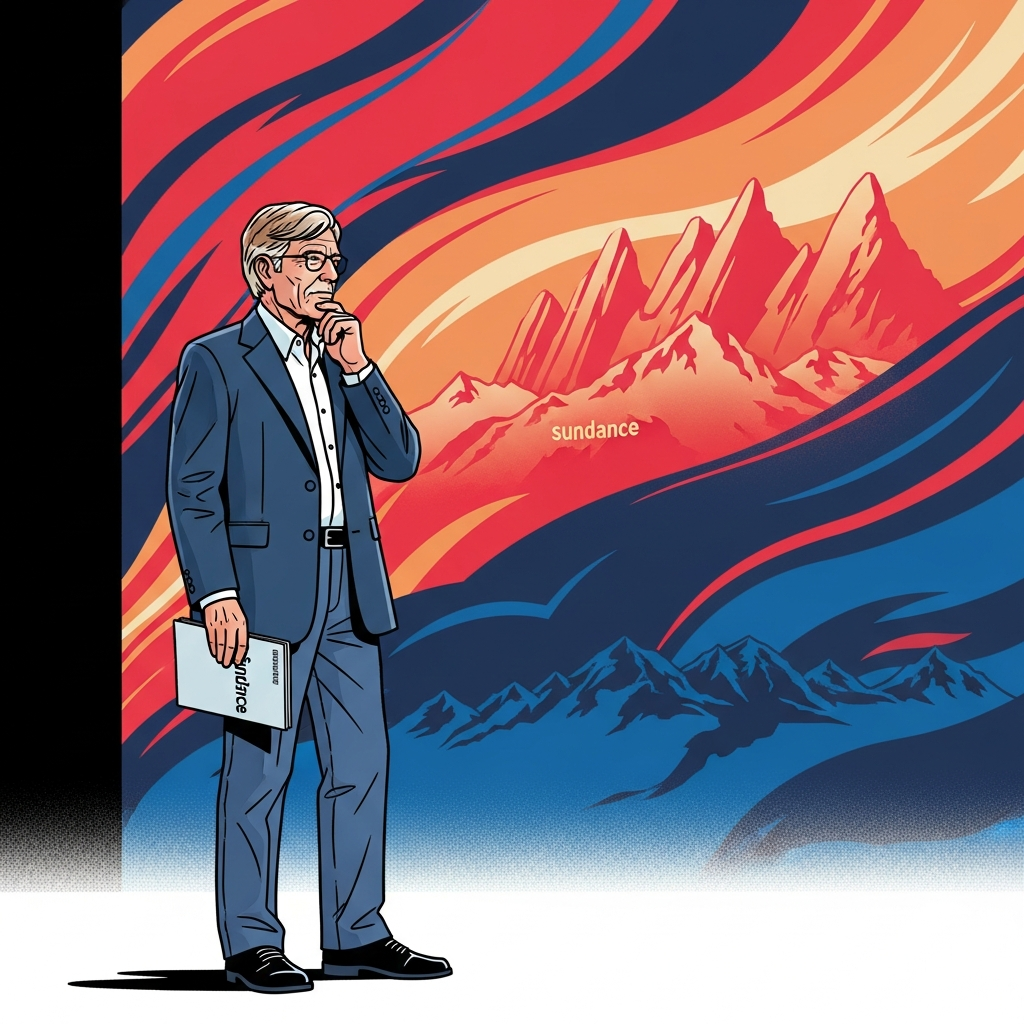
The Sundance Film Festival, a cornerstone of independent cinema, stands on the cusp of a significant transformation. Recent announcements from its leadership confirm that while the iconic festival itself will embark on a new chapter in Boulder, Colorado, starting in 2027, the heart and soul of the Sundance Institute—its year-round artist development programs and creative nucleus—will proudly remain rooted in Utah. This strategic evolution promises to honor founder Robert Redford’s enduring vision while embracing a future of expanded reach and opportunity for independent storytellers globally.
The Groundbreaking Announcement: Sundance’s Boulder Chapter
Amy Redford, a distinguished member of the Sundance Institute’s Board of Trustees and daughter of its visionary founder, delivered the pivotal news. Addressing a gathering of international press, she clarified that only the 2027 Sundance Film Festival will relocate to Boulder, Colorado. This marks a “new iteration,” one she anticipates will be both “exciting” and potentially “imperfect,” echoing the humble beginnings of the festival over four decades ago. Crucially, Redford emphasized that “much of the creative nucleus” of the Sundance Institute will continue to thrive in Utah. The original Sundance Mountain Resort, once the festival’s literal nucleus, will still house vital institute operations.
Her presentation began with a poignant acknowledgment of recent shifts, including the festival’s upcoming move and the recent passing of her father, Robert Redford, on September 16th. “Kicking this off is a privilege, and it also comes with mixed emotions,” she stated, reflecting on a narrative of “beginnings and endings.” This emotional backdrop underscored a commitment to grounding Sundance’s next chapter in the foundational values Robert Redford articulated decades ago: fostering a vital space and platform for independent voices.
Honoring a Vision: Robert Redford’s Enduring Legacy
The core mission of the Sundance Film Festival has always been to champion independent artists. Amy Redford fondly recalled how Park City, Utah, and its majestic mountains provided the perfect “bedrock” for this vision to flourish. These landscapes, she noted, offer a unique perspective, enabling the Institute to build a robust ecosystem for creative development.
The festival’s current theme, “Everyone Has a Story,” directly echoes the philosophy of its founder. Robert Redford believed passionately in the power of individual narratives. Amy Redford proudly asserted that her father was “one of the few who did something about it,” actively creating avenues for unheard voices to emerge. This dedication to authentic storytelling remains a guiding principle, ensuring the Sundance Institute’s mission continues its profound impact.
Beyond the Festival: The Sundance Institute’s Year-Round Impact
While the annual festival captures global attention, it represents only a fraction of the Sundance Institute’s extensive work. At its heart are the signature lab programs, providing vital workshops, mentorships, and grants to filmmakers, composers, and other artists. These initiatives are designed to help creatives hone their skills and navigate the often “much-too-narrow barrier of entry” into the film industry.
These labs are more than just training grounds; they are crucibles for future talent. Amy Redford described them as a “sneak peek” at the artists who might one day grace the Eccles Theatre stage, or even the Oscar stage. This year-round investment in artistic development is indispensable, nurturing the very talent that eventually populates the festival’s screens. The commitment to these programs underscores the Institute’s unwavering dedication to fostering independent artistic growth.
A Nurturing Ecosystem: Numbers and Names
Michelle Satter, the founding senior director of Artist Programs at the Sundance Institute, further illuminated the sheer scale of this artist support. In the past year alone, the Institute’s labs, grants, fellowships, and intensives supported over 1,500 artists. Beyond these direct programs, the digital arm, Sundance Institute’s Collab, reached over 100,000 emerging artists worldwide. It offers change-making workshops, artist conversations, and courses, making essential resources accessible globally.
Satter also highlighted an impressive roster of celebrated filmmakers who began their journeys or developed early features through Sundance labs. This illustrious list includes Lulu Wang, Siân Heder, Wes Anderson, Darren Aronofsky, Miranda July, James Mangold, Ira Sachs, Quentin Tarantino, Charlotte Wells, and Guillermo del Toro. First-feature artists nurtured by Sundance include P.T. Anderson, Ryan Coogler, Chloé Zhao, and Nia DaCosta. This formidable list demonstrates the Institute’s powerful track record in identifying and cultivating groundbreaking talent.
Gratitude and the Road Ahead: Leadership Perspectives
The pre-festival gathering also served as an opportunity for Sundance leadership to express profound gratitude. Amy Redford extended heartfelt thanks to Park City and its residents for their four decades of support, praising their generosity in “lending their town and time to this crazy idea.” She also acknowledged government officials, festival volunteers, and dedicated staff, including Eugene Hernandez, Kim Yutani, and John Nein, calling them the “behind-the-scenes magicians” who keep the founder’s vision alive.
Sundance Film Festival Director Eugene Hernandez reiterated the festival’s unwavering mission, regardless of its location. He recognized the press for their crucial role in bringing the festival “to life” for independent film lovers worldwide. Kim Yutani, Director of Programming, shared a vivid, personal anecdote from her first Sundance experience in 1995. It was a “life-changing experience” that profoundly shaped her connection to independent cinema. John Nein provided insights into the festival’s legacy programming, ensuring the historical context remains vibrant.
The Institute’s Critical Role in a Changing World
Ebs Burnough, Board Chair of the Sundance Institute, provided a broader perspective on the Institute’s global significance. He stressed that the 11-day festival is merely “only a part” of the Institute’s continuous, year-round commitment to discovering, nurturing, and investing in independent artists. As a nonprofit arts organization, he asserted, its work is “more critical than ever” in today’s complex world.
Burnough emphasized the Institute’s pivotal role in providing artists with breakout moments and the mentorship to refine their craft. He noted that artists who launch their careers at Sundance continue to “shape storytelling, independent cinema and our collective culture.” In a fragmented world, the “empathy, inspiration and new perspectives” these independent stories provide are not just valuable, but essential.
Frequently Asked Questions
What specifically is moving to Boulder, Colorado, and when will this change occur?
Only the annual Sundance Film Festival will be relocating to Boulder, Colorado, starting with the 2027 edition. This marks a new geographic home for the festival’s main events, but it’s important to note that the broader Sundance Institute and its core creative operations will maintain their base in Utah. This distinction highlights a strategic evolution rather than a complete departure from its origins.
How does the Sundance Institute continue to support independent artists year-round despite the festival’s move?
The Sundance Institute operates extensive year-round artist development programs independently of the festival’s location. These include signature labs offering workshops, mentorships, and grants to filmmakers, composers, and other artists. In the past year, over 1,500 artists benefited from these programs, with an additional 100,000 emerging artists accessing resources through Sundance Institute’s Collab, its digital platform. This continuous support ensures a vibrant pipeline of new talent.
What impact will the move to Boulder have on the Sundance Film Festival’s core mission and identity?
Sundance leadership affirms that the move will not alter the festival’s core mission of championing independent voices and groundbreaking storytelling. Amy Redford described it as a “new iteration” that may feel imperfect, much like its early days, but aims to refresh and expand the festival’s reach. The enduring values articulated by Robert Redford—creating a platform for independent voices—will remain the guiding principle, ensuring the festival’s identity as a hub for innovative cinema persists.
The Unfolding Chapter of Independent Cinema
The forthcoming relocation of the Sundance Film Festival to Boulder marks a new chapter in its storied history. While geographic coordinates may shift for the main event, the unwavering commitment to Robert Redford’s foundational vision of supporting independent artists remains steadfast. The robust year-round programs of the Sundance Institute will continue to nurture creative talent from its Utah base, ensuring that the next generation of cinematic voices finds its platform. This evolution underscores a dynamic future for independent cinema, promising continued innovation, empathy, and crucial new perspectives for audiences worldwide. The mission of the Sundance Film Festival endures, ready to inspire and challenge from its new festival home.