A significant shake-up has hit the Federal Bureau of Investigation’s Minneapolis field office, as a high-ranking supervisor has reportedly resigned under pressure. This abrupt departure centers on an escalating controversy surrounding the federal investigation into the fatal shooting of Renee Good by an Immigration and Customs Enforcement (ICE) officer. The incident, and the subsequent directives from Justice Department leadership, have sparked widespread debate about accountability and the integrity of federal probes. This article delves into the details of the resignation, the contentious investigation, and the broader implications for law enforcement oversight in Minnesota.
The Shocking Resignation Unfolds in Minneapolis
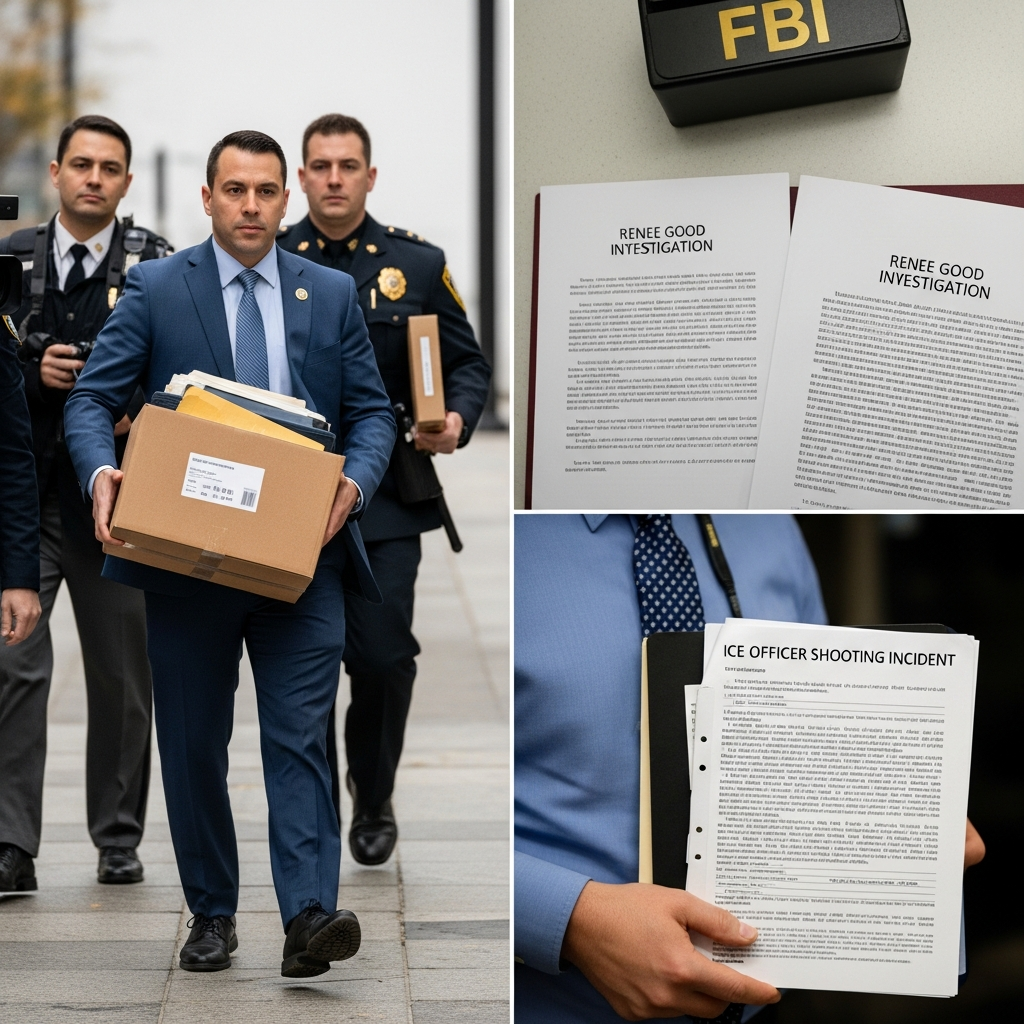
Tracee Mergen, who served as the acting FBI supervisor of the Public Corruption Squad in the Minneapolis field office, submitted her resignation last week. Multiple sources indicate her decision was primarily driven by immense pressure to either reclassify or entirely discontinue the investigation into Renee Good’s shooting. According to one FBI insider, Mergen explicitly “would not bow to pressure” from federal leadership regarding the probe. Her squad, responsible for both public corruption and civil rights cases, found itself at the heart of this intensely scrutinized incident. Mergen’s principled stance and subsequent departure underscore a pattern of internal dissent within federal agencies.
Renee Good Shooting: A Controversial Investigative Shift
Renee Good, a 37-year-old U.S. citizen and mother, was tragically killed on January 7 by ICE Officer Jonathan Ross while in her SUV. The incident immediately ignited public outcry and protests, drawing sharp criticism against federal immigration operations in Minneapolis. Initially, the FBI treated Good’s death as a civil rights investigation, a standard protocol for incidents involving federal officers’ use of deadly force.
However, this initial approach was soon overridden. Justice Department leadership reportedly intervened, ordering the FBI and prosecutors to redefine the incident as an “assault on a federal officer.” Furthermore, the DOJ instructed investigators to focus on Good’s wife or partner, investigating whether they impeded a federal officer in the moments leading up to the shooting. This directive starkly contradicted the original investigative path. An FBI spokesman, Ben Williamson, later stated that “The facts on the ground do not support a civil rights investigation,” affirming the bureau’s new official stance. The Minnesota Bureau of Criminal Apprehension was also notably excluded from the ongoing investigation, further fueling concerns about transparency.
Broader Pressure on Federal Probes
The pressure on Mergen and her team wasn’t isolated to the Renee Good case. Her public corruption squad was simultaneously grappling with external demands concerning another high-profile matter: the “Feeding Our Future” fraud scheme. This Minnesota nonprofit is at the center of what prosecutors describe as the nation’s largest COVID-era fraud. Deputy Attorney General Todd Blanche’s office reportedly pressed the FBI squad to investigate potential links between the benefits fraud and illicit campaign finance contributions. However, FBI officials informed Blanche’s office they had reviewed contributions and found no evidence to support such a connection, highlighting another instance of leadership pushing for specific investigative outcomes despite internal findings.
Wider Implications: Resignations, Protests, and Political Fallout
The contentious handling of the Renee Good investigation has had far-reaching consequences beyond Mergen’s resignation. At least six federal prosecutors from the U.S. attorney’s office in Minnesota also resigned earlier, citing similar concerns about the probe’s direction. This series of resignations points to a deep-seated dispute over federal investigative priorities and the appropriate scrutiny of law enforcement actions.
Public figures in Minnesota have voiced strong disapproval. Governor Tim Walz and Minneapolis Mayor Jacob Frey publicly called for an end to federal immigration operations within the state following the shooting. In a development that many view as politically charged, the Justice Department is reportedly investigating both Walz and Frey for allegedly conspiring to impede federal immigration agents through their public statements. Both officials have dismissed these inquiries as politically motivated attempts at intimidation. The tension further manifested in judicial pushback, with federal magistrate judges denying motions by the Trump administration to detain protesters arrested during a demonstration at a St. Paul church, finding insufficient probable cause for charges.
Public and Political Scrutiny Mounts
Online reactions to Mergen’s resignation and the broader handling of the Renee Good case have been diverse and passionate. Some, like California Democratic Congressman Sam Liccardo, praised Mergen for her “courage and her commitment to her convictions,” viewing her departure as a testament to integrity. Conversely, others, including Jeremy Redfern, a Republican political staffer, saw it as a “win for the American people.” Critics, including former White House ethics lawyer Richard W. Painter and X users, condemned FBI leadership as “corrupt partisan hacks” and accused federal authorities of a “cover up,” demanding accountability for Officer Jonathan Ross. Former President Donald Trump notably defended Officer Ross, claiming the shooting was self-defense, a assertion Mayor Frey swiftly dismissed as “bulls*.”
The varied responses highlight a stark division in public trust and expectations for federal law enforcement, particularly concerning civil rights and accountability for use of force. The controversy continues to raise questions about whether federal authorities will eventually revisit a civil rights investigation into Renee Good’s fatal shooting.
Frequently Asked Questions
What led to FBI Agent Tracee Mergen’s resignation in Minneapolis?
FBI supervisor Tracee Mergen resigned primarily due to intense pressure from Justice Department leadership to either reclassify or discontinue the investigation into the fatal shooting of Renee Good by an ICE officer. Initially a civil rights inquiry, the investigation was reportedly ordered to shift focus to “assault on a federal officer” and to investigate Good’s partner, a directive Mergen reportedly resisted. Her squad also faced pressure on a separate “Feeding Our Future” fraud investigation, though Mergen’s departure was specifically tied to the Good probe.
How did the Renee Good shooting investigation’s focus change, and who was affected?
The investigation into Renee Good’s shooting by ICE Officer Jonathan Ross initially began as a civil rights inquiry. However, Justice Department leadership intervened, mandating a reclassification to an “assault on a federal officer” case and directing scrutiny towards Good’s wife or partner. This change effectively shifted focus away from the ICE officer’s actions. The Minnesota Bureau of Criminal Apprehension was excluded, and several federal prosecutors also resigned over concerns about this altered investigative direction, indicating a broad impact on the judicial and law enforcement community in Minnesota.
What are the broader implications for federal oversight and civil rights in Minnesota?
The events surrounding Tracee Mergen’s resignation and the Renee Good investigation underscore significant concerns about federal oversight and civil rights. The reported pressure to alter investigations, the resignations of multiple federal officials, and the Justice Department’s reported investigations into Minnesota Governor Walz and Mayor Frey for their public statements suggest a potential politicization of federal law enforcement actions. These incidents raise critical questions about transparency, the independence of investigations, and the protection of civil rights in cases involving federal agents’ use of force.
Upholding Integrity in Federal Investigations
The resignation of an FBI supervisor under such contentious circumstances serves as a powerful reminder of the delicate balance required in federal investigations. Mergen’s reported refusal to compromise the integrity of a civil rights inquiry, despite immense pressure, speaks volumes about the challenges faced by those tasked with upholding justice. The events in Minneapolis highlight the crucial need for transparent processes, unwavering accountability, and leadership committed to impartial application of the law. As the debate continues, the public, local officials, and legal experts will undoubtedly watch for signals that justice will ultimately prevail, irrespective of political pressures.