The digital landscape is constantly evolving, and late 2025 marked a significant leap forward in how we interact with artificial intelligence. OpenAI, the developer behind ChatGPT, unveiled a groundbreaking “Apps beta” and an accompanying app directory. This initiative fundamentally transforms the ChatGPT experience, moving it beyond mere conversation to become a central hub for countless digital tasks. Imagine connecting directly with your favorite services without ever leaving the AI chatbot interface – that future is now here.
Beyond the Chat Window: What are ChatGPT Apps?
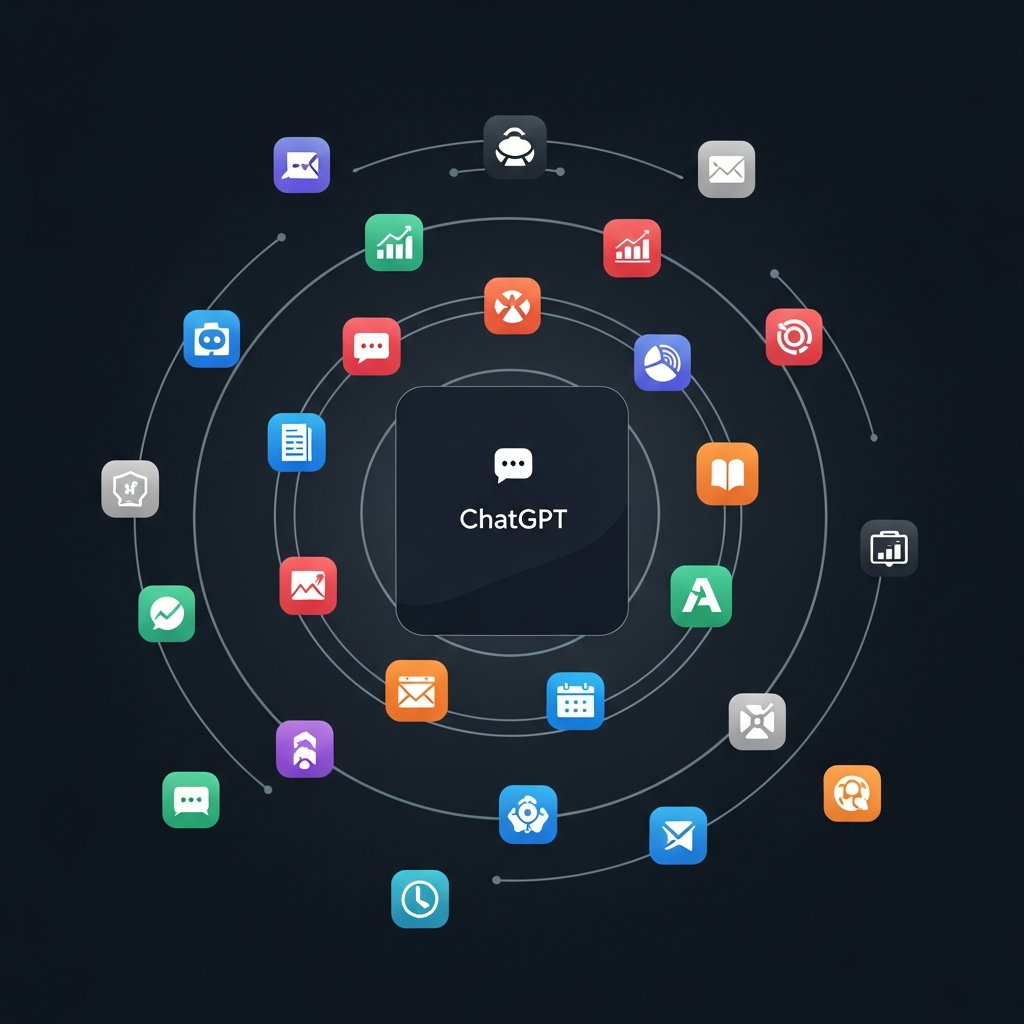
At its core, the ChatGPT Apps beta introduces a seamless way to integrate third-party services directly into your AI conversations. While often compared to an “app store,” OpenAI clarified it currently functions as an “app directory.” This distinction highlights its role as a curated gateway, allowing users to discover and connect popular tools like Spotify or Zillow within the OpenAI platform. The goal is to create “chat-native experiences” that bring context and action directly into your ongoing dialogues with ChatGPT.
The innovation centers on convenience. Users can now access connected apps easily during a conversation, typically using a simple “@” command. This allows the AI to suggest relevant tools or for users to invoke them on demand. For instance, if you’re discussing design ideas, linking Adobe Photoshop to your account enables ChatGPT to utilize Photoshop tools for image requests. Surprisingly, this functionality can even work if you don’t possess an existing Photoshop account, streamlining creative workflows significantly. OpenAI’s vision is clear: to empower users to take direct action – whether ordering groceries, transforming outlines into slide decks, or searching for a new home – all within the conversational AI environment.
The Power of Direct Integration: Seamless AI Workflows
This direct integration ushers in a new era of end-to-end task completion. Users can now transition from planning to purchasing, or from ideation to action, without the traditional friction of switching tabs, copying information, or opening multiple applications. ChatGPT, with user permission, can read relevant parts of your conversation to orchestrate actions on your behalf. This intelligent handoff process eliminates the manual steps that often interrupt digital workflows, making interactions more fluid and efficient.
For everyday users, this means enhanced context. The AI assistant gains a deeper understanding of your needs when it can access information from linked services. When you ask for a dinner recipe, the system can immediately understand the ingredients needed. If you’re planning a trip, it instantly grasps your travel preferences. This enriched context leads to more precise, helpful, and personalized responses, elevating ChatGPT from a conversational tool to a genuinely proactive digital assistant.
Developer Ecosystem: Building the Future of Conversational AI
Beyond empowering users, OpenAI’s Apps beta represents a significant stride in fostering a robust developer ecosystem. The company has released an Apps SDK (Software Development Kit) in beta, inviting developers to build tailored, chat-first experiences. This SDK allows creators to embed context and actionable capabilities directly into ChatGPT conversations, unlocking new frontiers for application design.
This strategic move opens up substantial opportunities for developers to reach a broader user base and innovate within the AI platform. While currently an “app directory,” OpenAI’s “Looking Ahead” section in its announcement hints at future expansion. The company notes that this tool could eventually “expand the ways developers can reach users and monetize their work.” This suggests a potential evolution towards a more comprehensive marketplace, where developers could acquire new users and generate revenue within the ChatGPT ecosystem, potentially challenging traditional app store models.
Eight Pioneering Integrations to Explore Right Now
The initial launch includes a compelling selection of eight major applications, demonstrating the vast potential of ChatGPT integrations. These services span music, food delivery, travel, shopping, and real estate, showcasing how the AI can weave itself into nearly every aspect of daily digital life.
1. Spotify & Apple Music: Your AI DJ
Imagine talking to ChatGPT about your workout routine or dinner party plans, and having it instantly queue up the perfect soundtrack. With Spotify and Apple Music integrations, ChatGPT acts as your personal AI DJ. It can recommend and play music tailored precisely to your mood, activity, or event, making your long run more energetic or your dinner party more ambient. Spotify alone boasts over 600 million monthly users, making this a pivotal integration for seamless music discovery and playback.
2. DoorDash & Instacart: From Recipe to Reality
If you’re using ChatGPT to brainstorm new recipes or meal plans, DoorDash and Instacart integrations revolutionize the cooking process. The AI can process ingredient lists and cooking requirements, then seamlessly translate them into an order for exact ingredients. Whether it’s a quick meal via DoorDash, which holds a majority share of the U.S. meal delivery market, or a larger grocery haul from Instacart, these integrations collapse discovery, list-making, and booking into a single conversational flow, delivering convenience right to your door.
3. Tripadvisor & Expedia/Booking.com: Your AI Travel Agent
Planning a vacation can be complex, but ChatGPT with Tripadvisor, Expedia, and Booking.com integrations simplifies the journey. Users can explore destinations, compare hotels, activities, and neighborhoods with ChatGPT’s guidance. Once your preferences are clear, you can then book reservations, flights, or accommodations directly through these services within the OpenAI platform. Services like Journyo leverage Tripadvisor’s hundreds of millions of monthly visitors, while Booking Holdings’ track record of over a billion room nights booked showcases the immense demand this integration addresses.
4. Target: Smart Shopping, Simplified
For product recommendations and retail therapy, the Target integration proves incredibly powerful. If ChatGPT suggests a product – perhaps comparing strollers or dorm accessories – you can add it directly to your cart and proceed to checkout via Target. This streamlines the shopping experience, catering to both planned purchases and spontaneous impulse buys, effectively bridging the gap between AI recommendation and direct retail action.
5. Zillow: Navigating Your Next Home with AI
Finding the perfect place to live is notoriously challenging. The Zillow integration empowers ChatGPT to assist with apartment and home searches. Users can narrow down criteria, surface listings, view photos, schedule tours, and even share options with roommates, all without leaving the chat interface. Leveraging Zillow’s large audience reach, this integration makes the complex process of real estate discovery and engagement significantly more manageable and efficient.
The Road Ahead: ChatGPT as an Operating System?
The launch of the ChatGPT Apps beta represents a pivotal moment, signaling OpenAI’s ambition to evolve its AI chatbot into a more comprehensive operating system for daily life. By making conversation the “homepage” and presenting services contextually, only when relevant, ChatGPT aims to reduce friction in user interactions. This strategic shift could significantly increase user conversion and retention for integrated services, as the AI suggests the right app at the opportune moment – be it music for a mood or groceries for a menu.
This initiative also raises questions about competition with traditional app stores like those from Google and Apple. While currently an “app directory,” the hints at future developer monetization suggest a potential evolution towards a more robust marketplace. OpenAI emphasizes transparency in privacy: apps only access necessary conversational snippets, and users retain control by reviewing shared data before it is sent. This focus on consumer trust will be crucial as transactional use cases expand. For developers, this represents a new frontier with promises of chat-native user experiences, serverless actions, and novel methods for user acquisition.
Frequently Asked Questions
What is the difference between ChatGPT Apps beta and a traditional app store?
The ChatGPT Apps beta, launched in late 2025, is primarily an “app directory” rather than a full-fledged “app store.” It allows users to connect with and utilize third-party services directly within ChatGPT conversations. Unlike traditional app stores that host and distribute standalone applications, this system integrates functionalities into the chatbot interface, enabling “chat-native experiences.” While OpenAI hints at future monetization capabilities for developers, its current focus is on seamless integration and streamlining workflows, not acting as a direct competitor for app distribution.
How do I access and use third-party apps within ChatGPT?
To access and use third-party apps, you first connect the desired services in the ChatGPT app directory, found at chatgpt.com/apps. Once connected, you can invoke these tools during your conversations by using the “@” command followed by the app name (e.g., “@Spotify” or “@Zillow”). ChatGPT will then orchestrate the interaction, passing relevant conversational context to the app (with your explicit permission) and allowing you to take actions like playing music, ordering groceries, or scheduling tours directly within the chat window.
Which of the initial ChatGPT app integrations are most beneficial for daily tasks?
The initial eight integrations launched in late 2025 offer diverse benefits for daily tasks. For productivity and convenience, DoorDash and Instacart are excellent for meal planning and grocery delivery. For travel, Tripadvisor, Expedia, and Booking.com streamline vacation research and booking. Spotify and Apple Music enhance entertainment by curating music based on your mood or activities. Target simplifies online shopping by allowing direct purchases of recommended products, and Zillow is invaluable for managing apartment or home searches. The “most beneficial” depends on your individual daily needs.
Conclusion
The launch of ChatGPT Apps beta signals a profound shift in the utility of conversational AI. By seamlessly integrating powerful third-party services directly into the chat interface, OpenAI has created a more dynamic, actionable, and indispensable AI assistant. This innovation streamlines daily tasks, empowers developers, and hints at a future where AI becomes a central operating system for our digital lives. As more apps are integrated and the ecosystem matures, ChatGPT is poised to redefine how we interact with technology, making our digital experiences more efficient and connected than ever before. We encourage you to visit the ChatGPT app directory today and explore these pioneering integrations firsthand.