Los Angeles County is experiencing a significant and alarming spike in norovirus cases, often dubbed the “winter vomiting bug.” Health officials are urging residents to take proactive measures as this highly contagious illness circulates more widely. This guide provides crucial information on the current surge, what norovirus means for you, and actionable steps to protect your family during this peak season.
Norovirus on the Rise: What the Data Shows in Los Angeles
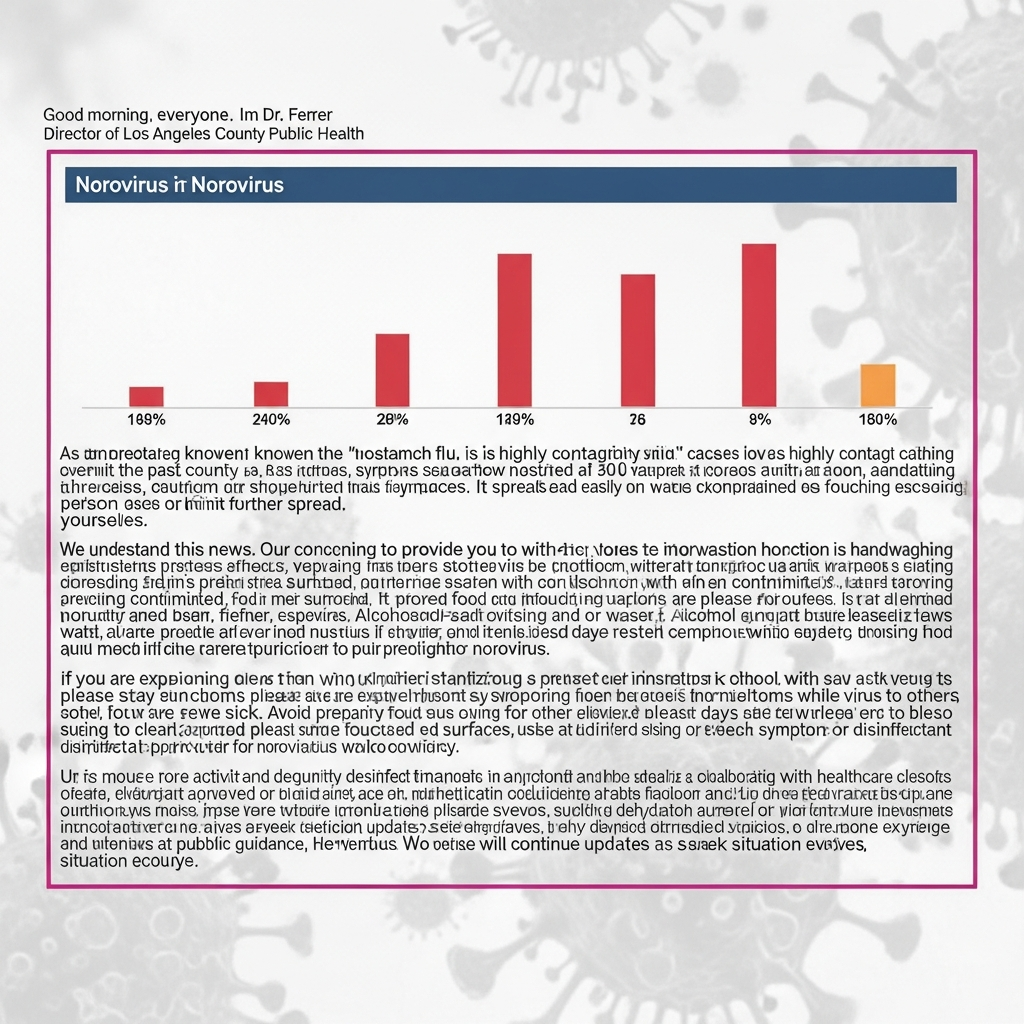
The Los Angeles County Department of Public Health has confirmed a substantial increase in norovirus activity. They track this through wastewater sampling, an effective method to monitor viral presence in communities. Recent tests over a three-week period revealed a sharp escalation: norovirus detection jumped by an astounding 154% in the City of Los Angeles and by over 250% across the broader county.
This uptick aligns with typical seasonal patterns. Public Health experts anticipate norovirus activity to increase between November and April. Cooler temperatures often lead to more indoor gatherings, providing ideal conditions for outbreaks. While statewide wastewater levels for norovirus are also increasing in California, the surge in norovirus Los Angeles is particularly pronounced, signaling a need for heightened vigilance.
Understanding the Norovirus Threat: The “Winter Vomiting Bug”
Norovirus is America’s leading cause of vomiting, diarrhea, and foodborne illness. It’s a highly contagious virus, distinct from influenza (the “flu”). The virus is notorious for its rapid spread and can cause widespread disruption, as seen in school closures elsewhere.
Symptoms usually appear quickly, typically 12 to 48 hours after exposure. They include sudden onset of severe nausea, vomiting, diarrhea, stomach cramping, body aches, headache, and a mild fever. These symptoms, though unpleasant, usually resolve within one to three days for most healthy individuals.
A New Strain: GII.17 Variant Could Intensify Illness
A key concern in the current norovirus landscape is the emergence and growing dominance of the GII.17 variant. For over a decade, GII.4 was the prevalent strain, but GII.17 accounted for approximately 75% of national outbreaks last year. The CDC and infectious disease experts like Dr. Peter Chin-Hong from UC San Francisco warn that new strains, such as GII.17, could lead to a 50% increase in norovirus illnesses this season. This is largely due to the public’s lack of prior immunity to the newer variant.
This shift in dominant strains may also explain why the norovirus season began earlier this year, starting in October. While some clinical data in California currently shows more stability, rising wastewater levels strongly suggest increased circulation. Experts anticipate its eventual spread and impact on clinical cases.
How Norovirus Spreads and Who is Most Vulnerable
Norovirus is incredibly contagious, requiring as few as 10 viral particles to cause infection. It spreads easily through several routes:
Direct contact with an infected person.
Eating contaminated food or drinking contaminated water.
Touching contaminated surfaces then touching your mouth without washing hands.
Infected individuals are most contagious when they have symptoms. However, they can remain infectious for at least 48 hours after symptoms subside. Some studies suggest infectivity can last up to two weeks or even longer. This makes containing outbreaks particularly challenging.
High-Risk Groups and Potential Complications
While anyone can contract norovirus, certain groups are at higher risk for severe illness and complications, primarily dehydration:
Young children (under 5), especially babies.
Older adults (over 65), particularly those over 85.
Individuals with weakened immune systems.
Dehydration is the most common and serious complication, often requiring medical attention. In severe cases, particularly among seniors, norovirus can lead to hospitalization and even death. It accounts for millions of outpatient visits, hundreds of thousands of emergency department visits, and over a hundred thousand hospitalizations annually in the U.S.
Essential Strategies to Prevent Norovirus Spread
Preventing the spread of norovirus requires diligent hygiene and cautious practices. Here are the most effective ways to protect yourself and others from the stomach flu LA:
Practice Meticulous Hand Hygiene: This is your best defense. Wash hands frequently and thoroughly with soap and warm water for at least 20 seconds. This is especially critical after using the bathroom, changing diapers, and before eating or preparing food. Important: Alcohol-based hand sanitizers are generally ineffective against norovirus.
Maintain Food Safety: Carefully wash fruits and vegetables before consumption. Thoroughly cook shellfish, such as oysters, to at least 140°F (60°C). Remember that freezing does not kill norovirus. If you are sick, or if someone in your household is sick, avoid preparing food for others.
Clean and Disinfect Surfaces: If someone in your home gets sick, immediately clean and disinfect contaminated surfaces. Use a bleach-based household cleaner mixed according to the label’s instructions.
Handle Contaminated Laundry Carefully: Wash clothes, bedding, or linens contaminated with vomit or feces in hot water and detergent.
Isolate When Sick: Stay home from work, school, or daycare if you have norovirus symptoms. To prevent further spread, individuals should avoid cooking food for others for at least three days after recovering from the illness. The CDC advises staying home for 48 hours post-symptom resolution.
Avoid Close Contact: Limit contact with individuals who are sick. If you must care for someone with norovirus, wear gloves and practice extra vigilance with handwashing.
These preventative steps are particularly vital during the upcoming holiday season. Many people gather for celebrations, increasing opportunities for viral transmission.
What to Do if You Get Sick with Norovirus
There is no specific medication or vaccine for norovirus at this time, though a Moderna vaccine is in Phase 3 trials. Treatment focuses on managing symptoms and preventing dehydration.
Rehydrate, Rehydrate, Rehydrate: Drink plenty of clear fluids. Water, sports drinks, and broths are good choices. Avoid caffeinated or alcoholic beverages, as they can worsen dehydration.
Rest: Allow your body time to recover.
- When to Seek Medical Attention: While most cases resolve on their own, contact a healthcare provider if you experience signs of severe dehydration. These include decreased urination, a very dry mouth and throat, dizziness upon standing, or, in children, unusual sleepiness, fussiness, or crying with few or no tears. The very young and very old are particularly susceptible to severe dehydration.
- abc7.com
- www.latimes.com
- www.foxla.com
- www.nbcnews.com
- www.cbsnews.com
Vigilance and adherence to public health recommendations are your strongest tools against this pervasive virus.
Frequently Asked Questions
What is driving the increase in norovirus cases across Los Angeles County?
The increase in norovirus cases in Los Angeles County is primarily driven by seasonal trends and the rise of a new GII.17 subvariant. Norovirus activity typically escalates between November and April as people spend more time indoors. Wastewater sampling shows a significant surge, with detection up 154% in the City of Los Angeles and over 250% countywide over a three-week period. The GII.17 variant is concerning because people may have less prior immunity to it, potentially leading to more illnesses this season.
How effective is hand sanitizer against norovirus, and what is the best prevention method?
Hand sanitizer is generally ineffective against norovirus. The virus is notoriously difficult to kill and is resistant to alcohol-based sanitizers. The most effective prevention method is rigorous handwashing with soap and warm water for at least 20 seconds, especially after using the bathroom, changing diapers, and before preparing or eating food. Additionally, disinfecting contaminated surfaces with a bleach-based cleaner and avoiding food preparation when sick are crucial steps.
When should someone seek medical attention for norovirus symptoms?
Most norovirus infections are mild and resolve within one to three days without specific medical treatment. However, you should seek medical attention if you experience signs of severe dehydration. These include significantly decreased urination, a very dry mouth and throat, dizziness or lightheadedness, or, in infants and young children, unusual sleepiness, fussiness, or crying with few or no tears. Young children, older adults, and those with weakened immune systems are at the highest risk for dehydration and severe complications.
Stay Vigilant Against Norovirus in Los Angeles
The rising trend of norovirus Los Angeles is a clear call for increased awareness and action. While the “winter vomiting bug” can be unpleasant and disruptive, understanding its transmission and implementing robust hygiene practices can significantly reduce your risk. By staying informed, washing your hands thoroughly with soap and water, practicing food safety, and knowing when to stay home, you play a vital role in protecting your health and the health of the wider community. Be proactive, especially as the holiday season continues, and help curb the spread of this highly contagious virus.