The landmark conviction of Jimmy Lai, Hong Kong’s renowned pro-democracy media mogul, marks a pivotal moment for the city’s civil liberties and international relations. Found guilty of conspiracy to commit collusion with foreign forces and conspiracy to publish seditious articles under Beijing’s stringent National Security Law (NSL), Lai’s verdict, delivered after a lengthy trial, underscores the profound transformation reshaping Hong Kong’s legal and political landscape. This critical ruling against the 78-year-old founder of the now-defunct Apple Daily newspaper reverberates globally, raising urgent questions about judicial independence and the erosion of press freedom in the once-vibrant former British colony.
Lai, a prominent critic of Beijing, now faces a potential life sentence, a prospect that has drawn significant international condemnation and calls for his release. His case serves as a crucial barometer, signaling the deep impact of the NSL, imposed in 2020 following the widespread anti-government protests of 2019. This extensive crackdown has reshaped the city, leading to numerous prosecutions, the closure of civil society organizations, and an exodus of professionals, fundamentally altering Hong Kong’s identity.
A Tycoon’s Journey: From Rags to Resilience
Jimmy Lai’s life story is one of remarkable perseverance and unwavering principle. Born in mainland China, he arrived in Hong Kong as a 12-year-old stowaway, seeking refuge from Communist rule and a better life. Starting as a child laborer, he built a successful casual wear empire with his Giordano clothing chain. However, a pivotal moment in 1989—the Tiananmen Square crackdown—catalyzed his shift into media.
Driven by a belief that “delivering information is equal to delivering freedom,” Lai founded Next Magazine in 1990 and later, in 1995, the boldly pro-democracy Apple Daily. This tabloid quickly became a voice of dissent, known for its critical stance against both the Hong Kong and Chinese governments. His blunt criticisms eventually led to commercial pressure on his fashion brand, forcing him to sell his stake in Giordano. Lai’s activism, deeply rooted in his personal experiences and economic principles, saw him actively support the pro-democracy movement, make donations, encourage his readers to protest, and even participate in major demonstrations like the 2014 Umbrella Movement and the 2019 anti-government rallies. These actions, coupled with his meetings with high-profile U.S. officials, drew the ire of Beijing.
The National Security Law and Lai’s Arrest
The imposition of the National Security Law in June 2020 marked a turning point for Hong Kong. Beijing asserted the law was essential for stability, but critics argued it was a tool to quash dissent. Lai and Apple Daily quickly became prime targets. In August 2020, just weeks after the NSL came into effect, police raided Apple Daily‘s offices, and Lai was arrested. This marked the beginning of his five-year custody, during which he has appeared visibly frail, enduring solitary confinement and various health challenges, including heart palpitations and infections.
The charges against Lai were severe: two counts of conspiracy to commit collusion with foreign forces and one count of conspiracy to distribute seditious publications. Prosecutors alleged Lai conspired with Apple Daily executives and others to invite foreign powers to impose sanctions or engage in hostile activities against Hong Kong or China. They presented evidence ranging from Apple Daily articles and social media posts to text messages and Lai’s meetings with former U.S. Vice President Mike Pence and former Secretary of State Mike Pompeo in 2019. Lai, a British citizen, pleaded not guilty to all charges, with his legal team arguing for freedom of expression and asserting he ceased advocating for sanctions after the NSL was implemented.
The Demise of Apple Daily
The trial also cast a spotlight on the fate of Apple Daily. Known for its investigative reporting and outspoken criticism, the newspaper was forced to shut down in 2021. Police raided its newsroom, arrested senior journalists, and froze its assets, including $2.3 million, effectively cutting off its operations. Its final edition sold an astonishing one million copies, a testament to its significant public support and symbolic role in Hong Kong’s media landscape. The closure was widely seen as a severe blow to press freedom, silencing one of the few remaining independent voices in the city.
The Verdict and Its Far-Reaching Implications
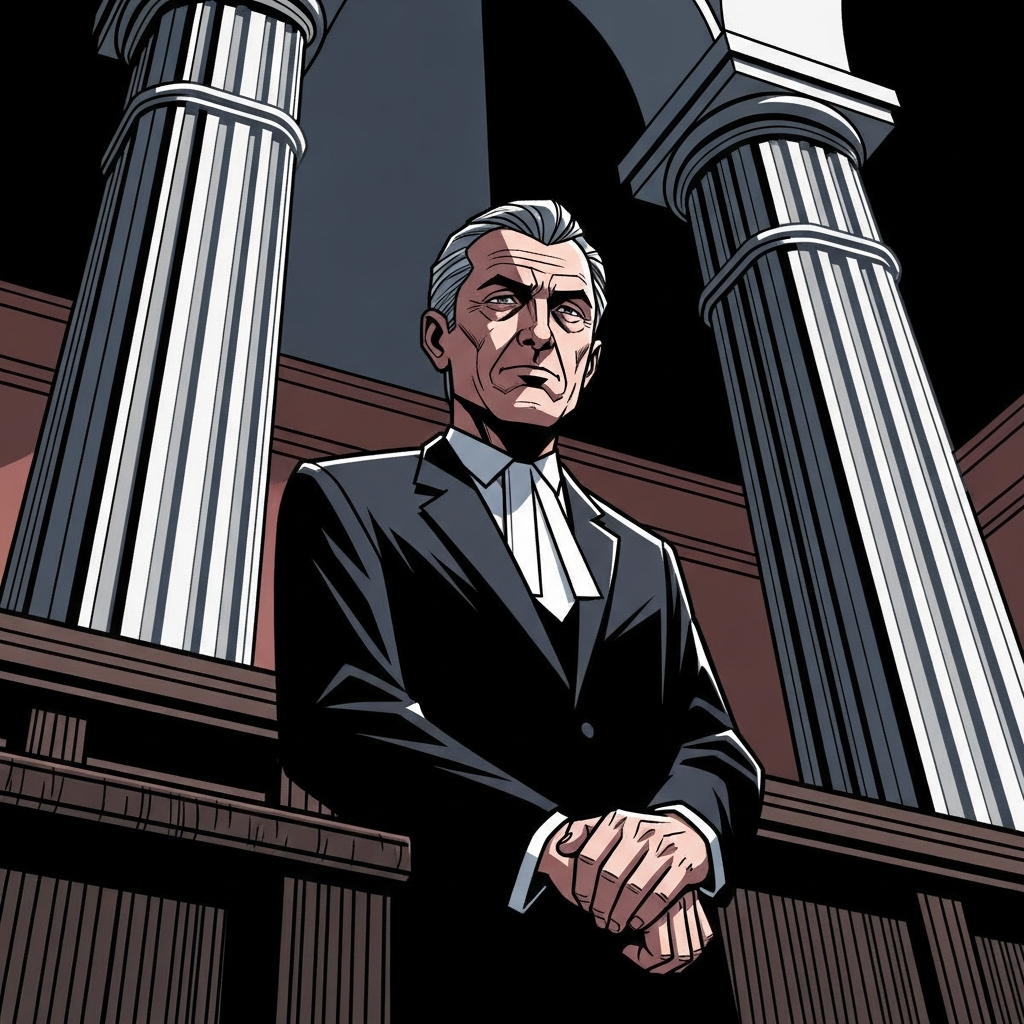
After a 156-day trial, conducted without a jury by three government-approved judges, the verdict arrived. The court found Jimmy Lai guilty, designating him the “mastermind” behind the conspiracies. Judge Esther Toh concluded that Lai had harbored “hatred and resentment” towards the People’s Republic of China for many years. The court dismissed Lai’s defense, asserting that his intent to destabilize the Chinese Communist Party remained “unwavering,” even if his actions became “less explicit” after the NSL’s enactment. His testimony was deemed contradictory and unreliable.
The conviction carries profound implications:
For Hong Kong’s Civil Liberties: This ruling reinforces the perception that the NSL has severely curtailed freedom of speech, assembly, and the press. It signals a continued crackdown on dissent, with high-profile figures like Lai facing the full force of the law.
For Judicial Independence: The trial, conducted without a jury and presided over by government-vetted judges, raises concerns about the independence of Hong Kong’s judiciary. International observers view this as a significant departure from the city’s common law traditions.
For International Relations: The verdict is a crucial test for Beijing’s diplomatic ties with Western nations. The U.S., Britain, and the European Union have closely monitored the case, with both former U.S. President Donald Trump and current U.K. Prime Minister Keir Starmer publicly calling for Lai’s release. His conviction is likely to strain these relationships further and fuel debates over human rights and rule of law in Hong Kong.
International Reactions and Future Steps
The international community’s response has been swift and largely critical. Human rights organizations like Reporters Without Borders and Amnesty International have condemned the verdict, with some describing it as an attack on press freedom itself. Conversely, Hong Kong leader John Lee characterized Lai’s intentions as “malicious,” while Beijing’s Foreign Ministry spokesperson firmly opposed any “vilification” of the city’s judiciary.
Lai now awaits sentencing, which could range from three years to life imprisonment for the collusion charge. A four-day mitigation hearing is scheduled, after which a final sentence will be imposed, with the possibility of appeal. This conviction adds to Lai’s existing legal challenges, including a 2022 sentence for fraud and previous convictions related to the 2019 protests.
The Jimmy Lai national security case stands as a stark reminder of the fundamental changes sweeping through Hong Kong. It highlights the ongoing tension between Beijing’s assertion of national security and the international community’s concerns about the erosion of Hong Kong’s autonomy and cherished freedoms.
Frequently Asked Questions
What are the key charges and verdict against Jimmy Lai in Hong Kong?
Jimmy Lai, the 78-year-old founder of Apple Daily, was convicted of two grave charges under Hong Kong’s National Security Law: conspiracy to commit collusion with foreign forces to endanger national security and conspiracy to distribute seditious publications. The court found him guilty, rejecting his defense arguments for freedom of expression and his claim of ceasing calls for foreign sanctions after the NSL took effect. This verdict, delivered by three government-approved judges, could lead to a potential life sentence, signaling the severe consequences for perceived acts against national security in the city.
How has Hong Kong’s National Security Law influenced the case of Jimmy Lai and press freedom?
The National Security Law (NSL), imposed by Beijing in 2020, fundamentally altered Hong Kong’s legal landscape, directly leading to Jimmy Lai’s arrest and subsequent conviction. The law broadly defines offenses like sedition and collusion with foreign forces, enabling authorities to target critics like Lai and his Apple Daily newspaper. Under the NSL, Apple Daily* was forced to shut down after police raids, asset freezes, and the arrest of executives. Lai’s trial, conducted without a jury, is seen as a stark demonstration of the NSL’s power to curtail press freedom and judicial independence, silencing critical voices and reshaping the city’s media environment.
What are the broader international implications of the Jimmy Lai national security verdict?
The conviction of Jimmy Lai carries significant international implications, particularly for diplomatic relations between China and Western nations. The U.S., Britain, and the European Union have closely monitored the trial, viewing it as a critical indicator of Hong Kong’s diminishing autonomy and rule of law. Prominent leaders from these countries have called for Lai’s release, emphasizing his British citizenship and concerns for human rights. The verdict is expected to intensify international scrutiny of Beijing’s actions in Hong Kong, potentially leading to further diplomatic tensions and calls for accountability regarding the city’s civil liberties and independent judiciary.
The Jimmy Lai verdict encapsulates the complex challenges facing Hong Kong as it navigates its relationship with mainland China. This landmark decision will undoubtedly continue to shape discussions on press freedom, judicial independence, and human rights on a global stage, ensuring Jimmy Lai’s legacy as a symbol of defiance in the face of authoritarian pressure remains firmly etched in history.