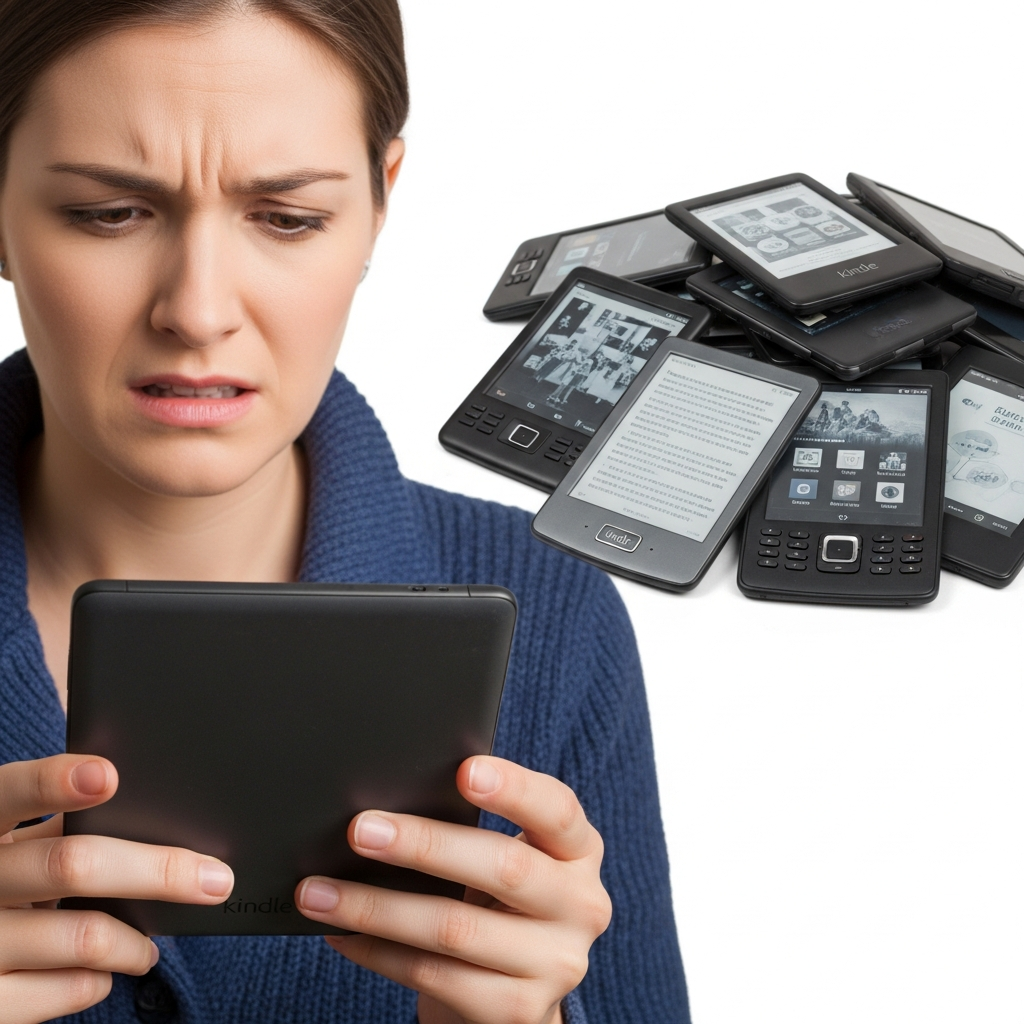
Amazon is making a significant change for longtime e-reader users. Starting May 20, 2026, the tech giant will officially discontinue software support for many older Kindle devices. This decision means millions of perfectly functional e-readers and tablets will lose crucial online capabilities. Users worldwide are voicing frustration, raising concerns about both device longevity and mounting electronic waste.
This pivotal shift impacts Kindle models released during or before 2012. Owners of these legacy devices will soon face limitations on how they access new digital content. Amazon aims to transition users to newer hardware, offering various incentives. However, the move highlights a broader industry trend of planned obsolescence in consumer electronics.
The End of an Era: What’s Happening to Older Kindles?
Amazon has confirmed the cessation of software updates and critical online functionality for its first-generation Kindles and other early models. Affected users received emails detailing these upcoming changes. The core impact revolves around acquiring new digital content directly on the device.
Specifically, after the May 20, 2026, deadline, these older Kindles will be unable to download new e-books. This includes purchases from the Kindle Store. The ability to borrow books using Wi-Fi, including popular library apps like Libby via the “Send to Kindle” option, will also cease to function.
Which Kindle Models Are Losing Support?
A specific list of devices will be impacted by Amazon’s decision. If you own any of these models, you will be affected. These devices, some supported for as long as 18 years, represent a significant portion of early e-reader adoption.
The affected Kindle models are:
Kindle 1st Generation (2007)
Kindle DX (2009) and DX Graphite (2010)
Kindle Keyboard (2010)
Kindle 4 (2011)
Kindle Touch (2011)
Kindle 5 (2012)
Kindle Paperwhite 1st Generation (2012)
Kindle Fire 1st Gen (2011)
Kindle Fire 2nd Gen (2012)
Kindle Fire HD 7 (2012)
- Kindle Fire HD 8.9 (2012)
- www.bbc.com
- www.wired.com
- techcrunch.com
- www.engadget.com
- www.theverge.com
What Will Still Work (and What Won’t) on Your Old Kindle
While the news is significant, your older Kindle devices won’t become entirely useless overnight. It’s crucial for users to understand the remaining functionalities. You will still be able to read e-books already downloaded onto your device.
Your existing Amazon accounts and Kindle Libraries will remain accessible. You can view your library through the Kindle mobile application or via the Kindle for Web browser. However, a critical warning from Amazon states that performing a factory reset on an affected Kindle after the deadline will render it permanently unable to download new content or re-register. This effectively “soft-bricks” the device for new acquisitions.
Why is Amazon Ending Support for These Devices?
Amazon explains its decision by citing the age of these older Kindle devices. The company states that models have been supported for “at least 14 years—some as long as 18 years.” They emphasize that “technology has come a long way” since these devices were first released. This implies that maintaining compatibility with modern systems and features is no longer feasible.
Tech industry analysts largely agree with Amazon’s rationale from a security and support standpoint. Paolo Pescatore, a noted analyst, commented that older devices were “built for a different era.” They often cannot handle the “newer, more data-hungry services and features” found today. Aging hardware and the need for robust security updates are significant factors in these corporate decisions.
User Outcry and the E-Waste Dilemma
Despite Amazon’s explanations, the announcement has sparked widespread outrage among long-time Kindle users. Many report their older Kindle devices are still functioning perfectly. They question the necessity of replacing a device that fulfills its core purpose: reading. This sentiment is echoed by users who feel Amazon is forcing them into unnecessary upgrades.
Critics, including Ugo Vallauri from the Restart Project, argue that this move will “soft-brick millions of still functioning devices.” While Amazon estimates only 3% of active users are affected, this translates to roughly 2 million devices globally. Vallauri notes this could generate over 624 tons of e-waste, contributing significantly to the growing environmental crisis of electronic discarded electronics. This situation is a prime example of “planned obsolescence,” where products are designed with a limited useful life to encourage new purchases.
Your Options: Navigating the End of Kindle Support
For users impacted by Amazon’s decision, several paths forward exist. Understanding these options can help you continue enjoying your digital library or explore new e-reader experiences. Amazon is actively encouraging upgrades to its newer devices.
Upgrade Incentives from Amazon
To ease the transition, Amazon is offering specific incentives to active users of affected devices. You can receive a 20 percent discount on select new Kindle models. Additionally, a $20 ebook credit is available for those who purchase a new device by June 20, 2026. This aims to soften the financial blow and highlight the “meaningful improvements” in newer Kindle devices, such as better screen quality and performance.
Alternative Ways to Access Your Kindle Library
Even if you choose not to upgrade your older Kindle, your digital library remains accessible. You can always access your entire collection through the Kindle mobile application on smartphones or tablets. The Kindle for Web reader also provides browser-based access to your e-books. For those wishing to keep content on their older Kindles, manual transfer via a USB cable remains an option, allowing you to sideload new e-books.
Exploring Other E-Reader Platforms
This change might prompt some users to explore non-Amazon e-reader alternatives. Brands like Boox and Vivlio offer their own e-ink readers, providing different ecosystems for digital content. Platforms such as Bookshop.org also sell ebooks, often supporting independent bookstores. This presents an opportunity to diversify your digital reading habits beyond the Amazon ecosystem.
The Broader Trend of Tech Obsolescence
Amazon’s decision with older Kindle devices is not an isolated incident. It reflects a pervasive trend across the tech industry. Companies frequently discontinue software support for older hardware, effectively limiting device functionality. This practice often pushes consumers towards purchasing newer models, even when their existing devices are physically capable.
Recent examples include Spotify ending support for its Car Thing, Google phasing out older Nest thermostats, and Netflix terminating support for millions of older devices. These instances highlight the power tech companies wield in determining the lifespan of consumer electronics. This trend raises important questions about consumer rights, environmental responsibility, and the true cost of digital innovation.
Frequently Asked Questions
What exactly stops working on older Kindles after May 20, 2026?
After May 20, 2026, older Kindle devices released in 2012 or earlier will lose the ability to download new e-books directly from the Kindle Store. This also includes borrowing books via Wi-Fi and the “Send to Kindle” feature, affecting services like Libby. While you can still read already downloaded books, performing a factory reset will permanently prevent the device from re-registering or acquiring new content.
How can I still read my existing Kindle books on older devices or new ones?
You can continue to read e-books already downloaded onto your older Kindle device. For new content or accessing your full library, you have several options. Your Kindle library remains accessible via the Kindle mobile app on smartphones and tablets, or through the Kindle for Web reader on any internet browser. If you upgrade to a new Kindle, all your purchased content will seamlessly transfer once you log in with your Amazon account.
Should I upgrade my old Kindle, and what are the alternatives?
Whether to upgrade depends on your usage. If you frequently download new books or use library borrowing features, upgrading is necessary. Amazon offers incentives like a 20% discount and a $20 ebook credit on new Kindles. If you prefer not to upgrade, you can manually transfer e-books via USB. Alternatively, explore e-readers from other brands like Boox or Vivlio, or access your existing Kindle library through the Kindle app on other devices or via web browsers.
Conclusion
Amazon’s decision to end support for older Kindle devices marks a significant moment for digital readers. While framed as a necessary step due to technological advancements and long-term support, it underscores broader industry challenges. Users are left to weigh the benefits of upgrading against concerns about environmental impact and device longevity. Regardless of your choice, knowing your options and understanding the implications is key to navigating this change effectively. As technology evolves, consumer responsibility and corporate accountability for the lifespan of our devices will remain critical discussion points.