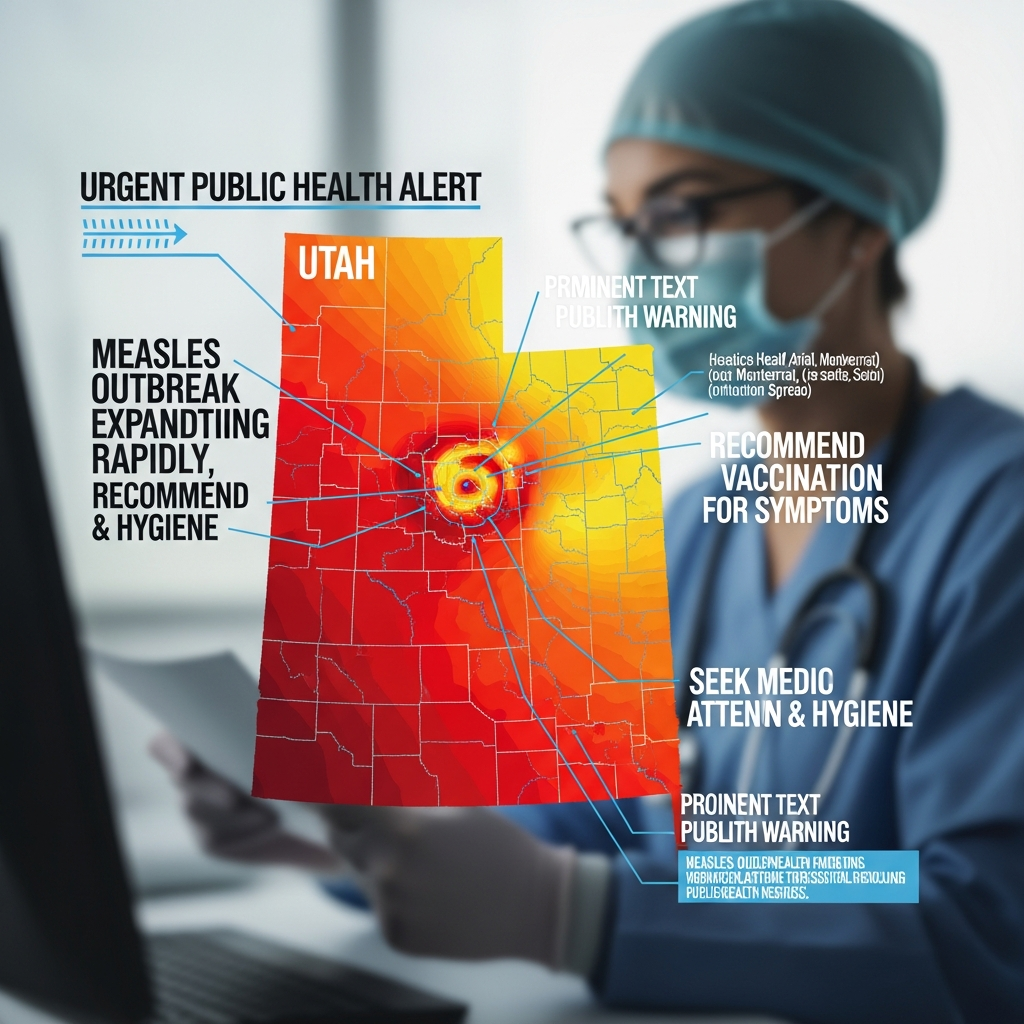
An alarming measles outbreak is rapidly spreading across Utah, posing a severe public health challenge. With 583 confirmed cases recorded since last summer, the state currently ranks among the hardest hit in the nation, following only Texas and South Carolina. This highly contagious disease, once declared eliminated in the U.S., has seen a worrying resurgence, primarily affecting unvaccinated individuals and raising critical questions about community immunity. Understanding the current situation, its causes, and preventative measures is vital for every resident.
Understanding Utah’s Alarming Measles Surge
Utah’s current measles crisis represents the state’s largest outbreak in over 30 years. What began in isolated pockets has now permeated communities statewide. Public health officials are grappling with the rapid transmission, especially concerning given the disease’s severity.
From Remote Communities to Statewide Exposure
The initial cluster of cases emerged last summer in Utah’s remote Southwest corner, near the Arizona border. These small communities, often affiliated with a fundamentalist religious sect, are known for significantly lower vaccination rates. Indeed, nearly half of Utah’s confirmed measles cases originated from this specific region. However, the outbreak is no longer contained.
State epidemiologist Dr. Leisha Nolen, from the Utah Department of Health and Human Services (DHHS), highlights this shift. She notes the disease now impacts “people from all different areas of the state with all different practices from all different kinds of communities.” Evidence of this widespread transmission includes exposures at a high school wrestling tournament at Utah Valley University in Provo and Highland High School in Salt Lake City. Salt Lake County officially declared the disease “actively spreading” in February, underscoring its broad reach. The University of Utah also experienced an exposure, with an infected individual on campus for several days in late March. Students who were unvaccinated or felt sick were advised to stay home for 21 days due to measles’ extremely contagious nature.
The Human Toll: Severity and Vulnerable Populations
The statistics reveal a stark reality: 83% of confirmed measles cases in Utah are among unvaccinated individuals. Children are disproportionately affected, contracting the disease at nearly twice the rate of adults. Clinicians across the state have expressed surprise at the severity of cases they are encountering.
Dr. Nolen describes seeing teenagers who “look horrible,” are “not wanting to move,” and are “extremely uncomfortable with crazy high temperatures.” They often struggle to keep down food or drink. Measles presents heightened risks for children under five and those with weakened immune systems. Complications can be severe, including pneumonia, brain swelling, and in rare instances, even death. Nationally, three measles-related deaths were recorded in 2025, tragically including two unvaccinated children in Texas. The virus, spread easily through respiratory droplets, can lead to blindness and other lasting health issues, making prevention through vaccination paramount.
Why is Measles Resurging? Unpacking the Causes
The re-emergence of measles in the U.S. marks a significant setback. Declared eliminated in 2000, cases began surging again in 2025, reaching a 30-year high nationwide. In 2025 alone, there were 2,255 confirmed cases across nearly 50 distinct outbreaks in the U.S. This alarming trend puts the country’s measles elimination status at risk.
Declining Vaccination Rates: A National Concern
A primary driver behind this resurgence is the nationwide decline in childhood vaccination rates. While approximately 90% of Utah’s population is vaccinated against measles, this figure varies significantly by area. Dr. Nolen emphasizes that these rates are insufficient to achieve “herd immunity” for measles, which typically requires vaccination rates above 95% to effectively block virus transmission. Without this collective protection, the virus finds fertile ground to spread.
The impact of declining rates is evident in educational settings. Across the U.S., hundreds of unvaccinated children in states like South Carolina and Minnesota have faced three-week quarantines following exposure, disrupting their education. An NBC News investigation revealed that vaccination rates have decreased in 77% of U.S. counties and jurisdictions since 2019, further illustrating the widespread vulnerability.
The Role of Misinformation and Eroding Trust
Public health experts point to increasing vaccine skepticism and confusion as major contributing factors. The rhetoric and policies of public figures, such as U.S. Health and Human Services Secretary Robert F. Kennedy Jr., have been cited for fostering this doubt, despite his recent endorsement of the MMR vaccine.
Locally, the conservative and religious communities where Utah’s outbreak began experienced a severe erosion of trust in public health authorities during the COVID-19 pandemic. David Heaton, Public Information Officer for the Southwest Utah Public Health Department, acknowledges this challenge. He notes that while distrust lingers, people often show more trust in local public health initiatives. His department is leveraging this local connection to provide education, emphasizing “personal responsibility” in health decisions. Heaton stresses the critical importance of individuals having “actual conversations” with local healthcare providers. He warns against “fear approach” misinformation prevalent online, which often makes “unfounded” healthcare claims. The MMR (Measles, Mumps, and Rubella) vaccine is recognized as very safe and effective, with no scientific link to autism.
Protecting Yourself and Your Community
With measles spreading “throughout the entire state,” containing the outbreak quickly is challenging. However, individual actions remain crucial for limiting transmission and protecting vulnerable populations. Public health officials are actively working to mitigate the crisis.
Public Health Efforts and Personal Responsibility
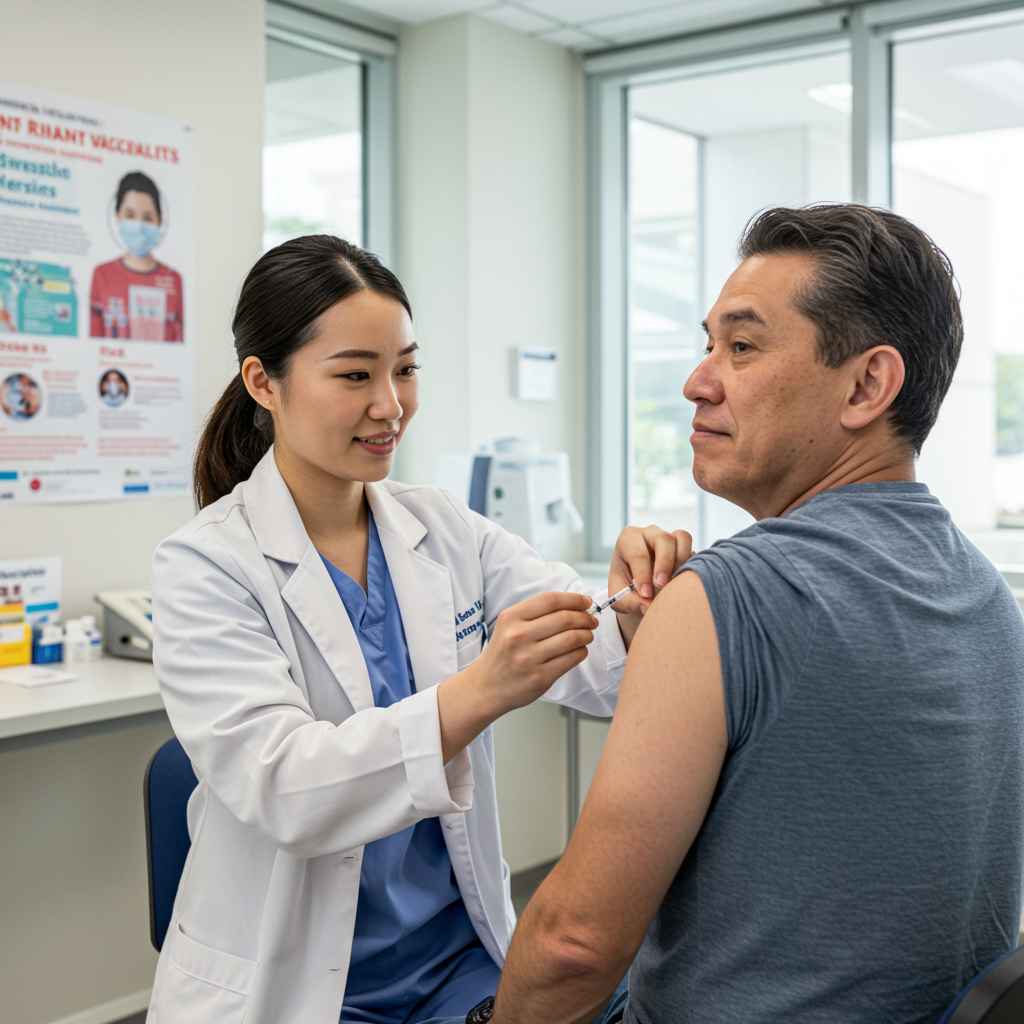
Utah’s health department has significantly ramped up its vaccination efforts, administering 30% more vaccines since the outbreak began compared to the same period last year. These proactive measures are essential to bolstering community immunity. Cooperation with contact tracers is also vital for identifying potential exposures and containing further spread.
For individuals, personal responsibility plays a key role. If you or a loved one suspects measles exposure or symptoms, do not go directly to a clinic or emergency room waiting area. Instead, call your healthcare provider first. They can offer guidance on next steps, arrange for safe evaluation, and prevent further spread of the highly contagious virus in clinical settings. Many vaccinated individuals may be exposed without realizing it, as their immune systems effectively fight off the infection, a testament to the vaccine’s protection. As spring encourages more outdoor activities, public health officials hope this shift might slightly reduce indoor transmission.
Frequently Asked Questions
What are the current statistics and risks associated with the measles outbreak in Utah?
Utah is experiencing its largest measles outbreak in over 30 years, with 583 confirmed cases since last summer. A staggering 83% of these cases are among unvaccinated individuals, and children are affected at nearly double the rate of adults. The disease can be severe, causing high fevers, extreme discomfort, and complications like pneumonia or brain swelling. Nationally, three unvaccinated people died from measles in 2025, highlighting the potential for fatal outcomes.
What immediate steps should I take if I suspect measles exposure or illness?
If you believe you or someone you know has been exposed to measles or is exhibiting symptoms (high fever, cough, runny nose, red eyes, rash), do not go directly to a doctor’s office or emergency room. Instead, call your healthcare provider immediately for guidance. This prevents potential further spread of the highly contagious virus in waiting rooms. Additionally, cooperate fully with public health contact tracers if they reach out to you, as this is crucial for containing the outbreak.
How effective is the MMR vaccine against measles, and why are vaccination rates critical for community health?
The MMR (Measles, Mumps, and Rubella) vaccine is highly effective against measles. Two doses provide approximately 97% protection, which is considered lifelong. High vaccination rates are critical for achieving “herd immunity,” where a sufficient percentage (typically over 95%) of the population is immune, making it difficult for the virus to spread and protecting those who cannot be vaccinated (like infants or immunocompromised individuals). Declining vaccination rates directly contribute to outbreaks, putting entire communities at risk of this preventable disease.
Moving Forward: Containing the Contagion
The ongoing Utah measles outbreak serves as a stark reminder of the importance of robust public health infrastructure and widespread vaccination. While the situation is challenging, continued public education, increased vaccination efforts, and individual adherence to public health guidance are the most effective tools to curb the spread. By taking personal responsibility and trusting evidence-based medical advice, Utah can work towards restoring community immunity and safeguarding its residents against this serious, yet preventable, disease.