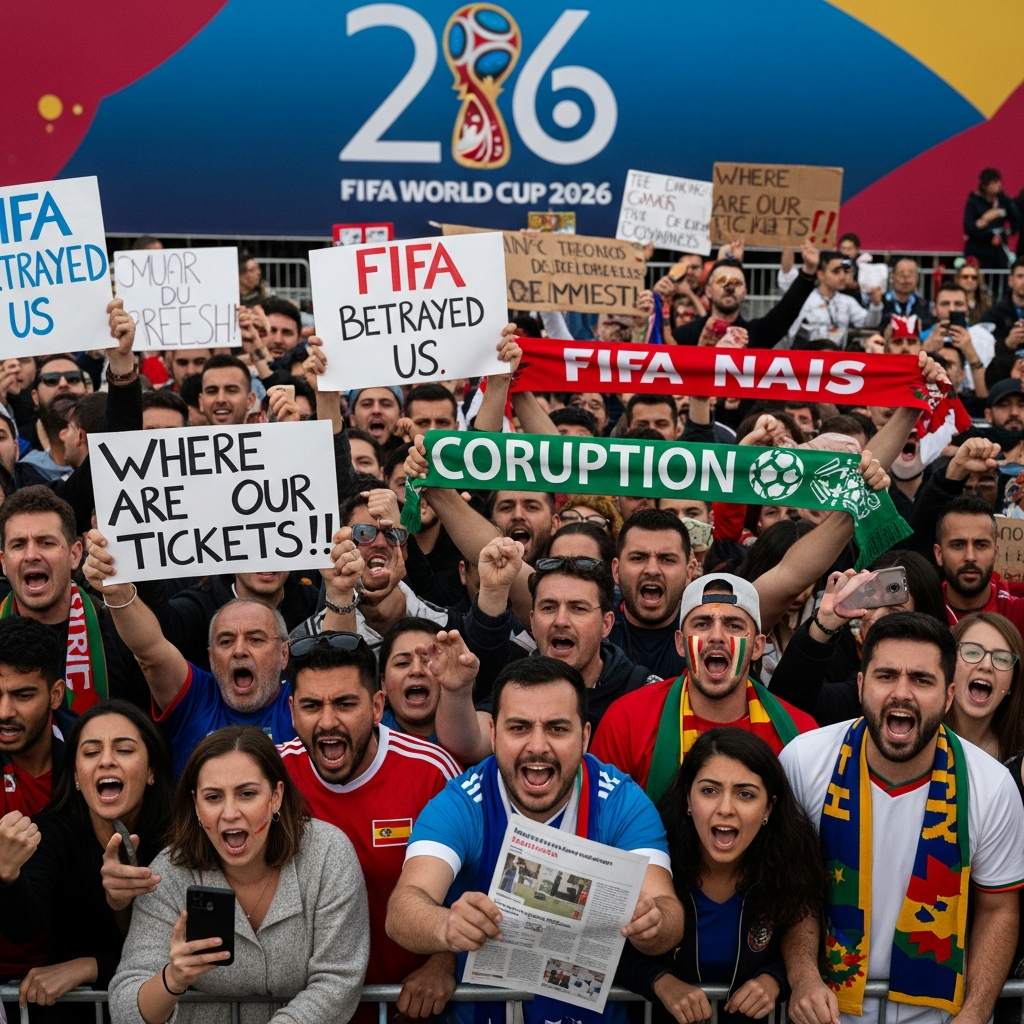
The excitement for the 2026 FIFA World Cup is palpable, yet a recent move by FIFA has ignited widespread fan fury, sparking accusations of deceptive practices. Just two months before kick-off, global football’s governing body introduced a new, higher-priced ticket category, leaving countless fans feeling betrayed. This abrupt change, affecting prime seating for the highly anticipated tournament across North America, has cast a shadow over what should be a celebration of sport.
Unpacking the Initial Promise: What Fans Expected
For months, passionate supporters eagerly secured their spots for the 2026 World Cup. Throughout the fall and winter, FIFA sold millions of tickets through a structured “Random Selection Draw,” offering four distinct pricing categories. Category 1, positioned as the premium tier, was broadly illustrated through color-coded maps on FIFA’s ticketing portal. These maps suggested that Category 1 tickets would grant access to the entire lower bowl of stadiums, promising excellent views. Enthusiastic fans invested hundreds, even thousands, of dollars, anticipating potentially prime locations. Participants in these draws, like the one for Gillette Stadium games, had to create a “FIFA ID” and navigate strict purchasing rules, limiting buys to four tickets per match and 40 overall per household.
The Crushing Reality: Seat Assignments and Disappointment
The initial optimism quickly faded for many Category 1 buyers. Last week, when FIFA finally delivered seat assignments, the reality was starkly different from expectations. Instead of coveted sideline sections, many found themselves relegated to corners, behind goals, or significantly farther from the field. This left a bitter taste, as fans felt they had paid a premium for what turned out to be less desirable seats. “This is just another example of how deceptive the original maps were,” remarked frustrated fan Ben Kurzman, expressing a sentiment shared by many who believed Category 1 implied a chance at superior views.
The “Front Category” Revelation: Doubling Down on Discontent
The frustration intensified just a week later. FIFA began selling tickets for the very first rows of these lower-level sections – the prime seats many Category 1 buyers had hoped for – at significantly inflated prices. This new tier, unadvertised during the initial presale phases, was officially labeled “Front Category 1” and, in some instances, “Front Category 2.” These “Front” tickets were often double the cost of a standard Category 1 ticket, solidifying fan suspicions that FIFA had deliberately withheld the best seats to maximize profit.
Specific examples highlight the staggering price disparities:
A “Front Category 1” seat for Algeria vs. Austria at Arrowhead Stadium was listed at $900, twice the standard $450 Category 1 price.
For Canada’s opener against Bosnia and Herzegovina at BMO Field, a Row 5 sideline seat surged from $2,240 to $3,360.
A Row 7 corner seat for U.S. vs. Paraguay at SoFi Stadium jumped from $2,730 to $4,105.
Even for less glamorous matchups like Uruguay vs. Saudi Arabia, “Front” seats behind the goals increased from $600 to $1,200.
These dramatic markups, often exactly double the initial Category 1 price, underscore the perceived opportunism. As Jordan Likover, another aggrieved fan, observed, “A lot of people feel misled, or confused, or maybe just generally let down about the way seats were assigned.”
Beyond Front Rows: The Broader Pricing Controversy
The “Front Category” saga is just one facet of a larger pricing controversy surrounding the 2026 World Cup. Fan groups, notably Football Supporters Europe (FSE), have lambasted FIFA for “extortionate” ticket prices, arguing they are significantly higher than any previous World Cup. Initial estimates from the 2018 bid process suggested group-stage tickets between $21-$323, and final tickets between $128-$1,550. However, the cheapest ticket for the 2026 final is now reported to be $4,185 – multiple times more expensive than the 2022 World Cup final and even 2024 Paris Olympics finals.
In response to widespread criticism, FIFA did introduce a “$60 supporter entry tier,” offering approximately 1,000 tickets per game for loyal fans. While a small concession, FSE dismissed this as an “appeasement tactic,” pointing out that these tickets represent a mere 1.6% of stadium capacity, hardly addressing the systemic affordability issues for the majority of supporters.
FIFA’s Defense Versus Fan Experience
FIFA maintains that its pricing strategy reflects North American market norms and “extraordinary” demand. A spokesperson previously stated that the initial “indicative category maps” were merely “guidance,” intended to “reflect the general extent of each ticket category within the stadium,” rather than guarantee exact seat layouts. FIFA President Gianni Infantino has further bolstered this narrative, confidently asserting that “every match is sold out” and that demand for tickets is at an “unprecedented high.” He cited 508 million ticket requests for approximately seven million available tickets, originating from over 200 countries. Infantino attributes this to the tournament’s North American location, suggesting “everybody wants to be part of something special.” He also acknowledges dynamic pricing and resale markets influence costs, calling it “part of the market we are in.” FIFA also states that as a non-profit, it reinvests World Cup revenue into global soccer development.
However, fans largely remain unconvinced. The perception of opacity and profit maximization runs deep. Andrew Swart, a New York-based fan, succinctly captured the prevailing sentiment: “FIFA doesn’t have any goodwill with fans… Our default assumption is that they’re doing something to be either underhanded or maximize profit.” The fact that hospitality packages often reserve the most coveted lower-level sideline sections, seats that Category 1 buyers once believed were theirs, further fuels this suspicion. The astronomical prices witnessed on secondary markets, with some final seats fetching over $143,000, illustrate the chasm between FIFA’s official pricing and the fervent demand it references.
Unanswered Questions and Future Outlook
Despite repeated inquiries from media outlets like The Athletic, FIFA has offered no clear explanation for the creation of the new “Front Category” or why these prime seats weren’t allocated during the initial Random Selection Draw. The organization has also remained silent on the number of “front” seats it plans to sell or the total remaining tickets, seemingly releasing new batches without formal announcements. This lack of transparency only exacerbates fan frustration.
The 2026 World Cup is projected to generate over $11 billion in revenue for FIFA and contribute an estimated $30 billion to the US economy. While these figures highlight the massive commercial success anticipated, the ongoing ticket controversy underscores a growing disconnect between the tournament’s commercial ambitions and the passionate, dedicated fan base it relies upon. The erosion of goodwill among supporters poses a significant challenge for FIFA moving forward, as the joy of the beautiful game risks being overshadowed by feelings of exploitation and distrust.
Frequently Asked Questions
What is the “Front Category” ticket controversy for the 2026 World Cup?
The “Front Category” ticket controversy stems from FIFA’s decision, just two months before the 2026 World Cup, to introduce a new, higher-priced ticket tier called “Front Category 1” (and “Front Category 2”). These tickets are for prime seating in the first few rows of lower-level sections, often priced at double the cost of a standard Category 1 ticket. Fans are outraged because they initially purchased Category 1 tickets based on maps suggesting access to these prime seats, only to be assigned less desirable locations, leading to accusations that FIFA deliberately withheld the best seats to resell them at inflated prices.
How were 2026 World Cup tickets originally sold, and what are the current purchasing options?
Initially, 2026 World Cup tickets were sold in four categories through a “Random Selection Draw” process, requiring fans to create a “FIFA ID” and adhere to strict household purchasing limits. Category 1 was marketed as the premium option, covering lower-bowl stadium seats. Currently, in addition to the newly released “Front Category” tickets, FIFA is expected to offer more ticket-buying options closer to the tournament. The secondary market, through vendors like StubHub and Vivid Seats, also has tickets available, though often at significantly higher prices due to demand, with some final seats reaching astronomical figures.
What is FIFA’s defense for the 2026 World Cup ticket pricing, and why are fans still upset?
FIFA defends its pricing by citing “extraordinary” demand and aligning with North American market norms. They argue that initial ticket category maps were merely “indicative guidance” rather than exact seat layouts, and as a non-profit, they reinvest revenue into global soccer development. FIFA President Gianni Infantino also claims “every match is sold out” due to record demand. However, fans are still upset due to perceived deception, feeling misled by the original maps and seat assignments, and the sudden introduction of a much more expensive “Front Category.” They accuse FIFA of lacking transparency and prioritizing profit maximization over supporter goodwill, especially given the overall “extortionate” pricing compared to previous World Cups.