The Strait of Hormuz is not merely a stretch of water; it’s the world’s most critical maritime chokepoint, a geopolitical flashpoint, and an indispensable artery for global energy flow. As tensions simmer in the Middle East, major Asian economies find themselves in a complex diplomatic and strategic dance, actively “jockeying for leverage” to ensure stable, unimpeded passage through this vital waterway. Their collective efforts aim to “re-open” or, more accurately, to secure the enduring stability of a passage perpetually under the shadow of disruption. This high-stakes game profoundly impacts global oil prices, international trade, and the very fabric of energy security worldwide.
The World’s Most Critical Chokepoint
Connecting the Persian Gulf to the Arabian Sea and beyond, the Strait of Hormuz is barely 21 nautical miles wide at its narrowest point. This slender channel is disproportionately important. Annually, an estimated one-fifth of the world’s total petroleum consumption and a quarter of global liquefied natural gas (LNG) shipments transit its waters. Nations like Iran, Saudi Arabia, Iraq, UAE, and Qatar — all major oil and gas producers — depend entirely on the Strait for their exports. Any significant disruption here sends immediate shockwaves through international energy markets, leading to volatile price spikes and profound economic uncertainty.
The strategic vulnerability of the Strait of Hormuz is a persistent concern. Geopolitical friction, often involving Iran and its regional adversaries or Western powers, frequently elevates the risk profile of this narrow passage. Threats of closure, whether explicit or implied, serve as powerful bargaining chips in regional conflicts, making the quest for reliable transit an ongoing priority for global powers, especially energy-hungry Asian nations.
Why Asian Economies Rely on Hormuz’s Stability
For burgeoning Asian economies, the Strait of Hormuz represents an existential dependence. China, India, Japan, and South Korea, in particular, are colossal energy consumers with limited domestic resources. Their rapid industrialization and population growth demand a continuous, affordable supply of oil and gas, much of which originates from the Middle East and must pass through Hormuz.
Asia’s Thirst for Energy: A Deep Dive
Consider the sheer scale: China, the world’s largest oil importer, sources a significant portion of its crude from the Persian Gulf. India, too, relies heavily on Middle Eastern oil to fuel its expanding economy. Japan and South Korea, almost entirely dependent on imported energy, have invested heavily in robust supply chains that trace back through this chokepoint. For these nations, a stable Strait isn’t merely a preference; it’s a non-negotiable prerequisite for economic stability and national security. The disruption of these energy flows would cripple industries, halt transportation, and trigger widespread economic and social upheaval across the continent.
Economic Lifeline: Trade Beyond Oil
While energy dominates the conversation, the Strait of Hormuz also facilitates substantial non-oil maritime trade. Container ships, bulk carriers, and general cargo vessels frequently traverse these waters, carrying goods to and from vast markets in Asia, Europe, and Africa. Any threat to shipping security extends beyond crude oil, impacting global supply chains for everything from electronics to consumer goods. Asian manufacturers, exporters, and importers are therefore deeply invested in maintaining clear, secure routes.
The Geopolitical Chessboard: Who’s Jockeying for What?
The phrase “jockeying for leverage” perfectly describes the multifaceted strategies employed by Asian powers. Their goal is clear: ensure the Strait remains open and secure. However, their methods vary, reflecting national interests and diplomatic capabilities.
Diplomatic Overtures and Bilateral Deals
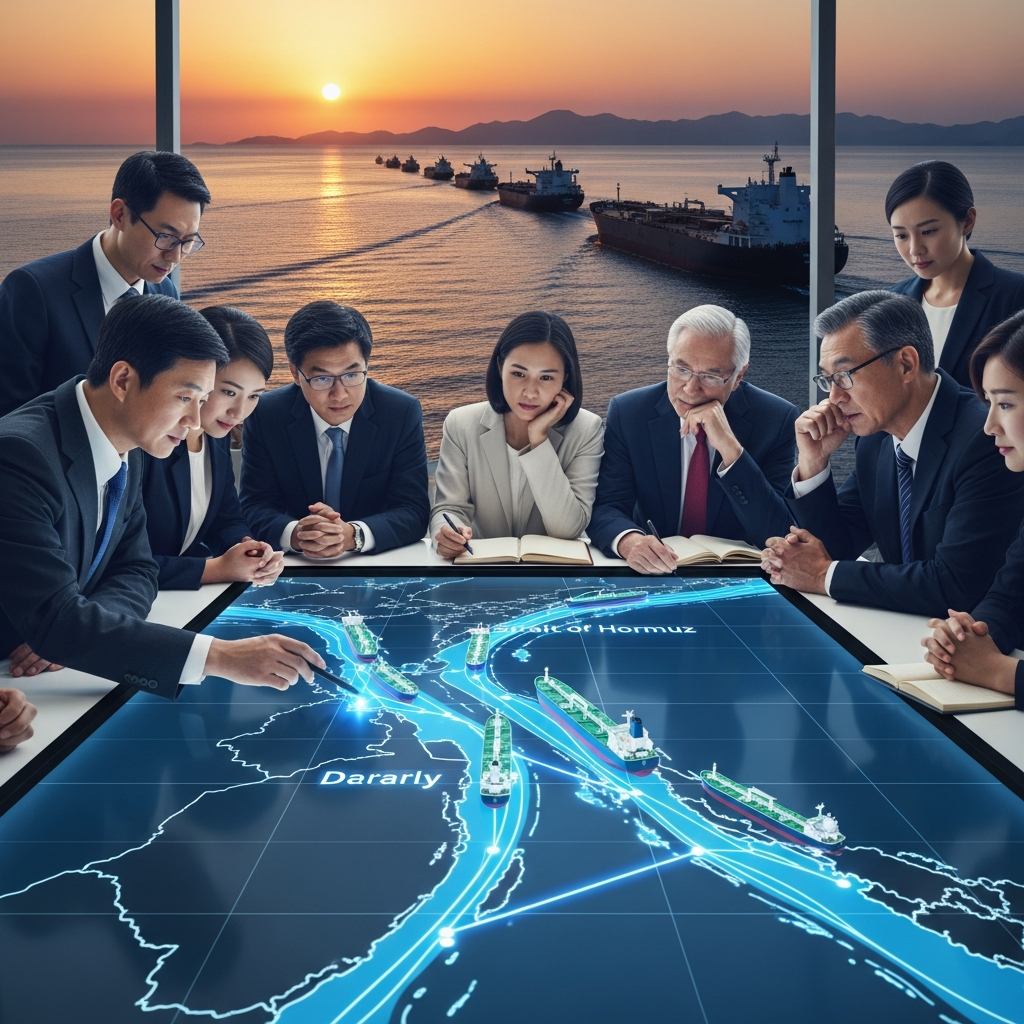
Asian nations are actively engaging in sophisticated diplomacy to de-escalate tensions and build trust among regional players. China, for instance, has leveraged its economic might to mediate between Iran and Saudi Arabia, recognizing that regional stability directly benefits its energy supply lines. India maintains strong ties with both Gulf states and Iran, seeking a balanced approach that protects its interests. Japan and South Korea, while more aligned with Western security frameworks, also engage in direct talks, advocating for peaceful resolutions and freedom of navigation. These bilateral and multilateral engagements aim to foster dialogue, prevent escalations, and create a diplomatic buffer against potential conflict in the Strait of Hormuz.
Security Assurance: Naval Presence and Protection
Beyond diplomacy, some Asian powers are enhancing their maritime security presence in the region. While not directly challenging existing naval forces, countries like China and India have increased their naval deployments in the Gulf of Oman and the Arabian Sea. These deployments, often framed as anti-piracy operations or escort missions for their commercial vessels, subtly project power and signal a willingness to protect their economic interests. Joint naval exercises with regional partners further underscore their commitment to safeguarding maritime trade routes and ensuring the stability of the Hormuz Strait.
Economic Influence and Strategic Investments
Economic leverage is a potent tool. Asian nations are major trading partners and investors in the Gulf states and Iran. They use this economic power to encourage de-escalation and cooperation. Investment in infrastructure, energy projects, and trade agreements creates mutual dependencies, making disruption less appealing for all parties involved. By tying their economic futures to the stability of the region, Asian powers aim to create a powerful disincentive for any action that might threaten the free flow of goods through the Strait of Hormuz.
Iran’s Pivotal Role and Regional Dynamics
Iran’s geographical position grants it immense leverage over the Strait of Hormuz. Bordering the northern coast, Iran views the Strait as a critical component of its national security and a potential tool for strategic deterrence. Tensions over its nuclear program, regional proxy conflicts, and sanctions often lead to heightened rhetoric concerning the Strait’s status. Understanding Iran’s motivations, security concerns, and economic pressures is crucial for any nation seeking to promote stability in the region. The delicate balance involves acknowledging Iran’s sovereignty while ensuring international maritime law is respected.
Risks of Disruption: What a Closure Means
A sustained closure or severe disruption of the Strait of Hormuz would trigger an unprecedented global economic crisis. Oil prices would skyrocket, potentially reaching triple or quadruple their current levels within days. This would lead to crippling energy costs for industries and consumers, sparking inflation and likely plunging the global economy into a deep recession. Supply chains would fracture, leading to widespread shortages and manufacturing halts. The geopolitical consequences would be equally severe, potentially drawing major powers into direct confrontation and reshuffling alliances. The stakes are simply too high for any nation to passively accept such a scenario.
Navigating a Volatile Future: Challenges and Opportunities
The long-term stability of the Strait of Hormuz remains precarious. Regional rivalries, the intricate web of international alliances, and domestic political shifts in key states all contribute to its volatility. For Asian nations, the challenge lies in balancing their immediate energy needs with longer-term strategic goals, such as diversifying energy sources and developing alternative trade routes. While pipelines bypassing parts of the Strait exist, they have limited capacity and do not eliminate the overall dependence. The constant push for diplomatic solutions, enhanced maritime security, and economic cooperation represents the best, albeit difficult, path forward to ensure this critical artery remains open and secure.
Frequently Asked Questions
What is the strategic importance of the Strait of Hormuz?
The Strait of Hormuz is vital because it’s the only sea passage from the Persian Gulf to the open ocean, making it the world’s most critical oil chokepoint. Approximately 20% of the world’s petroleum consumption and a quarter of global LNG shipments pass through it annually. Its disruption would trigger a global energy crisis, cause oil price spikes, and severely impact international trade and supply chains, making its stability paramount for global economic health and energy security.
How do Asian nations attempt to influence stability in the Strait of Hormuz?
Asian nations, particularly major energy consumers like China, India, Japan, and South Korea, employ multi-pronged strategies. These include extensive diplomatic engagement and bilateral deals with Gulf states and Iran to de-escalate tensions. They also enhance maritime security through naval presence and joint exercises, aiming to protect commercial shipping. Furthermore, they leverage significant economic investments and trade relationships to create mutual dependencies, encouraging regional actors to maintain stability in the Strait of Hormuz.
What are the potential economic consequences of a prolonged disruption in the Strait of Hormuz?
A prolonged disruption in the Strait of Hormuz would lead to catastrophic global economic consequences. Oil and gas prices would surge dramatically, causing rampant inflation and severe economic contraction worldwide. Industries reliant on energy would face crippling costs or shutdowns, leading to widespread job losses. Global supply chains for various goods would collapse, resulting in severe shortages and consumer price increases. Such a scenario would likely trigger a deep global recession and significant geopolitical instability.
Conclusion: The Enduring Struggle for Stability
The “jockeying for leverage” by Asian nations over the Strait of Hormuz is a continuous, high-stakes endeavor. It’s a testament to the indispensable role this narrow waterway plays in global energy security and economic prosperity. As geopolitical landscapes shift, the strategies employed by these powers will undoubtedly evolve, but the core objective will remain steadfast: to ensure the stable, unfettered passage of vital resources. The world watches keenly, understanding that the delicate balance maintained in this region has far-reaching implications for economies and stability across the globe.