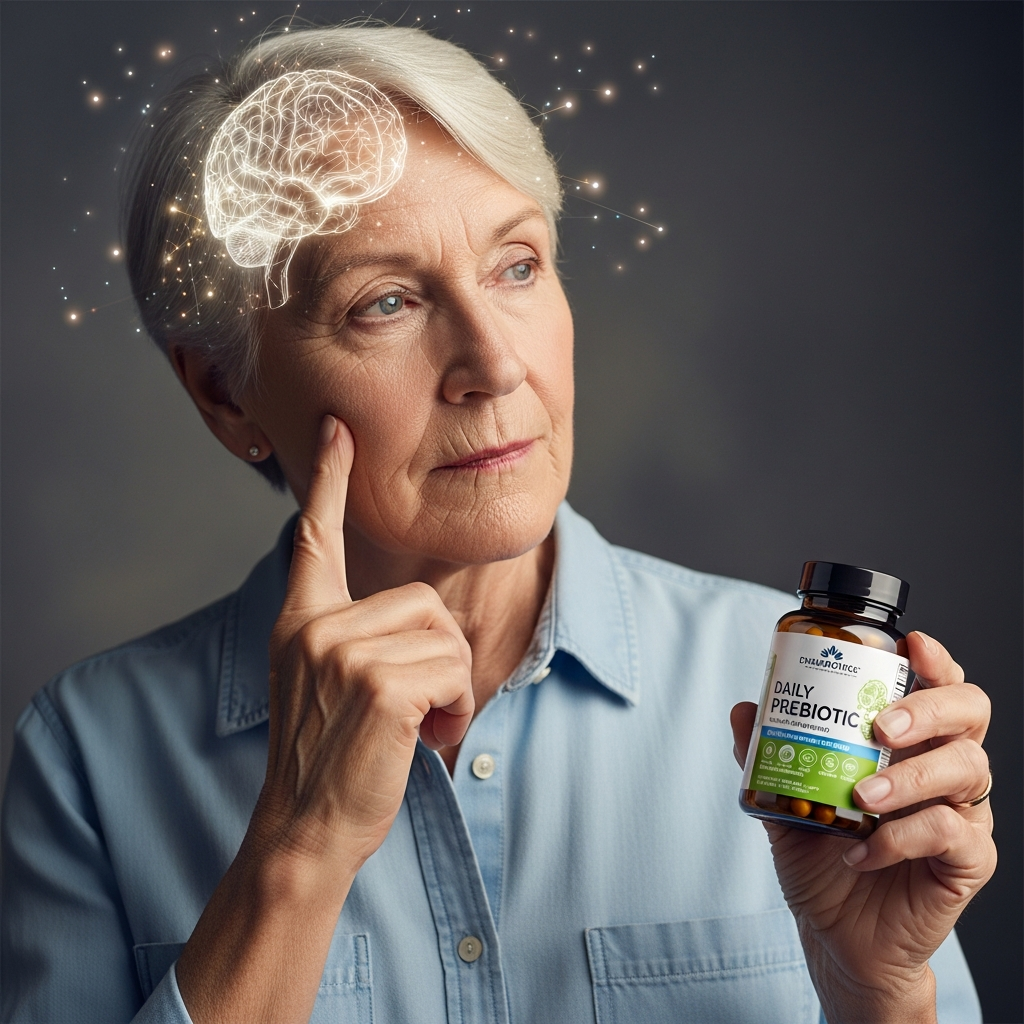
New research offers exciting news for healthy aging: a simple, affordable daily supplement could significantly sharpen memory and cognitive functions in older adults. This groundbreaking twin study from King’s College London reveals a fascinating link between gut health and brain performance, suggesting that nurturing our gut microbes might be a key to maintaining mental vitality as we age.
The findings, published in 2024, highlight the potential of common prebiotics to improve memory test scores in individuals over 60. This is especially promising since the same cognitive assessments are often used to identify early indicators of Alzheimer’s disease. As our understanding of the complex gut-brain axis deepens, these accessible plant fibers could offer a practical, science-backed approach to supporting cognitive longevity.
The Gut-Brain Connection: A New Frontier in Cognitive Health
For years, scientists have explored the intricate dialogue between our gut and brain. Often dubbed the body’s “second brain,” the gut plays a far greater role than just digestion. It influences everything from mood to immunity and, critically, cognitive function. This latest study adds compelling evidence to the growing body of research on the gut-brain axis, particularly its implications for an aging population.
Prebiotics are non-digestible plant fibers that act as “food” for beneficial gut bacteria, stimulating their growth and activity. Unlike probiotics, which introduce live bacteria, prebiotics nurture the existing microbial community. This recent double-blind trial focused on two widely available and inexpensive plant-fiber prebiotics:
Inulin: A dietary fiber belonging to the fructan class, commonly found in foods like chicory root, asparagus, and bananas.
Fructooligosaccharide (FOS): A plant carbohydrate often used as a natural, low-calorie sweetener.
Both inulin and FOS are readily available over-the-counter in many regions, making them highly accessible to a broad audience.
Inside the Landmark Twin Study: How Prebiotics Boosted Brain Power
Researchers at King’s College London leveraged their extensive UK adult twin registry, enrolling 36 pairs of twins, all aged 60 or older. Twin studies are invaluable in scientific research because they help scientists differentiate between the impacts of genetics and environmental factors on health outcomes. This unique design strengthens the validity of the study’s conclusions.
Each twin duo was randomized: one twin received a daily prebiotic (either inulin or FOS) mixed into a protein powder, while the other received a placebo powder. Participants were unaware of which treatment they were receiving. For three months, the twins continued this daily routine.
The results were striking. The twins who had unknowingly taken the prebiotic supplements consistently scored higher on cognitive tests. Specifically, they showed marked improvements in visual memory and learning assessments. Researchers observed these positive cognitive enhancements in a remarkably short period of just 12 weeks.
Beyond Memory: The Microbiome’s Role in Cognitive Enhancement
The study didn’t just observe improved memory; it also revealed significant changes within the participants’ gut microbiomes. The daily fiber supplements were directly linked to subtle yet measurable shifts in the gut bacterial composition between the twins.
Increased Bifidobacterium: Notably, the beneficial Bifidobacterium species were found to be more plentiful in the guts of those consuming inulin or FOS.
Gut-Brain Connections: Prior research, particularly studies on mice, supports this finding. Bifidobacterium has been shown to reduce cognitive deficits by positively regulating the intricate connections within the gut-brain axis. These “good” bacteria appear to play a crucial role in mitigating cognitive decline.
Mary Ni Lochlainn, a geriatric medicine researcher at King’s College London, expressed significant excitement about these rapid changes. “We are excited to see these changes in just 12 weeks,” she commented, highlighting the “huge promise for enhancing brain health and memory in our aging population.” She emphasized that “unlocking the secrets of the gut-brain axis could offer new approaches for living more healthily for longer.”
The Practical Promise of Affordable Brain Health
One of the most appealing aspects of this research is the accessibility and affordability of the intervention. Geriatrician Claire Steves at KCL underscored this point, stating, “These plant fibers, which are cheap and available over the counter, could benefit a wide group of people in these cash-strapped times. They are safe and acceptable too.”
This study aligns with a growing body of evidence suggesting that cognitive decline isn’t solely a brain-centric issue but can be influenced by external factors, including gut health. For instance, a recent Lancet Commission for Dementia estimated that high midlife levels of low-density lipoprotein (LDL) cholesterol attribute 7% of Alzheimer’s risk. A 2025 King’s College London study even suggested this might explain why women develop Alzheimer’s at twice the rate of men. Furthermore, another 2025 study linked an imbalance in gut bacteria (a lower ratio of Bifidobacterium to Akkermansia) to multiple sclerosis severity in both humans and mice, underscoring the gut’s wide-ranging influence on systemic health.
Addressing Limitations and Future Directions
While the cognitive benefits of these prebiotic supplements were clear, the study did note some limitations. For example, despite inulin and FOS being important for musculoskeletal maintenance, the trial did not observe significant improvements in muscle loss among the aging twins.
The research also acknowledged a potential selection bias, as the participant cohort was predominantly female. Although researchers adjusted for sex differences in their analysis, this highlights the need for larger, more diverse studies in the future.
The researchers are keen to continue their investigations. Their “next task is to see whether these effects are sustained over longer periods and in larger groups of people.” This ongoing research aims to further explore the potential of targeted gut microbiome interventions for enhancing overall well-being as the global population continues to age.
Beyond Brains: The Broad Impact of Gut Health
The insights from this study contribute to a broader understanding of how gut health impacts various bodily systems. The gut microbiome plays a pivotal role in the immune system and the central nervous system. Modulating its composition with specific prebiotics and probiotics holds immense potential for treating a plethora of illnesses and diseases, extending far beyond cognitive function.
This research offers a tangible and accessible pathway for individuals to proactively support their brain health. By focusing on simple, daily dietary interventions, we may unlock new possibilities for healthier aging and enhanced cognitive vitality.
Frequently Asked Questions
What exactly are prebiotics and how do they improve brain function in older adults?
Prebiotics are specific types of non-digestible plant fibers that feed beneficial bacteria in your gut, such as Bifidobacterium. When these good bacteria thrive, they produce compounds that can communicate with the brain through the gut-brain axis. This communication is thought to enhance various cognitive functions, including memory and learning, by reducing inflammation and supporting neurological pathways. The recent King’s College London study observed improved memory test scores in older adults taking prebiotics like inulin and FOS.
Which specific prebiotic supplements were used in the King’s College London study, and are they readily available?
The King’s College London study utilized two inexpensive and widely available plant-fiber prebiotics: inulin and fructooligosaccharide (FOS). Inulin is a dietary fiber found in many plants, while FOS is a plant carbohydrate often used as a natural sweetener. Both are commonly found in health food stores, pharmacies, and online retailers as over-the-counter supplements. Their accessibility and affordability make them a practical option for many people looking to support their cognitive health.
Are there any risks or considerations before starting a daily prebiotic supplement for cognitive health?
Prebiotic supplements like inulin and FOS are generally considered safe and well-tolerated. However, some individuals might experience mild digestive discomfort, such as gas or bloating, especially when first starting. It’s always recommended to consult with a healthcare professional before adding any new supplement to your routine, particularly if you have underlying health conditions or are taking other medications. This ensures the supplement is appropriate for your individual needs and helps avoid potential interactions or side effects.
Conclusion: A Simple Step Towards Sharper Minds
The compelling findings from King’s College London offer a beacon of hope for enhancing brain health in our aging population. By demonstrating that inexpensive, readily available prebiotic supplements can improve memory and cognitive function in just three months, this research underscores the profound impact of our gut microbiome on overall well-being.
While further large-scale and long-term studies are needed to solidify these promising results, the evidence for nurturing our gut’s beneficial bacteria for a healthier brain is stronger than ever. Embracing simple dietary changes, like incorporating prebiotics, could be a crucial, actionable step towards a future with sharper minds and extended vitality. Always remember to discuss any new supplement regimen with your doctor to ensure it aligns with your health goals.