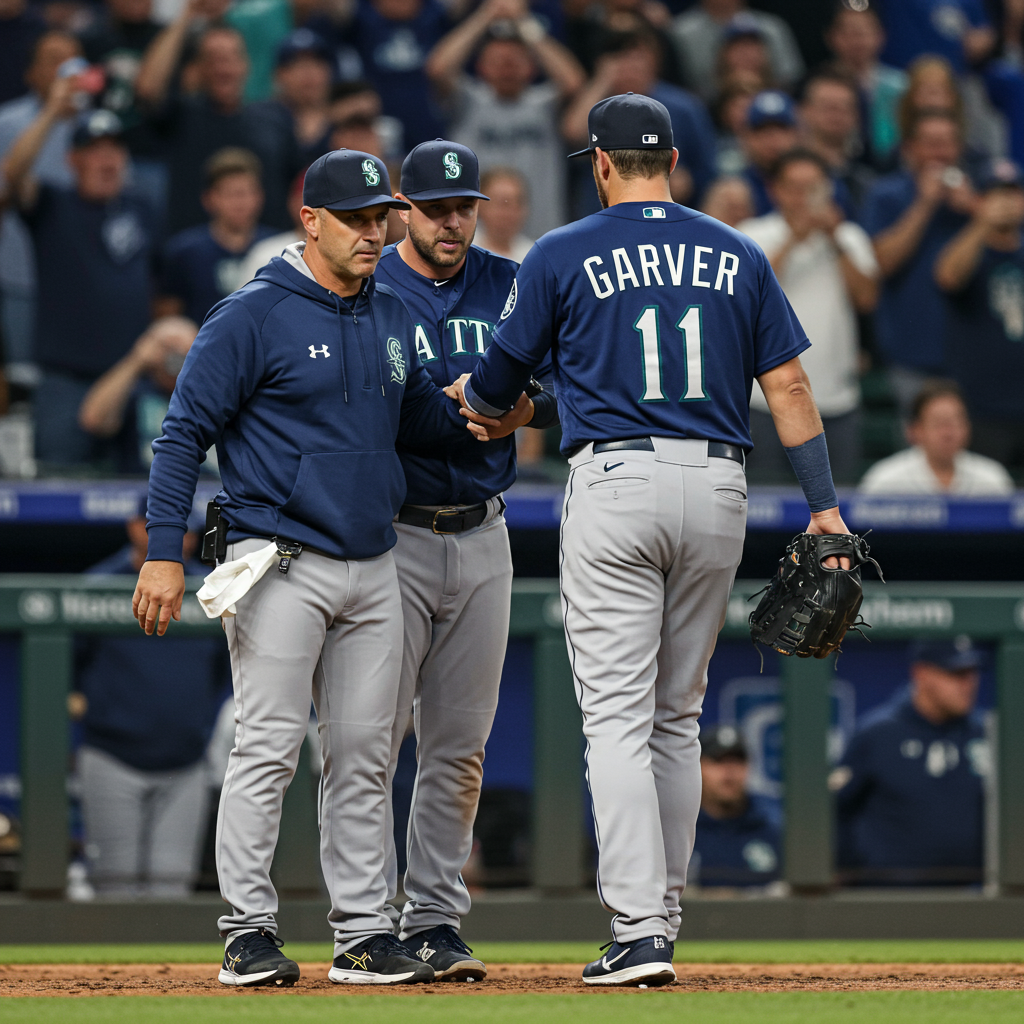
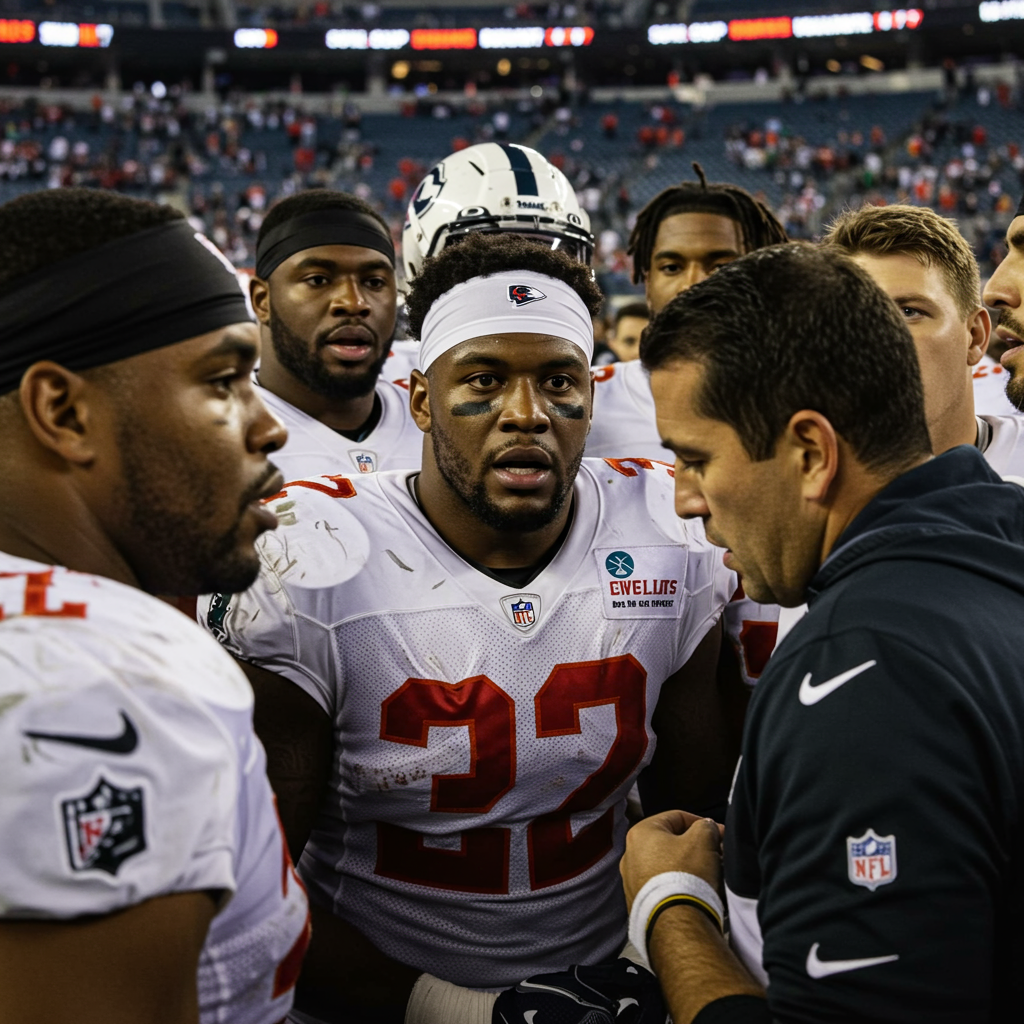
The sting of March Madness elimination is always profound, but for Duke freshman Cayden Boozer, the final buzzer of the 2026 Elite Eight brought an almost unbearable burden. In a stunning 73-72 collapse against UConn, a pivotal late-game turnover by Boozer became the enduring image of a promising season’s end. Visibly distraught, Boozer’s raw admission, “I ruined our team’s season,” echoed the collective heartbreak in the Blue Devils’ locker room, cementing his role in one of the NCAA Tournament’s most improbable upsets. This article delves into the dramatic final moments, the emotional aftermath, and the historical context of Duke’s devastating loss.
The Fateful Final Seconds: A Turnover That Sealed Duke’s Fate
With just six seconds remaining and Duke clutching a precarious 72-70 lead, the plan seemed simple: secure the ball, force a foul, and seal a trip to the Final Four. Instead, the game spiraled into a nightmare scenario. Cayden Boozer, a 6-foot-4 freshman, received the inbound pass. Under pressure, he bypassed the opportunity to hold the ball or draw a foul. His decision to attempt a risky “home run pass” over two UConn defenders at midcourt proved catastrophic.
UConn guard Silas Demary Jr. heroically tipped the ball, disrupting Boozer’s ill-advised heave. The Huskies swiftly recovered possession, setting the stage for an unforgettable climax. Alex Karaban, a two-time national champion, relayed the ball to freshman Braylon Mullins. From near the midcourt March Madness logo, Mullins launched a desperate, arcing prayer. The ball swished through the net with just 0.4 seconds left, igniting an eruption from UConn fans and plunging Duke into stunned silence. Coach Jon Scheyer later lamented, “We’ve just got to hold on,” reflecting on the moment that slipped away.
Cayden Boozer’s Profound Regret
The immediate aftermath saw a young Cayden Boozer grappling with an immense emotional weight. His bloodshot eyes and cracking voice conveyed a deep personal responsibility for the loss. He confessed to feeling “terrible,” believing he “let down his team.” This raw honesty resonated, highlighting the immense pressure young athletes face in high-stakes moments. Hours after the game, his sentiment remained unchanged: “I might never recover from that. I’ll replay that for the rest of my life.” The intensity of fan reaction quickly followed, with Boozer’s social media accounts reportedly flooded with criticism, underscoring the harsh reality of sports in the digital age.
Despite the crucial error, Boozer had delivered an otherwise strong performance, contributing 15 points on efficient shooting, six assists, five rebounds, and two steals. This paradox—a solid individual game marred by one decisive mistake—only amplified the tragedy of the moment for the freshman.
Beyond the Turnover: Unraveling of a Promising Season
While Cayden Boozer’s turnover was the defining mistake, Duke’s collapse was a broader narrative. The Blue Devils, initially dominating the game, built a substantial 19-point lead late in the first half. They led for an astounding 38 minutes and 26 seconds of the game, while UConn held the lead for only 51 seconds. This substantial advantage evaporated due to a relentless second-half surge by UConn. Duke made history, becoming the first No. 1 seed in March Madness history to lose after leading by 15-plus points at halftime, a scenario where teams had previously held a 134-0 record. UConn’s comeback also marked the second-largest in Elite Eight history.
UConn’s Strategic Second-Half Surge
UConn’s coach Dan Hurley masterfully adjusted his team’s strategy at halftime, emphasizing increased physicality. This approach had previously rattled Duke, notably in games against Texas Tech and North Carolina earlier in the season. UConn center Tarris Reed Jr. was instrumental, finishing with 26 points and nine rebounds, single-handedly carrying the Huskies at times. After a cold start from beyond the arc (1-for-18), UConn found its rhythm. Demary Jr. drained consecutive corner three-pointers, swiftly cutting Duke’s lead to seven with just over six minutes left, signaling a palpable shift in momentum.
Even after these pivotal moments, Duke still had opportunities to secure victory, leading by four with the ball and 1:20 remaining. However, another crucial turnover by Cameron Boozer, who had an outstanding 27 points, eight rebounds, and four assists despite sustaining a gnarly elbow to the face, led to a UConn three-pointer. This brought the score to 70-69, setting the stage for the dramatic final seconds and Cayden Boozer’s fateful pass.
Coaching Decisions and Historical Context
The Elite Eight loss inevitably brought Jon Scheyer’s coaching decisions under intense scrutiny. Questions arose about why Duke continued to pass rather than attempting to draw a foul, and why a timeout wasn’t called before the critical inbounds play. Scheyer later stated he was ready to call a timeout. While “hindsight is always 20/20,” the timing of a timeout, especially with UConn’s evident full-court press, became a significant point of discussion. A timeout could have allowed Scheyer to settle his players and draw up a clear play to counter the pressure.
This defeat marked the latest in a series of heartbreaking postseason exits under Scheyer, following losses in the 2024 Elite Eight and last season’s Final Four. For a program steeped in success, these collapses, particularly after holding significant leads, raise persistent questions about their ability to close out high-stakes games.
A Season of Records Ends Abruptly
The pain of the Elite Eight defeat was magnified by the incredible success Duke achieved throughout the 2026 season. The team won 70 games over the last two seasons, a program record. They boasted consecutive generational freshman superstars in Cooper Flagg and Cameron Boozer, both recognized as National Players of the Year. This season, Duke swept the ACC regular-season and tournament championships, demonstrating formidable strength. They lost only three games all season by a combined total of five points and tied the all-time record for regular-season wins over ranked opponents with 11. The abrupt, stunning end was a stark contrast to a season filled with triumphs and high expectations.
The Enduring Brotherhood Amidst Heartbreak
Despite the crushing defeat, the emotional aftermath also revealed the profound bonds forged within the Duke team. Players were seen openly weeping in the locker room, covering their faces in shared grief. Yet, amidst the sorrow, a deeper narrative of “Brotherhood” emerged. Coach Scheyer, visibly emotional, spoke of the unique adversity his team overcame, including significant injuries to starters Patrick Ngongba II and Caleb Foster.
Cameron Boozer, despite his physical discomfort from an elbow to the face, reflected on an “incredible year” and described his teammates as a “special group of people.” He expressed immense gratitude for the opportunity and his love for the team and coaches. For the Boozer twins, this game potentially marked their last playing together, with Cameron projected as a top NBA draft pick. Players like Nik Khamenia and Dame Sarr also spoke of their hurt, while Isaiah Evans looked forward to a chance for “redemption.” Cayden Boozer himself articulated this enduring spirit, emphasizing that despite only eight or nine months together, the teammates had become “brothers” for life. This perspective underscores that beyond wins and losses, the personal connections formed are the most lasting legacy of a collegiate season.
Frequently Asked Questions
What was the critical play involving Cayden Boozer in Duke’s Elite Eight loss?
In the final seconds of Duke’s 73-72 Elite Eight loss to UConn, with Duke leading 72-70, freshman Cayden Boozer attempted a high-risk “home run pass” over two UConn defenders at midcourt instead of securing the ball or drawing a foul. The pass was tipped by UConn’s Silas Demary Jr., leading to a Huskies recovery and Braylon Mullins’ game-winning three-pointer with just 0.4 seconds left, effectively ending Duke’s March Madness run.
How did UConn orchestrate their comeback against Duke after a significant halftime deficit?
UConn overcame a 19-point deficit, strategically shifting to a more physical defense in the second half. Coach Dan Hurley’s adjustments led to increased fouls drawn against Duke and strong performances from players like center Tarris Reed Jr., who finished with 26 points. After a poor shooting start, UConn found its rhythm from beyond the arc, with Silas Demary Jr. hitting crucial consecutive three-pointers that significantly narrowed Duke’s lead and fueled their improbable comeback.
What are the broader implications of Duke’s Elite Eight collapse for the team and coach Jon Scheyer?
Duke’s Elite Eight collapse marks the latest in a series of heartbreaking postseason exits under coach Jon Scheyer. Despite leading for nearly the entire game and having a historically strong season with numerous program records, the inability to close out high-stakes games remains a significant challenge. This loss will undoubtedly prompt questions about coaching decisions, late-game execution, and the team’s mental fortitude, shaping perceptions of Scheyer’s tenure and the program’s immediate future as they navigate potential NBA decisions for key players like the Boozer twins.
Conclusion
The 2026 Elite Eight clash between Duke and UConn will forever be etched in NCAA Tournament history as a testament to both triumph and heartbreak. For Cayden Boozer, the final seconds represented a profound personal burden, a moment of acute regret amidst a season of collective success. For Duke, it was another stunning collapse, raising questions about late-game execution and the relentless pressure of March Madness. Yet, even in the depths of defeat, the enduring spirit of “Brotherhood” and the lessons learned in adversity underscore the true value of collegiate sports. The sting of that fateful turnover will linger, but the experience will undoubtedly shape the paths of these young athletes, forging resilience in the face of an unforgettable end to their season.