The escalating conflict involving Iran, marked by U.S.-Israeli military strikes and retaliatory actions, has sent shockwaves across global energy markets, redrawing geopolitical alliances and sparking an urgent re-evaluation of energy security. Amidst this profound instability, U.S. natural gas exporters are emerging as unexpected, significant beneficiaries, capitalizing on a desperate scramble for alternative fuel sources, particularly across energy-hungry Asian nations. This dramatic shift not only bolsters America’s strategic energy ambitions but also reveals complex, multi-layered economic and geopolitical winners and losers in a rapidly evolving global landscape.
America’s Energy Dominance Takes Center Stage
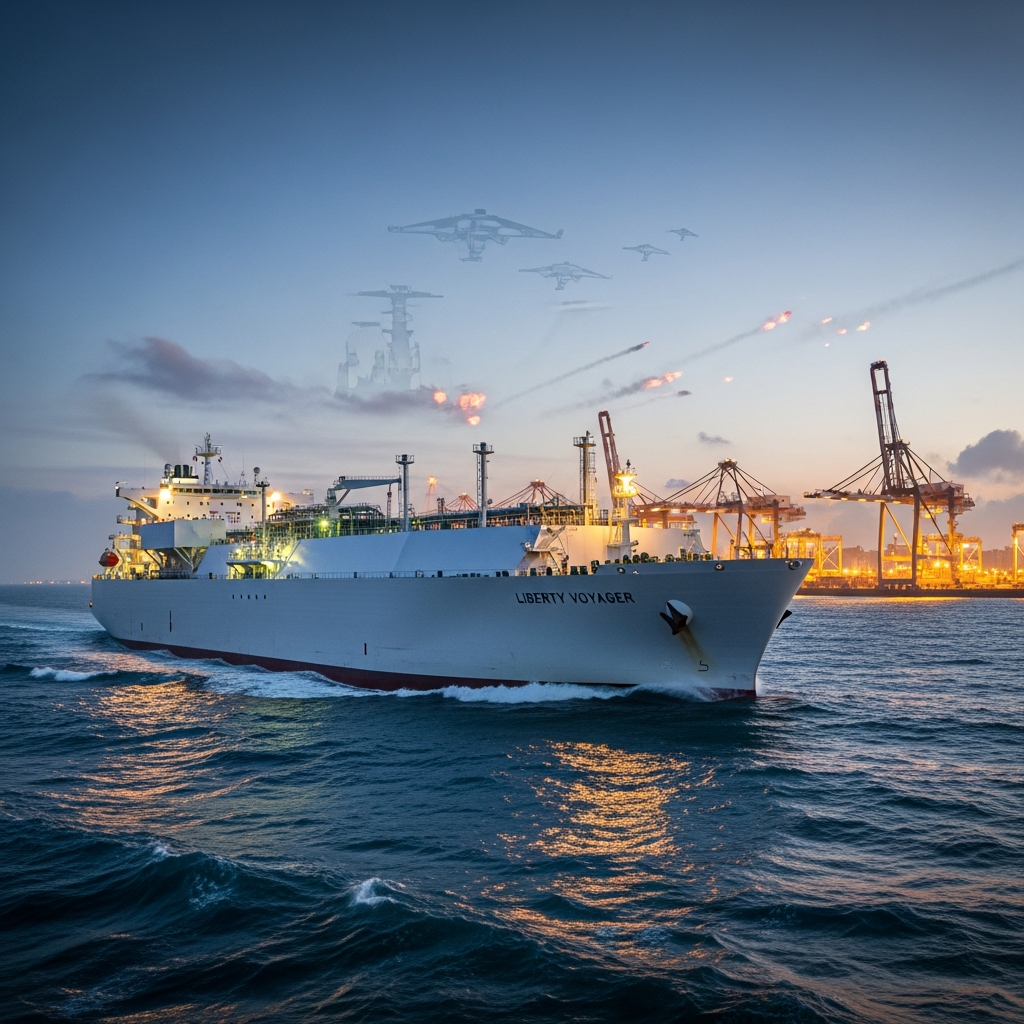
President Donald Trump’s “energy dominance policy” has found potent validation in the midst of the Iran conflict. As disruptions in the Middle East, including threats to the vital Strait of Hormuz and attacks on gas facilities in the Persian Gulf, imperil traditional energy supply routes, Asian governments are increasingly turning to the United States for reliable liquefied natural gas (LNG) exports. This surge in demand aligns perfectly with the Trump administration’s goal of positioning the U.S. as a primary global energy supplier, encouraging allies to source fuel from American companies rather than potential adversaries.
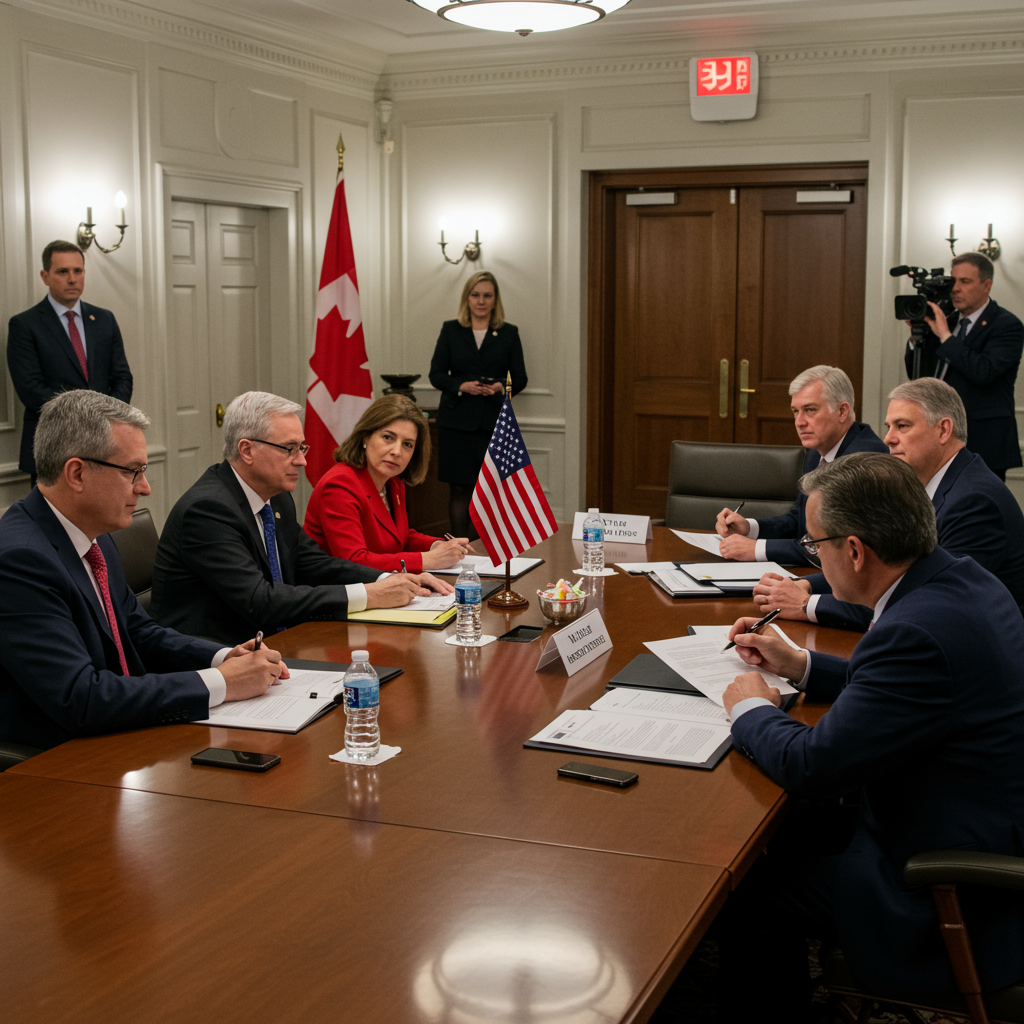
U.S. Interior Secretary Doug Burgum recently underscored this strategic push in Tokyo, announcing substantial energy agreements with Asian partners. Historically, U.S. LNG was often considered too costly or logistically complex for major Asian technological hubs. However, the current crisis, exacerbated by previous U.S. tariff pressures and recent deterioration of Qatar’s gas infrastructure, has dramatically shifted this perception. Companies like Cheniere and Venture Global have seen their stock prices soar, reflecting the unexpected financial windfall. Executives from these key gas companies have also made notable donations in support of the Trump administration, highlighting the symbiotic relationship between policy and profit.
Asia’s Urgent Quest for Secure Energy
Asia, a region heavily reliant on fuel passing through the Strait of Hormuz, faces an acute energy crisis. Nations like Taiwan, Japan, and South Korea, historically dependent on Qatari gas, are now desperately seeking stable alternatives. Taiwan, in particular, is critically vulnerable; it imports almost all its fuel for its energy-intensive tech manufacturing sector, which produces over 90% of the world’s advanced semiconductor chips. With one-third of its LNG historically sourced from Qatar and possessing the lowest gas reserves in East Asia, Taiwan is rapidly pivoting towards U.S. suppliers.
Taiwanese officials plan to significantly increase LNG imports from the U.S. starting in June, leveraging new contracts with Texas-based Cheniere. These agreements are projected to more than double Taiwan’s share of U.S. LNG imports by 2029. Similarly, Japan and South Korea have signed new multi-year LNG supply contracts with the U.S., while Thailand is requesting increased deliveries under existing agreements. Despite the enthusiasm, U.S. short-term export capacity is constrained, meaning American sellers cannot immediately replace the full loss of Qatari supply. Instead, they are poised to benefit from “wider margins and a stronger commercial debt level,” as noted by industry analysts. This lucrative environment has also spurred increased investor interest from Asian nations in projects like Glenfarne’s $44 billion LNG initiative in Alaska.
Russia’s Unexpected Geopolitical Windfall
While U.S. natural gas reaps commercial gains, Russia has emerged as another, perhaps more surprising, beneficiary of the Iran war’s wider geopolitical and economic fallout. Moscow, maintaining a friendly stance with Tehran, publicly condemned the U.S.-Israeli actions. However, analysts suggest Russia’s leadership likely views the conflict as serving its short-term strategic interests on multiple fronts.
The war has provided Russia with a significant economic boost. Prior to the Iran conflict, Russia’s energy revenues were plummeting due to sanctions and low prices. Now, the global oil supply crunch has caused prices to spike, allowing Russia to transition from selling its oil at a discount to commanding a premium. This financial turnaround could reverse recent revenue declines for Moscow. In a striking development, rising U.S. gas prices prompted the U.S. Treasury to issue a 30-day waiver on tariffs for Indian purchases of Russian oil, signaling a potential easing of broader sanctions initially imposed after the Ukraine invasion.
Beyond economics, the Iran war serves as a major global distraction from Russia’s ongoing conflict in Ukraine, allowing Moscow to pursue its objectives with less international scrutiny. Crucially, the conflict has also strained Ukraine’s defense capabilities, as the U.S. has diverted expensive Patriot air defense systems to protect its assets and allies in the Middle East. This diversion was painfully highlighted by a recent barrage of Russian attacks on Ukrainian cities, underscoring Ukraine’s increased vulnerability. Furthermore, reports of Russia sharing targeting intelligence with Iran regarding U.S. military assets suggest Moscow’s calculated efforts to “complicate or degrade America’s projection of power,” thereby shifting the geopolitical balance in its favor.
The Broader Costs and Human Toll of Conflict
While some nations and corporations benefit, the Iran war carries immense costs for the global economy and humanitarian well-being. The conflict has triggered soaring global oil prices, with Brent crude breaking above $100 a barrel despite coordinated releases of emergency oil reserves – the largest in International Energy Agency history. The financial burden on the U.S. military alone has been staggering, estimated at $11.3 billion in the first week, with daily costs exceeding $1.5 billion.
The human cost is tragic, with hundreds of civilian deaths, mass displacement, and significant military casualties reported on all sides. A drone attack in Kuwait killed six U.S. Army reservists, and widespread U.S. and Israeli strikes against Iran have caused extensive damage, including to historical and cultural sites like the Golestan and Chehel Sotoun palaces, prompting UNESCO involvement. The war has also widened geographically, with Israeli strikes impacting Beirut and ground operations in southern Lebanon. Less wealthy nations like Cambodia and Laos are experiencing severe fuel shortages and station closures, while the Philippines and Thailand implement rationing, unable to afford exorbitant spot market prices. Internationally, the UN Security Council has demanded an immediate halt to Iranian attacks, while some European nations, including Spain and Italy, have voiced criticism of the U.S.-Israeli actions, raising concerns about potential violations of international law.
Trump’s Rhetoric and Iran’s New Leverage
President Trump’s approach to the conflict has drawn both support and criticism, even from within his “America First” base. Loyalists like Marjorie Taylor Greene and Tucker Carlson have questioned his deviation from promises to avoid foreign wars and prioritize American economic well-being, particularly regarding aid to Israel. Trump, known for his unpredictable and “not at all presidential” language, initially issued ultimatums to Iran, believing he held the upper hand. However, the conflict has demonstrated Iran’s unexpected leverage. The ability to shut, or credibly threaten to shut, the Strait of Hormuz has provided Iran with a potent new weapon on the global stage, effectively holding the world’s oil supplies hostage and gaining considerable influence in an asymmetrical conflict.
Despite initial bellicose rhetoric, Trump later claimed to have reached “major points of agreement” with Iran, although Iran’s state news agency, Fars, explicitly denied any direct contact. While the war has undoubtedly degraded Iran’s conventional military apparatus in the short to medium term, concerns persist about Iran’s potential hidden enriched uranium stockpiles, hinting at future, covert operations. Meanwhile, internal Iranian political turmoil continues, with Mojtaba Khamenei, the son of the assassinated Supreme Leader, emerging as a favored successor, signaling a likely continuation of hardliner control amidst the ongoing explosions and unrest in Tehran.
Frequently Asked Questions
How has the Iran war specifically benefited U.S. natural gas exporters?
The Iran war has created significant disruptions to Middle Eastern energy supplies, particularly via the Strait of Hormuz, forcing energy-dependent Asian nations to seek alternatives. U.S. natural gas exporters, backed by President Trump’s “energy dominance policy,” have stepped in to meet this demand. This shift has led to soaring stock prices for U.S. gas companies like Cheniere and Venture Global, securing new long-term contracts with countries like Taiwan, Japan, and South Korea, and generating wider profit margins despite initial capacity limitations.
Which Asian nations are most affected by the Middle East energy disruptions and turning to U.S. LNG?
Asian nations like Taiwan, Japan, and South Korea, which historically relied heavily on Qatari gas and Middle Eastern routes, are most severely impacted. Taiwan, with its critical semiconductor manufacturing industry and low domestic energy reserves, is particularly vulnerable and has significantly increased its U.S. LNG imports. Japan, South Korea, and Thailand have also signed new multi-year supply contracts or requested increased deliveries from U.S. exporters to ensure their energy security. Less wealthy nations like Cambodia, Laos, and the Philippines are facing severe fuel shortages and rationing due to inability to afford spot market prices.
What are the broader economic and geopolitical consequences of the Iran war beyond energy markets?
Beyond energy, the Iran war has triggered a surge in global oil prices (Brent crude surpassing $100), incurred immense financial costs for the U.S. military (over $11.3 billion in the first week), and caused significant humanitarian crises with civilian casualties and displacement. Geopolitically, it has elevated Russia as an unexpected beneficiary, providing economic gains, distracting from the Ukraine war, and degrading U.S. influence. The conflict has also given Iran new leverage through its ability to threaten global oil supplies via the Strait of Hormuz, leading to international condemnations and re-evaluations of alliances.
The Iran war has undeniably reshaped the global energy landscape. While U.S. natural gas exporters and, to a complex degree, Russia are reaping unexpected benefits, the broader picture reveals profound instability, economic strain, and a devastating human cost. This ongoing crisis underscores the interconnectedness of global energy markets and the far-reaching consequences of geopolitical conflict, compelling nations worldwide to fundamentally reassess their energy security strategies in an increasingly volatile world.