
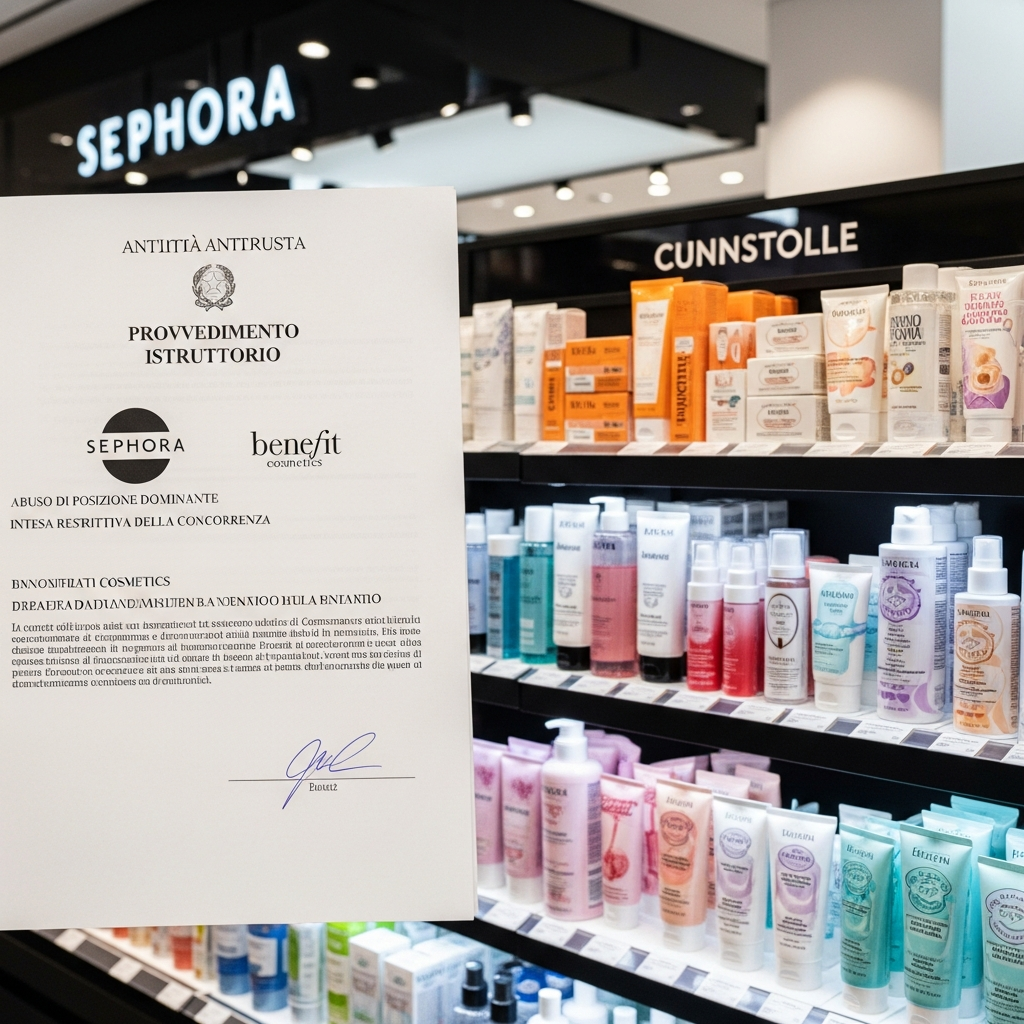
The beauty industry faces intense scrutiny. Italy’s antitrust authority recently launched a significant investigation into Sephora and Benefit Cosmetics. These globally recognized brands, owned by luxury giant LVMH, are under fire. They allegedly targeted young children with adult skincare products. This probe highlights serious concerns about “cosmeticorexia”—a rising obsession with skincare among youth—and the potentially harmful impact of sophisticated marketing tactics on children’s health. This groundbreaking inquiry could reshape how beauty products are marketed to younger demographics worldwide.
Italy Intensifies Scrutiny of Beauty Giants Over Child Marketing
Italian regulators are cracking down on beauty powerhouses Sephora and Benefit Cosmetics. A formal investigation is underway into their marketing practices. The Italian Competition Authority (AGCM) suspects these LVMH-owned brands. They reportedly employed “particularly insidious” strategies. These strategies allegedly encourage children, some reportedly under the age of 10, to purchase adult skincare items. This comes amidst growing alarms from dermatologists and child development experts. They warn against the premature use of powerful cosmetic ingredients on sensitive young skin. In late March 2026, the AGCM and Italy’s financial police conducted inspections. They visited LVMH and Sephora’s Italian headquarters. This signals the seriousness of the allegations.
Allegations of Covert Influencer Marketing and Misleading Information
Central to the AGCM’s investigation are several key claims. Sephora and Benefit may have used young micro-influencers. These influencers subtly promoted products to children. Social media personalities, often with thousands of followers, are accused. They reportedly encouraged the “compulsive purchase” of items like face masks, serums, and even anti-aging creams. Critics argue this represents a sophisticated form of “covert marketing.” Furthermore, the authority suggests crucial warnings and precautions may have been omitted. These warnings indicate that certain cosmetics are not intended or tested for minors. They might also have been “presented in a misleading manner.” This alleged lack of transparency, both online and in stores, is a primary focus for regulators.
The Rise of “Sephora Kids” and the Cosmeticorexia Crisis
The investigation directly addresses the burgeoning “Sephora kids” social media trend. This global phenomenon involves pre-teen children enthusiastically sharing their skincare routines and hauls. Platforms like Instagram and TikTok are flooded with such videos. They appear under hashtags like “Sephora kids haul” and “Sephora kids GRWM (Get Ready With Me).” Sephora’s substantial online presence is undeniable. The brand boasts nearly 23 million Instagram followers and over two million on TikTok. This places it at the very heart of this youth-driven trend.
Understanding Cosmeticorexia: An Unhealthy Obsession
The term “cosmeticorexia” describes an unhealthy obsession with achieving “flawless” skin. This often leads to excessive, age-inappropriate, or compulsive use of cosmetic products. Experts believe this condition is on the rise among young people. Social media’s relentless promotion of beauty standards and complex skincare rituals fuels it. The AGCM expresses deep concern. They believe the marketing strategies under investigation could directly contribute to this developing crisis. It potentially fosters anxiety about appearance and skin health in vulnerable minors.
Dermatological Dangers: Why Adult Skincare Harms Children
Leading medical professionals are vocally opposing the trend. Children should not use adult skincare products. Both the AGCM and the British Association of Dermatologists issued stark warnings. They highlight the potential for harm. Children’s skin is inherently more sensitive and permeable than adults’. It lacks the mature barrier function to effectively cope with the active ingredients found in many adult cosmetics.
Immediate and Long-Term Skin Problems
The frequent and combined use of many cosmetics by minors can be harmful. This is especially true without proper awareness. It can lead to:
Irritation and Redness: Harsh chemicals and fragrances often cause immediate inflammatory reactions.
Allergic Reactions: Exposure to numerous ingredients increases the likelihood of developing contact dermatitis and other allergies.
Compromised Skin Barrier: Overuse of active ingredients (like retinoids, AHAs, BHAs, and certain strong peptides) can strip the skin’s natural protective barrier. This makes it more susceptible to damage.
Permanent Skin Issues: Repeated exposure and damage could, in some cases, lead to lasting sensitivity or pigmentation problems.
- Psychological Impact: An early and intense focus on “anti-aging” or “flawless” skin can foster body image issues, anxiety, and an unhealthy preoccupation with appearance.
- www.bbc.com
- www.theguardian.com
- wwd.com
Dermatologists emphasize a simple fact. Children’s skin primarily needs gentle cleansing, moisturizing, and sun protection. It does not require a complex regimen of serums and masks.
LVMH Pledges Cooperation Amidst Broader Industry Scrutiny
LVMH, the parent company of Sephora and Benefit, responded to the Italian investigation. They issued a statement confirming their commitment. They will “fully co-operate” with the authorities. The luxury goods conglomerate also owns numerous high-profile alcohol, fashion, and jewellery brands. LVMH affirmed its “strict compliance with applicable Italian regulations.” However, citing the ongoing nature of the inquiry, LVMH declined to provide further specific comments.
International Precedents and Future Outlook
This Italian probe is not an isolated incident. The “Sephora kids” phenomenon is a global concern. It prompts discussions among regulators and industry leaders worldwide. In a proactive move “a couple of years ago,” Sweden saw some beauty companies take action. They voluntarily implemented age restrictions. These applied to advanced skincare products containing potent active ingredients like alpha-hydroxy acid (AHA) and beta-hydroxy acid (BHA). While not yet legally mandated, such actions signal a growing awareness. They also hint at the potential for future widespread regulation. The outcome of the AGCM’s investigation could set an important precedent. It might influence ethical marketing standards within the global beauty industry. This is particularly relevant concerning vulnerable youth. Consumer protection advocates are closely watching. They hope for clearer guidelines and greater transparency.
Frequently Asked Questions
What is ‘Cosmeticorexia’ and How Does it Affect Young People?
Cosmeticorexia refers to an unhealthy obsession with achieving “flawless” skin. It often manifests through the excessive, age-inappropriate, or compulsive use of cosmetic products. For young people, this can be particularly damaging. It can fuel anxiety about appearance, body image issues, and an unhealthy preoccupation with beauty standards. Social media often drives this. Experts believe the condition is on the rise. It contributes to psychological distress in minors and diverts attention from what healthy child skin truly needs.
Which Beauty Brands Are Under Investigation in Italy for Child Marketing?
The Italian Competition Authority (AGCM) has launched an investigation. It targets Sephora and Benefit Cosmetics. Luxury goods giant LVMH owns both brands. The probe specifically targets their alleged “particularly insidious” marketing strategies. These include using young micro-influencers and covert tactics. They allegedly encourage children, some reportedly under 10 years old, to purchase and use adult skincare products. Examples include face masks, serums, and anti-aging creams. Inspections have been carried out at the Italian headquarters of LVMH and Sephora as part of this ongoing inquiry.
What Are the Dermatological Risks for Children Using Adult Skincare?
Children’s skin is more delicate and permeable than adult skin. This makes it highly susceptible to adverse reactions from adult skincare products. Dermatologists warn that active ingredients and chemicals in these products can cause irritation, redness, allergic reactions, and even permanent skin problems. Overuse can strip the skin’s natural protective barrier. This leads to increased sensitivity and a higher risk of developing conditions like contact dermatitis. Experts advise that children typically only require gentle cleansing, moisturizing, and sun protection. They do not need complex, ingredient-rich adult regimens.
A Call for Ethical Marketing and Child Protection
The Italian investigation into Sephora and Benefit underscores a critical need. Ethical marketing practices are essential within the beauty industry. As social media continues to shape youth culture, the line blurs. It exists between aspirational content and exploitative advertising. Protecting children from potentially harmful products is paramount. Fostering a healthy body image in youth is equally important. The outcome of this probe will undoubtedly influence future regulations. It will also impact industry self-governance. Hopefully, this leads to a more responsible approach to beauty marketing for the youngest consumers. Parents, educators, and regulators alike must remain vigilant. They must advocate for the well-being of children. This is especially true in an increasingly complex digital and commercial landscape.