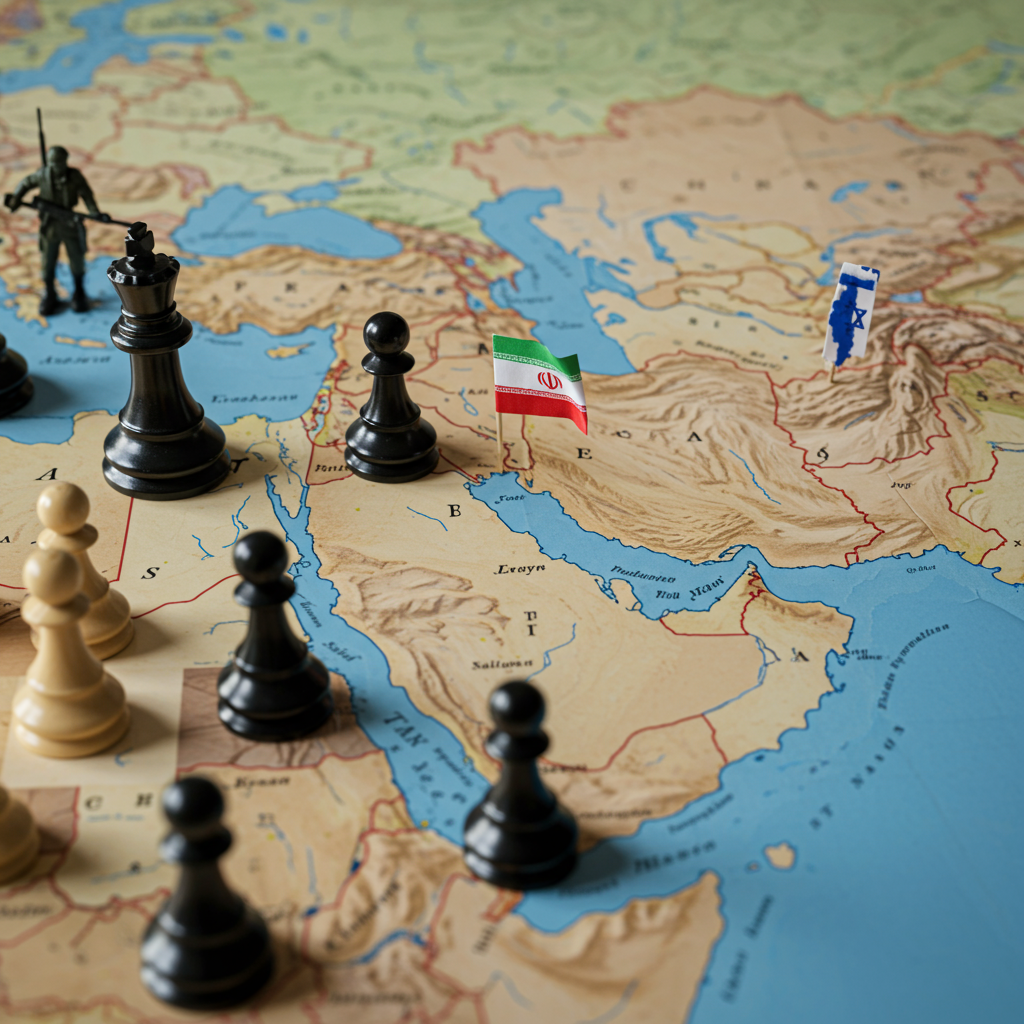
In a pivotal move reshaping international security dynamics, Ukraine and Saudi Arabia have formally signed a defense cooperation agreement. This landmark pact, announced by Ukrainian President Volodymyr Zelenskyy during an unannounced visit to Jeddah, marks Kyiv’s first such strategic engagement in the Gulf region. The agreement signals Ukraine’s evolving international standing, positioning it not merely as a recipient of security assistance, but as an active security provider. This mutually beneficial partnership aims to strengthen both nations’ defenses against modern aerial threats, fostering deeper technological exchange and investment.
Forging a Strategic Alliance for Shared Security
The newly formalized Ukraine Saudi defense pact establishes a crucial framework for future collaborations. It paves the way for potential contracts, technological cooperation, and significant investment initiatives. Both nations acknowledge that this foundational arrangement is designed to bolster their respective defense capabilities. President Zelenskyy emphasized that this agreement substantially elevates Ukraine’s international profile. It solidifies its role as a key contributor to global security.
The signing occurred ahead of President Zelenskyy’s meeting with Crown Prince Mohammed bin Salman Al Saud. It underscores a shared commitment to regional stability. This Ukraine Saudi security cooperation transcends a simple arms deal. It represents a long-term commitment to strategic partnership. Both countries bring unique assets to the table, creating a robust foundation for joint efforts.
Ukraine’s Transition: From Defense Recipient to Global Donor
A key aspect of this agreement highlights Ukraine’s transformation. Once primarily a recipient of international aid, Ukraine is now ready to share its hard-won expertise. President Zelenskyy articulated Ukraine’s proactive approach. He stated its readiness to offer advanced systems and knowledge to Saudi Arabia. This shift from recipient to security donor is a significant geopolitical development. It reflects Ukraine’s growing confidence and battlefield experience.
Ukraine’s five years of resisting sophisticated ballistic missile and drone attacks from Russia provide unparalleled insights. This combat-honed experience is now a valuable asset on the global stage. By leveraging this practical knowledge, Ukraine aims to enhance its international presence. It seeks to contribute meaningfully to broader regional stability, particularly in the Middle East.
Countering Common Threats: The Iranian Nexus
The core motivation for this Ukraine Saudi defense pact lies in shared security challenges. President Zelenskyy drew a direct parallel between Ukraine’s ongoing defense experiences and Saudi Arabia’s current security concerns. For half a decade, Ukrainians have faced “terrorist attacks” involving ballistic missiles and drones. Zelenskyy directly attributes these to the Iranian regime. He explicitly connected this experience to the Iranian regime’s current activities. Iran “is currently carrying out” similar attacks in the Middle East and the Gulf region.
Saudi Arabia, along with other Gulf countries, has been intercepting numerous drones and missiles. These attacks, often from Iran, underscore a pressing need for robust air defense systems. This shared vulnerability to advanced aerial threats, particularly those originating from Iran, makes Ukraine’s combat-hardened experience directly relevant. It offers immense value to Saudi Arabia and the broader Gulf region.
Kyiv’s Unparalleled Drone Defense Expertise
Ukraine has emerged as a global leader in drone defense technology. Its extensive experience in countering Russian drone attacks is unparalleled. Russia launched over 19,000 drones into Ukraine this past winter alone. This relentless assault forced Ukraine to develop “cheap but efficient interceptor drones.” Ukraine’s air force increasingly relies on these systems. Its ability to react and troubleshoot in real-time makes it a pioneer in this field.
President Zelenskyy announced the deployment of over 200 Ukrainian anti-drone experts to the Middle East. These specialists are aiding in the defense against Iranian assaults. Yurii Cherevashenko, deputy commander of Ukraine’s Air Defence Cover Forces, acknowledged specific regional challenges. These include sandstorms. However, he emphasized that successful interception ultimately depends on the pilot’s skills. This practical, on-the-ground expertise is a critical asset Ukraine offers.
Reciprocal Benefits and Broader Strategic Discussions
While Ukraine offers vital drone defense expertise, Saudi Arabia also possesses capabilities of interest to Ukraine. The partnership is explicitly “mutually beneficial.” Ukraine urgently needs advanced air defense systems to counter Russia’s ballistic missiles. Saudi Arabia’s defense procurement capabilities could be instrumental in this regard. This reciprocal exchange strengthens both nations’ strategic positions.
Beyond the formal defense agreement, President Zelenskyy’s visit served as a platform for broader strategic discussions. These encompassed a detailed review of the complex Middle East security situation. Concerns regarding Russia’s ongoing support for the Iranian regime were also addressed. Discussions included an assessment of global fuel markets and potential avenues for energy cooperation. Zelenskyy also met with Ukrainian military experts stationed in the kingdom. The focus was to assess and address specific air defense needs in the region.
Geopolitical Context: A Shifting Global Landscape
The timing of this Ukraine Saudi security cooperation is highly significant. It comes amidst escalating tensions in the Middle East. Reports suggest the United States might redirect planned military aid from Ukraine to the Gulf region. Such a move would leave Ukraine’s air defenses critically vulnerable. It would make new independent partnerships and indigenous production capabilities even more crucial for Kyiv.
President Zelenskyy has also used platforms like the Joint Expeditionary Force (JEF) Summit to advocate for European self-reliance. He stressed the need for Europe to develop full capacity to produce all types of air defense systems. This includes those against drones, cruise missiles, and ballistic threats. These new Gulf deals, therefore, represent a pragmatic adaptation to a dynamic geopolitical environment. They enhance Ukraine’s resilience amidst potential shifts in global support.
Commercial and Practical Implications of the Pact
The practical application of this partnership is already visible. Gulf states have actively approached Ukrainian drone companies for assistance. Kvertus, a Ukrainian manufacturer of anti-drone electronic warfare systems, confirmed approaches from Saudi Arabia and Kuwait. However, its CEO, Yaroslav Filimonov, stressed the need for government approval for exports. He acknowledged the profound political implications involved.
Similarly, Volodymyr Zinovsky, CEO of TAF Industries, reported approaches from Saudi Arabia, Qatar, the United Arab Emirates, and Kuwait. He directed these representatives to the Ukrainian government. Prioritizing national security and survival over immediate commercial gains remains paramount for Ukrainian firms. This emphasizes the strategic importance placed on the “protection of the skies.”
Frequently Asked Questions
What is the core purpose of the Ukraine-Saudi defense pact?
The Ukraine Saudi defense pact primarily aims to establish a foundational framework for future military cooperation, technological exchange, and investment between the two nations. Announced by President Zelenskyy, its core purpose is to enhance both countries’ capabilities against modern aerial threats, particularly drones and ballistic missiles. It signals Ukraine’s shift to a security provider, sharing its combat expertise, while Saudi Arabia seeks to bolster its defenses against the Iranian regime’s aggressions in the Middle East security landscape.
How does Ukraine’s combat experience specifically enhance Saudi Arabia’s drone defense?
Ukraine’s combat experience, honed over five years of repelling massive drone and ballistic missile attacks from Russia (often utilizing Iranian-designed drones), provides unparalleled real-time expertise. Ukrainian forces have developed effective, “cheap but efficient interceptor drones” and sophisticated operational strategies. This practical knowledge and drone defense technology, including the deployment of over 200 Ukrainian anti-drone experts to the Gulf, directly enables Saudi Arabia to improve its own interception rates against similar threats, thereby enhancing the “protection of the skies” in the region.
What broader geopolitical shifts does the Ukraine-Saudi cooperation signify?
This Ukraine Saudi security cooperation signifies a notable shift in global security dynamics. For Ukraine, it marks a transition from a security recipient to an active security donor, enhancing its international standing and diversifying its partnerships. For Saudi Arabia, it represents a proactive step to bolster its defenses amid escalating regional conflicts and concerns about Iran’s influence, potentially filling gaps left by traditional allies. The pact also underscores the growing importance of independent defense partnerships as global aid priorities shift, particularly given reports of potential redirection of US military assistance from Ukraine.
Conclusion
The Ukraine Saudi defense pact is more than just a bilateral agreement; it’s a strategic realignment with significant geopolitical implications. By leveraging its battle-tested drone defense expertise, Ukraine solidifies its role as a global security contributor. In return, Saudi Arabia gains critical capabilities to counter shared aerial threats, particularly those linked to the Iranian regime. This Ukraine Saudi security cooperation represents a pragmatic response to evolving security landscapes, promising enhanced regional stability and deeper technological ties. It positions both nations for a stronger, more resilient future in a volatile world.