Denmark finds itself at a pivotal political crossroads following a general election that saw Prime Minister Mette Frederiksen’s Social Democrats emerge as the largest party, yet fall dramatically short of a governing majority. This outcome marks the party’s weakest electoral performance in over a century, since 1903, plunging the nation into a period of intense and complex coalition negotiations. The political landscape is now fractured, with neither the traditional left nor right blocs securing a clear mandate, making the role of smaller, centrist parties indispensable.
Historic Setback for Denmark’s Social Democrats
The recent Danish general election delivered a stunning result, highlighting a significant shift in the country’s political dynamics. While Prime Minister Mette Frederiksen’s Social Democrats garnered the highest number of votes, securing 21.9% of the national ballot, this translated into only 38 seats—a considerable reduction from the 50 seats they held just four years prior. Despite remaining Denmark’s largest single party, this performance represents their most challenging electoral showing in over 120 years. The broader “red bloc” of left-wing parties, led by Frederiksen, collectively secured 84 seats, but critically missed the 90 seats required for a majority in the 179-seat parliament.
This unexpected shortfall has triggered a political deadlock, forcing Frederiksen to tender her government’s resignation to King Frederik. However, she is expected to continue as acting prime minister until a new administration can be successfully formed. Addressing her supporters after the exit polls, Frederiksen conveyed a mixed message of regret for not achieving more votes, yet also defiance, affirming the Social Democrats’ enduring status as “the Danes’ absolute favourite political party.” Her resolve to remain as prime minister underscores the high stakes of the impending negotiations.
A Fragmented Parliament and the Rise of the Kingmakers
The election painted a picture of a deeply fragmented electorate, with twelve distinct political parties on the ballot. This dispersion of votes left the “blue bloc” of right-wing parties also far short of a majority, collectively securing 77 seats. Even the Social Democrats’ main right-wing rival, the Liberal party Venstre, experienced its worst showing in a century, dropping to just 10.1% of the vote and falling behind the Green Left SF. This historic underperformance from both major traditional parties signals a changing political mood within Denmark.
Amidst this divided landscape, a crucial new player has emerged: the Moderates, a newly formed centrist party. Led by former Prime Minister Lars Løkke Rasmussen, the Moderates secured a pivotal 14 seats, effectively positioning them as the “kingmaker.” All eyes are now on Rasmussen, whose party holds the balance of power, making his decisions instrumental in shaping Denmark’s next government. Rasmussen, known for his political acumen and past leadership, including navigating a “Greenland stand-off” with the United States, has indicated a preference for forming a broad government “across the centre.” This approach aims to bridge the traditional left-right divide, offering a potentially more stable, albeit complex, path forward.
Navigating Complex Coalition Negotiations
The path to forming Denmark’s next government is fraught with challenges and is expected to involve days, if not weeks, of intense negotiation. The traditional dynamics of Danish coalition politics, where governments are typically formed through alliances, are now further complicated by the fragmented results. Lars Løkke Rasmussen’s vision for a centrist government, though appealing to some, directly clashes with the stance of Troels Lund Poulsen, leader of the Liberal party. Poulsen has explicitly ruled out any renewed cooperation with the Social Democrats, urging Rasmussen instead to align with the right-wing bloc to forge a “new direction” for Denmark.
Political analyst Christine Cordsen of DR has suggested that a center-left government might be the most probable outcome. Such an alliance could potentially include the Social Democrats, the Red-Greens, the Moderates, and the Danish Social Liberal Party. This scenario highlights the necessity of compromise and the potential for unusual partnerships in Denmark’s political future. The intricacies of balancing diverse party platforms, from economic policy to environmental concerns, will test the negotiation skills of all involved.
Domestic Issues Trump Geopolitical Gambles
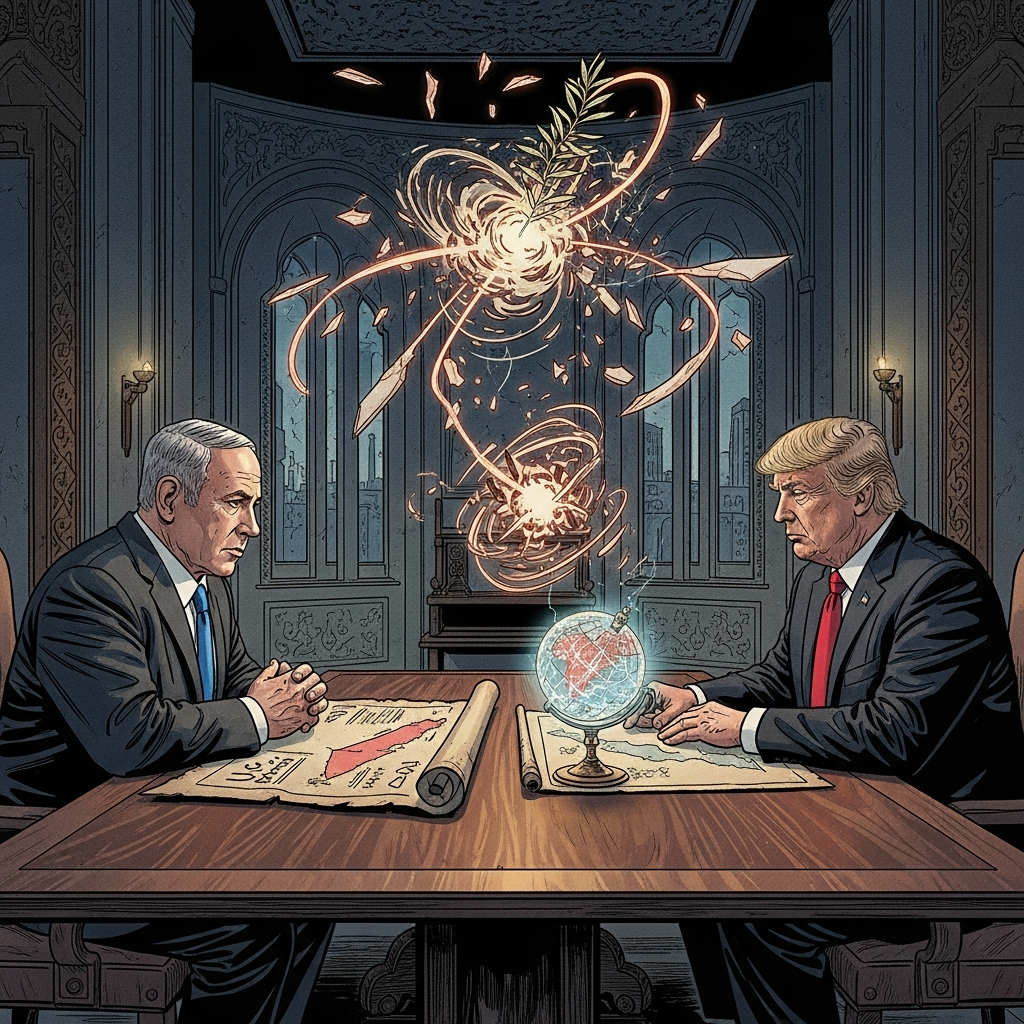
Prime Minister Frederiksen had called the election months earlier than anticipated, reportedly banking on her boosted approval ratings for her firm handling of international crises. Chief among these was the widely reported “Greenland stand-off,” spurred by former US President Donald Trump’s repeated demands to acquire the semi-autonomous Danish territory. Frederiksen’s defiant stance, including reports that Denmark was prepared to destroy Greenland runways if the US invaded, initially bolstered her popularity.
However, the election results reveal that domestic concerns ultimately overshadowed these geopolitical issues. Voters prioritized the rising cost of living, the overall state of the Danish economy, and welfare concerns. Environmental issues also played a significant role, particularly public anxieties over high levels of pesticides in drinking water, linked to pig farming, and the climate footprint of agriculture. This emphasis on internal challenges, rather than international posturing, signals a shift in voter priorities and ultimately undermined Frederiksen’s gamble for a third term. Her popularity, while high during crises, had reportedly waned after six years in power, as voters increasingly focused on everyday issues affecting their lives.
Frequently Asked Questions
What were the key outcomes of the recent Danish general election?
The recent Danish general election resulted in a hung parliament, meaning no single bloc secured the 90 seats needed for a majority in the 179-seat parliament. Prime Minister Mette Frederiksen’s Social Democrats emerged as the largest single party with 21.9% of the vote, but their “red bloc” of left-wing parties only achieved 84 seats, their weakest performance since 1903. The right-wing “blue bloc” secured 77 seats, also falling short. This fragmented result has necessitated complex coalition negotiations to form the next government.
Who holds the pivotal “kingmaker” role in Denmark’s post-election negotiations?
The newly formed Moderates party, led by former Prime Minister Lars Løkke Rasmussen, holds the pivotal “kingmaker” role in Denmark’s post-election negotiations. With 14 seats, their support is crucial for either the left-wing “red bloc” or the right-wing “blue bloc” to achieve a governing majority. Rasmussen has indicated a preference for forming a broad, centrist government, which places him at the heart of the ongoing political discussions and potential power-sharing arrangements.
What challenges must Denmark overcome to form a stable government after this election?
Denmark faces significant challenges in forming a stable government due to the fragmented election results and the lack of a clear majority for any traditional bloc. The primary challenge is navigating complex coalition negotiations that could span days or weeks. Key players like the Moderates’ leader, Lars Løkke Rasmussen, seek a centrist government, contrasting with the Liberal party’s leader, Troels Lund Poulsen, who rejects a coalition with the Social Democrats. Reconciling diverse policy platforms, from economic management to environmental regulations and social welfare, will require extensive compromise to establish a durable administration capable of addressing the nation’s domestic concerns.
Looking Ahead: A Test of Political Resolve
Denmark now faces a period of political uncertainty that will test the resolve and negotiating prowess of its leaders. The historic outcome of the recent Danish election underscores a shifting electorate, one increasingly focused on domestic welfare and economic stability rather than international grandstanding. As Mette Frederiksen remains acting Prime Minister, the stage is set for a delicate dance of political maneuvering. The ultimate composition of Denmark’s next government—and whether Frederiksen can secure a third term—hinges on the ability of disparate parties to find common ground in a deeply divided parliament. The coming weeks will reveal whether a broad, stable coalition can be forged, or if Denmark is headed for further political upheaval.