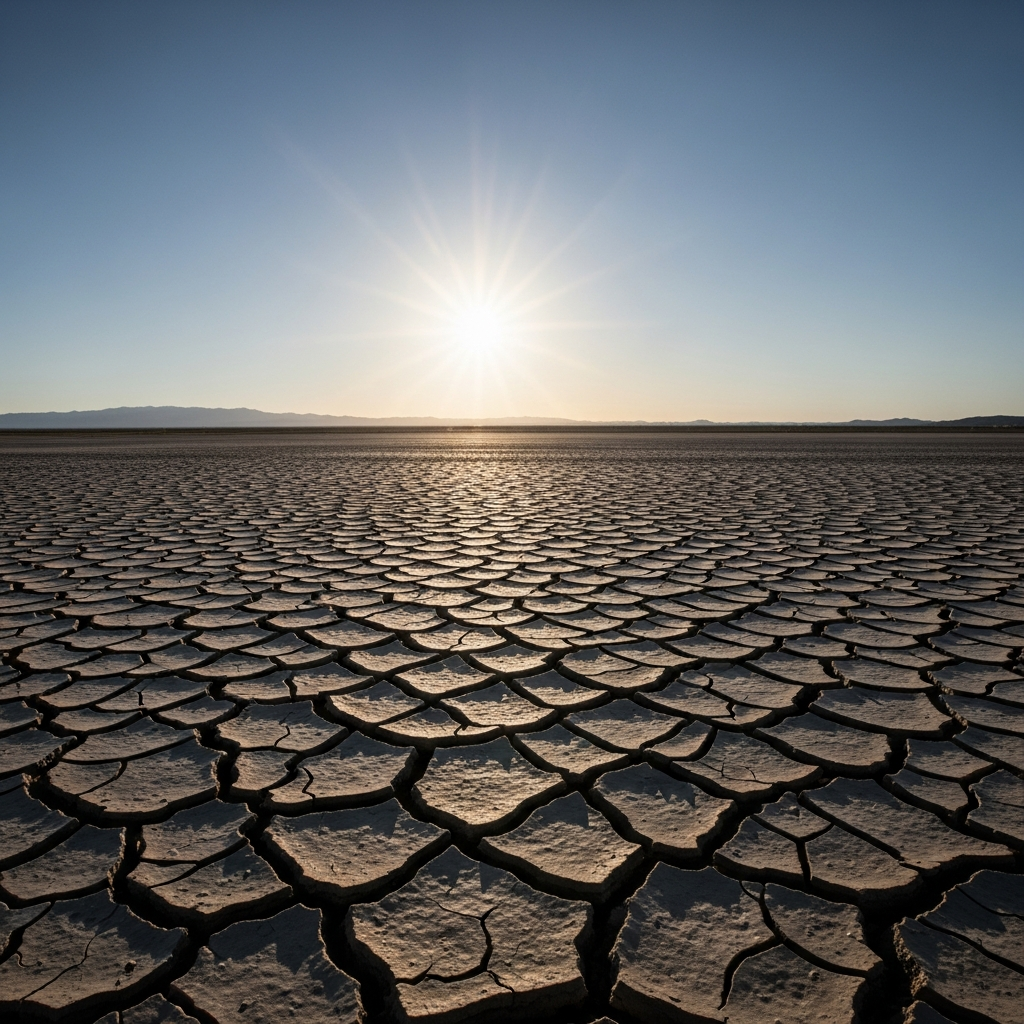
An unprecedented heatwave scorched the U.S. West this March, shattering records and exposing millions to dangerously high temperatures. Scientists have unequivocally concluded this extreme event would have been “virtually impossible” without human-caused climate change. This alarming finding underscores a stark reality: our planet is entering an era of accelerating weather extremes, demanding urgent attention and decisive action. Understanding the science behind this Western heatwave, its immediate impacts, and what it signals for our future is critical for every community.
The West’s Record-Shattering March Heatwave
From March 18-22, 2026, a massive heat dome settled over the Western U.S., subjecting states from the Pacific coast to the Rockies to extraordinary warmth. Temperatures soared up to 30 degrees Fahrenheit above average for the time of year. This intense ridge of high pressure led to widespread record-breaking conditions. In total, 140 cities, stretching from California to Missouri, witnessed new temperature highs.
Numerous specific records were shattered. Martinez Lake, Arizona, reached an astounding 112°F, setting a new U.S. national March temperature record. California’s Buttercup and Squaw Lake also hit 112°F. Even typically cooler areas felt the heat; Death Valley topped 104°F, and San Francisco tied its historic March record at 84°F. This early onset of summer-like conditions left California, Nevada, and Arizona under extreme heat warnings.
Climate Change: Making the “Impossible” a Reality
The scientific community swiftly linked this extreme weather to human-induced climate change. A rapid attribution study by World Weather Attribution, an international consortium of climate researchers, definitively stated the heatwave was “virtually impossible” in a world without global warming. Ben Clarke, an Imperial College London researcher and co-author, described the temperatures as “completely off the scale for March.”
This rigorous analysis involved comparing observed weather and forecast data with climate model simulations. Researchers assessed how heat events have changed in today’s climate compared to a pre-industrial era. The findings are stark: human-caused warming added between 4.7 and 7.2 degrees Fahrenheit to the heatwave’s intensity. Even compared to just a decade ago, the event was approximately 1.4°F hotter.
Unpacking the Scientific Certainty
The study’s conclusions leave no room for doubt. Friederike Otto, a climate science professor at Imperial College London, affirmed, “Climate change is pushing weather into extremes that would have been unthinkable in a preindustrial world.” The Climate Shift Index (CSI) from Climate Central further corroborated this, showing “Level 5” results across wide areas. This indicates climate change increased the odds of such extreme heat by fivefold, making its occurrence in a preindustrial climate vanishingly small.
Despite its increasing likelihood, a heatwave of this magnitude remains a rare event, estimated to occur only once every 500 years in any given location. However, due to climate change, the probability of such an event occurring has quadrupled in just the last decade. This rapid acceleration highlights the profound influence of burning fossil fuels on our planetary systems. March in Western North America now exhibits the most substantial long-term warming signal for heat extremes, with typical March temperatures in parts of the region having risen by as much as 6 degrees Celsius.
Profound Impacts: Beyond the Rising Mercury
The consequences of this unprecedented March heatwave extend far beyond uncomfortable temperatures. Extreme heat is the deadliest form of extreme weather in the U.S. Weather officials raised serious concerns about an increase in heat-related illnesses, particularly among vulnerable populations like outdoor workers, children, and the elderly. Communities were urged to prioritize hydration and stay indoors when possible.
Economically, the impact was immediate and severe. Ski resorts across California and the Tahoe area, including Colorado’s Crested Butte Mountain Resort, were forced to close or significantly shrink operations. Rapid snowmelt and high temperatures devastated what should have been Colorado’s snowiest month, leaving grass greening on the slopes in March 2026. This disruption underscores a critical shift in the seasons that people and nature have relied on for centuries.
A Threat to the Western Ecosystem and Economy
The early and intense heat poses significant long-term threats to the Western U.S.
Water Scarcity: Snowpack, a vital water source for the arid West, was already near record lows. The heat accelerated melting, exacerbating concerns for critical water supplies.
Wildfire Risks: Drier conditions and early vegetation growth prime the landscape for a more intense and prolonged wildfire season.
Agriculture: Indirect effects on agriculture, water supply, and wildfires are projected to cost billions of dollars, impacting local economies and food security.
Ecological Shifts: The National Phenology Network reported spring leaf-out running weeks ahead of average. This early growth leaves plants vulnerable to potential future freezes, disrupting natural cycles.
A Glimpse into the Future: “Next-Level Weather Wildness”
The March heatwave is not an isolated incident; it’s a clear signal of what experts call “next-level weather wildness.” The U.S. is now breaking 77% more hot weather records than in the 1970s, and 19% more than in the 2010s. Data from NOAA’s Climate Extremes Index shows the area of the U.S. affected by extreme weather has doubled in the past five years compared to two decades ago.
The financial burden of these “ultra-extreme” weather events is escalating dramatically. Billion-dollar weather disasters in recent years are twice as high as 10 years ago and nearly four times higher than 30 years ago. Craig Fugate, former FEMA director, noted that his agency increasingly operates “outside the historical playbook.” He observed that events consistently exceed the parameters of existing flood maps, surge models, and heat records. “Insurers are walking away,” he starkly stated, highlighting the unsustainable nature of current climate risks.
Urgent Call for Policy and Preparedness
The scientific evidence is overwhelming: extreme weather events like the Western heatwave are a direct consequence of human-caused global warming. Professor Friederike Otto emphasizes, “The threat isn’t distant – it is here, it is worsening and our policy must catch up with reality.” This requires fundamental changes in how societies prepare for and respond to an increasingly unpredictable climate.
Addressing this crisis demands a multi-faceted approach. Reducing reliance on fossil fuels through rapid transitions to clean energy is paramount. Beyond mitigation, communities must focus on adaptation strategies to protect vulnerable populations and critical infrastructure. This includes developing robust emergency response plans for heat events, investing in water conservation, and implementing effective wildfire prevention. Equipping journalists and the public with a clear understanding of the climate connection in weather events is also crucial for driving informed action.
Frequently Asked Questions
How did scientists determine the recent Western heatwave was ‘virtually impossible’ without climate change?
Scientists from World Weather Attribution conducted a rapid attribution study. They used climate model simulations to compare the likelihood and intensity of such a heatwave in a world with human-caused climate change versus a hypothetical pre-industrial world without it. Their analysis revealed that the heatwave was approximately 4.7 to 7.2 degrees Fahrenheit hotter than it would have been historically, and its probability was significantly increased by current greenhouse gas levels, making its natural occurrence highly improbable.
What are the most significant long-term impacts of such extreme March heatwaves on the U.S. West?
These intense early-season heatwaves severely impact crucial Western resources and ecosystems. They accelerate snowmelt, drastically reducing vital water supplies from mountain snowpack. This, in turn, intensifies drought conditions and increases the risk and severity of wildfires. Such heat also stresses agriculture, costs billions in damages, and disrupts natural cycles like early spring plant growth, leaving vegetation vulnerable to subsequent weather fluctuations.
Given these record-breaking heat events, what urgent actions are experts calling for to address climate change?
Experts are urging immediate and drastic reductions in fossil fuel emissions to curb global warming. They also call for comprehensive policy reforms that prioritize climate resilience and adaptation strategies. This includes strengthening infrastructure, protecting vulnerable communities from heat-related illnesses, improving water management, and developing robust wildfire prevention plans. There’s a strong emphasis on public education and empowering media to accurately report the climate connection to extreme weather events.
Embracing a New Reality
The March 2026 Western heatwave serves as a powerful reminder of our changing climate. It is a tangible manifestation of what decades of scientific warnings have predicted. As extreme weather events become more frequent and intense, ignoring the clear signals from our planet is no longer an option. A collective, urgent shift toward sustainable practices and proactive climate policies is essential to mitigate future risks and build more resilient communities. The time for decisive action is now.