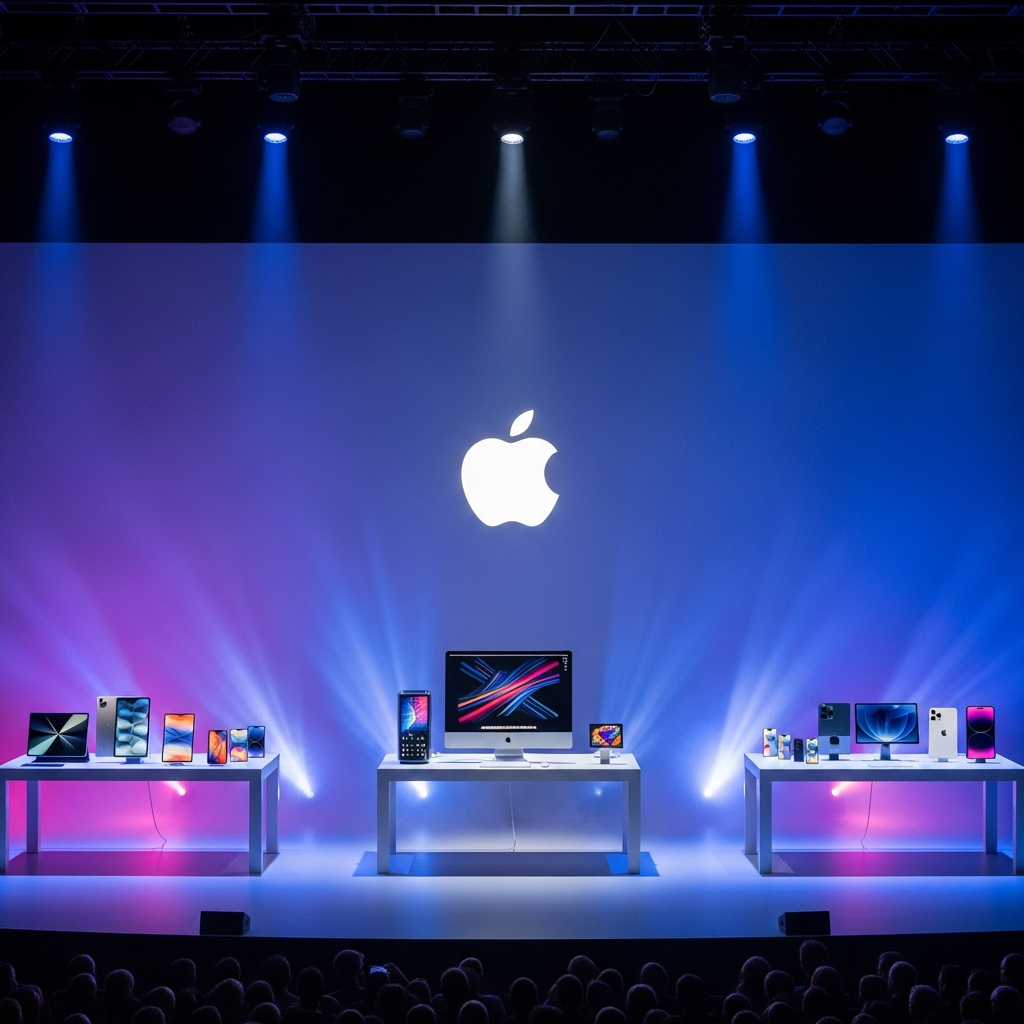
The future of digital interaction is poised for a significant transformation as Apple prepares to unveil a groundbreaking evolution of its long-standing voice assistant, Siri. Expected to debut as an advanced artificial intelligence agent, this enhanced Siri promises to reshape how users engage with their devices, moving beyond simple commands to offer truly conversational and context-aware interactions. Industry reports indicate a grand reveal at the upcoming Worldwide Developers Conference (WWDC26), signaling Apple’s concerted push into the next era of AI.
The Dawn of a New Siri: Beyond Voice Commands
Sources close to Apple reveal that the revamped Siri will transcend its current capabilities. It’s set to become a sophisticated AI agent, fluent in both text and voice conversations. This isn’t just a cosmetic update; it’s a fundamental reimagining of Siri’s core intelligence. The new system will possess the impressive ability to delve into a user’s personal data – specifically messages, notes, and emails – to craft highly relevant and personalized responses. Imagine Siri not just setting a reminder, but understanding context from a recent email conversation to suggest the most appropriate time and details.
Furthermore, this intelligent assistant will execute complex tasks directly within applications. From organizing your calendar based on shared documents to finding specific information across various apps, the potential for streamlining daily digital life is immense. Enhanced news access and comprehensive web search capabilities are also part of this ambitious overhaul, positioning Siri as a central hub for information and productivity across the Apple ecosystem.
WWDC26: The Global Stage for Apple Intelligence
The highly anticipated unveiling of this next-generation Siri is slated for June 8, 2026. This date marks the commencement of Apple’s annual Worldwide Developers Conference (WWDC), a critical event for showcasing the company’s software innovations. Apple itself confirmed in a press release that WWDC26, scheduled to run online from June 8-12, will highlight “incredible updates for Apple platforms, including AI advancements and exciting new software and developer tools.” This aligns perfectly with the reports of Siri’s dramatic transformation, signaling that AI will be a core theme of the conference. Developers worldwide are eager to learn how these new AI tools will integrate into their own applications.
Beyond the Initial Launch: Apple’s Future AI Ambitions
While the immediate focus is on the WWDC26 debut, Apple’s long-term vision for AI extends even further. Future plans reportedly include the introduction of a standalone Siri application. This could offer a more dedicated and feature-rich environment for advanced AI interactions. Additionally, a system-wide “Ask Siri” feature is said to be in development. This ubiquitous capability would allow Siri’s enhanced intelligence to permeate every corner of Apple’s operating systems, working seamlessly across all native and third-party applications. These potential offerings are currently undergoing internal testing, indicating Apple’s strategic, multi-phase approach to AI integration.
Interestingly, the intensive development behind this advanced Siri has had broader implications. Earlier reports indicated that this monumental undertaking contributed to the delay of a long-awaited smart home display device from Apple, originally scheduled for launch the previous year. This suggests the sheer scale and complexity of bringing such an intelligent agent to fruition.
The Broader Context: Apple’s “Intelligence” Philosophy
Providing insight into the company’s overarching AI strategy, Apple CEO Tim Cook articulated a clear philosophy during a January earnings call. Cook stated that Apple Intelligence – the company’s comprehensive AI initiative – is conceived not as a standalone product. Instead, it functions as an operating-system-level capability. This strategic integration is designed to elevate the inherent value of Apple’s entire ecosystem, thereby creating diverse avenues for monetization across its extensive range of hardware and services.
Cook emphasized, “We’re bringing Intelligence to more of what people love.” He further explained the company’s commitment to integrating AI “across the operating system in a personal and private way.” This approach, he believes, will “create great value and that opens up a range of opportunities across our products and services.” This vision underscores Apple’s characteristic emphasis on user experience and privacy as foundational pillars for its AI advancements.
iOS 27: A Foundation for AI Innovation
Adding further context to Apple’s strategic maneuvers, Bloomberg’s Mark Gurman suggests that the upcoming iOS 27 update will predominantly concentrate on performance enhancements and critical bug fixes. Rather than introducing a plethora of flashy new features, this “tonal reset” aims to ensure a robust and stable foundation for future innovations. This strategic focus is often compared to Apple’s highly successful 2009 “Snow Leopard” Mac update, which similarly prioritized stability and underlying code cleanup over novel functionalities.
This emphasis on refinement is particularly important given mixed reactions to the “Liquid Glass” visual overhaul introduced in iOS 26. While the translucent style aimed for a modern aesthetic, some users found it challenging to read. Reports indicate that iOS 27 will not abandon the Liquid Glass design. Instead, it will meticulously refine the existing interface, directly addressing user feedback and enhancing readability. This meticulous groundwork is crucial for supporting the demanding processing needs and seamless integration of a cutting-edge AI assistant like the new Siri.
Powering Siri: Google Gemini Integration and Regaining AI Ground
Internally codenamed “Campos,” the ambitious transformation of Siri into a state-of-the-art AI chatbot is a significant undertaking for Apple. Reuters has reported that Apple has secured a pivotal deal to integrate Google’s powerful Gemini models to drive these enhancements. This collaboration highlights Apple’s strategic approach to leveraging external expertise to accelerate its AI development. This move is widely seen as Apple’s proactive effort to regain competitive ground and substantially improve its AI offerings. The goal is to provide a more dynamic and capable AI experience for users globally.
Challenges and Expectations for Apple’s AI Future
Apple faces a considerable challenge: delivering a major quality boost in AI while simultaneously managing the complex rollout of new, foundational features. There’s a concern that if the Siri update is delayed or falls short of expectations, iOS 27 could feel “sparse” to users, even with underlying performance improvements. For developers, the focus will undoubtedly be on tangible enhancements, such as fewer crashes, reduced regressions, and optimized battery life – critical factors for ecosystem stability.
Recent shifts within Apple’s interface team also underscore the evolving landscape. Alan Dye, a long-time head of human interface design, moved to Meta last year. His successor, Steve Lemay, is noted by CEO Tim Cook to have played a crucial role in the design of every major Apple interface since 1999. This leadership transition could influence future design decisions as Apple navigates this new AI-centric era. The ultimate test for Apple will be whether these strategic “refinements” and the advanced Siri translate into genuinely noticeable and valuable changes in users’ daily interactions, truly enhancing the Apple experience.
What This Means for Users and Developers
For everyday Apple users, the implications of an AI agent-like Siri are profound. Imagine a personal assistant that truly understands context, anticipates needs, and proactively helps manage your digital life with minimal effort. Privacy, a core Apple tenet, is expected to remain paramount, with much of the sophisticated AI processing potentially happening on-device. Developers, on the other hand, will gain unprecedented tools and APIs to integrate Siri’s advanced intelligence into their own applications, opening up new frontiers for innovative features and functionalities. This could lead to a wave of more intuitive and powerful apps across the Apple ecosystem, from productivity tools to creative suites.
Frequently Asked Questions
What new capabilities will the AI-powered Siri offer users?
The upcoming AI-powered Siri will introduce significantly enhanced conversational interactions, enabling natural communication via both text and voice. It will be able to access and utilize information from a user’s messages, notes, and emails to provide contextually relevant responses. Additionally, it will execute tasks directly within apps, retrieve news content, and perform comprehensive web searches, making it a highly intelligent and integrated personal assistant.
When and where will Apple officially unveil the enhanced Siri?
Apple is scheduled to officially unveil the enhanced Siri on June 8, 2026. This date marks the opening day of the company’s annual Worldwide Developers Conference (WWDC26), which will be hosted online. The announcement aligns with Apple’s previous statements confirming that WWDC26 will highlight significant “AI advancements” across its platforms.
How does Apple’s new AI strategy compare to previous approaches or competitors?
Apple’s new AI strategy, dubbed “Apple Intelligence,” views AI as an operating-system-level capability rather than a standalone product. This aims to integrate AI seamlessly across the entire Apple ecosystem, enhancing the value of hardware and services. Unlike some competitors, Apple emphasizes personal and private integration, with a focus on refining existing user experiences (like iOS 27 prioritizing stability and the “Liquid Glass” interface) while leveraging strategic partnerships, such as integrating Google’s Gemini models for Siri’s enhancements, to rapidly advance its AI offerings.
Conclusion
Apple’s impending introduction of an AI agent-like Siri marks a pivotal moment for the company and the broader technology landscape. This isn’t merely an update; it’s a fundamental shift towards a more intuitive, personalized, and proactive digital assistant. By integrating advanced conversational AI, leveraging personal context, and building upon a stable operating system foundation, Apple is poised to redefine user interaction. The unveiling at WWDC26 will be a closely watched event, promising to showcase how Apple intends to lead with its unique blend of innovation, privacy, and ecosystem integration in the fiercely competitive world of artificial intelligence. The future of interaction is about to get a whole lot smarter.