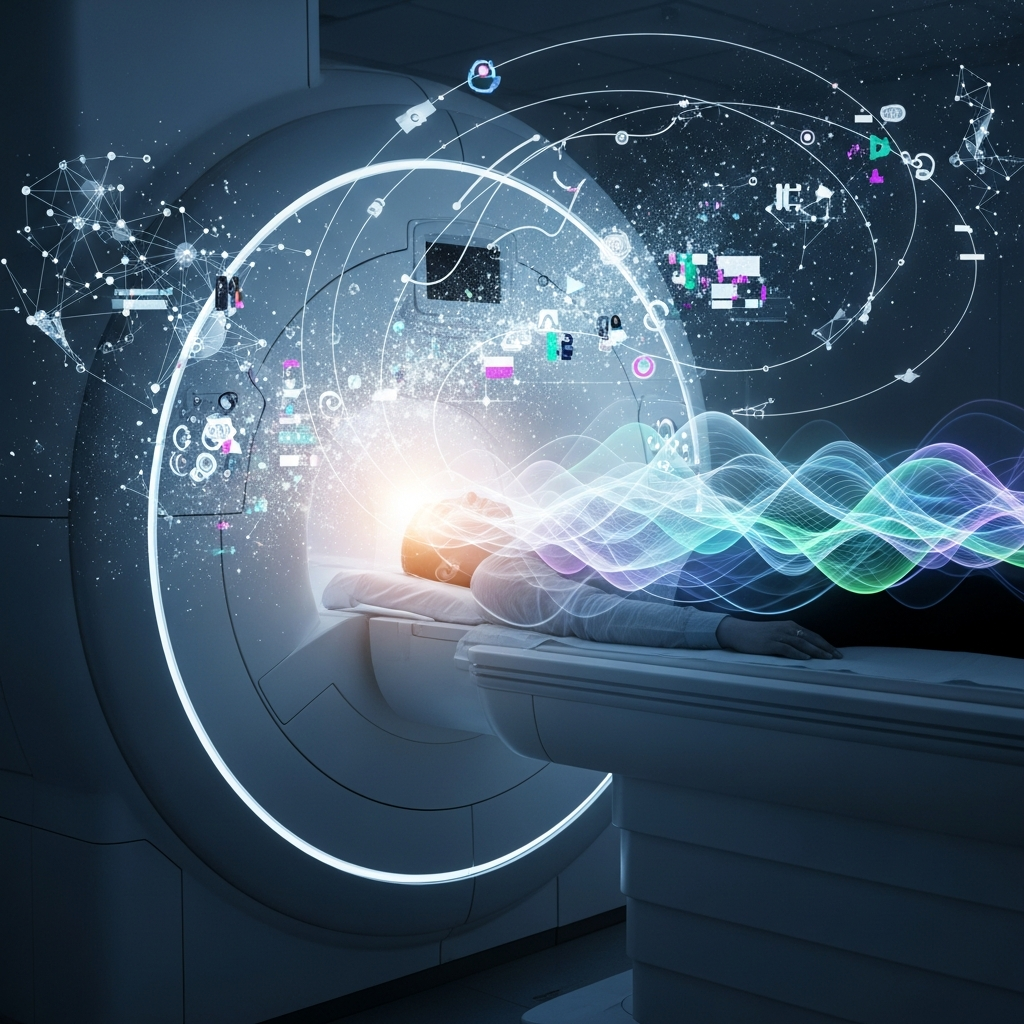
The hum of an MRI machine, often a source of unease, can paradoxically bring clarity. For one individual, sliding headfirst into its giant maw marked a profound turning point, silencing the persistent clamor of AI anxiety. This deeply personal account reveals how a sudden health scare can act as a powerful reset, forcing a re-evaluation of priorities and a shift from digital dread to genuine well-being.
The Unseen Burden of AI Anxiety
In today’s rapidly evolving technological landscape, the promise and peril of artificial intelligence loom large. For many, including this editor and reporter focused on AI’s societal impact, the “anxiety economy” surrounding AI can be all-consuming. This specific individual loved their job, dedicating their professional life to understanding how AI reshapes our world, from chatbots to job displacement. Yet, this deep immersion came at a cost: an escalating, often unrecognized, burden of anxiety about the future of work and humanity itself.
The term “AI anxiety” encapsulates a spectrum of fears: job displacement, ethical concerns, algorithmic bias, or even existential dread about superintelligence. These worries, though often abstract, can manifest in very real ways, impacting mental health and overall quality of life. The constant consumption of news and expert opinions, while essential for a professional in the field, inadvertently fuels this cycle of worry, making it difficult to step back and find perspective.
When the Body Sounds the Alarm: A Frightening Vertigo Episode
The psychological weight of such persistent worry can often translate into physical symptoms. One ordinary day, while on a bus in San Francisco, the author was suddenly struck by an intense episode of vertigo. This wasn’t just a minor dizzy spell; it was so severe that it led to an emergency room visit and a stay in the ICU, where doctors initially feared a stroke. Undergoing urgent CT scans and MRIs, the experience was terrifying and disorienting.
This alarming physical manifestation highlights a crucial body-mind connection. Intense emotional states, whether from chronic stress, acute panic, or even the heightened emotions of a “crush,” can trigger significant physiological responses. Neurotransmitters like adrenaline and cortisol surge, activating the brain’s emotional processing centers and initiating a “fight or flight” response. This chemical cascade can lead to various physical sensations, including a pounding heart, difficulty breathing, and notably, dizziness or vertigo. Just as the intense uncertainty of a new crush can make one feel “tortured” and “dizzy” due to fluctuating serotonin and adrenaline, severe anxiety can similarly create a state of physical distress, making benign sensations feel alarming.
Distinguishing Symptoms: Anxiety, Stress, or Severe Illness?
The immediate fear of a stroke, while understandable given the severity of the vertigo, underscores a common challenge: deciphering whether distressing physical symptoms are signs of a serious underlying illness or manifestations of anxiety. Health anxiety, or hypochondriasis, affects a significant portion of the population. Individuals with health anxiety often experience excessive worry about being sick, misinterpreting normal bodily sensations or minor symptoms as indicators of severe disease. For example, a numb arm from sleeping might be perceived as a stroke, or heart palpitations as a heart attack.
Anxiety itself can produce a wide array of physical symptoms—muscle tension, chest pain, altered heart rate, headaches, and dizziness—which can then feed back into the health anxiety cycle, intensifying fears. While medical evaluation is always crucial to rule out serious conditions, understanding how stress and anxiety profoundly impact the body is equally vital for a holistic approach to health. Recognizing this interplay helps prevent an endless cycle of worry and unnecessary medical tests, which rarely provide lasting reassurance for those gripped by health anxiety.
The Transformative Realization: A Life Beyond Work
In the quiet, stark environment of the ICU, a question from a nurse cut through the anxiety: “Do you have a stressful job?” This simple inquiry, coupled with the stark reality of facing a potential life-threatening event, sparked a profound realization for the author: “I don’t want to die thinking about my job!” This became the pivotal “reset” moment, a re-prioritization that shifted focus from relentless professional anxiety to the fundamental value of life itself.
This epiphany is common for individuals who experience significant health scares or near-misses. Such events often force a pause, a deep introspection on how one spends their days and what truly matters. The author, who had previously balanced perspectives on AI, acknowledging both its pros and cons, realized that intellectual understanding wasn’t enough to counteract the emotional toll of constant worry. The health scare illuminated the direct cost of living perpetually consumed by the “anxiety economy.”
Hormones, Health, and Hidden Triggers
Beyond general stress and anxiety, other physiological factors can contribute to symptoms like vertigo and anxiety, especially for women. Hormonal shifts, particularly during perimenopause and menopause when estrogen levels decline, can affect nearly every organ system due to the widespread presence of estrogen receptors. These changes can lead to a multitude of “unusual” symptoms, often unrecognized by those experiencing them.
Dizziness, unsteadiness, or vertigo can be linked to estrogen’s role in inner ear function. Fluctuating hormones also commonly contribute to new or worsening anxiety, panic disorder, depression, and generalized fatigue. Other symptoms might include brain fog, memory lapses, joint pain, and even cardiac palpitations. While the author’s specific situation is not diagnosed, this broader context highlights that intense physical symptoms, even seemingly bizarre ones, are often legitimate and can have complex, multi-factorial origins beyond just immediate stress or a severe, obvious disease. Consulting specialists who understand these nuances is crucial for comprehensive care.
Navigating the Aftermath: Steps Towards a Healthier Mindset
The vertigo scare served as an urgent call to action. The author resolved not to let anxiety consume their days, understanding that such a mindset wouldn’t lead to a long, fulfilling life. This commitment to self-preservation offers valuable lessons for anyone grappling with persistent worry, whether it’s related to AI, work, or general life stressors.
Practical Strategies for a Healthier Mindset:
Recognize Burnout Signals: Learn to identify the early warning signs of excessive stress, such as chronic fatigue, irritability, difficulty concentrating, or persistent physical symptoms like headaches or digestive issues.
Prioritize Self-Care: Make non-negotiable time for activities that replenish your energy. This includes adequate sleep (7-9 hours), a balanced diet, regular physical activity, and mindfulness practices like meditation or deep breathing. Just as the brain needs to rebalance after an intense physiological event, it needs consistent care to manage daily stressors.
Set Healthy Boundaries: Clearly define the separation between work and personal life. Disconnect from work emails and discussions during off-hours. Learn to say no to additional commitments that overextend you.
Seek Professional Support: If anxiety is chronic, debilitating, or significantly impacting daily life, professional help is essential. Cognitive Behavioral Therapy (CBT) and other forms of psychotherapy can provide tools to manage anxiety, reframe negative thought patterns, and develop coping mechanisms. Medications can also be highly effective in certain cases.
- Embrace a Balanced Perspective: Acknowledge that life will always have uncertainties. Focus on what you can control and cultivate resilience in the face of the unknown. For AI anxiety, this means staying informed but avoiding endless doom-scrolling, and focusing on adapting skills and understanding AI as a tool rather than an existential threat.
- health.clevelandclinic.org
- www.gq.com
- www.health.harvard.edu
- www.medicalnewstoday.com
- www.self.com
Reframing AI: From Threat to Tool
The author, neither a “Pollyanna” nor a “doomer,” has consistently explored the multifaceted nature of AI. This balanced perspective is crucial. Instead of letting the fear of AI consume us, the challenge lies in understanding its nuances, advocating for ethical development, and adapting to new realities. The personal health scare underscored that while AI is important, one’s health and peace of mind are paramount. It’s a reminder that genuine value comes from living fully, not from being perpetually absorbed in future anxieties.
Frequently Asked Questions
How does anxiety cause physical symptoms like vertigo or dizziness?
Anxiety triggers the body’s “fight or flight” response, leading to a surge of stress hormones like adrenaline and cortisol. This intense physiological reaction can affect various bodily systems, including blood pressure, heart rate, and even the vestibular system responsible for balance. The brain’s emotional centers become overactive, causing sensations of lightheadedness, unsteadiness, or full-blown vertigo. This physical manifestation is a direct result of the brain’s attempt to cope with perceived threats, making seemingly benign physical symptoms feel alarming.
When should you seek medical help for vertigo or severe anxiety?
It is crucial to seek immediate medical attention for sudden, severe vertigo, especially if accompanied by symptoms like numbness, weakness, difficulty speaking, or vision changes, as these could indicate a stroke or other serious neurological condition. For persistent or debilitating anxiety, or if physical symptoms like dizziness or heart palpitations become chronic, consult your primary care physician. They can rule out underlying medical issues and, if necessary, refer you to mental health specialists or neurologists for appropriate diagnosis and treatment.
What strategies can help manage AI-related anxiety and workplace stress?
To manage AI anxiety and workplace stress, first establish clear boundaries between work and personal life to prevent burnout. Practice mindfulness and relaxation techniques to reduce stress hormones. Critically evaluate information sources about AI, focusing on balanced perspectives rather than sensationalism. For AI-specific worries, engage in continuous learning to adapt skills, and participate in discussions about ethical AI development. If anxiety persists, seeking professional support from a therapist specializing in anxiety disorders can provide effective coping mechanisms and strategies.
Conclusion: Embracing a Balanced Future
The sudden onset of vertigo served as an unexpected, yet powerful, catalyst for change. It transformed a professional deeply immersed in the nuances of AI into someone prioritizing health and peace of mind above all else. This personal journey from AI anxiety to a renewed sense of purpose offers a universal lesson: while the world continues to evolve with rapid technological advancements, the most profound and essential investments we can make are in our own well-being.
By recognizing the intricate link between our mental state and physical health, we can actively seek balance, manage our anxieties, and ensure that our lives are defined by genuine value rather than consuming worry. The “vertigo reset” reminds us that living fully, present and intentional, is the ultimate goal, enabling us to approach complex challenges like AI with clarity, resilience, and a healthier perspective.