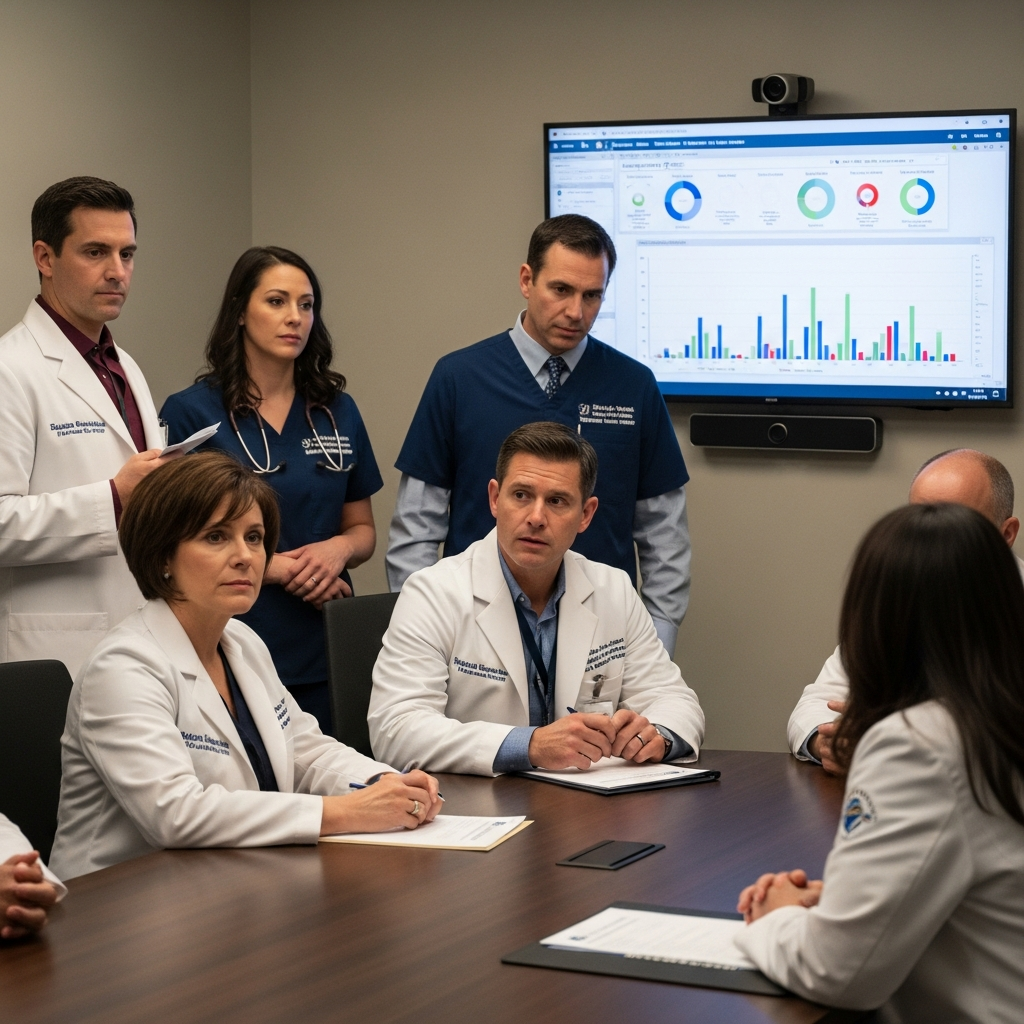
A concerning trend is emerging across the Northstate region, with doctors at Shasta Regional Medical Center (SRMC) observing a significant increase in colon cancer diagnoses among younger adults. This development is particularly alarming as the disease, often considered one that primarily affects older populations, is now impacting individuals below the previously recommended screening age. With March marking National Colorectal Cancer Awareness Month, medical professionals are urging heightened vigilance and proactive health measures to combat this silent but preventable threat.
The Alarming Rise: Colon Cancer in Younger Adults
Board Certified Gastroenterologist Dr. Prathibha Chandrasekaran from Shasta Regional Medical Center highlights a stark contrast in colon cancer trends. While screening protocols have led to a significant decline in incidence among older adults, the disease has “somewhat skyrocketed in younger people.” This shift signals an urgent need for awareness and a re-evaluation of personal risk factors, even for those who consider themselves healthy and youthful.
Colon cancer, also known as colorectal cancer, is notoriously stealthy. Dr. Chandrasekaran warns that it frequently progresses without noticeable symptoms until it reaches advanced stages. This silent nature makes proactive screening and understanding potential risk factors crucial for early detection and successful treatment.
Why the Shift? Lifestyle, Environment, and Stress
Several factors are believed to contribute to this troubling rise in younger adults. Dr. Chandrasekaran points to modern lifestyle choices, increasing exposure to environmental toxins, and elevated stress levels as key culprits. These elements can collectively create an environment within the body that promotes cellular changes leading to cancer development. Understanding these influences empowers individuals to make informed decisions about their health.
For instance, dietary patterns high in processed foods and low in fiber can disrupt gut health, a known factor in colorectal cancer risk. Sedentary lifestyles contribute to obesity, another significant risk factor. Furthermore, chronic stress can impact the immune system and inflammation pathways, potentially making the body more vulnerable to disease.
The Power of Prevention: Early Screening and Detection
Despite the alarming statistics, there is a powerful message of hope: colon cancer is largely preventable. The effectiveness of screening in older populations, leading to a reduction in their incidence rates, underscores this point. Regular screening allows for the detection and removal of precancerous polyps before they can develop into full-blown cancer.
In response to the evolving epidemiological patterns, the medical community has updated its guidelines. The recommended age for initial colorectal cancer screening has now been lowered to 45 years for individuals of average risk. This change is a direct acknowledgment of the increasing prevalence of the disease in younger demographics.
Why Age 45? The Critical Window
The decision to lower the screening age to 45 is based on mounting evidence that a significant number of cases are now appearing in people in their late 40s and early 50s. By starting screenings earlier, medical professionals aim to catch polyps and early-stage cancers before they become more difficult to treat. It’s a proactive step to close the gap created by the silent progression of the disease.
Shasta Regional Medical Center staff emphasize the profound impact of early detection. When colorectal cancer is identified in its earliest stages, the five-year survival rate soars to over 90%. This statistic vividly illustrates why adhering to screening guidelines and consulting with a doctor about personal risk is not just recommended, but vital.
Taking Control: Actionable Lifestyle Strategies for Prevention
While regular screening is essential, individuals can also significantly reduce their risk of colon cancer through conscious lifestyle choices. SRMC staff advocate for several impactful adjustments that promote overall health and specifically target colorectal cancer prevention.
Here are key actionable strategies to incorporate into your daily life:
Boost Fiber-Rich Foods: Increase your intake of fruits, vegetables, and whole grains. These foods are packed with fiber, which aids digestion, promotes gut health, and helps eliminate waste products, reducing exposure to potential carcinogens in the colon.
Limit Red and Processed Meats: Reduce consumption of red meats (like beef, pork, lamb) and processed meats (such as bacon, sausage, deli meats). Studies have linked high intake of these foods to an increased risk of colorectal cancer.
Avoid Tobacco and Excessive Alcohol: Both tobacco use and heavy alcohol consumption are established risk factors for various cancers, including colorectal cancer. Quitting tobacco and moderating alcohol intake can significantly lower your risk.
Stay Active: Engage in regular physical activity. Exercise helps maintain a healthy weight, reduces inflammation, and improves gut motility, all contributing to a lower cancer risk.
- Maintain a Healthy Weight: Obesity is a significant risk factor for colon cancer. Striving for and maintaining a healthy body weight through diet and exercise is a powerful preventative measure.
- krcrtv.com
- krcrtv.com
- www.redding.com
- www.desertsun.com
- krcrtv.com
Shasta Regional Medical Center: A Local Hub for Health
Shasta Regional Medical Center remains at the forefront of addressing critical health concerns within the Northstate community. Their gastroenterology specialists, like Dr. Chandrasekaran, are actively observing and responding to these evolving health trends. Their commitment to patient education and proactive care plays a vital role in empowering residents to take charge of their health and well-being. By highlighting these urgent issues and offering clear, actionable advice, SRMC reinforces its dedication to the community’s health.
Frequently Asked Questions
Why is colon cancer increasing in younger adults, and what factors contribute to this rise?
Colon cancer incidence has seen a concerning increase in younger adults, even as it declines in older populations due to effective screening. Dr. Prathibha Chandrasekaran at Shasta Regional Medical Center attributes this rise to several factors: modern lifestyle choices, including diet and sedentary habits; increasing exposure to environmental toxins; and elevated stress levels. These elements can collectively create conditions that promote the development of colon cancer in younger individuals who may not suspect they are at risk.
When should younger adults consider getting screened for colorectal cancer, especially if they have no symptoms?
Medical guidelines have recently been updated in response to the rising incidence of colon cancer in younger demographics. The recommended age for initial colorectal cancer screening for individuals of average risk is now 45 years. Even without symptoms, proactive screening at this age is crucial because colon cancer often develops silently, with symptoms typically appearing only in advanced stages. Consulting with a healthcare provider about your personal and family history is important to determine the most appropriate screening schedule.
What practical lifestyle changes can help prevent colon cancer in younger individuals?
Shasta Regional Medical Center staff recommend several lifestyle adjustments to reduce the risk of colon cancer. These include significantly increasing the intake of fruits, vegetables, and whole grains, while concurrently limiting consumption of red and processed meats. Other crucial steps involve avoiding tobacco use and excessive alcohol, engaging in regular physical activity, and maintaining a healthy body weight. Adopting these habits can foster overall health and specifically mitigate factors linked to colorectal cancer development.
Take Action for Your Health
The rise of colon cancer in younger adults is a serious call to action. It underscores the importance of not waiting for symptoms but embracing proactive health measures. Understanding your risk, adopting a healthy lifestyle, and adhering to updated screening guidelines starting at age 45 are your best defenses. Speak with your doctor about colorectal cancer screening and how you can take steps today to protect your long-term health. Your future self will thank you.