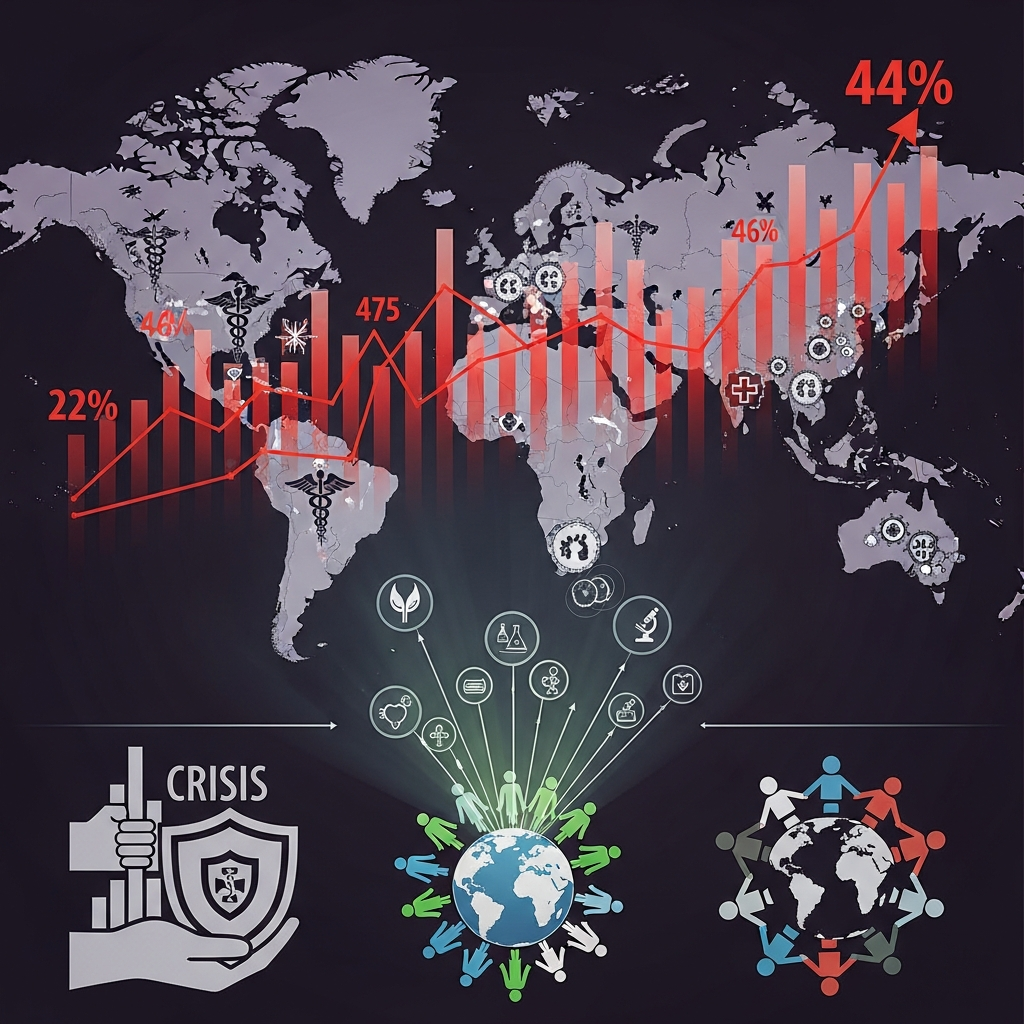
A groundbreaking report from the prestigious medical journal The Lancet has issued a stark warning: the world is facing an escalating breast cancer crisis. By the year 2050, experts project a staggering increase in both new cases and fatalities globally. This urgent forecast demands immediate, coordinated action to fortify healthcare systems, enhance prevention strategies, and ensure equitable access to life-saving treatments worldwide.
The Alarming Projections: A Looming Global Health Crisis
According to the comprehensive study, global incident cases of breast cancer among women are expected to surge to 3.56 million annually by 2050. This represents a significant jump, with projections ranging from 2.29 million to a harrowing 4.83 million cases. Alongside this rise in diagnoses, the report estimates a grim increase in breast cancer-related deaths. Fatalities are forecast to reach 1.37 million globally, potentially ranging from 841,000 to 2.02 million. This translates to an alarming 44% increase in yearly deaths compared to current figures, which stand at approximately 764,000. Without decisive interventions, annual deaths could climb to nearly 1.4 million within the next quarter-century. These numbers underscore the critical need for a global awakening to the impending Global Breast Cancer Crisis.
Unpacking the Drivers: Why are Cases Rising?
The escalating figures are not without cause. A complex interplay of societal and environmental factors is fueling this rise. Changing lifestyles, rapid urbanization, and shifts in reproductive patterns – such as delayed childbirth and lower breastfeeding rates – are significant contributors. Rising obesity rates globally also play a critical role, alongside a concerning lack of early detection infrastructure in many regions.
Beyond these well-known factors, broader trends in cancer incidence offer additional insights. Researchers are observing a perplexing rise in early-onset cancers (diagnosed before age 50), including breast, uterine, and kidney cancers. While not a singular “smoking gun,” potential drivers include disruptions to the body’s microbiome, heavy alcohol consumption, and even environmental factors like microplastics. The “birth cohort effect” theory suggests that generations born after the 1950s have been exposed to a “whole package” of changing environmental and lifestyle risks, accelerating cancer development. This multifaceted challenge highlights the need for comprehensive research into the root causes of this growing burden.
India’s Mounting Breast Cancer Burden: A Case Study
No country exemplifies this rising challenge more acutely than India. Over the past three decades, India has witnessed a fivefold increase in its breast cancer burden since 1990. This dramatic growth is directly linked to the country’s rapid urbanization and evolving societal norms. Breast cancer has emerged as one of the most common cancers affecting Indian women, particularly in urban centers.
A critical concern is the prevalent late-stage diagnosis among Indian women. This delay significantly diminishes survival chances and inflates treatment costs, placing immense strain on both individual families and the healthcare system. Addressing India’s unique challenges requires targeted public health campaigns, improved accessibility to screening, and affordable treatment options to reverse this worrying trend.
A Tale of Two Worlds: Global Disparities in Breast Cancer Outcomes
The Lancet report starkly reveals a profound global divide in breast cancer outcomes. High-income nations (HICs) have demonstrated remarkable progress, with stable incidence rates and declining mortality. This success is largely attributable to robust early screening programs, timely diagnoses, and access to advanced treatment technologies and drugs.
In stark contrast, low and lower-middle-income countries (LLMICs) are experiencing a concerning rise in both new cases and deaths. These nations grapple with severe health system deficiencies, including a critical shortage of essential infrastructure like radiotherapy machines, limited access to crucial chemotherapy drugs, and prohibitively high out-of-pocket treatment costs. The inequality is alarming: women in LLMICs account for only 27% of new global cases but bear over 45% of all breast cancer-related illness and early deaths. This demonstrates a dire need for investment in healthcare infrastructure and affordable care solutions in these vulnerable regions. Without immediate policy changes, increased funding, expanded awareness initiatives, and broader screening programs, many countries are at risk of failing to meet the World Health Organization’s ambitious Global Breast Cancer Initiative target of a 2.5% annual reduction in age-standardized mortality rates by 2040. This widening gap could exacerbate existing global health inequalities.
Beyond the Numbers: Hope, Advancements, and the Path Forward
Despite the alarming projections, there is significant hope. While overall cancer incidence rates have risen by 13% over the past two decades, groundbreaking research and advancements in medical science offer increasing optimism. For breast cancer specifically, survival rates have improved by approximately 25% since the early 1990s. This progress stems from critical breakthroughs, such as the long-term effectiveness of drugs like Tamoxifen, and a rapidly expanding understanding of cancer biology. Scientists now classify breast cancer into at least ten distinct diseases, paving the way for more precise, type-specific therapies. High-tech radiotherapy is also a core contributor, significantly preventing recurrence and increasing long-term survival.
Understanding Early-Onset Cancers: A Broader Concern
The growing trend of early-onset cancers, affecting individuals under 50, warrants focused attention. For some cancers, like colorectal, early-onset forms are proving to be biologically more aggressive. There’s also evidence of inherited genetic changes, such as in BRCA1/2 or Lynch syndrome genes, contributing to nearly 20% of early-onset cancers in patients under 35. While genetics alone cannot explain the rapid rise, it highlights the importance of comprehensive genetic testing post-diagnosis. Healthcare providers are increasingly aware of this trend, but it’s crucial for younger individuals to recognize potential “red flag” symptoms and seek prompt medical attention, avoiding diagnostic delays that can span months.
Prevention: Empowering Individuals and Communities
A substantial portion of cancers—over four in ten—could be prevented through modifiable lifestyle choices. Simple yet profound changes like avoiding smoking, adopting healthier diets, moderating alcohol intake, and maintaining a healthy weight can significantly reduce risk. Public health campaigns, similar to “Pink October” initiatives globally, play a vital role in educating communities on these preventable factors and the critical importance of early detection through regular screening. Strengthening primary healthcare systems and ensuring access to affordable treatments are fundamental steps. Promoting awareness about early warning signs empowers individuals to seek help sooner, transforming a potential crisis into a treatable condition.
Frequently Asked Questions
What is the projected rise in global breast cancer cases and deaths by 2050?
By 2050, global incident cases of breast cancer among women are projected to reach 3.56 million, with an estimated range of 2.29 million to 4.83 million. Simultaneously, deaths due to breast cancer are forecast to reach 1.37 million globally, potentially ranging from 841,000 to 2.02 million. This signifies a projected 44% increase in annual deaths compared to current figures if no substantial interventions are implemented.
How do outcomes for breast cancer patients differ between high-income and low-income countries?
High-income countries have stable incidence rates and declining mortality due to successful early screening, timely diagnosis, and access to advanced treatments. In contrast, low and lower-middle-income countries face rising cases and deaths. They struggle with healthcare system gaps, including shortages of radiotherapy machines, limited access to chemotherapy drugs, and high out-of-pocket treatment costs. Consequently, these countries account for only 27% of new global cases but suffer over 45% of all breast cancer-related illness and early deaths.
What immediate actions are experts recommending to combat the growing breast cancer crisis?
Experts are calling for immediate global action. Key recommendations include strengthening primary healthcare systems, ensuring equitable access to affordable treatment, promoting widespread regular screening programs, and expanding awareness campaigns about early warning signs. These interventions are crucial to improving early detection, reducing late-stage diagnoses, and ultimately lowering breast cancer mortality rates worldwide, especially in vulnerable populations.
A Call to Action
The warning from The Lancet is unequivocal: the future of breast cancer demands our collective attention. While the rising incidence is a significant concern, advancements in understanding and treatment offer a powerful counter-narrative of hope. The path forward is clear: governments, health systems, and communities must act decisively. By strengthening infrastructure, ensuring equitable access to care, and empowering individuals with knowledge and screening opportunities, we can confront this Global Breast Cancer Crisis head-on and transform the projected grim statistics into a future of improved health outcomes for millions.
Word Count Check: 1045 words