The specter of polio, a disease once eradicated from the U.S., looms large again. A recent proposal from a former Trump administration adviser to make childhood polio and measles vaccines optional in public schools has ignited profound fear among survivors and public health experts. This suggestion challenges decades of successful immunization policy, raising urgent questions about America’s readiness for a potential resurgence. Can the nation afford to forget the devastating lessons of the past?
A Dangerous Proposition: Reconsidering Vaccine Requirements
The proposal, articulated by Dr. Kirk Milhoan, formerly a chair of the Advisory Committee on Immunization Practices, stems from a belief that the dramatic decline in diseases like polio negates their historical threat. However, this argument overlooks a critical truth: these dangerous illnesses virtually disappeared because of widespread vaccination. Experts warn that weakening these vital public health protections risks a “furious comeback” of vaccine-preventable diseases. The success of vaccines has, paradoxically, created a dangerous complacency, making people forget the true horrors of these illnesses.
The Ghost of Polio Past: A Look Back at a Crippling Disease
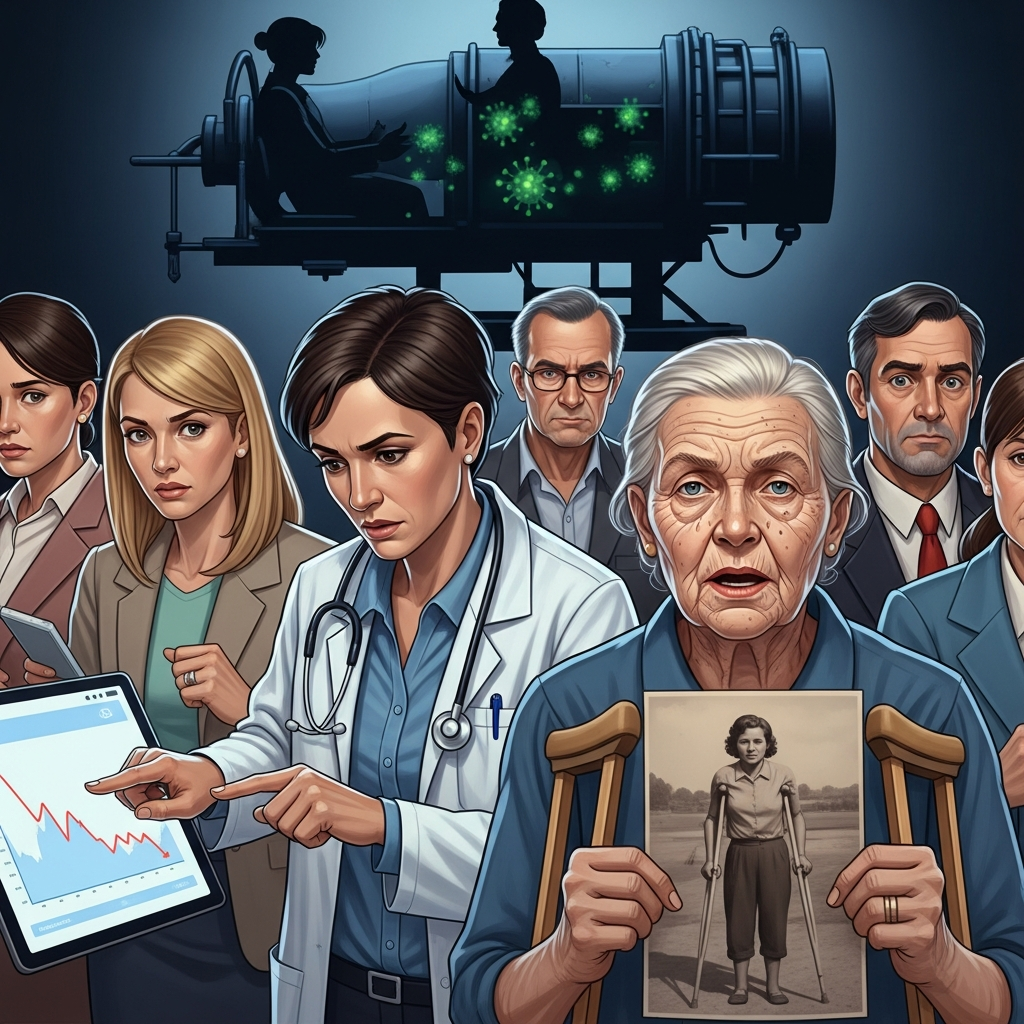
For much of the 20th century, polio cast a terrifying shadow. This highly infectious disease, primarily affecting children, caused immense suffering and widespread panic. At its peak in 1952, nearly 58,000 Americans were infected. Over a third of these victims became paralyzed, and more than 3,000 tragically died. Survivors often faced lifelong disabilities, confined to wheelchairs or even iron lungs. Public spaces closed, and communities lived in fear.
The introduction of the polio vaccine in the U.S. in 1955 marked a monumental turning point. Cases plummeted by 90% within just two years. By 1979, polio was declared eliminated from the United States, a testament to the power of widespread immunization. This historical triumph, however, has also meant that acute polio treatment expertise has largely vanished from modern medicine.
The Fading Shield: Declining Vaccination Rates and Rising Vulnerability
Despite polio’s elimination, the U.S. is becoming increasingly vulnerable. Childhood vaccination rates are sliding, exacerbated by the COVID-19 pandemic and a growing wave of anti-vaccine sentiment. Kindergarten measles and polio vaccine coverage dropped from approximately 95% in 2019-20 to 92.5% by 2024-25. This decline puts the U.S. at risk of losing its measles eradication status, leading to recent outbreaks.
While polio is less infectious than measles, these dropping rates erode critical herd immunity. Pockets of unvaccinated individuals create fertile ground for outbreaks if the virus is reintroduced. Figures like Robert F. Kennedy Jr., formerly the Secretary of Health and Human Services, have further fueled public doubt about vaccine safety and efficacy, undermining collective public health efforts. The World Health Organization recommends at least 80% community immunity to prevent polio outbreaks.
A System Unprepared: The Peril of Lost Expertise
The prospect of a polio resurgence exposes a severe gap in our current healthcare infrastructure. As polio survivor Grace Rossow bluntly states, “We don’t have a healthcare infrastructure to take care of a polio outbreak.” The profound success of the vaccine means that medical professionals with first-hand experience in treating acute polio are incredibly rare.
Art Caplan, a professor of medical ethics and a 1950s polio survivor, recounts witnessing other children die or be placed in iron lungs. He observes that through the decades, polio experts have retired, leaving “nobody left” with practical experience in treating the acute disease. Dr. Gordon Allan, an orthopedic surgeon, corroborates this, explaining that modern orthopedics has lost the specialized techniques, such as complex tendon transfers, once common for post-polio patients. These procedures are now considered a “lost art.” For future survivors, this lack of understanding among medical professionals could be a devastating barrier to care, as Rossow notes, “Physical therapy makes us worse.”
The Silent Threat: Polio’s Insidious Nature and Modern Risks
Polio’s insidious nature makes it particularly dangerous. Approximately 70% of infected individuals show no symptoms, silently spreading the virus. Only a small fraction, about 1 in 200 to 1 in 2,000, develop permanent paralysis. A single paralytic case is thus the “tip of the iceberg,” indicating potentially hundreds or thousands of prior, undetected infections within a community.
A chilling reminder of this threat came in 2022 when an unvaccinated adult in New York became paralyzed, the first U.S. case in nearly a decade. Poliovirus was subsequently detected circulating in New York City wastewater for months, and then in three other New York counties, without a clear source of infection. This highlights how easily the virus can spread undetected.
While the Inactivated Poliovirus Vaccine (IPV), used in the U.S., prevents disease symptoms and paralysis, it doesn’t prevent infection or transmission. Vaccinated individuals can still become asymptomatically infected and shed the virus for weeks, potentially infecting unvaccinated people. Globally, vaccine-derived poliovirus type 2 (VDPV2) outbreaks, stemming from the oral polio vaccine (OPV) used elsewhere, are a concern, with the virus detected in wastewater even in countries without active cases. Wild type 1 polio still circulates in Afghanistan and Pakistan, demonstrating that viruses ignore geographic borders.
Voices from the Front Line: Survivors Speak Out
The personal stories of polio survivors underscore the urgency of maintaining high vaccination rates. Grace Rossow, who lives with a paralyzed leg, emphasizes, “The only thing to fix polio is the polio vaccine.” She highlights the “victim of its own success” paradox, where generations untouched by the disease no longer fear its devastating consequences.
Art Caplan expresses “furious” condemnation of any proposal to relax vaccine requirements, calling it “horrifying, and the height of irresponsibility to leave the door open even a crack.” He warns that declining vaccination rates are “begging to have a recurrence of the disease,” particularly in undervaccinated communities. These firsthand accounts serve as a stark warning against complacency and a powerful plea to protect future generations from the suffering they endured.
Protecting Our Future: The Enduring Importance of Vaccination
The message from survivors, medical professionals, and public health experts is unequivocal: vaccination remains our most effective defense against polio. There is no cure for this crippling disease; prevention is the only solution. Maintaining high vaccination rates ensures robust herd immunity, protecting not only those who are vaccinated but also vulnerable populations such as infants too young for immunization and immunocompromised individuals.
The near eradication of polio globally is a monumental public health achievement. Allowing its resurgence due to misinformation or misguided policy changes would be a tragic step backward. Vigilance, continued public education, and unwavering commitment to vaccine requirements are paramount to safeguarding community health and preventing future generations from experiencing the profound suffering caused by this vaccine-preventable illness.
Frequently Asked Questions
What makes polio a continued threat in the US despite its elimination?
Polio remains a threat due to several factors. While wild poliovirus is eliminated, vaccine-derived poliovirus (VDPV2) circulates globally and can be introduced. The U.S. uses an inactivated vaccine (IPV) which prevents paralysis but doesn’t stop individuals from carrying and shedding the virus asymptomatically. If this virus reaches undervaccinated communities, particularly those with declining childhood immunization rates, it can lead to localized outbreaks, as seen with the 2022 New York case. The lack of current medical expertise for acute polio treatment further exacerbates this risk.
Who are the key experts and organizations warning against relaxing polio vaccine requirements?
Public health experts, infectious disease pediatricians, and polio survivors are leading the warnings. Notably, Dr. Paul Offit, Dr. Walter Orenstein of the Emory Vaccine Center, and Patsy Stinchfield of the National Foundation for Infectious Diseases have voiced concerns. Polio survivors like Grace Rossow and Art Caplan, who experienced the disease firsthand, are also vocal advocates, emphasizing the devastating, lifelong impact of polio and the critical need for continued vaccination to prevent a resurgence.
How can communities best protect themselves against a potential polio resurgence?
The primary and most effective protection against a polio resurgence is maintaining high community-wide vaccination rates to ensure robust herd immunity. The World Health Organization recommends at least 80% immunity. This involves ensuring all eligible individuals, especially children, receive their full course of the IPV vaccine. Additionally, strong public health surveillance, including wastewater monitoring, is crucial for early detection of the virus. Countering vaccine misinformation and supporting comprehensive vaccine policies are also vital to safeguarding community health.
Conclusion: A Precautionary Tale for Public Health
The suggestion to make polio vaccines optional serves as a stark reminder of humanity’s collective amnesia regarding past epidemics. Polio survivors and public health experts offer a unified, urgent warning: complacency regarding vaccine-preventable diseases is a dangerous gamble. The hard-won victory over polio was achieved through widespread immunization, and any weakening of this defense invites a return of suffering and paralysis. The lessons of history and the voices of those who endured polio must guide our path forward, affirming that robust vaccination policies are not merely regulations, but essential pillars of a healthy, protected society.