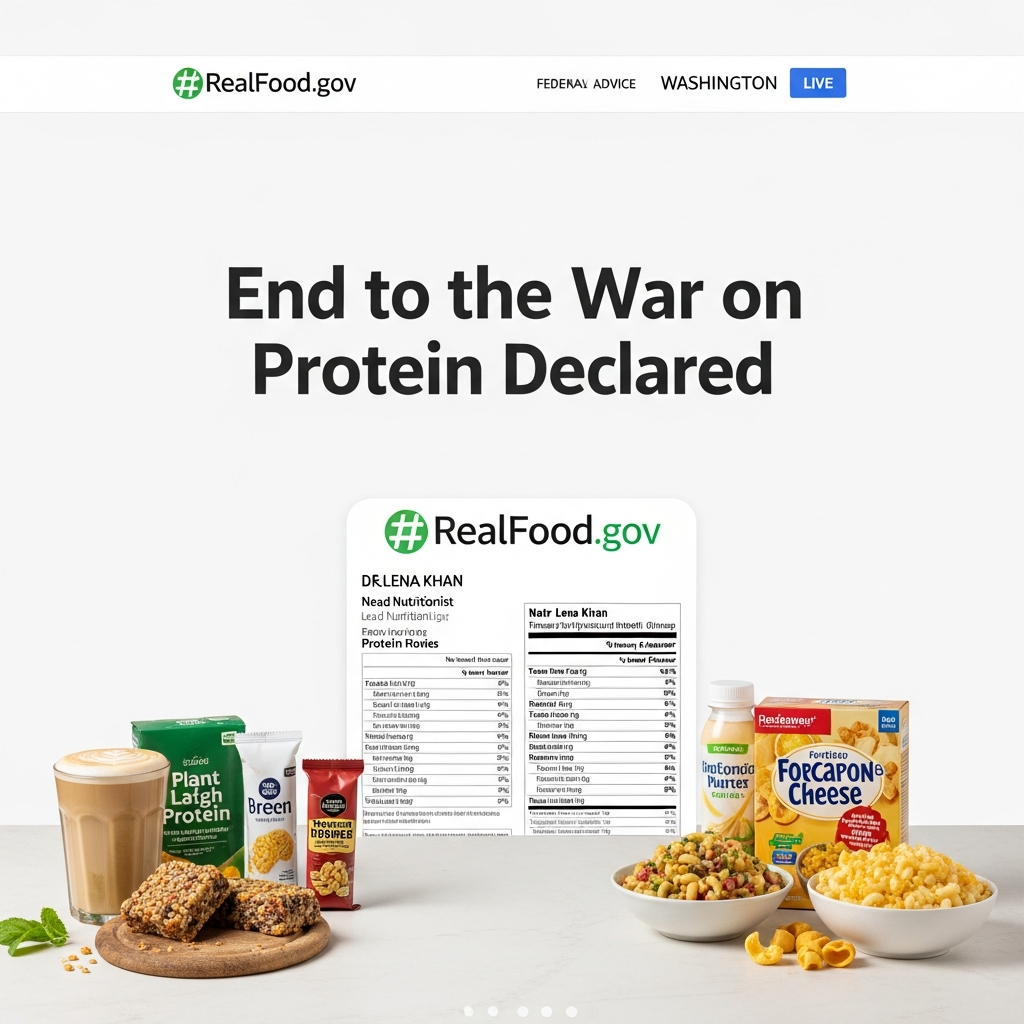
From specialty lattes to snack bars and even fortified macaroni and cheese, protein is enjoying an unprecedented moment in the spotlight. This “protein palooza” has even reached federal dietary guidelines, with new recommendations in the U.S. suggesting an increased daily protein intake. RealFood.gov, a new government website, boldly declares an “end to the war on protein.” But with so much conflicting information, what do you really need to know about protein in your diet? We’ve synthesized insights from credentialed dietitians and leading health organizations to cut through the noise and provide a comprehensive guide to understanding this vital macronutrient.
Why Protein is Your Body’s Building Block
Protein is a fundamental macronutrient, essential for nearly every bodily function. It’s composed of amino acids, which are often called the “building blocks of life.” When you consume foods rich in protein, your digestive system breaks them down into these amino acids. Some amino acids are “essential,” meaning your body cannot produce them and you must get them from your diet. These crucial components then create and repair cells, forming tissues like muscle, bone, skin, and even hair.
As registered dietitian nutritionist Sue-Ellen Anderson-Haynes aptly puts it, “Protein is like the brick and mortar of your home — no matter where you go in the house, it’s there.” It fuels muscle growth, supports metabolism, and contributes to satiety, helping you feel full and satisfied after meals.
Diverse Sources: Fueling Up with Protein-Rich Foods
Getting enough protein is typically straightforward for most people in the U.S. Traditionally, common sources include various animal products. Think of staples like meat, fish, poultry, eggs, and dairy products such as milk and yogurt.
However, the world of protein is much broader. Plant-based proteins are gaining popularity and offer excellent nutritional profiles. Whole grains like quinoa and buckwheat provide significant protein. Tofu, tempeh, lentils, beans, and peas are also stellar plant-based options. Even some vegetables, though generally lower in protein, contribute notable amounts, including corn, broccoli, asparagus, Brussels sprouts, and artichokes. Variety in your protein sources ensures you get a wide spectrum of essential amino acids and other vital nutrients.
How Much Protein Do You Actually Need? Personalizing Your Intake
Determining your ideal daily protein intake is highly individualized. It depends on several factors, including your body weight, activity level, health goals, and specific life stages. This is where federal guidelines and dietitian recommendations often diverge.
Navigating Conflicting Guidelines
New federal health guidelines suggest consuming 1.2 to 1.6 grams of protein per kilogram of body weight daily, spread across every meal. This marks a significant increase, nearly doubling previous government recommendations. However, many registered dietitians advise a more conservative approach. They typically recommend around 0.8 grams of protein per kilogram of body weight each day. This translates to roughly 7 grams of protein for every 20 pounds of body weight for the average adult.
For instance, if you weigh 150 pounds (approximately 68 kg), the federal guidelines might suggest 82-109 grams, while dietitians might recommend about 54 grams. This difference underscores the importance of personalized advice.
Calculating Your Individual Protein Needs
For a more precise estimate, especially if you’re active or have specific health goals, you can use these guidelines from dietitians:
Determine Ideal Body Weight:
Females: Start with 100 pounds for the first 5 feet of height, then add 5 pounds for each additional inch.
Males: Start with 106 pounds for the first 5 feet of height, then add 6 pounds for each additional inch.
Convert to Kilograms: Divide your ideal body weight in pounds by 2.2.
Apply Activity Factor:
Sedentary individuals: 0.8 to 1.0 grams of protein per kilogram of body weight.
Athletic or highly active individuals: 1.5 to 2.0 grams of protein per kilogram of body weight. This higher range supports muscle repair, growth, and performance.
For example, an active individual with an ideal body weight of 178 pounds (about 80.9 kg) might aim for 121 to 162 grams of protein daily. To meet such goals, aim for 20-30 grams of protein at each meal.
When Protein Needs Increase
Certain situations demand higher protein intake:
Injury or Surgery: Protein supports tissue repair and recovery.
Pregnancy and Breastfeeding: Essential for fetal development and milk production.
Aging: Helps combat muscle loss (sarcopenia) that often occurs with age.
Intense Athletic Activity: Crucial for muscle repair, growth, and endurance.
GLP-1 or Weight-Loss Medication Users: These medications can suppress appetite, making it harder to get enough protein. Adequate protein, combined with resistance training, is vital to preserve lean muscle mass during weight loss, preventing a significant portion of the loss from being muscle rather than fat.
Beyond the Plate: The Truth About Protein Powders and Bars
The boom in protein-fortified foods extends far beyond whole ingredients. Protein powders, shakes, and bars are ubiquitous, marketed as convenient solutions for meeting daily protein goals. However, a closer look reveals some significant concerns.
The Hidden Dangers in Supplements
A critical investigation by Consumer Reports unveiled troubling findings: many popular protein powders and ready-to-drink shakes contain high levels of toxic heavy metals, particularly lead. More than two-thirds of the products tested contained more lead in a single serving than CR’s food safety experts deem safe for daily consumption, with some exceeding this limit by over tenfold. Some products also contained concerning levels of cadmium and inorganic arsenic, both carcinogens.
Plant-Based Products at Higher Risk: Alarmingly, nearly all plant-based protein products showed elevated lead levels. On average, lead levels in plant-based proteins were nine times higher than in dairy-based proteins and twice as high as beef-based ones.
Lack of Regulation: A major issue is the lack of stringent oversight. Protein powders are classified as dietary supplements, which the FDA does not review, approve, or test before they are sold. There are no federal limits for heavy metals in these products, leaving consumers vulnerable.
Health Risks: No amount of lead is considered safe. Chronic exposure, even to small daily amounts, can accumulate and cause significant harm. Children and pregnant individuals are particularly vulnerable, as lead can damage the developing brain and nervous system. In adults, it’s linked to kidney damage, high blood pressure, and reproductive problems.
Heavy metals can naturally enter crops from soil and water or from industrial pollution. The complex processing of ingredients, especially for plant-based proteins, provides multiple opportunities for contamination.
Decoding Protein Bars: A Convenient “Cheat Code” or a “Glorified Candy Bar”?
Protein bars can be a useful tool for athletes and busy individuals, acting as a convenient “cheat code” for quick fuel or recovery. However, choosing wisely is paramount. Sports dietitians recommend considering:
Adequate Protein: Look for at least 10 grams, with 20-30 grams ideal for post-workout recovery.
Gut-Friendliness: Many bars contain isolated fibers (chicory root, inulin) and sugar alcohols (maltitol) that can cause bloating, gas, or diarrhea, especially for sensitive guts or during exercise.
Minimal Ultra-Processing: Prioritize bars with real, whole ingredients and lower added sugars. If sugar is among the first few ingredients, it’s likely less nutritious.
Taste and Texture: Modern bars offer better options, but personal preference matters for consistent consumption.
Appropriate Timing: Best consumed as a snack or post-workout. High protein and fiber can slow digestion, so avoid right before or during intense activity.
While a daily protein bar might be acceptable as an “insurance policy” within a nutritious, balanced diet, it’s not advisable if your overall diet is already heavily processed. The “health halo” around protein often leads consumers to perceive fortified foods as healthier, even if they contain more sugar, sodium, or calories than their traditional counterparts.
The Connection Between Protein and Hair Health
Protein’s role extends beyond muscles and metabolism; it’s also crucial for luscious locks. Hair is primarily composed of keratin, a protein. Dietary protein supplies the necessary amino acids for hair to grow strong and healthy. If protein intake is insufficient, your body prioritizes essential muscle tissue function over hair growth, making hair loss one of the first visible signs of deficiency.
Board-certified dermatologists confirm that a lack of complete proteins, which contain all nine essential amino acids, can contribute to hair loss. It can take two to three months of insufficient protein intake for hair loss to become noticeable. Other signs of protein deficiency can include brittle hair and nails, fatigue, weakness, and mood changes.
While topical keratin treatments can improve existing hair quality, they don’t promote new growth. The most effective way to support hair growth with protein is through your diet. Good protein sources like fish, lean poultry, eggs, dairy, nuts, seeds, and legumes provide the building blocks your hair needs. It’s a common misconception that whey protein causes hair loss; there’s no evidence to support this claim, though it can cause digestive upset in some.
Can You Consume Too Much Protein? Understanding the Risks
While essential, protein isn’t a “more is better” nutrient for everyone. There isn’t a definitive maximum amount you can eat, but overemphasizing protein can have drawbacks.
One key concern is the displacement of other vital nutrients. If your diet becomes too protein-focused, you might inadvertently reduce your intake of fiber, fruits, vegetables, and healthy fats, leading to an unbalanced diet.
Signs you might be consuming excessive protein include:
Digestive Issues: Gas, bloating, or constipation.
Kidney Strain: Worsening kidney function, especially for individuals with pre-existing conditions.
Dehydration: High protein intake can increase fluid requirements.
Elevated Saturated Fat and Sodium: Often associated with high consumption of processed meats, which can increase the risk of heart disease.
Ultimately, dietitians like Theresa Gentile emphasize that protein is just one part of a balanced diet. Focus on a variety of nutrient-dense sources, and ensure balance with other essential macronutrients for optimal health.
Frequently Asked Questions
What is the key difference between federal and dietitian protein recommendations?
New federal guidelines suggest 1.2 to 1.6 grams of protein per kilogram of body weight daily, nearly double previous recommendations. In contrast, most dietitians advise around 0.8 grams per kilogram of body weight daily. This discrepancy highlights the individualized nature of nutrition; federal guidelines represent broad recommendations, while dietitians often tailor advice based on personal health factors, activity levels, and specific goals.
How can I calculate my personal daily protein intake?
You can estimate your daily protein needs by first determining your ideal body weight (e.g., for women, start with 100 pounds for 5 feet, add 5 pounds per inch; for men, start with 106 pounds for 5 feet, add 6 pounds per inch). Convert this to kilograms by dividing by 2.2. Then, multiply your weight in kilograms by an activity factor: 0.8-1.0 g/kg for sedentary individuals, or 1.5-2.0 g/kg for active individuals. For personalized guidance, consult a registered dietitian.
Are protein powders and bars a safe and necessary part of a healthy diet?
For most healthy adults, protein powders and bars are generally not necessary, as sufficient protein can be obtained from whole foods. Consumer Reports found many protein powders contain concerning levels of heavy metals like lead, especially plant-based options, due to minimal FDA regulation. While protein bars can be convenient, choose options with minimal processing, whole ingredients, and be mindful of potential gut irritants like sugar alcohols or isolated fibers. Prioritizing diverse, nutrient-dense whole food protein sources is the safest and most effective approach for overall health.
The Path to Balanced Protein Consumption
The current “protein palooza” demonstrates a growing awareness of protein’s importance, but it also underscores the need for informed choices. Protein is indeed vital for muscle, metabolism, and satiety. However, for most individuals, adequate intake can be achieved through a diverse diet rich in whole foods, both animal and plant-based.
While protein needs can increase with age, activity, or specific health conditions, the focus should always be on balance. Be cautious of heavily processed protein-fortified foods and supplements, especially given concerns about heavy metal contamination and lack of regulation. Listen to your body, prioritize nutrient-dense sources, and if you have specific dietary questions or health concerns, consult a registered dietitian for personalized, evidence-based guidance. Your health is built on a foundation of diverse nutrients, not just one macronutrient.