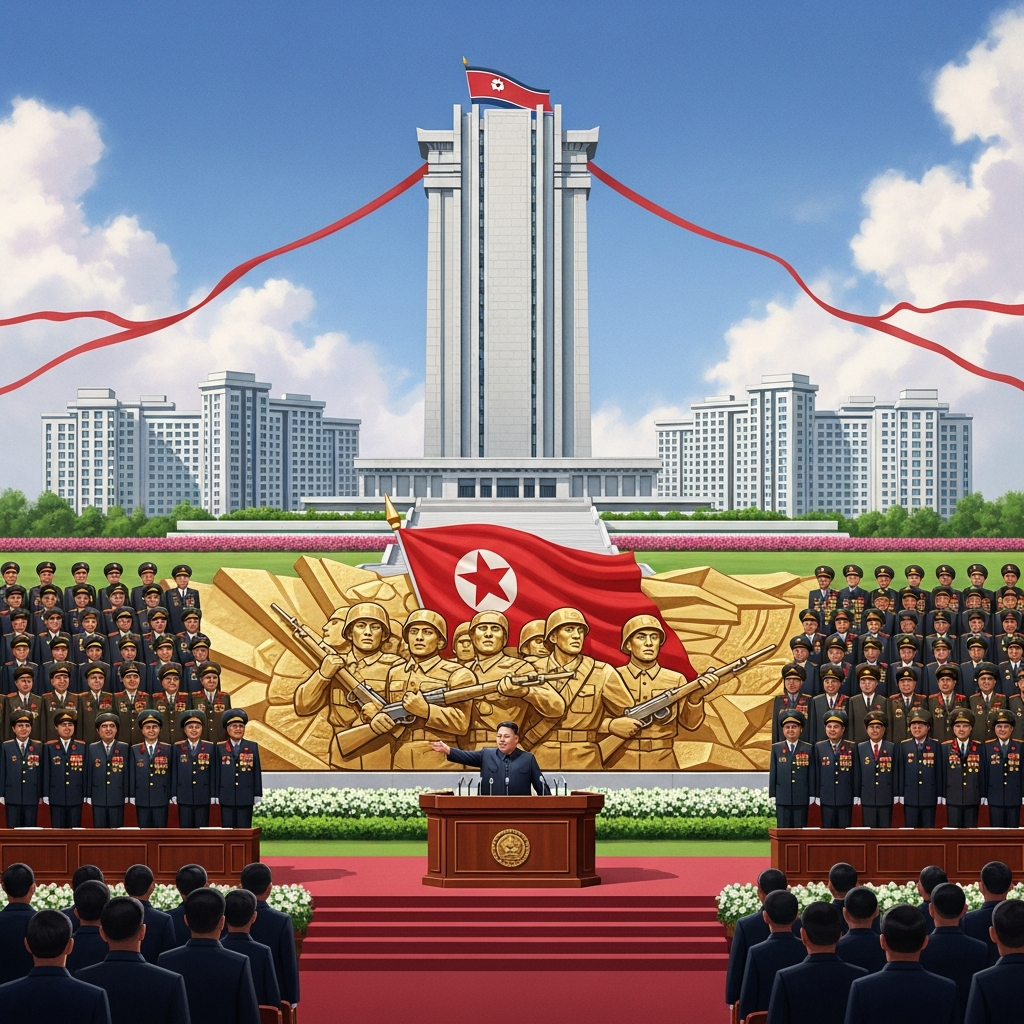
North Korea recently made headlines with a significant domestic initiative: the dedication of both a new housing district and a memorial museum to honor its soldiers killed fighting in the Russia-Ukraine war. These actions, spearheaded by leader Kim Jong Un, mark a profound shift in Pyongyang’s public acknowledgment of its military involvement abroad and underscore a deepening strategic alliance with Moscow. This comprehensive overview explores the specific tributes, the motivations behind them, and the broader geopolitical implications of North Korea’s role in the ongoing conflict.
A Nation’s Tribute: Memorials and New Homes for Fallen Soldiers
Pyongyang has launched a dual effort to commemorate its troops lost in the Ukraine conflict. This includes the unveiling of a specialized residential area, Saeppyol Street, and the groundbreaking for the “Memorial Museum of Combat Feats.” These initiatives demonstrate a robust state-led campaign to recognize the sacrifices of its military personnel. Leader Kim Jong Un has personally overseen these projects, emphasizing the profound importance of these tributes.
Saeppyol Street: A Symbol of State Care
In a highly publicized event in early 2026, North Korea officially opened Saeppyol Street in Pyongyang. This new housing district provides homes exclusively for the bereaved families of soldiers who died during “overseas military operations” in Ukraine. Kim Jong Un, accompanied by his prominent daughter Kim Ju Ae, presided over the opening ceremony. He toured new residences and personally comforted some of the families.
Kim Jong Un’s address at the ceremony highlighted the nation’s commitment. He stated that the street embodies the “ardent desire of our motherland” to ensure the “precious lives” of its “excellent sons” live on forever. He further promised comprehensive state support, ensuring these families would enjoy preferential treatment and societal care. This initiative, first revealed by Kim in August of the previous year, serves as a powerful symbol of the regime’s dedication to its fallen.
The Memorial Museum of Combat Feats
Complementing the housing project, North Korea commenced construction of the “Memorial Museum of Combat Feats” in Pyongyang in late 2025. This museum will serve as a permanent tribute to the soldiers’ combat experiences. Kim Jong Un attended the groundbreaking ceremony, calling the museum a “sacred sanctuary dedicated to the immortality of true patriots.”
The museum is expected to feature sculptures, photographs, and artwork. These displays will depict the valor and sacrifices of North Korean soldiers fighting alongside Russian forces. The presence of Russia’s ambassador to North Korea, Aleksandr Matsegora, and other Russian embassy officials at the ceremony underscored the bilateral significance of this memorial. It visibly signifies the strengthening ties between the two nations.
Strategic Imperatives: Why North Korea Honors Its War Dead
North Korea’s visible efforts to memorialize its Ukraine war dead are more than just gestures of remembrance. Analysts interpret these actions as a multifaceted strategic maneuver. They aim to bolster internal unity, prevent public dissent, and legitimize Pyongyang’s controversial involvement in the conflict. These initiatives unfold ahead of a critical ruling party congress. During this event, Kim Jong Un plans to outline his major policy objectives for the next five years.
The tributes are a crucial element of a broader propaganda push. This campaign glorifies North Korean troops involved in the conflict, framing them as national heroes. By honoring these “young martyrs,” Kim Jong Un seeks to consolidate his power and rally domestic support for his government’s policies. These measures help to counteract potential public dissatisfaction, especially given ongoing economic challenges and the significant human cost of the war.
The Deepening Alliance: North Korea’s Role in the Ukraine Conflict
North Korea has emerged as a crucial Russian ally since the full-scale invasion of Ukraine began in February 2022. This partnership has rapidly intensified, reaching what Kim Jong Un describes as a “historic peak.” Pyongyang has provided substantial military support to Russia’s war efforts. This includes deploying thousands of soldiers and supplying vast quantities of weaponry.
Estimates vary significantly regarding the number of North Korean troops involved. Ukraine suggested over 14,000 troops, including reinforcements and engineers, by April. North Korean soldiers have reportedly been deployed in Russia’s Kursk region, which borders Ukraine. Kim Jong Un praised these “heroes” for their role in helping Russia achieve a “decisive victory” against “fiendish neo-Nazi invaders.”
This growing alliance was formalized in November 2024 through a strategic agreement. This pact obligates both nations to provide immediate military assistance, utilizing “all means,” if either country faces an attack. This mutual defense clause solidifies a partnership based on shared geopolitical interests and a common stance against what they perceive as a “hostile West.”
Significant Casualties and Strategic Gains
North Korea’s involvement in the Ukraine war comes at a significant human cost. South Korea’s National Intelligence Service (NIS) reported increasing casualty figures over time. Initial estimates in April suggested approximately 600 North Korean soldiers killed. This number rose to around 2,000 deaths in Russia’s Kursk region by September. More recently, the NIS informed lawmakers of an estimated 6,000 North Korean troops killed or wounded during their deployment. These escalating figures underscore the severity of the conflict for Pyongyang.
Despite the heavy casualties, North Korea appears to gain strategic benefits from its participation. The NIS suggests that North Korean forces are acquiring valuable modern combat experience. They also reportedly receive Russian technical support, which could enhance their own weapons systems’ performance. This exchange, alongside Russian economic and military technology assistance, implies a strategic, if costly, advantage for North Korea’s military development.
Geopolitical Implications and Future Outlook
The construction of the North Korea Ukraine War Memorial and the dedicated housing district sends a strong signal about Pyongyang’s commitment to its alliance with Moscow. This deepening partnership has substantial geopolitical implications. It strengthens a bloc of nations challenging the existing international order and complicates global efforts to isolate either Russia or North Korea.
As Kim Jong Un prepares to unveil his major policy objectives, these gestures of national unity and military commemoration set a specific tone. They reinforce the idea of a strong, unified nation willing to project power and support its allies. The human toll, though significant, is strategically framed as a patriotic sacrifice. The long-term impact on North Korea’s military capabilities and its standing in the international arena remains a critical point of observation. Observers will closely monitor further developments in this crucial bilateral relationship and its effects on regional and global stability.
Frequently Asked Questions
What is the significance of Saeppyol Street and the Memorial Museum of Combat Feats?
Saeppyol Street is a newly opened housing district in Pyongyang, dedicated to housing families of North Korean soldiers killed in the Russia-Ukraine war. It serves as a symbol of the state’s care and commitment to its “young martyrs.” The Memorial Museum of Combat Feats, currently under construction, will be a permanent tribute featuring artifacts and artwork depicting these soldiers’ combat experiences. Both initiatives are key elements of a state-led campaign to honor fallen troops and rally domestic support for North Korea’s involvement in the conflict.
How many North Korean soldiers are estimated to have been involved or killed in the Ukraine war?
Estimates for North Korean casualties and involvement in the Ukraine war vary, with figures from South Korea’s National Intelligence Service (NIS) showing a significant increase over time. Initially, around 600 deaths were estimated. Later reports indicated approximately 2,000 soldiers killed, primarily in Russia’s Kursk region. The most recent NIS estimate suggests roughly 6,000 North Korean troops have been killed or wounded during their deployment, indicating a substantial human cost for Pyongyang’s involvement.
What strategic benefits does North Korea gain from its involvement in the Ukraine conflict?
North Korea’s involvement in the Russia-Ukraine conflict provides several strategic benefits despite the casualties. Firstly, its forces gain valuable modern combat experience from direct engagement. Secondly, Pyongyang is reportedly receiving Russian technical support, which analysts suggest could enhance the performance of its own weapons systems. This military cooperation, coupled with broader economic and military technology assistance from Russia, helps advance North Korea’s military development and strengthens its alliance with Moscow, which Kim Jong Un describes as a “historic peak.”