The sun, our dynamic star, recently roared to life with an extraordinary barrage of powerful solar flares. These intense bursts of energy, classified as X-class flares, have put space weather experts on high alert. This article dives into the recent solar activity, explaining what these flares are, their potential impacts on Earth, and what to anticipate in the coming weeks. From disrupting communications to painting the sky with dazzling auroras, understanding these solar events is crucial for anyone keen on our solar system’s powerful dynamics.
The Sun’s Fiery Outburst: A Week of X-Class Flares
Our sun is not a static orb. Its surface is a churning sea of plasma, driven by complex, twisting magnetic fields. When these fields snap or realign, they can unleash massive eruptions of electromagnetic radiation known as solar flares. In early February 2026, the sun delivered an “unusually tempestuous period” of activity, captivating astronomers and space weather forecasters alike.
A series of strong solar flares erupted from an active region on the sun, identified as the large sunspot cluster RGN 4366. This cluster rotated into Earth’s view, leading to several powerful X-class flares—the most intense category. According to NASA and NOAA’s Space Weather Prediction Center, this included:
Sunday, February 1st, 2026: Three X-class flares (X1.0, X8.1, and X2.8) occurred. The X8.1 flare, peaking at 6:37 p.m. ET, was particularly notable. It ranked as the strongest recorded in several years and among the top 20 most powerful since 1996.
Monday, February 2nd, 2026: Another strong X1.6 flare was observed at 3:14 a.m. ET.
Tuesday, February 3rd, 2026: An X1.5 flare.
Wednesday, February 4th, 2026: An X4.2 flare peaked at 7:13 a.m. ET, observed by NASA’s Solar Dynamics Observatory (SDO).
In total, at least six X-class flares were recorded within a single week. These events highlight the sun’s volatile nature, even as it navigates its predictable 11-year cycle.
Decoding Solar Flares: What Are They?
Solar flares are sudden, powerful eruptions of electromagnetic radiation from the sun’s atmosphere. They can last from minutes to hours. These events typically originate in active regions of the sun. These areas are marked by intense magnetic fields, often found above sunspots.
The classification system for solar flares categorizes them by their X-ray brightness. It uses letters (A, B, C, M, X) with X-class being the strongest. Each letter class is ten times more powerful than the last. The number accompanying the letter provides further detail on its strength within that category. For example, an X8.1 flare is significantly more powerful than an X1.0. Flares of X-class magnitude are generally uncommon, making the recent cluster particularly remarkable.
The Immediate Impact: Communication Disruptions and Technology Risks
The most immediate effect of a solar flare reaching Earth is felt in our planet’s atmosphere. The sudden outburst of electromagnetic energy travels at the speed of light. It reaches Earth almost instantaneously after eruption. This radiation interacts with our upper atmosphere, specifically the ionosphere. This can cause significant disturbances.
Potential impacts include:
Radio Blackouts: High-frequency (HF) radio communication bands, used by aviation, marine, and military operations, can experience signal loss or major disruptions. These blackouts can last from minutes to a couple of hours across the sunlit side of Earth.
Satellite Technology: Flares can interfere with satellite operations. This affects GPS signals, potentially degrading navigation accuracy. Satellites themselves can be exposed to increased radiation, posing risks to their electronics.
Electric Power Grids: While flares primarily affect the ionosphere, they are often precursors to other solar events like Coronal Mass Ejections (CMEs). Strong CMEs can induce currents in power grids, potentially leading to voltage irregularities or even blackouts.
Astronaut Safety: For astronauts in space, particularly outside Earth’s protective magnetic field, increased radiation from flares and CMEs poses a direct health risk.
Agencies like NOAA, NASA, and ISRO are constantly monitoring these events. They issue space weather alerts to help mitigate potential adverse effects on our technology and infrastructure.
The Spectacular Aftermath: Auroras and CMEs
Beyond the immediate electromagnetic radiation, solar flares are often precursors to another magnificent, yet powerful, solar phenomenon: Coronal Mass Ejections (CMEs). A CME is a massive burst of solar material and magnetic field ejected from the sun’s outer atmosphere. Unlike the instantaneous radiation from a flare, a CME travels slower, taking days to reach Earth.
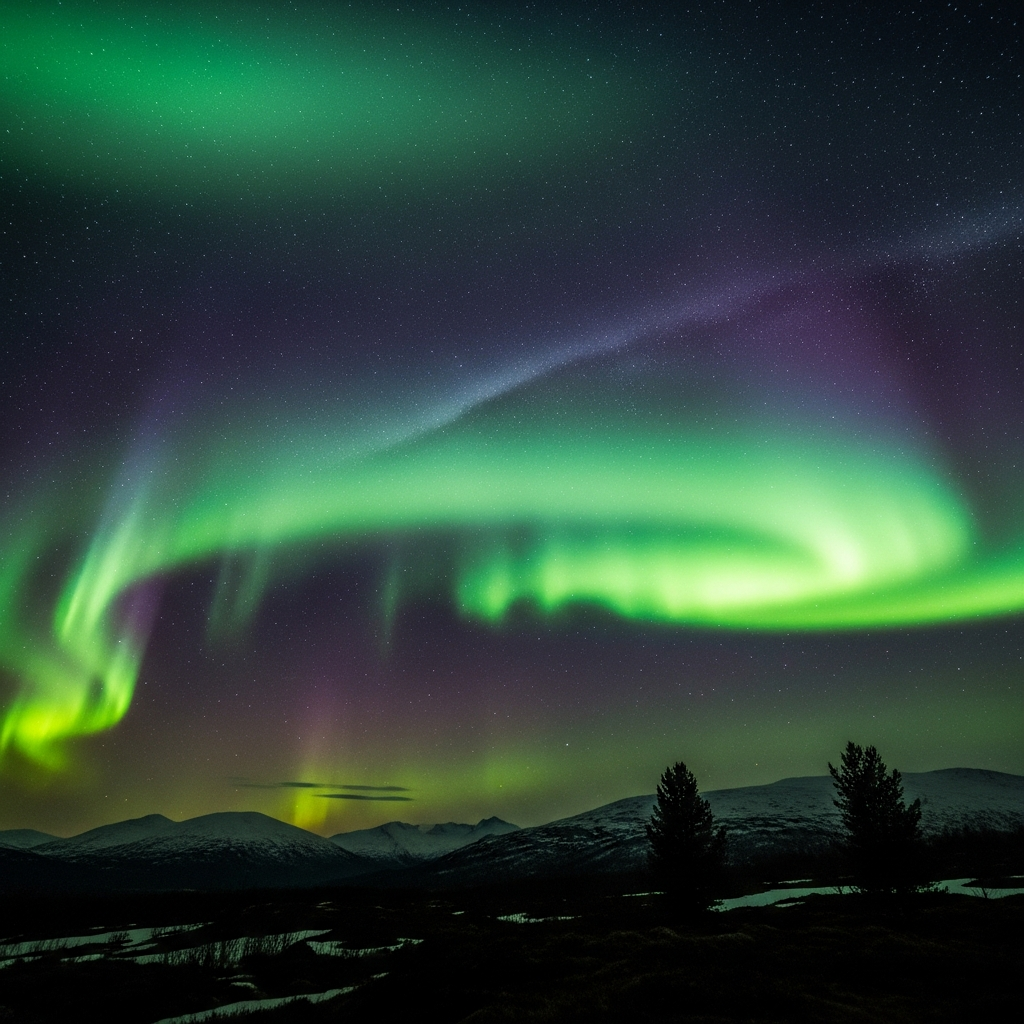
When a CME’s particles interact with Earth’s magnetic field and atmosphere, they create the breathtaking displays of the Northern Lights (aurora borealis) and Southern Lights (aurora australis). These vibrant displays occur as energetic particles from the CME collide with atoms and molecules in Earth’s upper atmosphere. This collision excites the atoms, causing them to emit light. The spectrum of colors depends on the type of gas and the altitude of the interaction.
The visibility of these auroras depends on several factors:
CME Arrival: The timing and strength of the CME’s impact.
Magnetic Orientation: The magnetic orientation of the CME’s magnetic field relative to Earth’s.
Local Cloud Conditions: Clear skies are essential for viewing.
Geographic Location: While typically seen closer to the poles, increased solar activity can push aurora visibility further south. Recent forecasts indicated potential sightings in regions like Scotland, northern England, and northern areas of Canada and the USA.
Solar Cycle 25: Why Now?
The recent surge in solar activity is not random. It is closely tied to the sun’s approximately 11-year magnetic field cycle. In October 2024, the sun’s magnetic field reached its solar maximum phase of this cycle. This phase is characterized by an increase in the frequency and intensity of solar flares, CMEs, and sunspots.
Since reaching solar maximum, the sun has continued to emit strong solar flares and geomagnetic storms. This has naturally led to an increased frequency and intensity of northern lights displays. While the sun is now technically past the absolute peak of its current cycle (Solar Cycle 25), experts from NOAA predict that intense magnetic activity driven by sunspots will persist through 2026. This means we can still expect significant solar events, including powerful flares, as the cycle gradually winds down.
Protecting Our Systems: Monitoring and Future Efforts
The ongoing solar activity underscores the critical need for continuous space weather monitoring. Agencies worldwide are dedicated to observing the sun and its impacts on Earth.
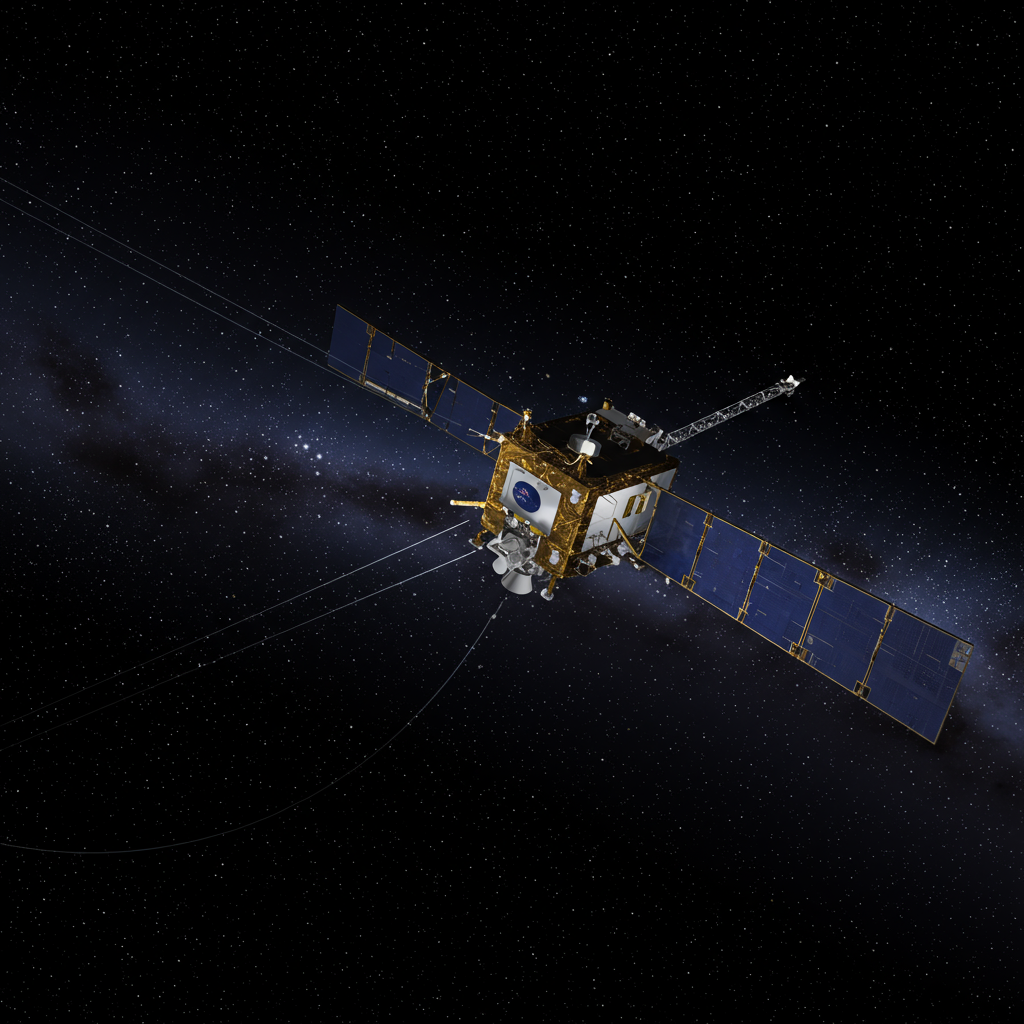
NASA: As a research arm, NASA uses an extensive fleet of spacecraft, like the Solar Dynamics Observatory (SDO), to constantly study the sun’s activity, atmosphere, and the particles and magnetic fields in space. They captured stunning images of the recent X4.2 flare.
NOAA’s Space Weather Prediction Center: This is the official U.S. government source for space weather forecasts, watches, warnings, and alerts. They provide crucial information on how solar phenomena might affect Earth.
- ISRO: The Indian Space Research Organisation, like other global agencies, maintains a constant watch over its fleet of over 50 operational satellites to mitigate potential adverse effects from solar events.
- abcnews.go.com
- science.nasa.gov
- www.scientificamerican.com
- www.skyatnightmagazine.com
- timesofindia.indiatimes.com
In anticipation of sustained activity, NASA is already planning to launch two new satellites. These will significantly enhance the forecasting of solar storms. These efforts are vital for protecting our increasingly technology-dependent world from the powerful forces of our own star.
Frequently Asked Questions
What are X-class solar flares, and why are they significant for Earth?
X-class solar flares are the most intense category of solar flares, representing powerful bursts of electromagnetic radiation from the sun. Their significance for Earth lies in their potential to disrupt various technologies. Traveling at the speed of light, this radiation can cause immediate and severe high-frequency radio blackouts on the sunlit side of Earth, interfere with GPS signals, and pose risks to satellites and astronauts. These flares are also often precursors to Coronal Mass Ejections (CMEs), which can lead to widespread aurora displays and, in extreme cases, affect power grids.
Where can I find reliable forecasts and updates on space weather and auroras?
For official and reliable forecasts on space weather, including alerts for solar flares, CMEs, and geomagnetic storms, consult NOAA’s Space Weather Prediction Center (SWPC) in the U.S. The UK Met Office also provides space weather forecasts. NASA blogs and observatories like the Solar Dynamics Observatory (SDO) offer real-time solar imagery and research updates. These sources provide crucial information for understanding potential impacts and for planning aurora viewing.
What should I do to prepare for potential communication disruptions during strong solar activity?
While direct preparation for individuals is limited, staying informed is key. For those reliant on high-frequency radio communications (e.g., amateur radio operators, aviation), monitoring space weather alerts from NOAA SWPC can help anticipate potential blackouts. Most modern consumer electronics are generally robust against direct flare impacts. However, understanding that GPS or satellite phone services might experience temporary disruptions during major events can prevent frustration. Businesses and critical infrastructure operators, like power grid managers, implement specific protocols and safeguards based on these forecasts to mitigate risks.
Conclusion
The recent burst of powerful X-class solar flares serves as a vivid reminder of the sun’s profound influence on Earth. While these events can lead to stunning aurora displays, they also highlight our planet’s vulnerability to space weather. From disrupting global communications to impacting critical satellite infrastructure, the sun’s activity directly affects our modern way of life. As Solar Cycle 25 continues its dynamic phase, ongoing monitoring, research, and advanced forecasting by agencies like NASA and NOAA remain essential. By staying informed, we can better appreciate the wonders and navigate the challenges posed by our closest star.