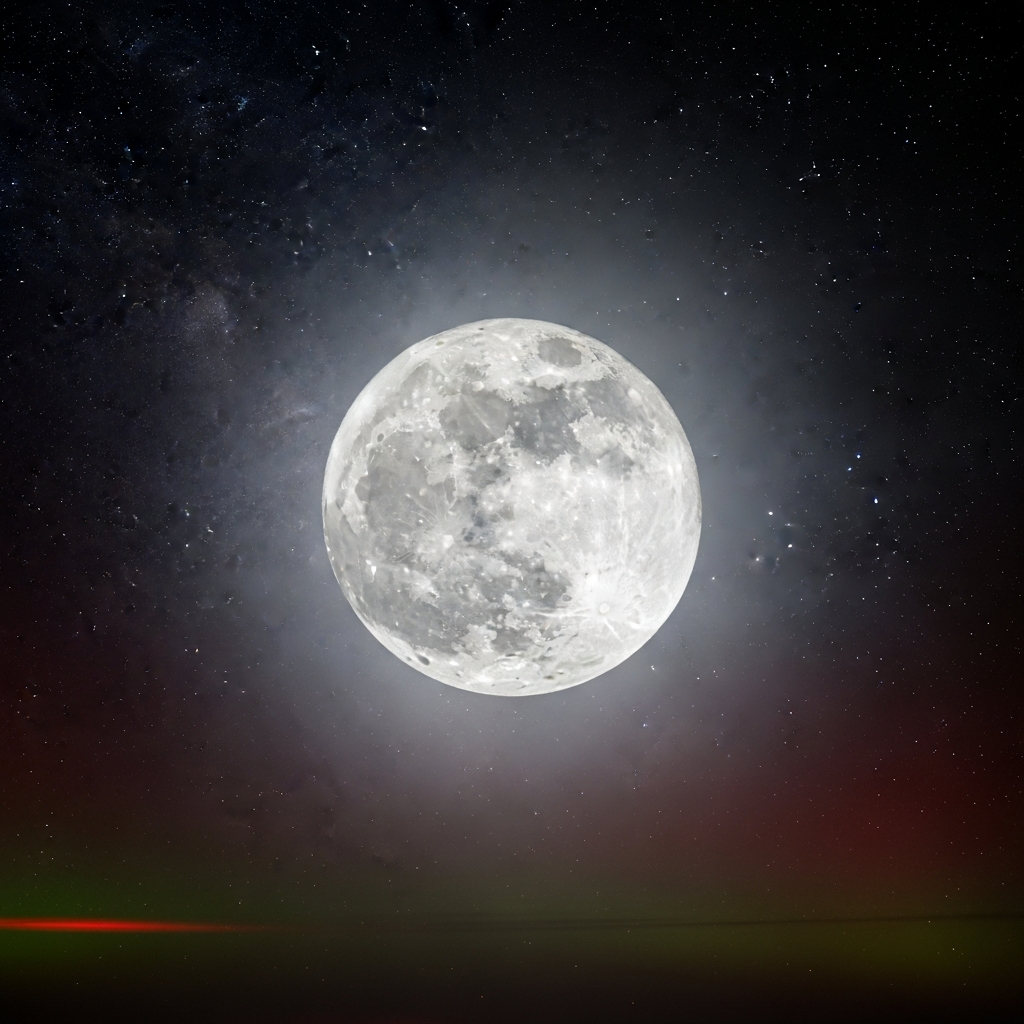
Get ready for a breathtaking celestial spectacle as the full “Snow Moon” graces our night skies on February 1st, 2026. This captivating winter event offers more than just a bright lunar disk; it’s a chance to connect with ancient traditions and witness stunning astronomical alignments. Whether you’re a seasoned stargazer or a curious newcomer, this guide will equip you with everything you need to observe, understand, and even photograph February’s magnificent full moon. Prepare to discover the best viewing times, fascinating lore, and other cosmic wonders sharing the stage with the Snow Moon.
When and Where to Witness the Snow Moon’s Brilliance
The 2026 Snow Moon will officially reach its peak illumination on Sunday, February 1st. While the exact moment of fullness is precise, the moon will appear gloriously full and bright for several nights surrounding this date, offering multiple opportunities for observation.
Peak Illumination and Optimal Viewing Times
According to astronomical data, the moon will achieve peak illumination at:
22:09 UTC on February 1st
5:09 p.m. Eastern Standard Time (EST)
4:09 p.m. Central Standard Time (CST)
2:09 p.m. Pacific Standard Time (PST)
For many in North America, this peak occurs before or around sunset. However, the best viewing will typically be on the evenings of February 1st and February 2nd, and even into February 3rd, as the moon will remain over 99% illuminated. Look for the bright, round moon ascending in the eastern sky as twilight deepens. It will track high across the southern sky, reaching its highest point around midnight, before setting in the west near sunrise.
In specific regions like Northeast Ohio, the moonrise times are:
5:33 p.m. on Sunday, February 1st (shortly after sunset at 5:42 p.m.)
6:49 p.m. on Monday, February 2nd
8:00 p.m. on Tuesday, February 3rd
For observers in Oregon, the full moon will be highest around midnight on February 1st. Forecasts predict partly cloudy skies for much of the state, so checking local weather is essential.
Unveiling the “Snow Moon”: Names and Lore
The captivating “Snow Moon” name carries a rich history, deeply rooted in the seasonal rhythms and cultural observations of various Indigenous North American peoples. This traditional nomenclature reflects the harsh realities and natural events prevalent during late winter.
Native American Origins and Winter Significance
The name “Snow Moon” is attributed to the period when the heaviest snowfalls typically occur. Historical accounts from the 18th century, such as those recorded by Captain Jonathan Carver after visiting a Native American tribe in the 1760s, corroborate this, noting deeper and more frequent snow during this time. The Old Farmer’s Almanac confirms February is, on average, the snowiest month across much of the United States. This heavy snow cover often made hunting difficult, leading to a period of scarcity.
Alternative Traditional Names
Beyond “Snow Moon,” many other names convey the hardships or natural occurrences of late winter:
Hunger Moon or Boney Moon: Reflecting food scarcity and the struggle to find sustenance.
Bear Moon: Associated with bears being born or emerging from hibernation.
Raccoon Moon
Eagle Moon
Groundhog Moon
These diverse names highlight how different Indigenous groups interpreted and interacted with the changing seasons, linking the lunar cycle to vital aspects of their survival and environment.
Celestial Companions: What Else to See
The Snow Moon won’t be alone in the February night sky. Several bright planets and stars will share the cosmic stage, creating an even more spectacular viewing experience for stargazers.
Bright Planets and Stars Sharing the Sky
As the Snow Moon illuminates the heavens, keep an eye out for these notable celestial neighbors:
Jupiter: This gas giant will shine brilliantly as a prominent “evening star” in the eastern sky, positioned above and to the right of the full moon.
Procyon and Sirius: Look to the moon’s right to spot Procyon, and further below it, the dazzling Sirius, the brightest star in our night sky.
Regulus: The brightest star in the constellation Leo the Lion, Regulus, will appear close to the rising moon. On the evening of February 2nd/3rd, the moon is projected to pass remarkably close to Regulus. For observers in certain parts of North America and Africa, this presents a rare chance to witness a lunar occultation, where the moon passes directly in front of the star!
Saturn: This ringed planet will be visible low in the western sky around sunset, though it will set a few hours later.
Constellation Orion: This iconic constellation, home to Betelgeuse and Rigel, will be visible nearby Jupiter. Look for Aldebaran, the reddish star marking the eye of Taurus, also in the vicinity.
Constellations and Deep-Sky Objects
While the full moon’s intense glare can make spotting fainter objects challenging, the February full moon for 2026 will appear within the eastern reaches of Cancer the Crab. This constellation is situated immediately west of Leo. Though difficult to discern with the naked eye under the full moon’s glow, the Beehive Cluster (M44) in Cancer is a beautiful open cluster that can be a rewarding target for binoculars or a telescope on a darker night.
Mastering Your Snow Moon Viewing Experience
To fully appreciate the beauty of the Snow Moon, a little preparation goes a long way. From understanding optical illusions to optimizing your photography, these tips will enhance your stargazing adventure.
The Enchanting “Moon Illusion”
One of the most captivating phenomena you might observe is the “moon illusion.” When the full moon is low on the horizon, it often appears significantly larger than when it’s high in the sky. While its actual size remains constant, this optical effect is believed to be influenced by how our brains perceive objects against a foreground or the dome-like celestial sphere. Regardless of the scientific explanation, it’s a real and striking visual effect, especially when observed as the moon rises from a clear northeastern horizon.
Essential Viewing Tips for Stargazers
No specialized equipment is strictly necessary to enjoy the Snow Moon’s spectacle, but these tips will maximize your view:
Find an Unobstructed View: Seek out a location with a clear view of the eastern horizon at moonrise. Open fields or elevated spots are ideal.
Escape Light Pollution: While the bright full moon is visible even in urban areas, getting away from city lights will enhance the overall night sky experience and make other celestial objects more discernible.
Use Binoculars: For a clearer, more detailed observation of the moon’s surface features, including its craters and maria, a pair of binoculars is highly recommended.
Dress Appropriately: Given that February is a winter month, especially for the “Snow Moon,” ensure you dress warmly in layers to stay comfortable during prolonged observation.
Photography Prowess: Capturing the Snow Moon
If you’re eager to capture stunning images of the Snow Moon, here’s some expert advice:
Stable Setup: A tripod is indispensable for minimizing camera shake and achieving sharp images, especially when using longer exposures.
Telephoto Lens: For detailed close-up shots of the moon, a telephoto lens is highly recommended.
Low ISO: Set your camera to a low ISO (e.g., 100-400) to minimize image noise and preserve image quality.
Experiment with Shutter Speed: The moon is surprisingly bright. Experiment with different shutter speeds (e.g., 1/125 to 1/500 second) to effectively capture both the intricate details of the moon and any desired foreground elements.
Balance Exposure: If your photograph includes human subjects or architectural structures alongside the moon, balance your exposure settings carefully to prevent the moon from appearing overexposed as a blown-out white disk.
Remote Shutter/Timer: Use a remote shutter release or the camera’s timer function to avoid vibration when pressing the shutter button.
Share Your Shots: When sharing your photos online, consider including information about the location and equipment used; it adds value and context.
Why This Snow Moon Is Special
Beyond its visual appeal, the February Snow Moon holds a unique significance for stargazers, from its high winter position to its suitability for all levels of observers. This isn’t just any full moon; it’s a prime opportunity for discovery.
A High Winter Spectacle
The February full moon marks the last of the high winter full moons, which are often considered among the best of the year. Because a full moon is always opposite the sun in the sky, when the sun is low in the winter sky, the full moon appears exceptionally high. This high trajectory makes the Snow Moon particularly prominent and provides an excellent viewing window, especially until midnight. As spring approaches, nights shorten, and the moon will track lower, making this a final chance to witness such an elevated lunar display.
Perfect for All Skill Levels
Winter full moons, including the Snow Moon, are ideal for families, children, and novice stargazers. The moon climbs high quickly, and shorter winter days mean less waiting after sunset to begin observations. The Snow Moon will be easily visible in the eastern sky almost immediately after the sun sets. Its bright lunar glare ensures it’s visible even from light-polluted urban environments, making it an accessible and inspiring target for everyone.
Glimpsing Lunar History: Rays and Craters
The Snow Moon offers a fantastic opportunity to observe lunar rays—distinct, bright streaks emanating from some of the moon’s prominent craters. These rays are ancient scars, remnants from space rocks colliding with the lunar surface and ejecting debris outwards. With binoculars or a telephoto lens, you can specifically look for rays extending from two of the moon’s most prominent craters: Tycho and Copernicus. Observing these features provides a tangible connection to the moon’s violent and chaotic past.
Beyond February: What’s Next in the Night Sky
The Snow Moon is just one highlight in an exciting year for astronomy. As February draws to a close, another spectacular event will take center stage, followed by other notable lunar phases.
February’s Dazzling Planetary Parade
Later in the month, on February 28th, a significant celestial event described as a “planetary parade” will occur. This rare alignment will feature up to six planets—Mercury, Venus, Neptune, Saturn, Uranus, and Jupiter—all visible shortly after sunset. Venus, Jupiter, and Saturn will likely be discernible to the naked eye. However, to spot Uranus, Neptune, and potentially Mercury, you might need optical assistance like binoculars or a telescope. It’s a fantastic chance to see multiple worlds aligned in our solar system’s grand dance.
Upcoming Full Moons
Following the Snow Moon, the next full moon will be the “Worm Moon,” expected to reach its peak illumination at 6:38 a.m. on March 3rd. Like most full moons, it will appear full and bright on the night before and the night of its peak. Keep an eye on the calendar for these recurring lunar spectacles.
Frequently Asked Questions
What is the Snow Moon and why is it called that?
The Snow Moon is the traditional name for February’s full moon. Its name originates from various Indigenous North American peoples and reflects the typically heavy snowfalls that occur during February across much of the Northern Hemisphere. Historically, this period was also associated with scarcity and hardship, leading to alternative names like “Hunger Moon” or “Boney Moon,” highlighting the challenges faced before spring.
When and where are the best times to view the 2026 Snow Moon?
The 2026 Snow Moon reaches peak illumination on Sunday, February 1st (e.g., 5:09 p.m. EST). However, it will appear fully round and bright for several nights, making the evenings of February 1st, 2nd, and 3rd ideal for viewing. Look towards the eastern sky as twilight deepens. For the most dramatic “moon illusion” effect, observe it shortly after moonrise from a location with a clear, unobstructed horizon and minimal light pollution.
What equipment do I need to observe or photograph the Snow Moon effectively?
For general observation, no special equipment is needed beyond your naked eyes, but binoculars will enhance your view of lunar surface details. For photography, a sturdy tripod is essential. A telephoto lens will help capture close-up details. Use low ISO settings (e.g., 100-400), experiment with shutter speeds (1/125 to 1/500 sec), and balance your exposure to prevent overexposure of the bright moon, especially if including foreground elements.
The 2026 Snow Moon on February 1st offers a compelling blend of natural beauty, scientific wonder, and cultural heritage. From its high-flying winter position to its proximity to other celestial giants, this full moon invites us to pause, look up, and appreciate the majesty of our universe. Grab your binoculars, find a clear spot, and experience the ultimate February full moon—a brilliant spectacle not to be missed!