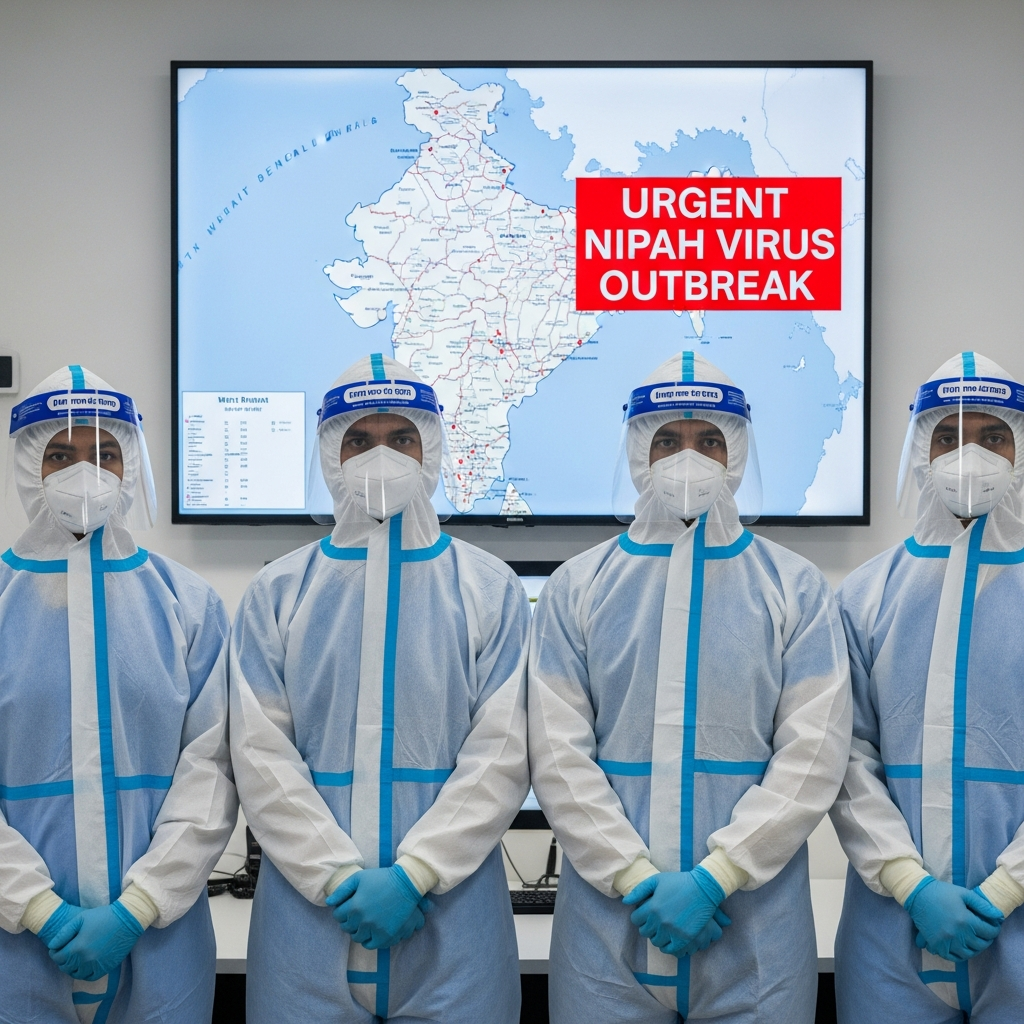
A deadly Nipah virus outbreak in India’s West Bengal state has put health authorities on high alert, prompting immediate action and concern across Asia. This re-emerging zoonotic pathogen, notorious for its high fatality rate and potential to trigger epidemics, demands urgent attention. This comprehensive guide details the current situation, explains how the virus spreads, outlines critical symptoms, and provides actionable prevention strategies. Understanding these key facts is crucial for public safety and helps clarify the global response to this significant health challenge.
Understanding the Nipah Threat
The Nipah virus (NiV) is a formidable and often fatal pathogen that poses a serious public health risk. It belongs to the Henipavirus genus, known for its ability to cause severe illness in both animals and humans. First identified in Malaysia in 1999, Nipah has since caused multiple outbreaks across South and Southeast Asia, demonstrating its persistent threat.
What Makes Nipah So Dangerous?
Nipah virus is classified by the World Health Organization (WHO) as a top-priority pathogen, ranking it alongside diseases like COVID-19 and Zika due to its significant epidemic potential. A primary concern is its alarming fatality rate, which typically ranges from 40% to 75%, depending on the specific outbreak and viral strain. Adding to its danger, there is currently no approved vaccine or specific antiviral medicine for treatment. Patient care relies solely on supportive measures to manage symptoms and complications.
The Latest Outbreak in West Bengal, India
India is currently grappling with a fresh Nipah virus outbreak, with particular focus on West Bengal. This situation has heightened vigilance both locally and internationally. The current cluster of infections underscores the continuous threat posed by this virus.
Confirmed Cases and Local Response
In West Bengal, a hospital in Kolkata, the state capital, has reported five confirmed Nipah cases since mid-January. These infections primarily involved healthcare workers from a private hospital near Kolkata. Indian health authorities have swiftly identified and traced nearly 200 contacts of these individuals. Encouragingly, all contacts have tested negative and remain asymptomatic, indicating that the virus has not spread widely within this group. Active monitoring continues, and public health measures are rigorously enforced to contain the situation. While there have been no reported deaths associated with this specific outbreak so far, the seriousness of the virus means authorities are not taking any chances.
Border Screenings and Global Vigilance
The Nipah virus outbreak has triggered a proactive response from several Asian countries, reminiscent of COVID-19 era health checks. Thailand has implemented stringent screening procedures for passengers arriving from West Bengal at key international airports in Bangkok and Phuket, requiring health declarations and distributing “Health Beware Cards.” Nepal has also commenced screening arrivals at Kathmandu airport and various land border crossings with India, especially in Koshi Province. Further afield, Taiwan’s health authorities are considering classifying Nipah as a “Category 5 disease,” emphasizing its significant public health risk. Infectious diseases experts in Hong Kong have even advised residents to avoid non-essential travel to West Bengal for the time being. This collective action highlights the global concern and the necessity of immediate preventative measures to curb potential cross-border transmission.
How Nipah Virus Spreads: Transmission Routes
Understanding how Nipah virus moves from one host to another is vital for effective prevention. It is primarily a zoonotic disease, meaning it can jump from animals to humans, but it also has documented human-to-human transmission capabilities.
Zoonotic Origins: Bats, Pigs, and Contaminated Food
The primary natural reservoirs for the Nipah virus are fruit bats, specifically those of the Pteropus species. These bats can carry the virus without showing symptoms. Humans can become infected through several zoonotic pathways:
Direct contact with infected bats or other animals like pigs.
Consuming food contaminated with bat saliva, urine, or feces. This often includes raw date palm sap or fruits that bats have partially eaten or contaminated. Guidelines advise boiling fresh date palm juice and thoroughly washing or peeling fruits, discarding any showing signs of bat bites.
Contact with infected pigs: Historically, pig farmers were among the first affected, leading to calls for protective clothing when handling sick animals and safeguarding pig enclosures from bats.
In response to the current situation, officials in India have initiated testing of bats at Kolkata’s Alipore Zoo to determine if the local bat population carries the infection.
Person-to-Person Transmission
While zoonotic spillover is the initial concern, human-to-human transmission of Nipah virus has also been well-documented. This typically occurs through close contact with the bodily fluids of an infected person. Healthcare settings and family caregivers are often at higher risk, underscoring the importance of strict hygiene and protective measures when caring for sick individuals. Minimizing unprotected contact and regular hand washing are crucial to preventing secondary spread.
Recognizing the Signs: Nipah Virus Symptoms
Identifying Nipah virus infection early can be challenging due to its non-specific initial symptoms and variable incubation period, which typically ranges from four to 21 days. However, awareness of the potential signs is critical for timely medical intervention.
Initial Flu-Like Presentation
Most patients initially develop a sudden flu-like illness. Common early symptoms include:
Fever: Often high and sudden.
Headache: Persistent and severe.
Muscle pain (myalgia): Aches and weakness throughout the body.
Fatigue: General tiredness and lack of energy.
Vomiting and sore throat: Gastrointestinal and respiratory discomfort can also occur.
Respiratory symptoms: Some individuals may experience cough, shortness of breath, or pneumonia, though these can vary in timing and severity.
Severe Neurological Complications
The most severe and life-threatening complication of Nipah virus is encephalitis, or inflammation of the brain. This can lead to a rapid progression of neurological symptoms, typically appearing days to weeks after the initial illness. These include:
Confusion and disorientation: Difficulty with thinking clearly.
Altered consciousness: Ranging from drowsiness to stupor.
Seizures: Uncontrolled electrical activity in the brain.
Coma: A state of deep unconsciousness.
Meningitis, an inflammation of the membranes surrounding the brain and spinal cord, may also develop. Survivors of severe Nipah infection can suffer from long-term neurological issues, such as persistent seizures or personality changes. In rare cases, encephalitis can even recur months or years after initial recovery, highlighting the virus’s long-term impact.
Prevention and Control: What You Can Do
Given the absence of a vaccine or specific treatment for Nipah virus, prevention and public awareness are the most potent tools against its spread. Individuals can take several actionable steps to protect themselves and their communities.
Personal Hygiene and Food Safety Tips
Reducing contact with potentially contaminated sources is paramount. Here are key recommendations:
Wash fruits thoroughly: Before consumption, vigorously wash all fruits and vegetables.
Peel fruits where possible: Peeling fruits adds an extra layer of safety.
Discard compromised fruits: Never consume fruits that have fallen from trees or show any signs of bat bites or other animal interference.
Avoid raw date palm sap: This traditional beverage is a known source of Nipah transmission; consuming only boiled or chlorinated water and beverages is advised.
Practice regular hand washing: Frequent and thorough hand washing with soap and water is essential, especially after visiting public places, handling animals, or caring for sick individuals.
Protecting Against Animal Exposure
Minimizing contact with animals that could carry the virus is another critical preventative measure:
Avoid sick or deceased animals: Do not touch or handle animals that appear ill or have died unexpectedly.
Use protective gear: When handling animals, their tissues, or cleaning animal enclosures, always wear gloves and other protective clothing. This is particularly important for those working with livestock like pigs.
- Safeguard animal housing: Farmers in bat-prone areas should take steps to protect animal feed and enclosures from potential contamination by bats.
- www.bbc.com
- www.the-independent.com
- www.scmp.com
- www.globaltimes.cn
- www.foxnews.com
These simple yet effective measures form the cornerstone of Nipah virus prevention, safeguarding individuals and reducing the risk of further outbreaks.
A Look Back: Historical Nipah Outbreaks
The history of Nipah virus outbreaks highlights its recurrent nature and the ongoing need for global vigilance. Understanding past events provides crucial context for current responses.
Past Incidents in India and Asia
The Nipah virus first emerged in 1998 in Malaysia among pig farmers, later spreading to Singapore. This initial outbreak resulted in over 100 human deaths and the culling of a million pigs to control the spread, causing significant economic losses. Since then, Bangladesh has been particularly affected, experiencing nearly annual outbreaks and recording over 100 Nipah-related deaths since 2001.
India has also faced previous encounters with Nipah. West Bengal saw outbreaks in 2001 and 2007. More recently, the southern state of Kerala has emerged as a hotspot, with significant outbreaks including 19 cases and 17 fatalities in 2018, and two deaths among six confirmed cases in 2023. These repeated incidents underscore the virus’s ability to re-emerge and its persistent threat to public health in the region.
The Persistent Global Threat
The global nature of the Nipah threat is not just limited to South and Southeast Asia, where outbreaks have been confirmed. Antibodies to the virus have been detected in at least 23 bat species across various parts of Asia and Africa, including Ghana and Madagascar. This widespread presence in bat populations means the potential for zoonotic spillover exists in many areas. The fact that the 2011 film “Contagion” was partly inspired by Nipah’s characteristics – its bat origin, severe neurological symptoms, multiple transmission routes, high fatality, and lack of a vaccine – speaks volumes about its recognized potential to trigger a realistic global pandemic. This history reinforces why the current Nipah virus outbreak in West Bengal is taken so seriously, driving regional and international public health responses.
Frequently Asked Questions
What makes the Nipah virus so dangerous, and what are its common symptoms?
The Nipah virus is considered a high-priority pathogen by the WHO due to its high fatality rate, ranging from 40% to 75%, and the absence of any specific treatment or vaccine. Its danger is compounded by the potential for severe neurological complications. Initial symptoms often mimic the flu, including fever, headache, muscle pain, and fatigue. However, the virus can progress to severe brain inflammation (encephalitis), leading to confusion, altered consciousness, seizures, and even coma.
What are the most effective ways to prevent Nipah virus infection, especially in affected areas?
Prevention is key, as there’s no cure. Effective measures include strict personal hygiene like frequent hand washing. Food safety is crucial: thoroughly wash and peel all fruits, and discard any showing signs of animal bites. Avoid consuming raw date palm sap, a known transmission source, and ensure all water is boiled or chlorinated. Minimize contact with sick or deceased animals, and wear protective gear if handling livestock or their enclosures.
How are countries responding with travel screenings and public health measures to the current Nipah virus outbreak in India?
Neighboring countries are implementing robust preventative measures. Thailand and Nepal have initiated “COVID-style” health screenings for travelers arriving from West Bengal at international airports and land borders. These include health declarations and distribution of “Health Beware Cards.” Taiwan is considering classifying Nipah as a “Category 5 disease,” mandating immediate reporting. Hong Kong experts advise avoiding travel to West Bengal, highlighting regional concern and a coordinated international effort to contain the virus’s spread.
Conclusion: Remaining Vigilant
The ongoing Nipah virus outbreak in West Bengal, India, serves as a stark reminder of the persistent threat posed by zoonotic diseases. While immediate measures by Indian authorities and neighboring countries appear to have contained the current cluster, the virus’s historical impact and its classification as a WHO priority pathogen underscore the critical need for continued vigilance. Understanding its transmission, recognizing symptoms, and consistently applying preventative measures are essential for public health. By staying informed and adopting recommended safety practices, individuals can contribute to controlling the spread and mitigating the impact of this deadly virus.