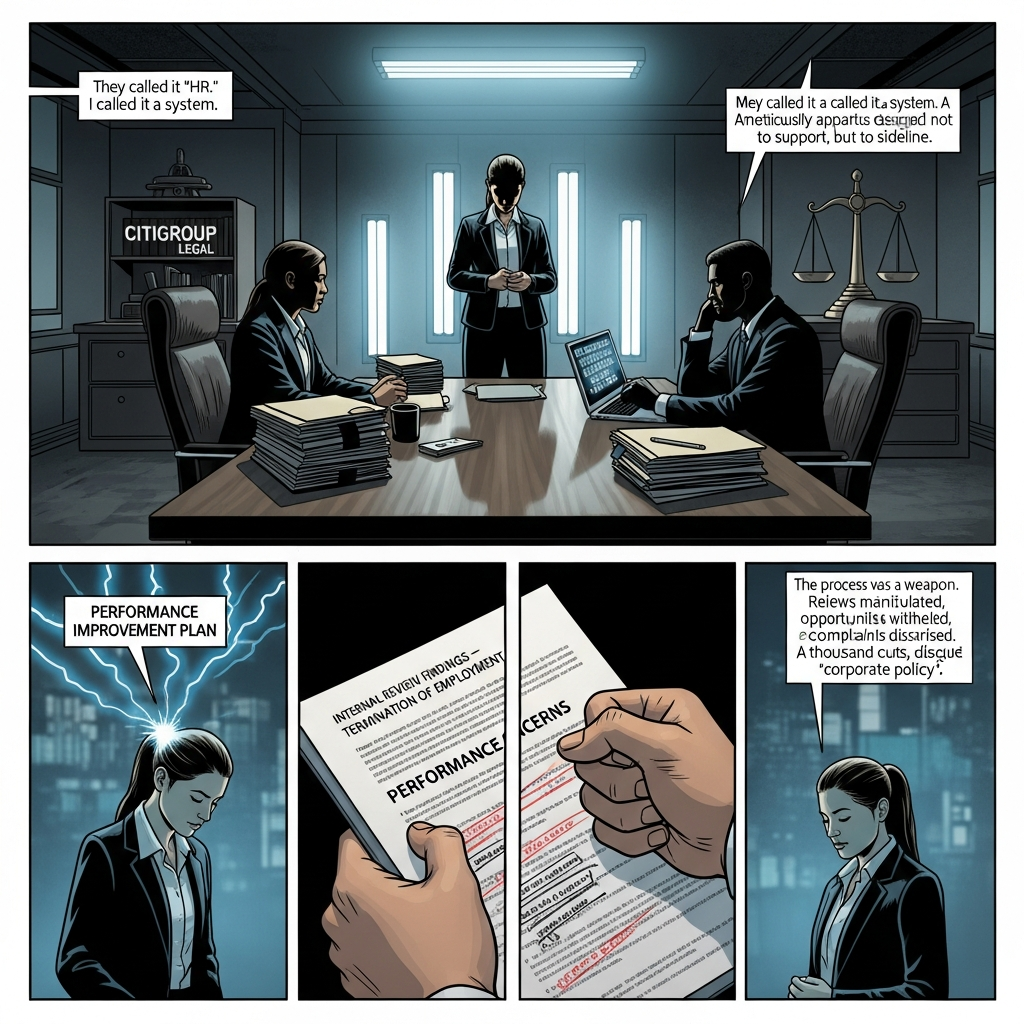
A seismic legal challenge has rocked Citigroup, as a former senior executive, Julia Carreon, sues the banking giant. Her explosive Citigroup lawsuit alleges persistent sexual harassment, a hostile workplace, and a shocking claim: that the bank’s Human Resources department was “weaponized” to force her out rather than address her complaints. This high-profile case casts a harsh spotlight on corporate accountability and workplace culture within one of the world’s largest financial institutions. It underscores the ongoing struggle for gender equity and highlights critical questions about how corporations handle sensitive misconduct claims.
The allegations surface at a crucial time for Citigroup, led by CEO Jane Fraser, the first woman to helm a major global bank. As the firm undergoes a massive restructuring, these legal battles add another layer of complexity, drawing intense scrutiny to its internal practices and commitment to a truly inclusive environment.
The Alarming Allegations: Julia Carreon’s Sexual Harassment Lawsuit
Julia Carreon, formerly a managing director and global head of platform and experiences at Citigroup, has filed a compelling sexual harassment lawsuit in Manhattan federal court. She accuses Andy Sieg, the executive leading Citigroup’s wealth management unit, of a “campaign of unrelenting and egregious sexual harassment, manipulation, and grooming.” Carreon’s complaint details a disturbing pattern of behavior that allegedly began shortly after Sieg joined the bank in October 2023.
A Senior Executive’s Account of Harassment
Initially, Sieg appeared supportive, even helping Carreon secure a promotion. However, her lawsuit claims his conduct soon shifted dramatically. Carreon alleges Sieg treated her “much differently” from her male colleagues, engaging in frequent calls and text messages, some reportedly from a “burner phone.” He allegedly shared confidential information with her, insisting she was the only one he could trust. Carreon recounts instances where Sieg demanded she sit close to him in meetings, implied an intimate relationship to others, and even spoke to her with “sexual undertones.” A particularly unsettling accusation involves Sieg telling two male colleagues in her presence that he and Carreon shared a “secret song” by the rock band Kings of Leon, creating an awkward silence. Another alarming claim describes a late-night call where Sieg allegedly told her he had been “glazing her so hard that it made him feel dirty.”
Carreon’s decision to come forward is, in her own words on LinkedIn, “life-altering.” She emphasized that she was not silenced by a Non-Disclosure Agreement (NDA), viewing this as an opportunity to drive meaningful change in financial industry ethics.
“Weaponized HR”: Citigroup’s Internal Investigation Under Fire
Perhaps the most damning aspect of Carreon’s Citigroup lawsuit is her claim against the bank’s Human Resources department. She alleges that instead of investigating Sieg, HR initiated its own campaign to force her out. This “weaponized” HR function, Carreon asserts, subjected her to a “misogynistic investigation into their professional relationship” and pressured her to leave. She discovered HR was investigating false allegations against her, including claims of being a bully and advancing her career through “special access” to Sieg.
The complaint states Carreon’s belief that HR would “circle the wagons to protect the men of Citi,” leading to her “takedown” and eventual departure in June 2024. This alleged action, she contends, is “consistent with HR’s perpetuating Citi’s decades-long history of bias and harassment against women” and reflects “institutional misogyny.”
Broader Context: A Pattern of Corporate Misconduct?
Citigroup unequivocally denies Carreon’s allegations, stating, “This lawsuit has absolutely no merit and we will demonstrate that through the legal process.” However, this isn’t the first time Andy Sieg’s conduct has faced scrutiny. Earlier reports from Bloomberg News and the Financial Times last year cited claims that Sieg intimidated and sidelined employees, with both men and women expressing concerns about his behavior.
Furthermore, Carreon’s case is not isolated within Citigroup. The bank is also defending against a separate gender discrimination lawsuit filed by another managing director, Ardith Lindsey. Lindsey’s suit details alleged violent threats from a different supervisor and claims a “pervasive” culture of sexual harassment and gender discrimination within the bank. These collective legal actions paint a challenging picture of corporate misconduct and the internal mechanisms meant to address it.
Citigroup Under Scrutiny: Workplace Culture and Accountability
These high-profile legal battles emerge amidst a period of significant transformation for Citigroup. Under CEO Jane Fraser, the bank is undergoing a substantial restructuring, aiming to simplify operations and cut approximately 20,000 jobs. This makes the timing of these lawsuits particularly sensitive, as they directly challenge the perceived integrity and equity of the bank’s internal environment.
The #MeToo Movement and Corporate Reckoning
The Citigroup lawsuit resonates deeply with the broader #MeToo movement, which has spurred a national conversation about sexual harassment, power imbalances, and accountability in the workplace. Critics argue that traditional hierarchies, particularly in male-dominated sectors like finance, can enable misconduct and create environments where reporting harassment is fraught with fear of retaliation. Carreon’s claims that Citigroup’s HR department became “weaponized” against her, rather than supporting her, strike at the heart of these systemic issues. This case underscores the vital importance of independent, impartial internal investigations.
Citi’s Restructuring Amid Legal Challenges
While CEO Jane Fraser strives to reshape Citigroup, these lawsuits could impact the firm’s reputation and its ability to attract and retain top talent, particularly women. Investors and clients are increasingly aware of a company’s track record on workplace fairness and safety, recognizing that such issues carry significant reputation risk. The legal outcomes could influence not only financial penalties but also internal policy reforms and the perception of Citigroup’s ethical leadership.
Another Legal Battle: The Ann Watson Discrimination Case in London
Adding to Citigroup’s legal challenges is a separate, equally significant case unfolding in London. Ann Watson, a former senior vice president in Citi’s Finance Solutions Group, has filed a lawsuit alleging unfair dismissal and discrimination following her termination in 2023. This case delves into questions of employee rights regarding health conditions and accountability for workplace remarks.
Racial Remarks and Disputed Dismissal
The London tribunal case centers on a virtual job interview where Watson was accused of making racially insensitive remarks about working with Indian colleagues. She allegedly told an Indian-origin colleague, Kapil, “No offence to you, Kapil, but you know what Indians are like to work with—it’s a nightmare.” After the interview briefly paused, she reportedly added, “Now it’s your chance, Kapil, to get me back.” Citigroup’s HR department terminated her employment approximately a month later, citing a violation of workplace conduct policies.
Medical Conditions and Discrimination Claims
Watson, 55, is suing the bank, arguing her dismissal was a disproportionate punishment. She claims to suffer from long COVID and menopausal symptoms, which manifest as memory lapses and other cognitive issues. Watson asserts that if the alleged remarks were made, they could have stemmed from these health challenges, not intentional malice. She states she was “shocked” by the accusations and cannot recall making the specific comments. Her legal filing suggests Citi failed to consider her medical state and 12 years of dedicated service.
Citigroup, however, firmly defends its actions. The bank maintains its internal investigation was thorough and impartial, asserting that Watson’s health conditions do not justify or mitigate the alleged conduct. A Citi spokesperson emphasized the bank takes racism allegations seriously and holds all employees to professional standards.
Implications for Workplace Accountability and Health
This London case is poised to test legal boundaries, particularly concerning the Equality Act and whether menopause should be recognized as a protected health condition impacting workplace accountability. It arises as global financial firms face stricter scrutiny on diversity, equity, and inclusion (DEI), especially in the wake of the George Floyd protests. The outcome of this tribunal could set an important precedent for future cases involving menopause-related workplace disputes and the balance between employee health and professional conduct.
Navigating Corporate Conduct: Lessons for Employees and Employers
The collective weight of these lawsuits serves as a powerful “moment of reckoning” for corporate America and the global financial sector. They offer crucial lessons for all stakeholders regarding corporate accountability and ethical governance.
For Employees: Documenting and Advocating for Your Rights
Document Meticulously: If you experience or witness misconduct, keep detailed records of dates, times, locations, specific comments, actions, and witnesses. This documentation is critical for any formal complaint or legal action.
Understand Your Rights: Familiarize yourself with federal, state, and city laws (e.g., Title VII of the Civil Rights Act) that prohibit harassment, discrimination, and retaliation.
Seek Support: Don’t hesitate to consult with legal counsel or advocacy groups if internal processes feel inadequate or retaliatory. Organizations like Carreon’s and Watson’s claims highlight the potential for internal processes to fall short.
For Employers: Building a Culture of Trust and Fairness
Establish Transparent Reporting Channels: Ensure employees have clear, accessible, and confidential avenues to report misconduct without fear of reprisal.
Conduct Impartial Investigations: All allegations must be investigated swiftly, thoroughly, and impartially. This may involve independent third-party investigators to maintain objectivity.
Enforce Policies Consistently: Policies against harassment and discrimination must be uniformly applied to all employees, regardless of rank. Favoritism towards higher-ranking individuals undermines trust and encourages misconduct.
Invest in Training and Leadership Accountability: Ongoing, effective training on professional conduct, implicit bias, and respectful workplace culture is essential. Leaders must be held accountable for fostering an inclusive environment and addressing issues promptly.
Beyond Policy Statements: Genuine accountability goes beyond formal statements. It requires concrete actions and demonstrable outcomes where complainants feel heard, supported, and protected.
Frequently Asked Questions
What are the specific allegations made by Julia Carreon against Citigroup?
Julia Carreon, a former managing director at Citigroup, alleges she experienced “unrelenting and egregious sexual harassment” from wealth chief Andy Sieg, including frequent calls, sharing confidential information, and suggestive remarks. Critically, her lawsuit also claims that Citigroup’s HR department became “weaponized,” launching an investigation into her based on false allegations rather than addressing her complaints against Sieg. She ultimately left the bank, believing HR sought to force her out to protect male executives.
How does Citigroup’s HR department reportedly handle internal misconduct claims, according to the lawsuits?
According to Julia Carreon’s lawsuit, Citigroup’s HR department allegedly engaged in “institutional misogyny” and “weaponized” its processes. Instead of investigating the alleged harasser, Andy Sieg, HR reportedly targeted Carreon, investigating her for an “inappropriate relationship” and false allegations. This is claimed to be part of a broader pattern of HR protecting male executives and contributing to a discriminatory culture. Similarly, in Ann Watson’s case, HR promptly terminated her for a racial remark, but Watson alleges her health conditions were not adequately considered during the disciplinary process.
What are the broader implications of these lawsuits for Citigroup’s reputation and corporate culture?
These lawsuits, particularly Carreon’s high-profile sexual harassment claim and Watson’s discrimination case, pose significant challenges to Citigroup’s reputation and its ongoing efforts to reshape its corporate culture under CEO Jane Fraser. They highlight persistent issues with corporate misconduct and the effectiveness of internal HR investigation processes, particularly concerning gender discrimination and employee rights. The cases draw scrutiny from investors and clients, raising questions about the bank’s ethical governance and its ability to foster an inclusive, respectful workplace free from harassment and retaliation.
Conclusion
The legal challenges facing Citigroup, from Julia Carreon’s sexual harassment lawsuit in New York to Ann Watson’s discrimination case in London, represent more than isolated incidents. They are profound tests of corporate accountability and the integrity of internal systems designed to protect employees. These cases underscore a crucial societal expectation: that corporations must move beyond mere policy statements to demonstrate genuine commitment to fairness, equity, and a safe workplace culture. As these lawsuits progress, their outcomes will not only shape Citigroup’s future but also send powerful signals across the financial industry about the evolving standards for ethical leadership and employee protection in the 21st century.