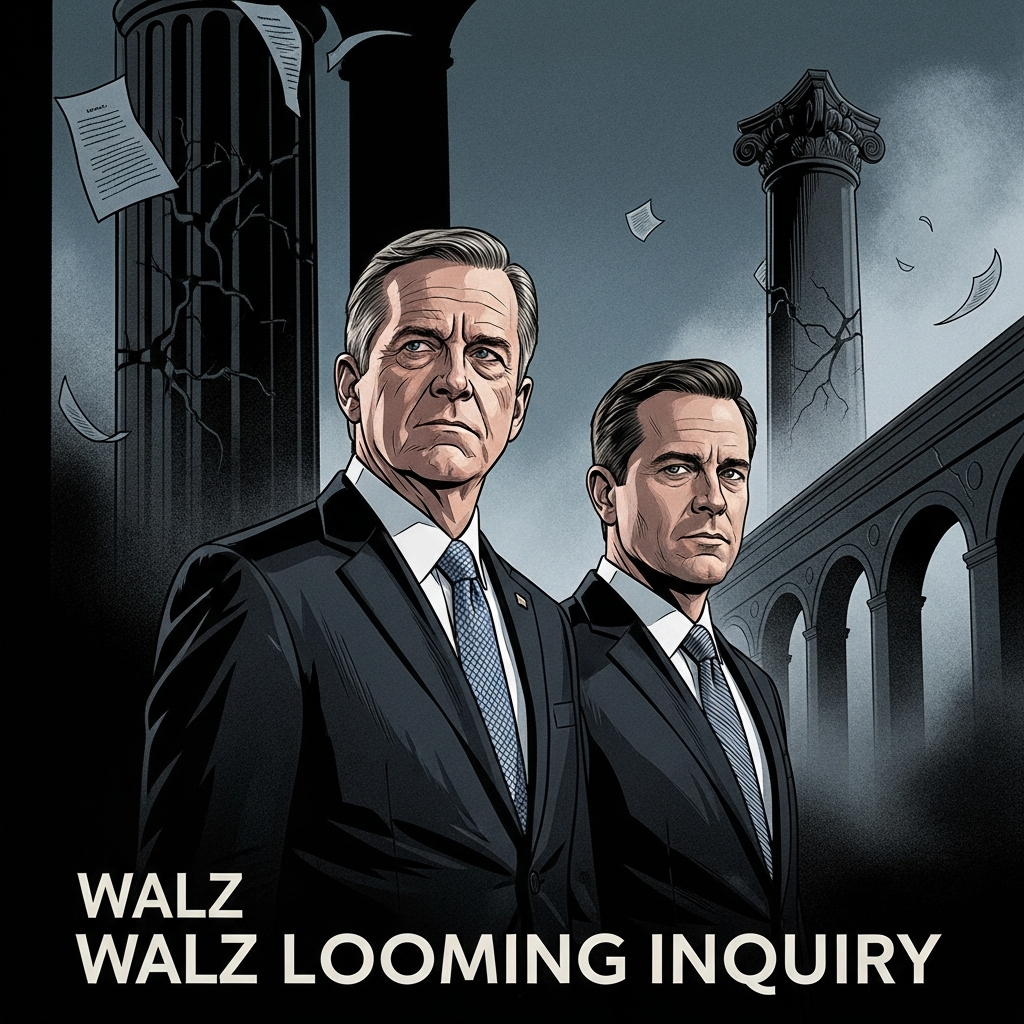
Breaking news out of Washington reveals the U.S. Justice Department is investigating Minnesota Governor Tim Walz and Minneapolis Mayor Jacob Frey. The probe centers on whether their public statements may have illegally obstructed federal immigration enforcement efforts. This controversial inquiry, confirmed by sources close to the matter, suggests a potential violation of a rarely used conspiracy statute, escalating already high tensions between state and federal authorities.
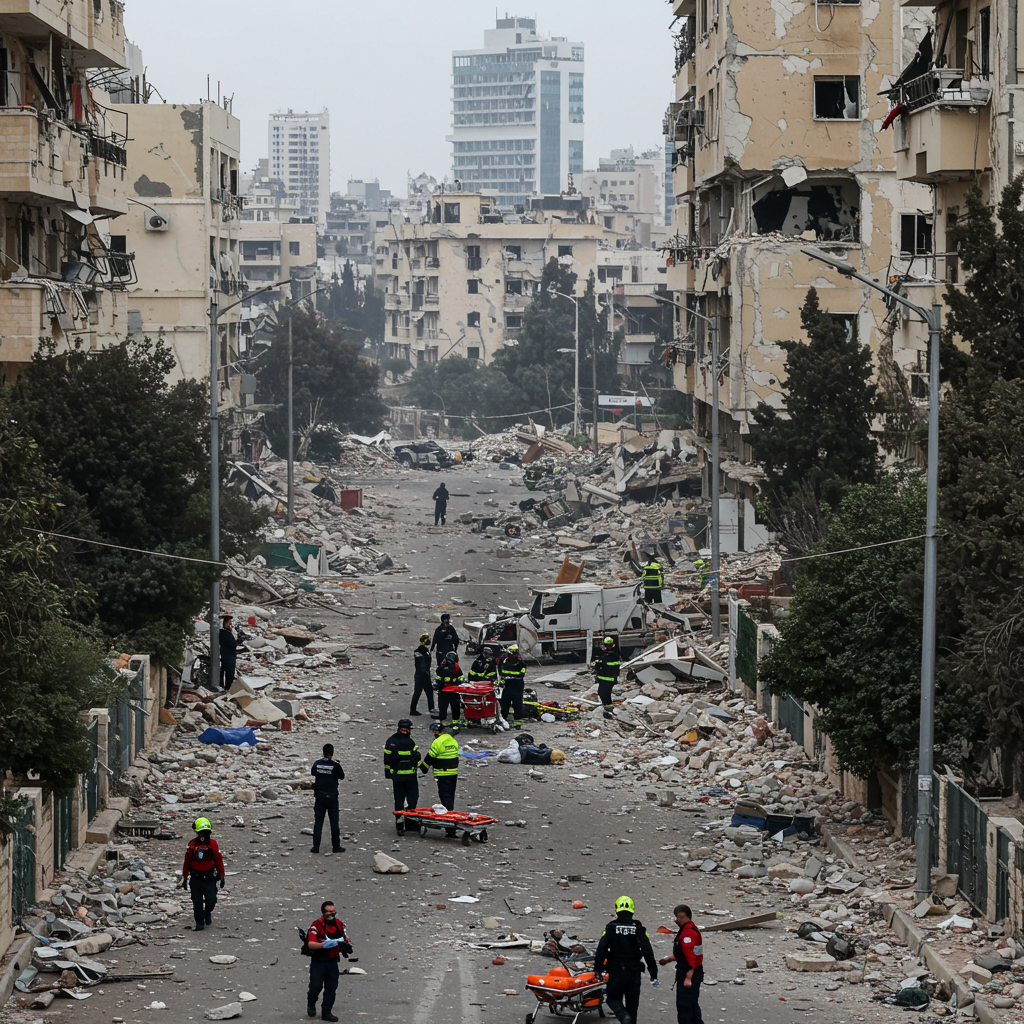
The federal investigation surfaces amidst a large-scale immigration crackdown across Minneapolis and St. Paul. The Department of Homeland Security (DHS) described this as its most significant enforcement operation to date, resulting in over 2,500 arrests. Local officials, however, argue the federal government is “weaponizing” the justice system for political purposes, raising serious questions about free speech and federal overreach.
Federal Scrutiny: The Core Allegation Against Walz and Frey
The Justice Department’s investigation reportedly targets public statements made by Governor Walz and Mayor Frey. The accusation is that these statements created an environment that impeded the lawful execution of federal immigration duties. Specifically, the inquiry points to a potential violation of a Civil War-era conspiracy statute, an archaic law not commonly invoked in modern federal investigations. Legal experts note that initiating such a probe, especially one targeting political speech by elected officials, would typically involve consultation with the Justice Department’s Public Integrity Section. However, reports suggest this section has been sidelined during the current administration.
Attorney General Pam Bondi’s recent memo, which outlined a “roadmap” for prosecutors to intensify investigations into individuals classified as “domestic terrorists,” adds another layer to this development. Bondi’s public statements on social media, reminding Minnesotans that “No one is above the law,” underscore the administration’s firm stance. This focus on speech as potential obstruction has ignited a fierce debate over First Amendment rights and the boundaries of federal power.
Minnesota Leaders Push Back: “Authoritarian Tactics”
Both Governor Walz and Mayor Frey have vehemently condemned the investigation, framing it as a politically motivated attack. Governor Walz, whose office confirms no official notice of the probe has been received, stated the investigation represents “weaponizing the justice system and threatening political opponents.” He drew parallels to previous alleged targeting of figures like Elissa Slotkin, Jerome Powell, and Mark Kelly, calling it a “dangerous, authoritarian tactic.”
Mayor Jacob Frey echoed Walz’s sentiments, asserting on social media that the investigation is “an obvious attempt to intimidate me for standing up for Minneapolis, local law enforcement, and residents against the chaos and danger this Administration has brought to our city.” Frey vowed he “will not be intimidated” and reiterated his commitment to keeping the city safe. Richard Carlbom, Chair of the DFL Party, further criticized the Trump administration for “abusing its power” and “escalating tensions,” highlighting that “The only person Donald Trump is not investigating is the ICE agent who killed Renee Good.”
Heightened Tensions: The Renee Good Shooting and Ongoing Crackdown
The federal investigation gained momentum following the tragic fatal shooting of Renee Good on January 7 by ICE officer Jonathan Ross. Good, a U.S. citizen and mother of three, was shot during an immigration enforcement operation. Police and fire dispatch logs, along with 911 transcripts, paint a grim picture: a caller described Good being shot “point blank range in her car” for not opening the door. Video footage reportedly shows an officer demanding she open her SUV door, grabbing the handle, and as Good began to move her vehicle, Officer Ross fired at close range. DHS claims the agent acted in self-defense.
Local officials, including Walz and Frey, have openly criticized the federal handling of the shooting, questioning the justification for Ross’s actions and the FBI’s decision to exclude local authorities from the investigation. This incident intensified an already confrontational immigration crackdown in the Twin Cities. The DHS operation, described as its largest, has involved aggressive tactics, including agents using battering rams to enter homes and pulling individuals from their cars, often leading to clashes with upset bystanders.
Broader Civil Liberties Concerns and Legal Precedents
The federal inquiry into Walz and Frey’s statements raises significant constitutional concerns, particularly regarding freedom of speech. Aaron Terry, Director of Public Advocacy for the Foundation for Individual Rights in Education (FIRE), unequivocally stated that if the investigation is based on criticism of administration policies, it is “blatantly unconstitutional and intolerable in a free society.” Terry emphasized that “The right to condemn government action without fear of government punishment is the foundation of the First Amendment.”
This federal-local friction is not isolated. The enforcement operation has sparked several high-profile incidents:
Garrison Gibson Case: A Liberian man, Garrison Gibson, was unlawfully arrested after agents used a battering ram on his Minneapolis home. Despite living legally under an order of supervision, he was detained, freed by a judge, then re-detained, and finally released again after ICE acknowledged a mistake. A federal judge ruled his initial arrest unlawful due to insufficient notice regarding the revocation of his supervision status.
Native American Community Concerns: Tribal leaders and rights organizations have advised members in Minnesota to carry tribal IDs due to increased reports of stops and detentions by ICE agents. Shawnee Tribe Chief Ben Barnes called these reports “deeply concerning.”
Hmong Community Impact: St. Paul Mayor Kaohly Her, who is Hmong American, reported residents carrying passports and ICE agents going door-to-door asking for “Asian people,” impacting the large Hmong population that settled in the U.S.
Protection for Protesters: In a related legal victory, a U.S. judge ruled that federal officers cannot detain or use tear gas on peaceful protesters or observers not obstructing authorities. This decision came from an ACLU of Minnesota lawsuit.
Amidst these events, an FBI vehicle also suffered broken windows and stolen weapons during the week, prompting FBI Director Kash Patel to confirm an arrest. President Trump responded by reiterating threats to invoke the 1807 Insurrection Act if Minnesota officials failed to control “professional agitators and insurrectionists,” though he later softened his stance.
National Implications and the Future of Federal-Local Relations
The Justice Department’s investigation into Governor Walz and Mayor Frey signals a significant escalation in the ongoing power struggle between federal and local governments, particularly concerning immigration policies. It highlights a recurring theme of the administration confronting local leaders who challenge its authority or operations. The use of a rarely invoked statute to target public statements by elected officials sets a potentially alarming precedent for free speech and political dissent.
This federal scrutiny has forced Minnesota’s leaders to double down on their commitment to protecting their constituents and upholding civil liberties. The accusations of “weaponizing the justice system” resonate across broader political landscapes, drawing attention to the balance of power and the limits of executive authority. As the investigation unfolds, its outcome could have far-reaching implications for future federal-local interactions and the protection of constitutional rights nationwide.
Frequently Asked Questions
What specific charges or statutes are Governor Walz and Mayor Frey being investigated under?
The Justice Department is reportedly investigating Governor Tim Walz and Mayor Jacob Frey for potential violation of a rarely invoked, Civil War-era conspiracy statute. This statute suggests the inquiry focuses on whether their public statements constitute a conspiracy to impede federal immigration enforcement activities. Officials like Attorney General Pam Bondi have also pointed to a broader “roadmap” to investigate individuals categorized as “domestic terrorists,” raising further concerns about the scope of the probe.
How have Minnesota’s state and local officials responded to the federal investigation?
Both Governor Walz and Mayor Frey have strongly condemned the investigation as a politically motivated attack. Governor Walz described it as “weaponizing the justice system” and an “authoritarian tactic” to threaten political opponents. Mayor Frey called it an “obvious attempt to intimidate” him for defending Minneapolis residents and local law enforcement, vowing he would not be swayed. Both leaders, along with DFL Party Chair Richard Carlbom, have reiterated their commitment to protecting Minnesotans and promoting peaceful responses amidst federal enforcement operations.
What is the broader context of federal immigration enforcement operations in Minnesota during this period?
The federal investigation is set against the backdrop of a substantial, weekslong immigration crackdown in Minneapolis and St. Paul. The Department of Homeland Security (DHS) has labeled this its largest enforcement operation, leading to over 2,500 arrests. The operation became particularly confrontational following the fatal shooting of Renee Good by an ICE officer on January 7, an event that fueled local criticism of federal tactics and sparked widespread protests, further escalating tensions between local and federal authorities.
Conclusion
The federal investigation into Minnesota Governor Tim Walz and Minneapolis Mayor Jacob Frey represents a critical juncture in the ongoing debate over federal power, local autonomy, and constitutional rights. What began as a large-scale immigration enforcement operation has spiraled into a high-stakes political and legal battle, intensified by tragic events like the Renee Good shooting and aggressive federal tactics. The allegations of “weaponizing the justice system” against elected officials for their public statements challenge fundamental principles of free speech and set a concerning precedent. As this complex situation develops, the outcome will undoubtedly shape future federal-local relations and the protection of civil liberties in a charged political climate.