The United States has delivered a powerful message of unwavering resolve with its latest round of “large-scale strikes” against ISIS targets across Syria. This coordinated military action, undertaken on January 10, 2026, signifies a robust response to a deadly ambush that tragically claimed the lives of three Americans just weeks prior. The operations underscore America’s steadfast commitment to rooting out terrorism and safeguarding its forces and allies in the region.
Escalating the Fight: Operation Hawkeye Strike Intensifies
These recent US strikes Syria ISIS operations are a critical continuation of “Operation Hawkeye Strike,” a focused campaign initiated by President Donald Trump on December 19, 2025. This decisive action followed a brutal ISIS ambush near Palmyra on December 13, which killed two American soldiers, Sgt. Edgar Brian Torres-Tovar and Sgt. William Nathaniel Howard of the Iowa National Guard, alongside a U.S. civilian interpreter, Ayad Mansoor Sakat. Three other U.S. personnel were also wounded in the attack, attributed to a lone ISIS gunman.
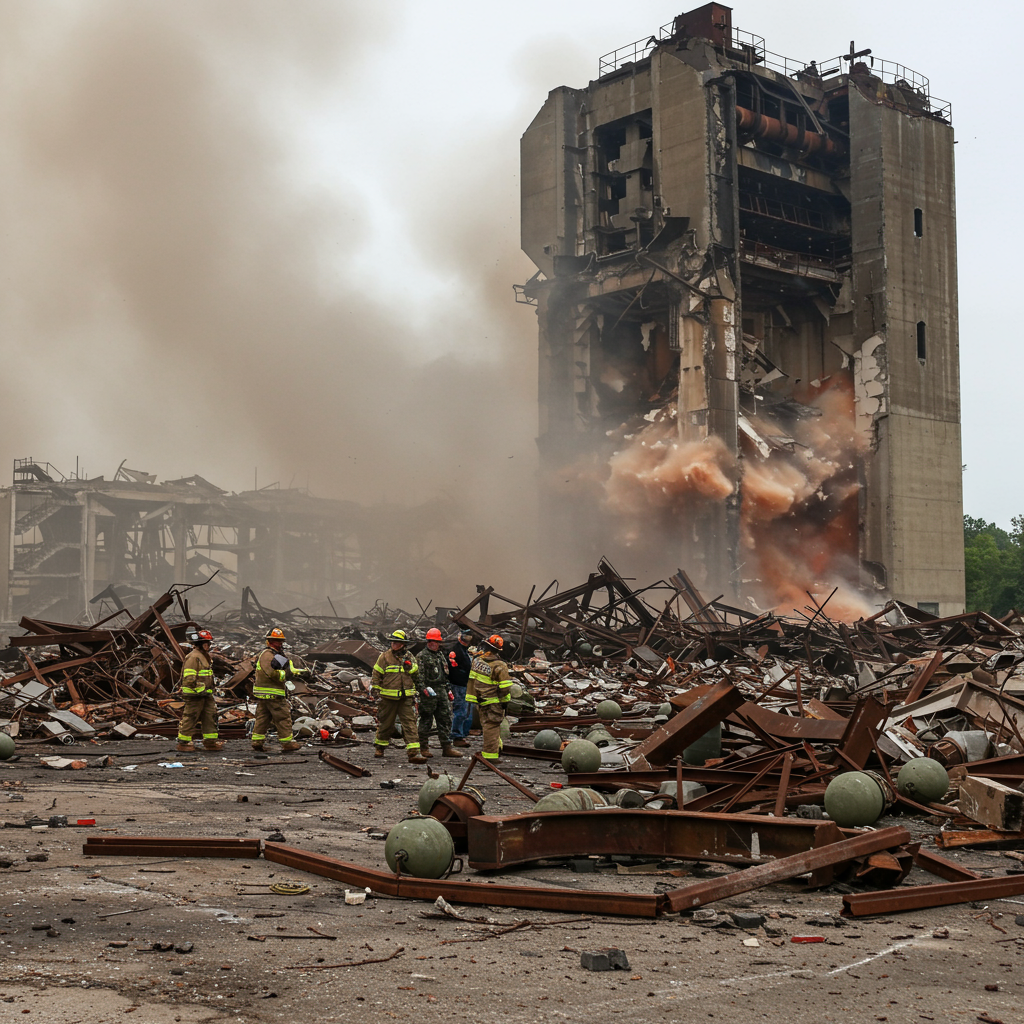
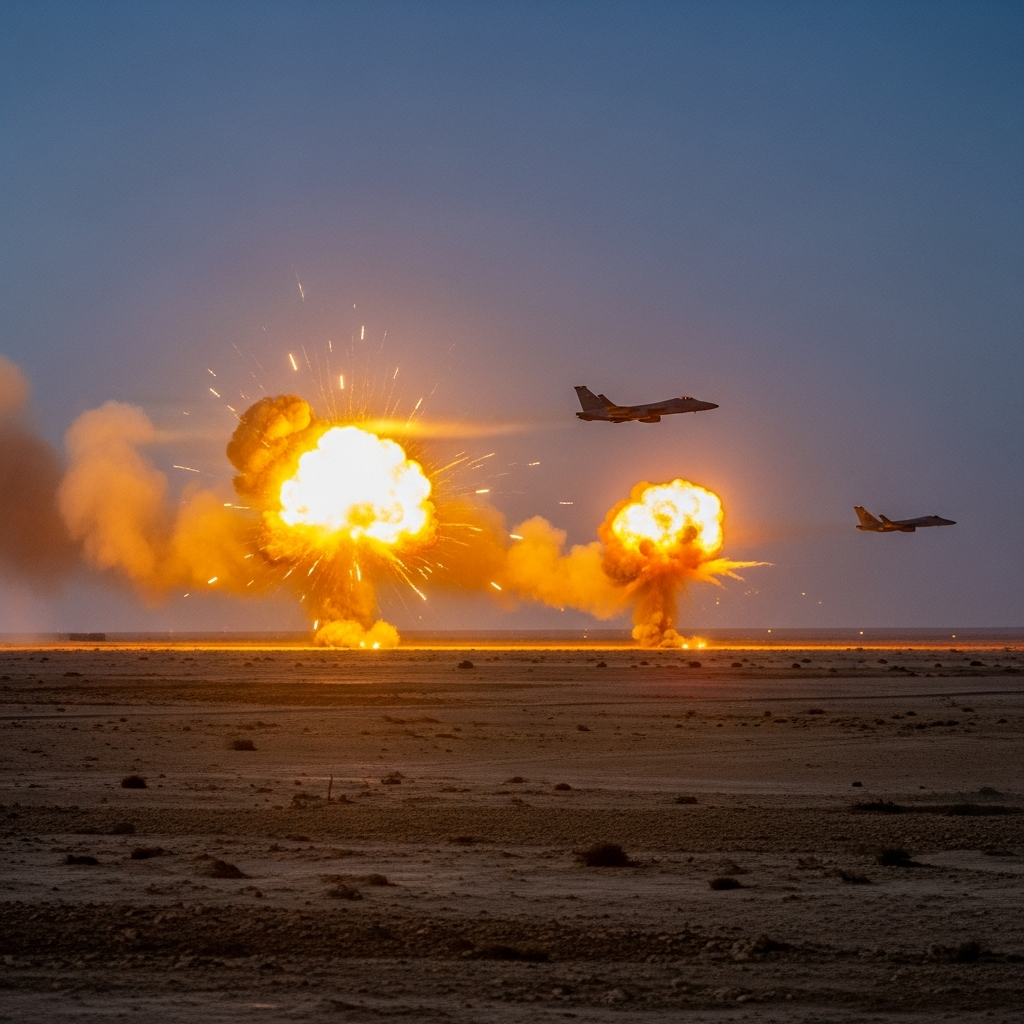
The scope of the January 10 strikes was substantial. More than 20 aircraft, including F-15Es, A-10s, AC-130Js, MQ-9s, and Jordanian F-16s, participated in the mission. They deployed over 90 precision munitions, successfully striking more than 35 identified ISIS targets throughout Syria. U.S. Central Command (CENTCOM) confirmed the retaliatory airstrikes, highlighting the joint effort with unnamed allied forces, later identified to include Jordanian military assets.
A Declaration of Vengeance: CENTCOM’s Unambiguous Warning
CENTCOM’s spokesperson, Capt. Tim Hawkins, articulated the strategic objectives of these ongoing operations. He stated that the strikes are an integral part of “our ongoing commitment to root out Islamic terrorism against our warfighters, prevent future attacks, and protect American and partner forces in the region.” This statement emphasizes a proactive stance against terror threats.
The command also issued a stark and unequivocal warning to terrorist groups. “Our message remains strong: if you harm our warfighters, we will find you and kill you anywhere in the world, no matter how hard you try to evade justice,” CENTCOM declared. This strong rhetoric signifies an aggressive policy of retribution against those who target American personnel.
Defense Secretary Pete Hegseth reinforced this sentiment publicly. He utilized social media to underscore the U.S. commitment, stating, “We will never forget, and never relent.” Hegseth had previously characterized the initial retaliatory actions in December not as the “beginning of a war — it is a declaration of vengeance.” This powerful framing clearly signals the U.S. intent to actively pursue and dismantle ISIS capabilities.
Evolving Alliances: A New Chapter in Syria
The unfolding situation in Syria highlights a significant shift in U.S. strategic partnerships within the region. For many years, the Kurdish-led Syrian Democratic Forces (SDF) served as the primary U.S. ally in the protracted fight against ISIS. However, a notable recalibration of alliances has occurred.
Since the reported fall of President Bashar al-Assad’s regime in December 2024, Washington has increasingly coordinated with the central government in Damascus. This strategic pivot was formalized following a visit by Syrian President Ahmed al-Sharaa to the White House in late 2025. This visit culminated in Syria officially joining the global coalition against ISIS, marking a new phase of collaboration.
National Security Correspondent JJ Green suggested that these ongoing counter-terrorism operations are likely conducted “with their permission, their cooperation, and with their help.” This indicates a potential deepening of ties between the U.S. and the new Syrian government. Such a shift could reshape the future of anti-terrorism efforts and regional stability.
The Broader Picture: Sustained Pressure on a Weakened Foe
The January 10 strikes are not isolated incidents but rather part of a sustained campaign. Earlier military actions under “Operation Hawkeye Strike” included a “massive strike” by U.S. and Jordanian forces on December 19. This initial assault involved fighter jets, attack helicopters, and artillery, hitting over 70 targets across multiple locations in central Syria with more than 100 precision munitions. These strikes targeted known ISIS infrastructure and weapons sites.
Between December 20 and December 29, U.S. forces conducted 11 additional missions. These operations resulted in the killing or capture of nearly 25 ISIS group members, demonstrating continuous pressure. Despite being weakened, ISIS reportedly remains active in Syria. Intelligence suggests the group is escalating beyond small-scale attacks, actively planning and attempting “bigger attacks, more targets, more deadly attacks.”
The military’s objective is clear: to “pull this out at the root before it gets any worse or any further.” The timing of the current strikes was informed by intelligence indicating “chatter and some information that ISIS is continuing to plan and continuing to plot to do these strikes on U.S. forces.” This proactive stance aims to disrupt ISIS’s capabilities and prevent future aggression against U.S. and partner forces.
Approximately 1,000 U.S. troops remain in Syria, facing threats from various groups in the volatile region. While President Trump had previously expressed skepticism about the U.S. presence and ordered troop withdrawals during his first term, forces ultimately remained. The U.S. military has indicated future plans to further reduce its personnel in Syria and eventually consolidate its various bases to a single location. These US retaliatory strikes Syria aim to ensure the safety of these forces while continuing to dismantle ISIS.
Frequently Asked Questions
What was the immediate catalyst for the recent large-scale US strikes in Syria?
The immediate catalyst for the January 10, 2026, large-scale US strikes in Syria was a deadly ISIS ambush near Palmyra on December 13, 2025. This attack resulted in the tragic deaths of two American soldiers, Sgt. Edgar Brian Torres-Tovar and Sgt. William Nathaniel Howard, and a U.S. civilian interpreter, Ayad Mansoor Sakat, with three other U.S. personnel wounded. The strikes were a direct and decisive retaliation for this specific act of terrorism, demonstrating America’s commitment to protecting its forces.
What is “Operation Hawkeye Strike,” and what are its key objectives?
“Operation Hawkeye Strike” is the name given to the broader U.S.-led military campaign initiated by President Donald Trump on December 19, 2025, in response to the Palmyra ambush. Its key objectives, as stated by CENTCOM, are to root out Islamic terrorism against U.S. warfighters, prevent future attacks, and protect American and partner forces in the region. The operation involves precision strikes and ongoing raids aimed at dismantling ISIS infrastructure and capabilities throughout Syria.
How has the U.S. strategy and alliances in Syria evolved with the new government?
Historically, the U.S. primarily partnered with the Kurdish-led Syrian Democratic Forces (SDF) against ISIS. However, since the ouster of former Syrian President Bashar al-Assad in December 2024, U.S. strategy has shifted significantly. Washington is now increasingly coordinating with the central government in Damascus, led by President Ahmed al-Sharaa, who visited the White House in late 2025. This formalized collaboration resulted in Syria joining the global coalition against ISIS, indicating a new phase of cooperation and a recalibration of alliances in the region.
The latest US strikes Syria ISIS targets represent a firm stance against continued threats from the Islamic State. By integrating strategic military action with evolving diplomatic partnerships, the United States aims to maintain pressure on terrorist networks, protect its personnel, and contribute to regional stability in a post-Assad Syria. These efforts reflect a persistent commitment to counter-terrorism and the safety of American and allied forces globally.