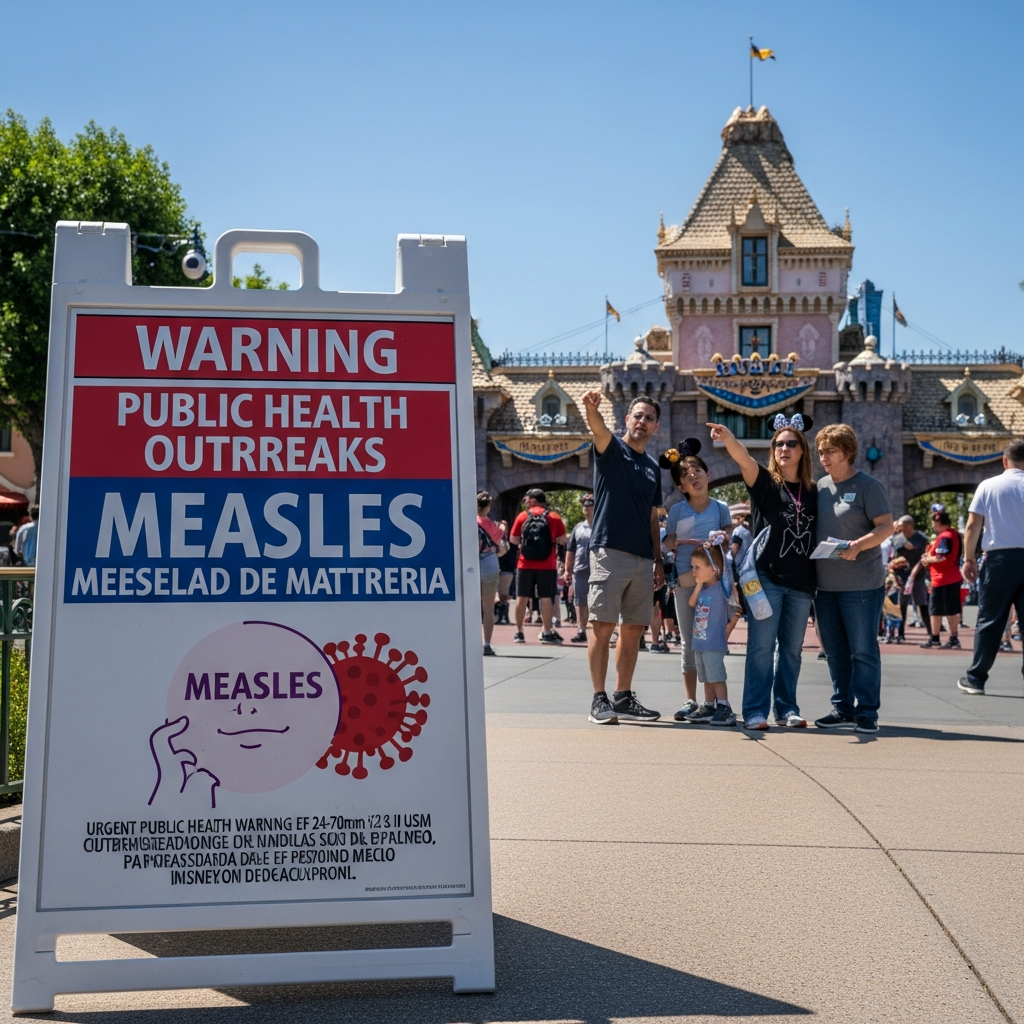
New York is grappling with an unprecedented flu season. Health officials report a shocking surge in New York flu cases, leading to record-high hospitalizations. This alarming trend signals a more severe season than prior years, prompting urgent calls for public action. With thousands admitted to hospitals and a new potent flu strain circulating, understanding this crisis and taking preventive steps is paramount for every New Yorker.
Understanding New York’s Unprecedented Flu Season
The current flu season in New York has reached a critical point. Data reveals an intensity not seen in recent memory. State Health Commissioner Dr. James McDonald has described this season as “more severe than prior years.” This assessment is supported by hard numbers and a widespread presence of influenza across the state. The situation is not just a local concern; it reflects a broader national increase in respiratory illnesses.
The Alarming Statistics: A Closer Look at Hospitalizations
The numbers paint a stark picture of the New York flu crisis. For a single week ending in late December 2025/early January 2026, New York State recorded an astonishing 4,546 flu-related hospitalizations. This figure represents the highest weekly total since comprehensive tracking began in 2004. It also marks a significant 24% increase, or nearly 1,000 more admissions, compared to the previous week. Beyond hospitalizations, overall flu diagnoses peaked at over 72,000 cases in a single week last month, though they saw a slight reduction recently. The New York State Department of Health (NYSDOH) has officially declared influenza prevalent. This declaration mandates that unvaccinated healthcare staff wear masks in patient-facing areas, underscoring the gravity of the situation.
Why This Season is Different: The H3N2 Subclade K
A major factor driving the severity of this New York flu season is the aggressive circulation of a specific strain. Public health experts point to subclade K, a variant of the H3N2 virus, which is itself a subtype of influenza A. This particular strain has a history of causing more severe flu seasons, especially affecting older adults. It has been actively spreading internationally since the summer, causing spikes in countries like Canada, Japan, and the U.K. Diagnostic testing by the CDC confirms its dominance; approximately 92% of tested flu samples were H3N2, with nearly 90% of those belonging to the subclade K variant. The Centers for Disease Control and Prevention (CDC) estimates at least 7.5 million illnesses, 81,000 hospitalizations, and 3,100 deaths nationwide this season, including eight pediatric deaths, highlighting the widespread impact of this formidable virus.
Protecting Yourself and Your Loved Ones: Key Strategies
In the face of this severe flu season, proactive measures are more vital than ever. Health officials are clear: there are effective ways to protect yourself and your community. Prioritizing prevention is key to mitigating the spread and reducing severe outcomes. Every individual’s effort contributes to collective public health.
The Critical Role of Flu Vaccination
Vaccination remains the most potent defense against the flu. Despite the season’s intensity, it is not too late to get a flu shot. Dr. McDonald stresses that there is still time for individuals to build protection. The flu vaccine is widely accessible across New York State. It is available to anyone aged 6 months and older at pharmacies, health clinics, and doctor’s offices. New Yorkers aged 2 and older can even receive the vaccine at participating pharmacies without a prescription.
Certain populations face a significantly higher risk for serious complications from the flu. These vulnerable groups include:
Young children
Pregnant women
Individuals with chronic health conditions
Adults over the age of 65
Even if the vaccine offers reduced effectiveness against a specific variant like H3N2, it significantly lessens the severity of illness, the likelihood of hospitalization, and the risk of death. Unfortunately, CDC data for 2025 indicated a low vaccination rate, with only about 42% of adults and children receiving a flu shot. Boosting these numbers is crucial for community immunity.
Beyond the Shot: Essential Prevention Measures
While vaccination is fundamental, simple everyday habits play a crucial role in curbing the spread of New York flu cases. Adhering to these public health measures can make a significant difference:
Frequent Handwashing: Wash hands often with soap and water for at least 20 seconds. If soap is unavailable, use an alcohol-based hand sanitizer.
Cover Coughs and Sneezes: Use a tissue to cover your mouth and nose, then discard it immediately. If no tissue is available, cough or sneeze into your elbow.
Stay Home When Sick: If you experience flu-like symptoms, stay home from work, school, and other activities to prevent infecting others.
Avoid Touching Your Face: Do not touch your eyes, nose, or mouth with unwashed hands.
Clean and Disinfect: Regularly clean and disinfect frequently touched objects and surfaces at home, work, and school.
Mask Up: Consider wearing a mask, especially in crowded indoor settings or if you are in a high-risk group. This can reduce transmission.
Recognizing Symptoms and Seeking Timely Care
Knowing the signs of the flu and understanding when to seek medical attention is vital. Early recognition and intervention can significantly impact the course of the illness, particularly for high-risk individuals. The flu typically develops quickly, often within four days of exposure.
Common symptoms associated with the flu include:
Fever or chills
Cough
Sore throat
Runny or stuffy nose
Muscle aches and body aches
Headache
Fatigue
Occasionally vomiting or diarrhea (more common in children)
Dr. Darien Sutton of ABC News advises that most people feel sickest on day two of symptom onset. Individuals can remain contagious for 5 to 7 days, even if symptoms improve.
When to Act: Antivirals and Testing
If you develop flu symptoms, acting quickly is important. Antiviral medications, such as Tamiflu, are available and can effectively treat the flu. However, they are most effective if initiated within 48 hours of symptom onset. These medications can significantly shorten the duration and severity of the illness, especially for vulnerable groups. It’s crucial to consult a doctor to determine if antivirals are appropriate for your situation.
Health officials recommend seeking a flu test, or a combination test for flu and COVID-19, within that critical 48-hour window. Prompt testing can lead to a quicker diagnosis and allow for timely antiviral treatment. For individuals at higher risk of severe complications, maintaining close contact with a healthcare provider and stocking up on necessary medications is a wise precaution. The severity of flu complications is a serious concern, with more than 1,000 people in New York City alone dying from flu-related complications each year.
Frequently Asked Questions
Why is this flu season in New York so severe compared to previous years?
This New York flu season is considered “more severe than prior years” due to a combination of factors. Record-high hospitalizations, peaking at 4,546 in a single week, demonstrate the intense impact. A key contributor is the aggressive circulation of the H3N2 subclade K strain of influenza A, which is historically associated with more severe illnesses. Additionally, a lower vaccination rate among the population (only about 42% in 2025) has left more individuals susceptible, leading to widespread transmission and increased severity.
Where can New Yorkers get a flu shot, and who is most at risk?
The flu shot is widely accessible across New York State. You can typically get vaccinated at local pharmacies, health clinics, and your doctor’s office. For convenience, New Yorkers aged 2 and older can receive the vaccine at participating pharmacies without a prescription, while children aged 6 months and older can get it at a healthcare provider’s office. Certain groups are at a significantly higher risk for serious flu complications, including young children, pregnant women, individuals with chronic health conditions, and adults over the age of 65.
What immediate steps should I take if I suspect I have the flu in New York?
If you suspect you have the flu in New York, act promptly. First, monitor your symptoms, which commonly include fever, cough, sore throat, and body aches. Second, stay home to prevent further spread. Third, contact your doctor as soon as possible, ideally within 48 hours of symptom onset. This timeframe is crucial because antiviral medications, if deemed appropriate by your doctor, are most effective when started early to reduce the duration and severity of the illness. Consider asking for a combined flu and COVID-19 test for accurate diagnosis.
Stay Vigilant, Stay Healthy
The current New York flu crisis demands our attention and collective effort. With record hospitalizations and a potent flu strain circulating, public health officials are urging vigilance. By understanding the severity of this season, prioritizing vaccination, and consistently practicing preventive measures, New Yorkers can significantly reduce their risk and protect their communities. Don’t underestimate the flu; make informed choices, seek timely care, and stay healthy this season.