January kicks off the year with a spectacular, albeit challenging, celestial event. Skygazers are poised to witness the first supermoon of 2026 coinciding with the peak of the Quadrantid meteor shower. While both phenomena offer unique cosmic beauty, the supermoon’s brilliant glow is set to dramatically overshadow the fleeting “shooting stars,” making for a diluted display. This guide explores what to expect, how to best prepare, and what other astronomical treats 2026 holds.
The January Sky’s Grand Entrance: A Luminous “Wolf Supermoon”
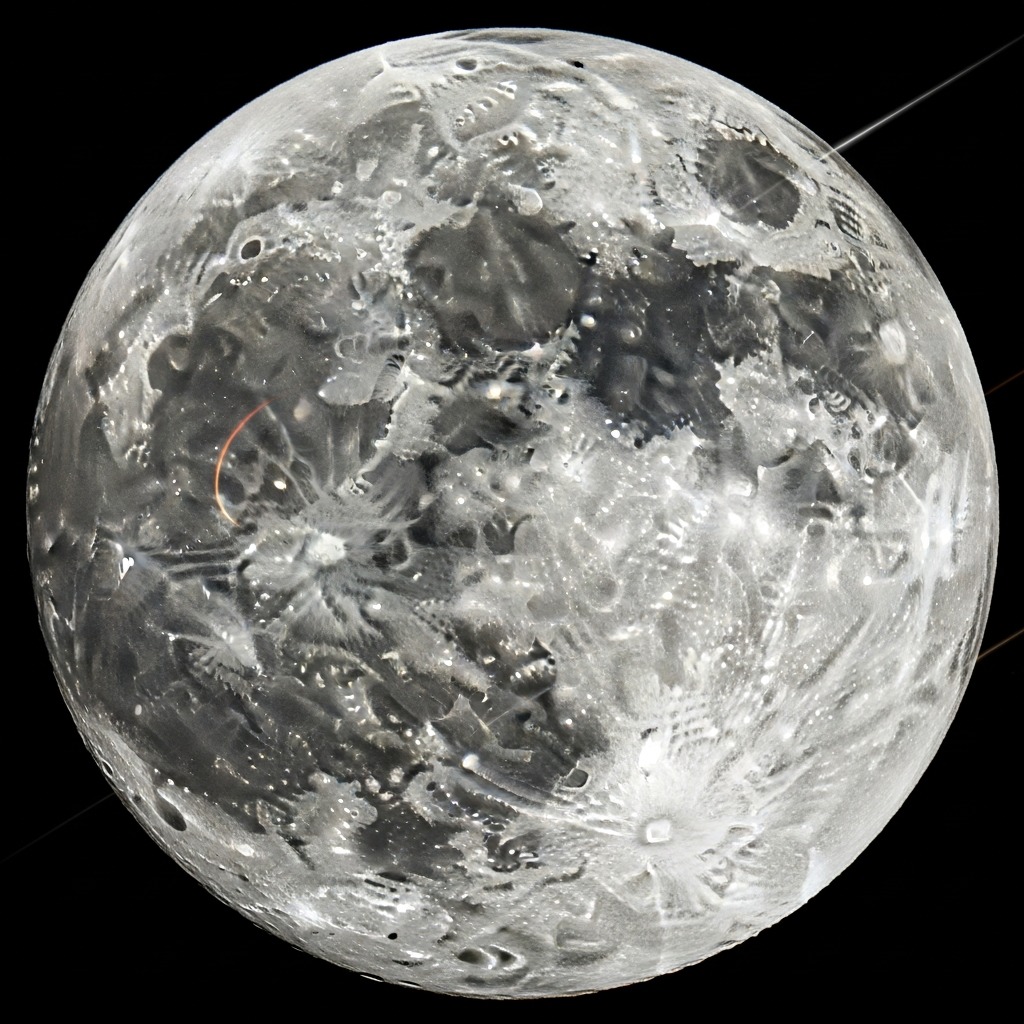
The opening act of 2026’s celestial calendar is undoubtedly the January supermoon, known traditionally as the “Wolf Moon.” This full moon promises to be a visually striking spectacle, gracing our night skies with enhanced brightness and apparent size.
What Makes a Moon “Super”?
A supermoon occurs when a full moon reaches its perigee—its closest point to Earth in its elliptical orbit. This proximity makes the moon appear up to 14% larger and 30% brighter than the year’s faintest full moon, according to NASA. While this difference can be subtle to the naked eye, the sheer luminosity is unmistakable, particularly when observed away from city lights. For 2026, this January supermoon is the first of three, with subsequent ones expected in November and December. The December supermoon is even predicted to be the closest of the year, at a distance of approximately 221,667 miles (356,740 kilometers).
The Ancient Lore of the “Wolf Moon”
January’s full moon traditionally carries the name “Wolf Moon.” This designation, rooted in folklore and the natural world, comes from the Old Farmer’s Almanac, which notes that wolves were historically heard howling more frequently during the deep winter months. Their howls served vital functions, from locating pack members and reinforcing social bonds to defining territory and coordinating hunts. Other traditional names for January’s full moon reflect the harshness of the season, including the frost exploding moon, freeze up moon, severe moon, Canada goose moon, and greetings moon.
This particular supermoon also marks the end of a four-month streak of supermoon events that began in October. For those who miss it, the next supermoon won’t appear until late 2026.
Quadrantids: A Dazzling Shower, If You Can See It
In stark contrast to the moon’s steady brilliance, meteor showers offer transient, fiery streaks across the darkness. The Quadrantids are among the most reliable annual showers, renowned for their bright fireballs and occasionally explosive meteors.
Understanding Meteor Showers
Meteor showers are captivating astronomical events that occur when Earth passes through dense streams of cosmic debris. As speedy space rocks from this debris collide with our planet’s atmosphere, they burn up due to friction, creating the luminous trails we call “shooting stars.” While a handful of meteors are visible on any clear night, predictable annual showers arise when Earth’s orbit intersects specific debris streams left behind by comets or asteroids. The Quadrantids, for instance, originate from material shed by the asteroid 2003 EH1 and are named after a constellation, Quadrans Muralis, that is no longer officially recognized.
The Quadrantids’ Peak and Projected Visibility
The Quadrantid meteor shower is set to reach its maximum activity from Friday night into Saturday morning, with peak illumination for the supermoon occurring around Saturday morning at 3 a.m. MST. Under ideal dark-sky conditions, the Quadrantids can produce an impressive display, with some estimates suggesting up to 60 meteors per hour, while others average around 25.
However, the powerful light from the concurrent Wolf Supermoon poses a significant challenge. Mike Shanahan, a planetarium director at Liberty Science Center in New Jersey, aptly describes a full moon as “the biggest enemy of enjoying a meteor shower.” Consequently, projections indicate that skygazers might see fewer than 10 meteors per hour during this year’s Quadrantid peak. This dramatic reduction in visibility highlights the celestial standoff between two impressive but conflicting astronomical events.
Maximizing Your Quadrantid Viewing Experience
Despite the supermoon’s interference, determined stargazers can still attempt to catch a glimpse of the Quadrantids. These efforts require strategic planning and patience.
Essential Viewing Tips for the Quadrantids
Early Evening Advantage: Jacque Benitez from the Morrison Planetarium at the California Academy of Sciences suggests venturing out in the early evening. This strategy aims to spot fireballs before the moon’s light completely dominates the night sky.
Dawn Patrol: Alternatively, try looking during the early dawn hours on Sunday. As the moon begins to set, the sky might offer a slightly darker canvas for the meteors.
Escape City Lights: Artificial light pollution is the meteor shower’s second biggest foe. Seek out locations away from urban centers, such as rural parks or open fields, to minimize light interference.
Optimal Positioning: NASA recommends lying flat on your back with your feet pointed northeast. This position allows you to take in the widest possible expanse of the sky, maximizing your chances of spotting a meteor.
Adapt Your Eyes: Patience is paramount. Your eyes typically need about 30 minutes to fully adjust to the darkness. Avoid looking at your phone or any other light source during this time, as it will reset your night vision.
Dress Warmly: Winter temperatures can be severe. Bundle up with appropriate cold-weather gear like sleeping bags and blankets to stay comfortable during your vigil.
No Special Equipment Needed: Both the Quadrantids and the supermoon are naked-eye events. No telescopes or binoculars are required to enjoy them.
Northern Hemisphere Best: While supermoons are visible globally in clear night skies, the Quadrantid meteor shower is primarily visible from the Northern Hemisphere. The meteors will appear as fast-moving white dots, seemingly originating from all parts of the sky.
Beyond January: Your 2026 Stargazing Calendar
Even if the January supermoon makes the Quadrantids elusive, 2026 promises a wealth of other celestial spectacles. The year is packed with opportunities for skywatchers, including additional supermoons, meteor showers, eclipses, and captivating planet alignments.
Future Supermoons and Full Moons
After January, 2026 will feature two more supermoons in November and December, with the December event being the closest of the year. In an unusual turn, 2026 will have 13 full moons instead of the usual 12, with two occurring in May. The second full moon in a single month is known as a “Blue Moon,” a phenomenon that occurs approximately every two and a half years. Other traditional full moon names for 2026 include the Snow Moon (February), Worm Moon (March), Pink Moon (April), Flower Moon (May), Strawberry Moon (June), and Harvest Moon (September).
Upcoming Meteor Showers in 2026
Following the Quadrantids, skygazers won’t have to wait too long for their next meteor shower fix. The Lyrids are slated for mid-April, with the Eta Aquariids following in May. Among the most anticipated showers are the Perseids (August) and the Geminids (December). Experts like Robert Lunsford of the American Meteor Society highlight the Perseids and Geminids as the “best showers of the year.” The Perseids are expected to peak without significant lunar interference, offering a truly spectacular display. The Geminids, known for high hourly rates (up to 135 in 2025), are also anticipated to provide a dazzling show once the moon sets. Other notable showers include the Southern Delta Aquariids, Alpha Capricornids, Orionids, and the Taurids (Southern and Northern).
Other Celestial Wonders of 2026
Beyond meteors and supermoons, 2026 will host two solar and two lunar eclipses. A total lunar eclipse in March, visible across the Americas, will turn the moon a dramatic reddish hue, creating a “blood moon” effect. Furthermore, the year will feature several planet “parades” and close conjunctions, offering opportunities to spot multiple planets simultaneously or observe them in captivating alignments with the moon. Keep an eye out for a parade of six planets in February and unique pairings of Jupiter and Venus in May and June.
Frequently Asked Questions
What is a “supermoon” and why is January’s full moon called the “Wolf Moon”?
A supermoon occurs when a full moon coincides with the moon’s perigee, its closest point to Earth in its elliptical orbit. This makes it appear up to 14% larger and 30% brighter than average. January’s full moon is traditionally named the “Wolf Moon” because, according to The Old Farmer’s Almanac, wolves were historically heard howling more often during the cold, deep winter months. Their howls served important purposes like pack communication and territory marking, giving rise to this evocative name for the year’s first full moon.
What are the best strategies to view the Quadrantid meteor shower despite the supermoon’s brightness?
To maximize your chances of seeing the Quadrantids, despite the bright supermoon, head out in the early evening or during the early dawn hours on Sunday. Seek out a dark location far from city lights, as artificial light pollution combined with moonlight will significantly hinder visibility. Allow your eyes at least 30 minutes to adjust to the darkness and avoid looking at phone screens. Lie flat on your back, feet pointed northeast, to scan the widest possible area of the sky. Dress warmly for cold winter temperatures, as patience will be key.
When will the next significant meteor showers or supermoons be visible after January?
After January’s event, 2026 offers several more opportunities for skygazers. The next supermoons are anticipated in November and December 2026, with the December supermoon expected to be the closest of the year. For meteor showers, you’ll want to mark your calendar for the Lyrids in mid-April, followed by the Eta Aquariids in May. The most highly anticipated showers, often providing spectacular displays, are the Perseids in August (expected to be free from lunar interference) and the Geminids in December.
Conclusion
January’s celestial dance between the brilliant Wolf Supermoon and the Quadrantid meteor shower presents both a challenge and a unique opportunity. While the moon’s intense light will dim the meteor display, the experience of witnessing these two powerful astronomical phenomena simultaneously is a reminder of the dynamic cosmos above us. By following smart viewing tips and understanding the scientific explanations behind these events, you can still connect with the night sky. And remember, 2026 is brimming with further celestial wonders, so keep your eyes to the heavens and continue your journey through the cosmos.