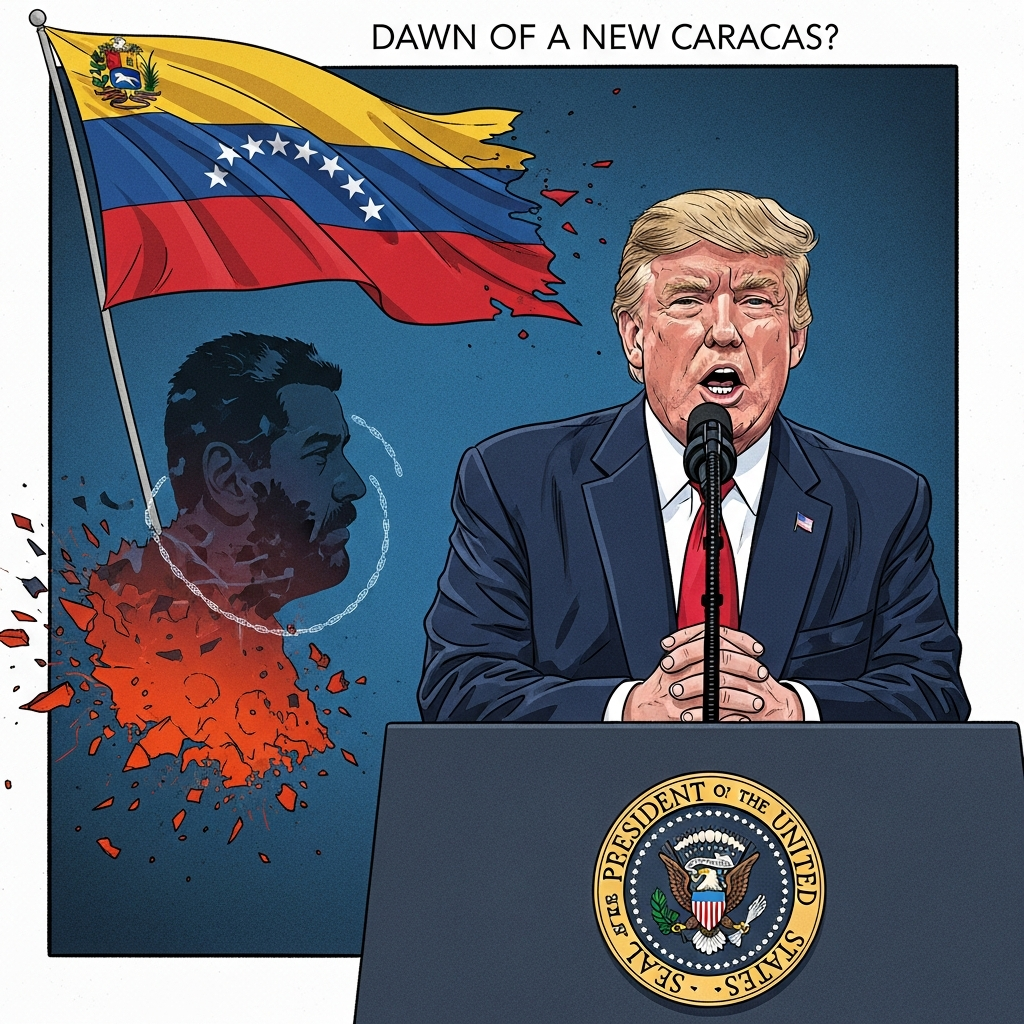
On Saturday, January 3, 2026, the world witnessed a dramatic geopolitical shift. United States President Donald Trump announced a “large-scale strike” on Venezuela. This operation culminated in the capture of Venezuelan President Nicolas Maduro and his wife, Cilia Flores. U.S. forces reportedly flew Maduro out of the country, ending months of escalating pressure from Washington. This sudden military intervention triggered immediate, intense, and deeply polarized reactions worldwide. It sent shockwaves through international relations and plunged Venezuela into an uncertain future.
The Swift Strike: How Maduro’s Capture Unfolded
The U.S. operation began in the early hours of January 3, 2026. Reports quickly surfaced of explosions and low-flying aircraft over Caracas, Venezuela’s capital. Witnesses described panic as pedestrians ran through streets. Residents near the Miraflores presidential palace, Maduro’s official workplace, evacuated buildings.
The impact extended beyond Caracas. Smoke rose from key locations: La Carlota airport and Fort Tiuna, a main military garrison. Reports also indicated damage at La Guaira Port, signaling widespread military engagement. Venezuelan authorities responded rapidly. National Guard armored vehicles blocked avenues leading to Miraflores. Soldiers and presidential guard members fortified the palace perimeter. Pro-government armed civilians, known as colectivos, patrolled and blocked streets in Caracas and La Guaira.
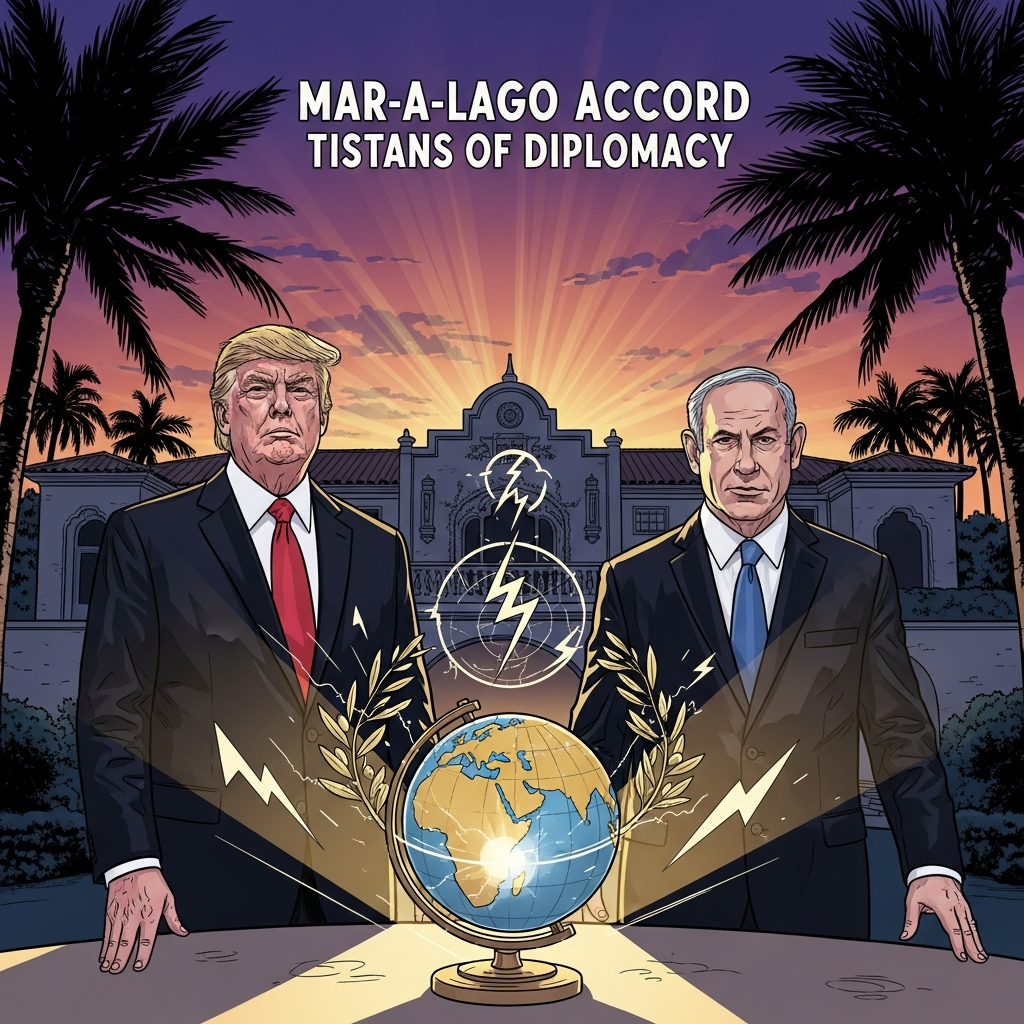
The operation reportedly captured President Nicolas Maduro and his wife, Cilia Flores. Following his capture, Maduro was reportedly flown directly to New York. From his Mar-a-Lago club, President Trump declared the operation a success. He controversially stated intentions for the U.S. to “run” Venezuela and exploit its oil reserves. These claims, however, were later flagged for containing “false claims” by some media outlets.
A Nation Divided: Reactions Within Venezuela
The news of Maduro’s capture ignited a whirlwind of emotions across Venezuela. The atmosphere in Caracas was tense and complex. It reflected the deep divisions within the country.
Pro-Maduro Outcry and Resistance
For many, particularly President Nicolas Maduro’s loyal base, the news was devastating. In downtown Caracas, supporters embraced, grief-stricken. One poignant image captured a woman crying during a pro-Maduro rally. This symbolized the anguish felt by many who viewed the intervention as an illegal act of war. Government supporters defiantly ripped an American flag in half. This was a powerful symbol of their outrage against the U.S. action.
Attorney General Tarek William Saab was photographed leaving the vice president’s office. This indicated internal political maneuvering amidst the crisis. Venezuela’s Vice President Delcy Rodriguez swiftly issued an official statement. She demanded the U.S. release Maduro and his wife. Rodriguez asserted that Maduro remained Venezuela’s “only president.” Armed pro-government civilians actively blocked streets, signifying resistance and a volatile security situation.
Panic and Disruption
Beyond political allegiances, the military strike caused widespread alarm. People lined up outside supermarkets in Caracas. This signaled anxieties about potential instability or shortages. The suddenness of the operation, marked by explosions and military presence, plunged communities into fear. They faced uncertainty about their immediate future. The U.S. military action also disrupted Caribbean holiday travel. It led to hundreds of flight cancellations.
Global Ripple Effect: International Responses
The capture of Venezuelan President Maduro resonated globally. It sparked a diverse array of international reactions. Venezuelan diaspora communities, world leaders, and activists responded swiftly. Their responses highlighted the profound polarization surrounding Maduro’s presidency and U.S. interventionism.
Diaspora Rejoices: Celebrations Abroad
For many Venezuelan expatriates, the news was a cause for celebration. These communities had often been vocal critics of the Maduro regime. Venezuelans poured into the streets of Lima, Peru; Madrid, Spain; Santiago, Chile; Quito, Ecuador; and Bogotá, Colombia. They expressed joy and relief. In Buenos Aires, Argentina, people celebrated at the iconic Obelisk.
The vibrant Venezuelan communities in South Florida and Miami also gathered. Figures like Maribel Gonzalez, outside Versailles Cuban Cuisine, commemorated what they hoped was the “fall of Maduro’s regime.” These celebrations underscored a deep desire for political change. This was especially true among those who had fled the country’s ongoing crisis.
International Condemnation and Solidarity
Conversely, the U.S. military action drew strong condemnation from various international actors. Left-leaning governments and organizations were particularly vocal. Protesters rallied outside the White House in Washington D.C. They demanded an end to U.S. intervention. In Mexico City, a woman defaced the U.S. Embassy with red handprints, a striking symbol of protest.
Across Europe, demonstrations erupted. In Athens, Greece, a protester set a U.S. flag ablaze outside the embassy. Similar rallies occurred in Rome, Italy, and Berlin, Germany. Banners read “Fuera Yanquis de América Latina” (“Yankees out of Latin America”). Cuban President Miguel Diaz-Canel Bermúdez denounced the “criminal attack by the U.S.” on Venezuela. He joined solidarity rallies in Havana. Colombian President Gustavo Petro expressed grave concerns. He called for an urgent meeting of the United Nations, fearing regional destabilization. In Buenos Aires, Argentina, a demonstrator held a banner reading: “Out of Venezuela, U.S.” This reflected mixed sentiments even within the same cities. These reactions underscored a broader debate about national sovereignty and the legitimacy of foreign military interventions.
Unpacking the U.S. Intervention: Motives and Controversies
The U.S. strike in Venezuela and Nicolas Maduro’s capture did not occur in a vacuum. It was the “dramatic climax” of “months of stepped-up pressure” by Washington. This pressure often cited humanitarian concerns, democratic backsliding, and the socialist government’s authoritarian grip on power. However, deeper, more controversial motivations were also at play.
One significant factor frequently mentioned was a U.S. indictment against Maduro. Charges related to “cocaine and corruption” provided a pretext for U.S. actions. They framed them as law enforcement rather than purely military intervention. President Trump’s public statements, however, blurred these lines further. His assertion that the U.S. would “run” Venezuela and exploit its vast oil reserves fueled accusations of resource imperialism. This echoed historical U.S. interventions in Latin America. Critics argued that the intervention ignored international law. It also risked exacerbating regional instability. The event highlighted the long-standing geopolitical tensions surrounding Venezuela’s oil wealth and its political alignment.
The Aftermath: Venezuela’s Uncertain Future
With President Nicolas Maduro removed, Venezuela faces a precarious future. The power vacuum created by his capture immediately raised questions about governance, legitimacy, and the potential for further internal conflict. The mobilization of pro-government armed civilians and the official condemnation from within Maduro’s government suggest that a smooth transition is unlikely. The international community remains deeply divided. Some nations recognize the interim government previously endorsed by the U.S. Others uphold the sovereignty of Venezuela and condemn the intervention.
The U.S. intervention carries profound implications for international law and regional stability. It sets a precedent for how powerful nations might act against regimes they deem illegitimate. For ordinary Venezuelans, the immediate future is filled with uncertainty. This includes their political landscape, economic stability, and daily lives. The long-term effects on Venezuela’s democratic prospects and its vast oil industry remain to be seen. This pivotal event will shape its narrative for years to come.
Frequently Asked Questions
What was the immediate cause and date of Nicolas Maduro’s capture?
Venezuelan President Nicolas Maduro was captured on Saturday, January 3, 2026. This followed a “large-scale strike” launched by the United States against Venezuela. U.S. President Donald Trump announced the operation. It reportedly involved explosions in Caracas and resulted in Maduro and his wife, Cilia Flores, being flown out of the country, purportedly to New York. This event marked the culmination of months of intensified pressure from Washington on the Venezuelan government.
How did different groups, both within and outside Venezuela, react to Maduro’s capture?
Reactions were profoundly polarized. Within Venezuela, Maduro’s supporters expressed grief and anger, staging protests and embracing in solidarity. Some even ripped an American flag in defiance. Panic and uncertainty also gripped Caracas residents. Internationally, Venezuelan expatriate communities in cities like Lima, Madrid, Miami, and Santiago celebrated jubilantly. Conversely, countries like Cuba and Colombia, along with various left-wing organizations globally, strongly condemned the U.S. action. They viewed it as an illegal intervention, leading to protests outside U.S. embassies in Mexico City, Athens, and Buenos Aires.
What were the stated reasons and broader geopolitical implications of the U.S. military action in Venezuela?
The U.S. cited “months of stepped-up pressure” and an indictment against President Nicolas Maduro for “cocaine and corruption” as potential justifications. However, President Trump’s statements about “running” Venezuela and exploiting its oil reserves also pointed to geopolitical and economic motives. The intervention carried significant implications for international law, sovereignty, and regional stability. It created a power vacuum and deepened political divisions within Venezuela. It prompted urgent calls for UN intervention and sparked debates about the legitimacy of foreign military actions in sovereign nations.
Conclusion
The capture of Venezuelan President Nicolas Maduro on January 3, 2026, by U.S. forces represents a watershed moment in contemporary geopolitics. It dramatically altered the trajectory of Venezuela’s long-standing political crisis. It ignited fervent celebrations among some and fierce condemnation from others. The event underscored the deep divisions both within Venezuela and across the international community. These divisions concern the legitimacy of the Maduro regime and the controversial nature of foreign military intervention. As Venezuela grapples with a new and uncertain future, the global ripple effects of this audacious strike will continue to unfold. It will shape diplomatic relations and set precedents for international engagements for years to come.
References
- apnews.com
- www.nbcmiami.com
- www.cbsnews.com
- <a href="https://www.yakimaherald.com/news/nationandworld/world/photos-show-people-reacting-to-a-us-attack-on-caracas-venezuela-and-the-capture-of/article_edd35249-0988-5b3e-9355-d29d03dab356.html”>www.yakimaherald.com
- www.thestar.com