The dramatic capture and arrival of Venezuelan President Nicolás Maduro in New York marks a pivotal moment, culminating years of escalating pressure from the U.S. government. Late Saturday, Maduro and his wife, Cilia Flores, touched down in New York following a sophisticated military operation, now held at Brooklyn’s Metropolitan Detention Center. He is expected to face grave narco-terrorism and weapons charges as early as Monday in the Southern District of New York. This event has sent shockwaves across the globe, sparking fierce international debate and uncertain futures for Venezuela.
The U.S. action, dubbed “Operation Absolute Resolve,” represents a bold assertion of American foreign policy and a new chapter in the complex relationship between the two nations. President Donald Trump has made clear his administration’s intent to “run” Venezuela. This includes leveraging its vast oil reserves and reshaping the geopolitical landscape of the Western Hemisphere.
The Capture: Operation Absolute Resolve Unfolds
In the predawn hours of January 3, 2026, a clandestine U.S. military operation executed the high-profile capture of Nicolás Maduro. The mission, personally approved by President Trump, involved elite U.S. Army Delta Force teams and over 150 aircraft. These forces included advanced fighter jets and bombers. The operation aimed to dismantle Venezuelan air defenses and extract Maduro from his compound in Caracas. This compound was located within Fuerte Tiuna, Venezuela’s largest military complex.
Residents of Caracas reportedly woke to the sounds of explosions as the strikes targeted key structures within Fuerte Tiuna. Satellite imagery later confirmed significant damage. Maduro and his wife, Cilia Flores, were apprehended without substantial resistance from their residence at 01:01 ET. Reports suggest a human source within Maduro’s inner circle and stealthy drones aided U.S. intelligence. One helicopter sustained a hit but remained operational during the intense operation.
From Caracas to Brooklyn: A Dramatic Transfer
Following their capture, Maduro and Flores were transported from Caracas aboard the USS Iwo Jima warship. They later landed at Stewart Air National Guard Base in Newburgh, New York. From there, they were flown by helicopter past the iconic Statue of Liberty, a moment broadcast live. They landed at a Drug Enforcement Agency (DEA) facility in Manhattan for processing. Subsequently, they were transferred to the Metropolitan Detention Center (MDC) in Brooklyn.
The MDC, a federal jail, has housed other high-profile figures, including former Honduran President Juan Orlando Hernández. Outside the detention center, bystanders gathered. Some cheered while others jeered, waving Venezuelan and American flags. This dramatic transfer signifies a profound shift. It moves Maduro from presidential palace to federal custody, awaiting arraignment on serious charges.
The Charges: Narco-Terrorism & Weapons Offenses
Nicolás Maduro is expected to face a superseding indictment from the Southern District of New York. The charges include narco-terrorism conspiracy, cocaine importation conspiracy, and various weapons offenses. These allegations involve machine guns and destructive devices. U.S. prosecutors assert Maduro used his public offices to facilitate cocaine trafficking and money laundering. This alleged criminal activity dates back to his early days in Venezuelan government. He is accused of providing protection for drug loads and diplomatic passports to traffickers. He also allegedly offered diplomatic cover for planes used to repatriate drug proceeds.
The U.S. administration, led by President Trump, cited “overwhelming evidence” against Maduro. They accuse him of being the “kingpin of a vast criminal network” fueling drug trafficking and fentanyl-related deaths in the U.S. Secretary of State Marco Rubio noted Maduro had “multiple opportunities” to avoid this fate. The arraignment, anticipated Monday, will officially initiate the legal process.
Trump’s Stance: Oil, Dominance, and the “Donroe Doctrine”
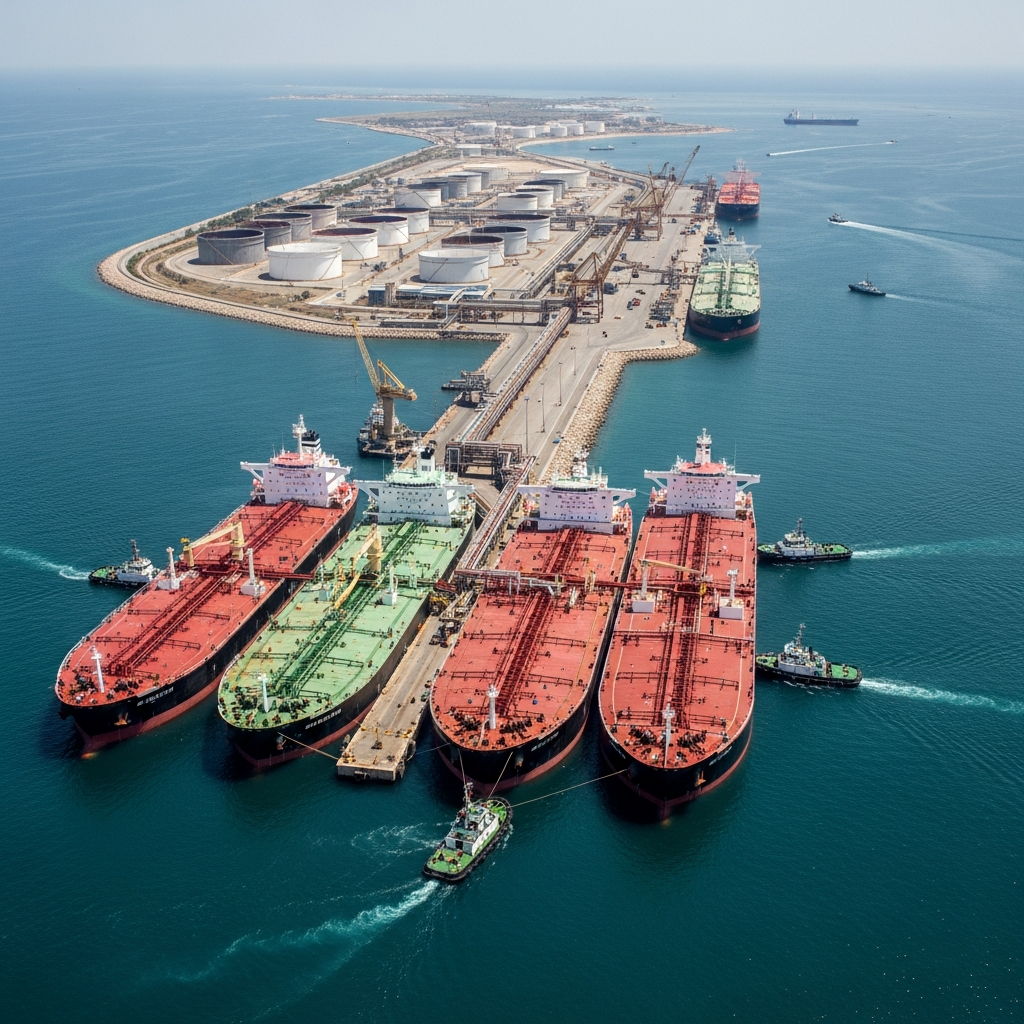
President Trump has been explicit about the motivations behind the U.S. intervention. He stated the U.S. intends to “run” Venezuela for the foreseeable future. This temporary oversight aims to ensure a “safe, proper and judicious transition.” A primary objective is to “get the oil flowing” again. Venezuela boasts the world’s largest proven crude oil reserves, exceeding 300 billion barrels. Despite sanctions and mismanagement, these reserves remain immensely valuable.
Trump linked the intervention to an updated “Donroe Doctrine.” This references the historical Monroe Doctrine, which justified U.S. intervention in Latin American stability. Trump emphasized solidifying “American dominance in the Western Hemisphere.” He also highlighted advancing “American First” priorities. Defence Secretary Pete Hegseth described the mission as a law enforcement exercise for “freedom, security, prosperity.” He notably included “oil prosperity” for America among the goals. This strategic emphasis on oil and regional influence underscores the geopolitical stakes of Maduro’s capture.
Economic Implications for Venezuela and US Interests
Venezuela’s oil industry, despite its vast reserves, faces significant challenges. Decades of underinvestment and sanctions have severely hampered its infrastructure. Modernizing the industry would require years of work and substantial investments. U.S. oil companies, like Chevron, continue to operate under strict compliance. However, immediate large-scale investment remains “premature” without sustained political stability.
The U.S. envisions rebuilding Venezuela’s oil infrastructure. This would allow for global oil sales, benefiting both nations. However, critics argue this intervention is primarily about regime change and oil control. They point to Trump’s past remark, “I assume we’re going to keep the oil,” as evidence of this intent. The future of Venezuela’s economy and its role in global energy markets now hangs in the balance.
Global Outcry and Divided Reactions
The capture of Nicolás Maduro ignited a firestorm of international reactions. The global community found itself sharply divided over the legality and implications of the U.S. action. This reflects a broader schism in international relations concerning sovereignty and intervention.
International Condemnation vs. Cautious Support
Several key international players swiftly condemned the U.S. operation. China, Russia, Mexico, and Cuba all denounced the action as an “unacceptable,” “brutal,” and “blatant use of force.” They labeled it a clear violation of international law and the UN Charter. They urged Maduro’s immediate release and stressed the importance of dialogue and respect for Venezuela’s sovereignty. The UN Secretary-General expressed “deep alarm,” calling it a “dangerous precedent” that showed disrespect for international law. Russia and Iran requested an emergency UN Security Council meeting.
Conversely, some nations welcomed the development. UK Prime Minister Keir Starmer expressed “no regret” over Maduro’s regime end. French President Emmanuel Macron hoped for a peaceful democratic transition. Argentine President Javier Milei celebrated the fall of a “narcoterrorist dictatorship.” Israeli Prime Minister Benjamin Netanyahu congratulated Trump for his “bold and historic leadership.” These contrasting reactions highlight the complex web of global alliances and political ideologies at play.
US Domestic Debate: Legality and Congressional Authority
Domestically, in the U.S., reactions were equally polarized. President Trump’s supporters lauded the “historic” and “decisive” operation. They praised it for holding a “narco-terrorist” accountable and protecting American lives from drug trafficking. Vice President JD Vance confirmed his deep involvement in the planning. He emphasized the administration’s resolve to stop drug trafficking and reclaim stolen oil. Trump explained that Congress was not notified beforehand due to concerns about leaks jeopardizing the mission.
However, many Democrats and some Republicans voiced strong criticism. Senate Minority Leader Chuck Schumer and House Minority Leader Hakeem Jeffries demanded immediate congressional briefings. They criticized Trump’s plan to “run” Venezuela as “unacceptable” and warned of an “illegal war” without congressional authorization. Democratic presidential candidate Kamala Harris called the action “unlawful and unwise,” linking it to Trump’s desire for “oil” and to “play the regional strongman.” Concerns were also raised about setting a dangerous international precedent and the U.S. becoming entangled in a costly, drawn-out conflict.
Venezuela’s Internal Turmoil and Future Leadership
Inside Venezuela, the news of Maduro’s capture sent the country into turmoil. Vice President Delcy Rodríguez immediately denounced the action as “barbaric” and an “illegal kidnapping.” She assumed the role of acting president by decree from Venezuela’s supreme court. Defense Minister Vladimir Padrino López announced a military deployment and declared a “state of external commotion.” He urged national unity against “imperialist attack.”
In contrast, opposition leader María Corina Machado celebrated. She declared “The time for freedom has come!” and called for the recognition of Edmundo Gonzalez Urrutia as the legitimate president. Venezuelans in South Florida also celebrated in the streets. This deep division within Venezuela signals a challenging path forward. The country must navigate political succession, economic rebuilding, and a divided populace. Starlink’s announcement of free internet service for Venezuela, addressing the country’s history of internet restrictions, could play a role in information access during this volatile period.
The Road Ahead: Challenges for Venezuela
The U.S. now faces the complex task of navigating Venezuela’s future. Former U.S. adviser Evan Ellis suggested the U.S. is entering a “new period of coercive negotiation” rather than an immediate democratic transition. Questions arise about cooperation with interim leaders and the establishment of a stable government. The country’s vast oil reserves, while a source of potential wealth, also present a significant management and geopolitical challenge. The global community will watch closely. The implications of this operation extend far beyond Venezuela’s borders, shaping international law and superpower relations.
Frequently Asked Questions
What specific charges does Nicolás Maduro face in New York?
Nicolás Maduro is expected to be arraigned on federal charges in the Southern District of New York. These include narco-terrorism conspiracy, cocaine importation conspiracy, and weapons offenses related to machine guns and destructive devices. U.S. prosecutors allege that Maduro used his official positions in Venezuela to facilitate drug trafficking and money laundering, providing protection for drug shipments and diplomatic cover for related activities.
How did the “Operation Absolute Resolve” lead to Maduro’s capture?
“Operation Absolute Resolve” was a large-scale U.S. military operation executed in the predawn hours of January 3, 2026. It involved U.S. Army Delta Force, over 150 aircraft, and intelligence assets. The mission aimed to dismantle Venezuelan air defenses and extract Maduro from his compound within Fuerte Tiuna, Caracas. He and his wife, Cilia Flores, were apprehended and subsequently transported via a U.S. warship and helicopters to New York for detention.
What are the international reactions and potential future impacts of Maduro’s detention?
International reactions are starkly divided. China, Russia, Mexico, and the UN Secretary-General condemned the U.S. action as a violation of international law and sovereignty, demanding Maduro’s release. Conversely, the UK, France, Argentina, and Israel expressed support or welcomed the end of Maduro’s regime. Future impacts could include prolonged international debate on intervention, a new phase for Venezuela’s political and economic landscape, and heightened geopolitical tensions in the Western Hemisphere, especially concerning oil resources.
Conclusion
The capture and detention of Nicolás Maduro in New York represents a watershed moment in international relations and U.S. foreign policy. It marks the culmination of an aggressive strategy by the Trump administration to address perceived threats and assert regional dominance. While the U.S. prepares to prosecute Maduro on severe charges, the world watches with mixed reactions, grappling with the implications for international law, sovereignty, and the future of Venezuela. The road ahead for Venezuela is fraught with challenges, from establishing stable governance to revitalizing its critical oil industry. This dramatic event will undoubtedly reshape geopolitical dynamics for years to come.