The geopolitical landscape of South America shifted dramatically on January 3, 2026, as Venezuelan President Nicolás Maduro and his wife, Cilia Flores, were captured by a swift US military operation. This audacious intervention, met with explosions in Caracas and a global outcry, immediately thrust Venezuela into an uncertain future. Now held at the Metropolitan Detention Center in Brooklyn, Maduro faces grave charges of narcoterrorism, drug, and weapon offenses. The US, under President Donald Trump, declared its intent to “run the country” temporarily and seize Venezuela’s colossal oil reserves, signaling a bold new chapter in American foreign policy.
Operation Absolute Resolve: The Daring Capture
The events unfolded in the pre-dawn hours of January 3, 2026, with an unexpected and large-scale military strike against Venezuela. Codenamed “Operation Absolute Resolve,” the mission was approved by President Trump late the previous night.
A Midnight Strike in Caracas
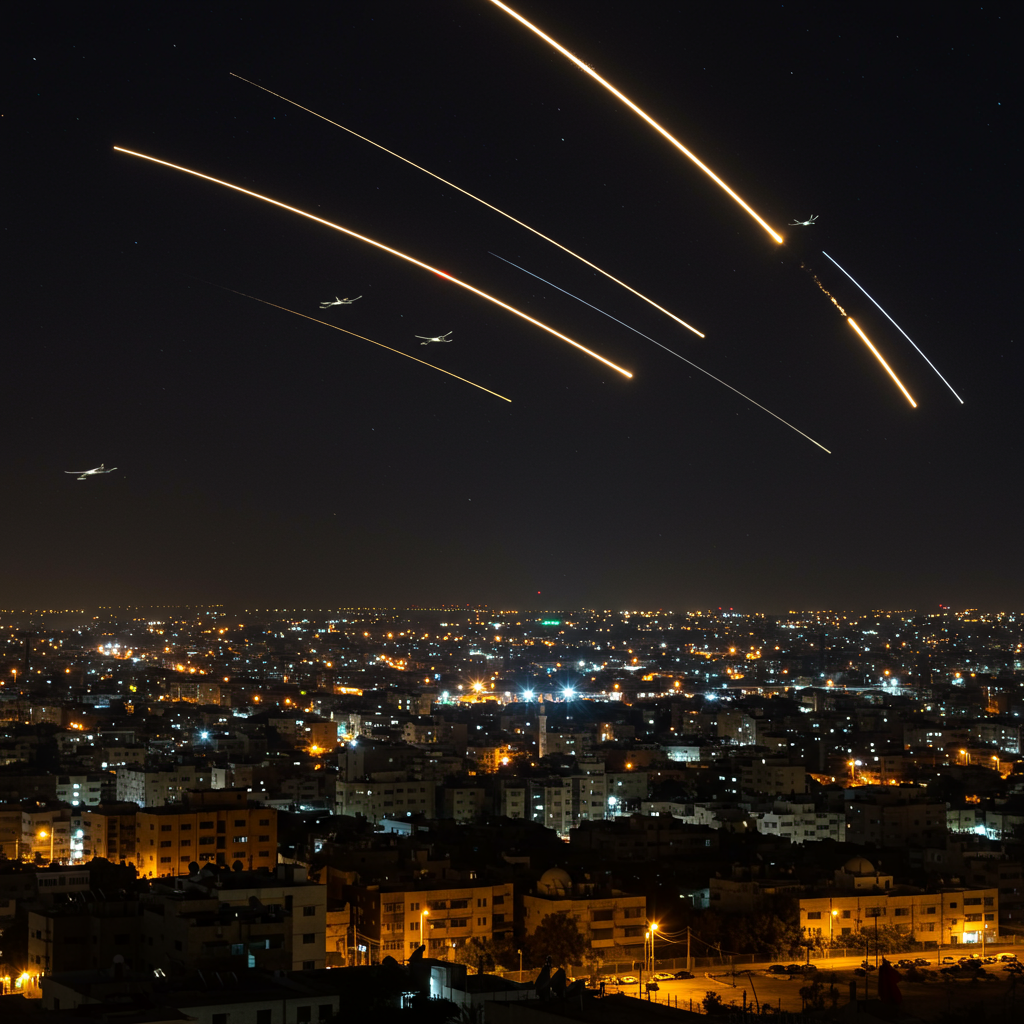
Caracas, Venezuela’s capital, awoke to a barrage of explosions and the ominous roar of low-flying aircraft. Reports indicated damage to several structures at Fuerte Tiuna, Venezuela’s largest military complex, where Maduro resided. This complex operation involved over 150 aircraft, launched from 20 bases across the Western Hemisphere. An elite Delta Force extraction team, protected by a formidable air shield of F-22s, F-35s, and B-1 bombers, descended upon Maduro’s compound. US forces deftly dismantled Venezuela’s air defense systems, maintaining the element of surprise. One helicopter sustained damage but remained operational during the intense extraction. Maduro and his wife were apprehended at their residence and subsequently embarked on the USS Iwo Jima warship. Despite the scale of the engagement, US service members suffered only non-life-threatening injuries, with no fatalities reported.
Maduro’s Indictment and Detention
Following their capture, Maduro and Flores were flown to New York, landing at Stewart Air National Guard Base before being transferred to Brooklyn’s Metropolitan Detention Center. Maduro is expected to face federal charges in Manhattan federal court. The indictment, echoing one filed in 2020, alleges a 25-year scheme in which Maduro and his associates collaborated with groups like the FARC, operating the “Cártel de Los Soles” to traffic “thousands of tons” of cocaine into the US. These charges include narcoterrorism conspiracy, cocaine importation conspiracy, and weapons offenses. US Attorney General Pam Bondi explicitly stated that Maduro leveraged his authority to provide diplomatic passports to traffickers and facilitate money laundering. A $50 million reward had previously been offered for information leading to his arrest.
Unpacking US Motivations: Oil, Power, and the “Donroe Doctrine”
President Trump’s administration articulated clear motivations for the intervention, going beyond mere law enforcement. Statements from Trump himself and his cabinet members highlighted both economic interests and a reassertion of regional dominance.
Venezuela’s Vast Oil Riches
A central theme of the US rationale was Venezuela’s immense oil wealth. President Trump publicly declared that the US would take control of Venezuela’s “massive oil reserves” and recruit American companies to revitalize the country’s dilapidated oil industry. Venezuela boasts the world’s largest proven crude oil reserves, exceeding 300 billion barrels—roughly one-fifth of global reserves. Despite this, years of sanctions, mismanagement, and underinvestment have crippled its output, leaving it producing only about 1 million barrels per day. The US sees an opportunity to restore this production, potentially stabilizing global oil prices and providing a new source of heavy, sour crude, essential for products like diesel and asphalt. Defense Secretary Pete Hegseth candidly noted that the mission aimed to secure “additional wealth and resources” for the US.
Redefining Regional Dominance
Beyond oil, Trump’s statements underscored a broader geopolitical ambition: asserting “American dominance in the Western Hemisphere.” He linked this to a rebranded “Donroe Doctrine,” referencing the 19th-century Monroe Doctrine and its 1904 Roosevelt Corollary, which historically justified US intervention in Latin American affairs. This reinterpretation suggests a proactive stance to influence regional stability and prevent perceived threats. Secretary of State Marco Rubio defended the lack of prior congressional notification for the military action, categorizing it as a “law enforcement function” backed by military support. Trump also hinted at potential future actions against Cuba, implying its government’s involvement in Venezuela’s internal issues.
Venezuela’s Tumultuous Response: Emergency and Uncertainty
The capture of President Maduro sent shockwaves throughout Venezuela, triggering immediate governmental action and deeply divided public reactions.
A Nation in Flux: Hopes and Fears
In the immediate aftermath, Venezuela’s government declared a national emergency and its defense minister announced military deployment. Vice President Delcy Rodríguez vehemently condemned the “armed aggression” and vowed to defend the nation’s sovereignty and vast natural resources. Venezuela’s Supreme Court swiftly named Rodríguez interim president, aiming to ensure “administrative continuity and the comprehensive defense of the Nation.” Public sentiment in Caracas was a complex mix of emotions. While some residents expressed profound joy and hope for change, viewing Maduro’s arrest as a step toward “justice” and rebuilding a country “in a mess,” others, particularly Maduro supporters, rallied to protest his “kidnapping” and the US intervention. Niurka Melendez, co-founder of Venezuelans and Immigrants Aid, described the experience as a “roller coaster,” acknowledging both the “light at the end of the tunnel” and the lingering fear for political prisoners.
A World Divided: International Condemnation and Support
The US operation provoked a wide spectrum of international responses, highlighting deep divisions on the legality and implications of the intervention.
Calls for Respect of International Law
Global condemnation was swift and strong from several key international actors. Russia, China, and the UN Secretary-General António Guterres all expressed severe disapproval, calling the US actions a “clear violation of international law,” an “act of armed aggression,” and a “dangerous precedent.” They urged the US to respect international law and immediately release Maduro. Brazil’s President Lula condemned the US for “crossing an unacceptable line” and called for a vigorous international response, while Cuba organized large rallies, with President Miguel Díaz Canel branding the operation a “criminal assault” and an “unacceptable attack on international law.” Malaysia also vocalized its opposition to “all forms of foreign intervention.”
Divided Stances in Washington
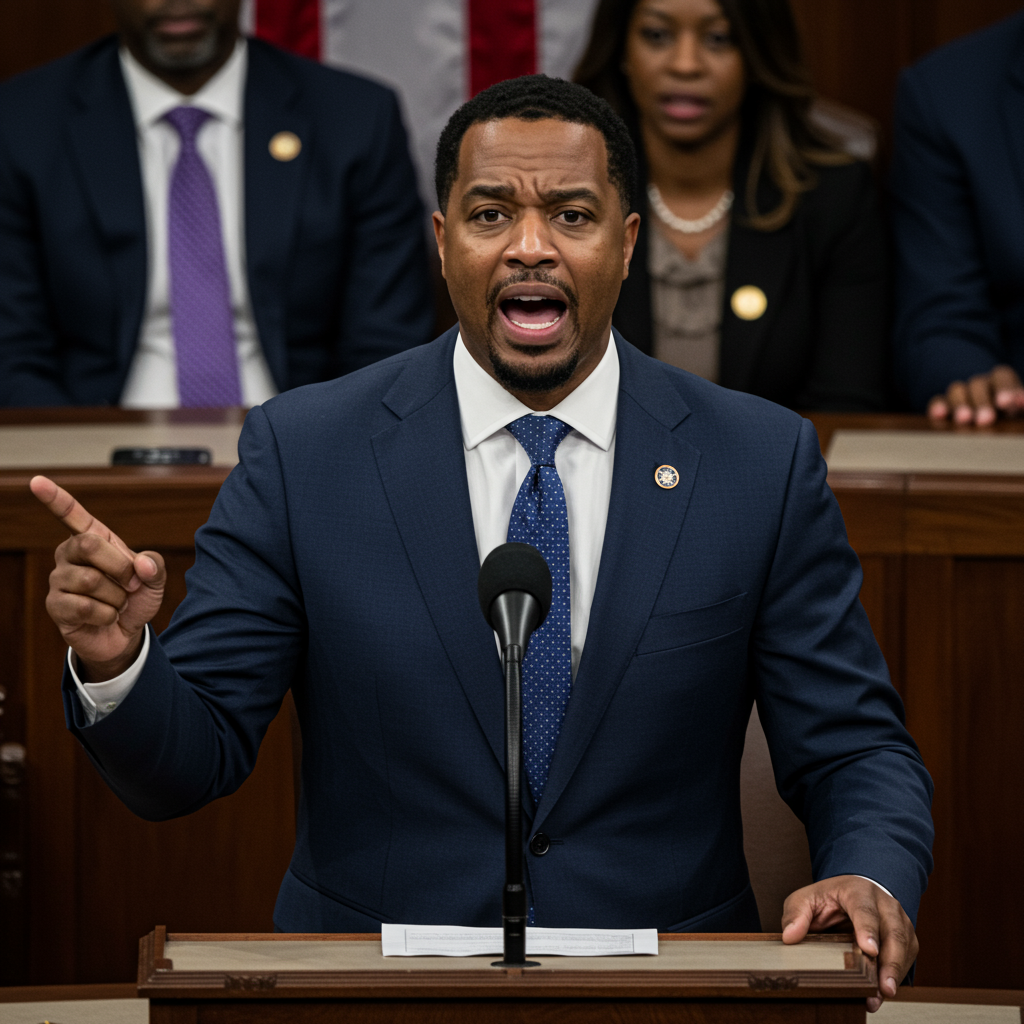
Within the United States, the operation sparked contentious bipartisan debate. While some Republicans, like Secretary Hegseth, lauded the “impressive operation” and Trump’s decisive leadership, many Democrats and some Republicans voiced profound concerns. Democratic Senators Chuck Schumer, Tim Kaine, Mark Warner, and Ruben Gallego condemned the military action as an “illegal war” waged without congressional authorization. They warned of dangerous precedents and criticized the notion of the US “running” Venezuela without a clear post-Maduro plan. Republican Rep. Brian Fitzpatrick stated the US should only “run” itself, reflecting internal dissent. Meanwhile, Venezuelan opposition leader María Corina Machado celebrated Maduro’s capture, declaring it “the time for freedom” and supporting Trump’s strategy, including military pressure.
The Road Ahead: Geopolitical Fallout and Economic Implications
Maduro’s capture marks a significant turning point, but the path forward for Venezuela and its impact on regional dynamics remain complex and uncertain.
Sustained US Military Presence
Retired Maj. Gen. Mick Ryan of the Australian Army suggested that the heightened US military presence off Venezuela, including warships and fighter jets, is likely to persist. He characterized this as a “carrot-and-stick approach,” indicating the Trump administration’s desire for the remaining Venezuelan government to cooperate. The US has been engaged in counter-narcotics campaigns in the region for months, striking alleged drug boats and blocking sanctioned oil tankers. This continued presence serves as a strong signal, aiming to ensure compliance with US objectives even after Maduro’s removal.
The Future of Venezuela’s Oil Sector
The prospect of US companies entering Venezuela’s oil industry is enticing but fraught with challenges. Modernizing Venezuela’s industry, which deals primarily with heavy, sour crude, demands specialized equipment, significant technical expertise, and billions in investment. Companies like ConocoPhillips have expressed caution, noting that years of work and political stability would be necessary for expanded production. While unlocking Venezuela’s nearby and relatively cheap oil could benefit the US, the complex political landscape and the extensive rehabilitation required mean that a swift transformation of the country’s oil fortunes is unlikely. The lifting of Caribbean airspace restrictions and Starlink’s offer of free broadband signal steps towards stabilizing the immediate environment, but the deeper political and economic reconstruction will be a long and arduous task.
Frequently Asked Questions
What charges does Nicolás Maduro face following his capture?
Following his capture on January 3, 2026, Nicolás Maduro faces severe federal charges in the United States, including narcoterrorism conspiracy, cocaine importation conspiracy, and weapons offenses. These charges stem from allegations that Maduro, along with associates like the “Cártel de Los Soles” and FARC, engaged in a multi-decade scheme to traffic thousands of tons of cocaine into the US. He is accused of leveraging his presidential authority to provide diplomatic passports to traffickers and facilitate money laundering, with a $50 million reward previously offered for information leading to his arrest.
How did the US military operation to capture Maduro unfold?
The US military operation, codenamed “Operation Absolute Resolve,” was a large-scale, clandestine strike initiated in the early hours of January 3, 2026. Approved by President Trump, it involved over 150 aircraft and an elite Delta Force extraction team. US forces reportedly dismantled Venezuela’s air defense systems to maintain surprise, while fighter jets and bombers provided cover. The extraction team landed at Maduro’s compound within Fuerte Tiuna in Caracas, apprehended him and his wife, Cilia Flores, and transported them via a USS Iwo Jima warship to New York for detention.
What are the immediate and long-term implications of Maduro’s capture for Venezuela’s oil industry and economy?
Maduro’s capture has significant implications for Venezuela’s oil industry and economy. Immediately, the US declared its intent to “run the country” and leverage Venezuela’s vast oil reserves. In the long term, the US aims to involve American companies in modernizing Venezuela’s dilapidated oil sector. However, this will be a complex undertaking, requiring years of work, substantial investment, and political stability, given the specialized equipment needed for Venezuela’s heavy crude. While the move could eventually lead to increased production and potentially stabilize global oil prices, the country’s deep economic crisis and political uncertainty present formidable obstacles to a swift recovery.
Conclusion
The dramatic capture of Nicolás Maduro marks a pivotal moment in US-Venezuela relations and the broader geopolitical landscape. While the US asserts its power and aims to tap into Venezuela’s vast oil wealth, the operation has ignited a firestorm of international condemnation and domestic debate. Venezuela faces an uncertain future, navigating a power vacuum, a severe economic crisis, and deeply divided public sentiment. As Maduro awaits trial in a Brooklyn detention center, the world watches closely to see how this unprecedented intervention reshapes South America’s political stability, international law, and the global energy market. The “carrot-and-stick” approach from the US suggests a sustained interest, meaning the aftershocks of this event will resonate for years to come.