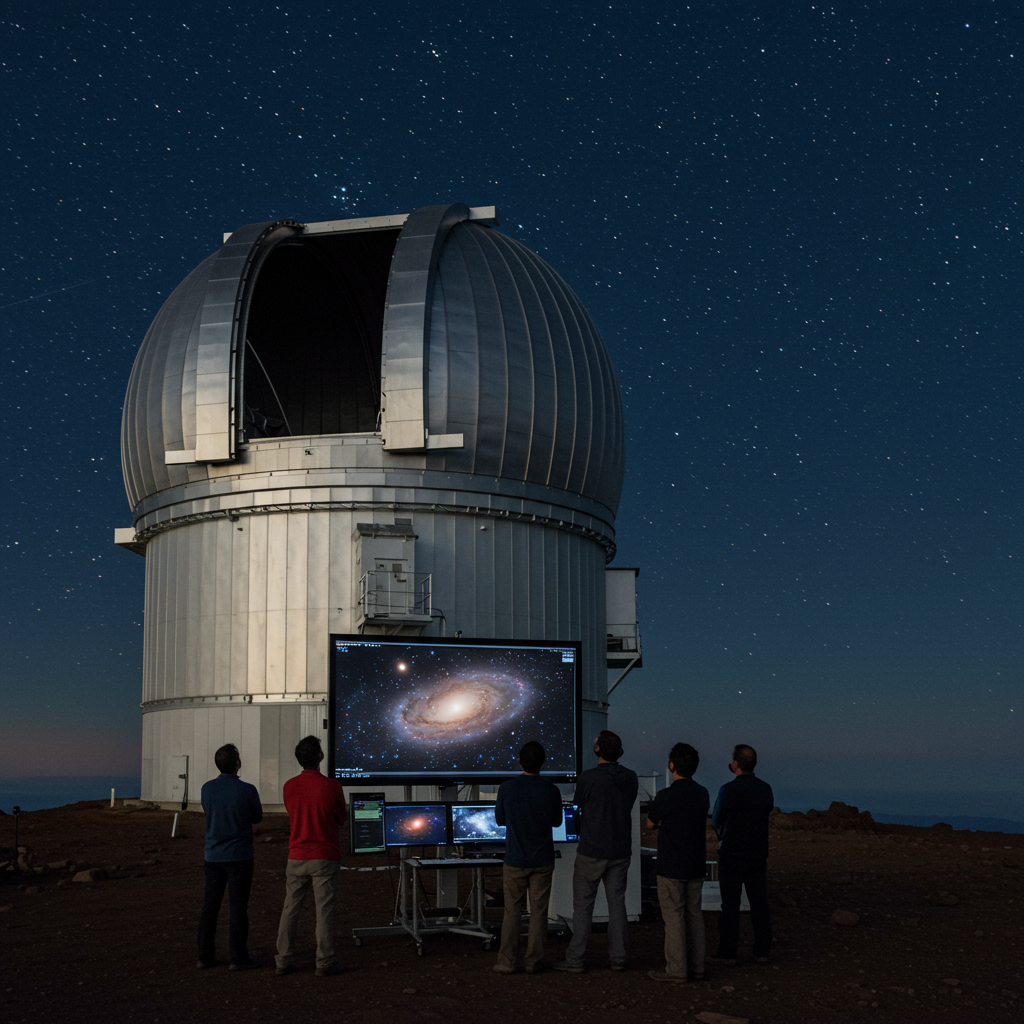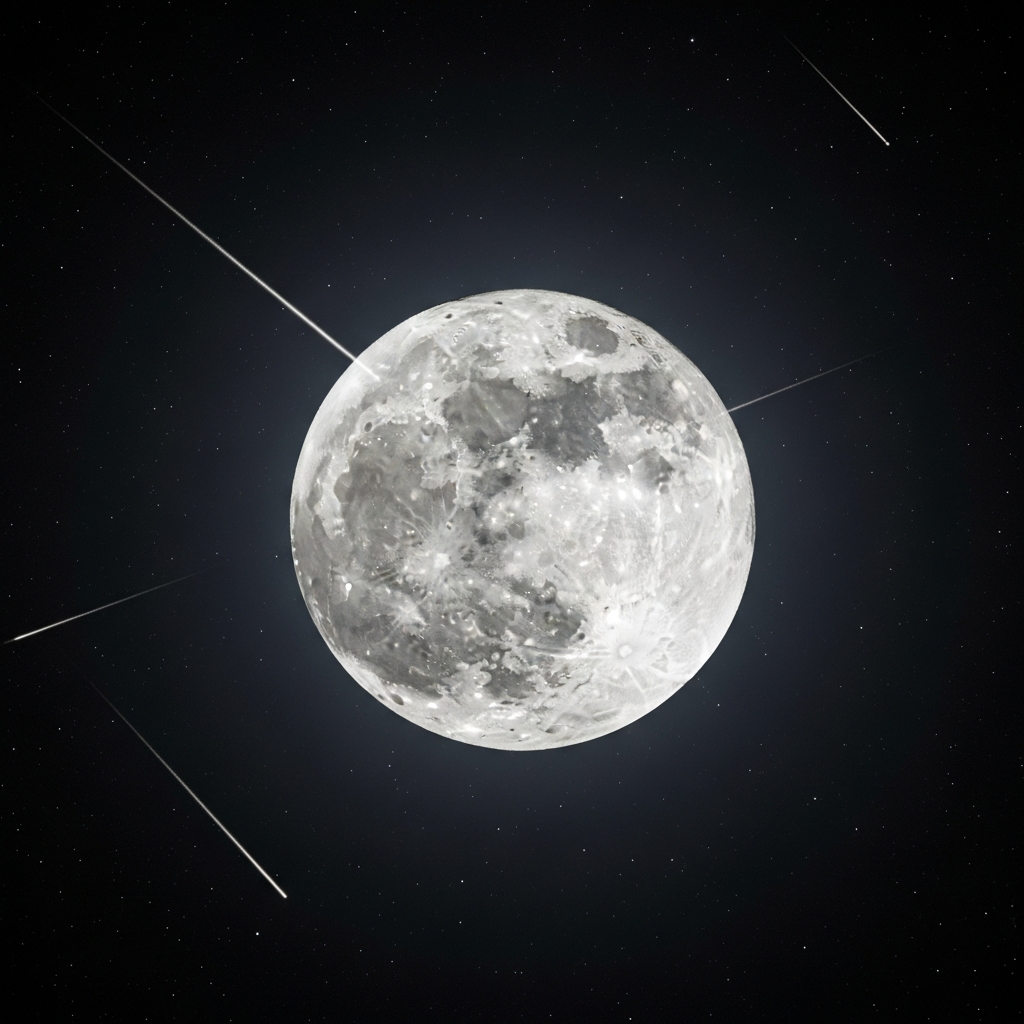
Get ready to kick off 2026 with an extraordinary celestial display! January brings a rare double feature: the magnificent Wolf Supermoon and the Quadrantid meteor shower. While the brilliant full moon promises a breathtaking sight, its intense glow will add a unique challenge for meteor observers. This essential guide provides everything you need to know, from optimal viewing times and scientific explanations to cultural insights and practical tips, ensuring you make the most of these early-year astronomical events.
Unveiling the 2026 Wolf Supermoon: A Lunar Spectacle
The first full moon of 2026, traditionally known as the Wolf Moon, arrives with an added distinction: it’s also the year’s inaugural supermoon. This captivating lunar event will grace our skies around New Year’s Eve, culminating in its peak illumination early on Saturday, January 3. Prepare for a truly stunning start to your year.
What Makes a Full Moon “Super”?
A supermoon occurs when a full moon coincides with its closest approach to Earth in its elliptical orbit, a point astronomers call perigee. This proximity makes the moon appear noticeably larger and significantly brighter than an average full moon. According to NASA, a supermoon can look up to 14% bigger and shine 30% brighter. For 2026, the January Wolf Moon is just the first of three supermoons, setting a high standard for lunar displays.
Peak Illumination and Ideal Viewing Times
Mark your calendars! The Wolf Supermoon will reach its fullest, most brilliant illumination at precisely 5:03 a.m. ET on Saturday, January 3, 2026, as confirmed by The Old Farmer’s Almanac. However, its grand appearance isn’t limited to this exact moment. NASA experts, like Noah Petro from Goddard Space Flight Center, note that the moon will appear full for roughly a day before and after this peak. For a truly striking visual, focus your gaze towards the eastern horizon at sunset on Friday, January 2, or Sunday, January 4, as the moon ascends.
The “Moon Illusion” and Orange Glow Explained
You might notice the Wolf Supermoon taking on a beautiful yellowish or even orange hue when it’s low on the horizon. This isn’t the moon changing color but a fascinating optical illusion. When moonlight passes through a greater portion of Earth’s atmosphere, especially near the horizon, blue light scatters more easily, allowing the red and orange wavelengths to reach our eyes more effectively. This atmospheric effect, combined with the “moon illusion”—where the moon appears larger when viewed near terrestrial objects—creates an unforgettable spectacle.
The Ancient Lore Behind the “Wolf Moon” Name
The name “Wolf Moon” for January’s full moon is steeped in rich folklore and cultural history. The Old Farmer’s Almanac attributes the name to the increased howling of wolves during the deep winter months. While historical beliefs sometimes linked this howling to hunger, modern scientific understanding reveals that wolves primarily vocalize to mark territory and communicate within their packs. Nevertheless, the evocative image of wolves silhouetted against a winter moon has ensured this name’s enduring popularity across various traditions. Many Native American tribes also gave this moon meaningful names, such as “Center Moon” (Assiniboine), “Hard Moon” (Lakota), and “Frost Exploding Moon” (Cree), reflecting diverse observations of the season.
Navigating the Quadrantid Meteor Shower: A Dazzling Challenge
Coinciding with the radiant Wolf Supermoon, the Quadrantid meteor shower will also reach its peak. This annual January event, known for its intensity, runs from December 28, 2025, through January 12, 2026, with its most active period concentrated on the night of January 3-4.
Understanding the Quadrantids: Origins and Intensity
The Quadrantid meteor shower is distinctive for its relatively brief but powerful peak. Unlike many showers that originate from comets, the Quadrantids are believed to stem from asteroid 2003 EH1, which some astronomers speculate might be an “extinct” or “rock comet.” These meteors are known for producing over 100, and sometimes up to 200, very bright fireballs per hour during optimal conditions. They appear to radiate from the constellation Boötes, which once contained the now-obsolete constellation Quadrans Muralis—the source of the shower’s name.
Optimal Viewing Times for the Quadrantids
According to Robert Lunsford, fireball report coordinator for the American Meteor Society, the Quadrantids will reach peak activity between 4 p.m. and 7 p.m. ET on Saturday, January 3. However, as this window falls during daylight hours for much of North America, the best observable viewing will shift to the pre-dawn hours of Sunday, January 4. This narrow peak, lasting only about six hours, requires precise timing for the best chance of spotting these swift, medium-velocity meteors.
The Supermoon’s Brightness: A Viewing Obstacle
Here’s the significant challenge for 2026: the brilliant Wolf Supermoon will be at 100% illumination during the Quadrantids’ peak. This intense moonlight will unfortunately obscure all but the brightest meteors, making it considerably harder to witness the shower’s full potential. The bright lunar glow acts like a natural light pollutant, washing out fainter celestial objects.
Tips for Spotting Quadrantids Despite the Moonlight
Don’t despair! While the supermoon will undoubtedly present a hurdle, dedicated sky-gazers can still increase their chances. Lunsford suggests a key strategy: face northeast, keeping the bright moon at your back. This positions the radiant point of the shower in front of you while minimizing direct moonlight interference. Find a location with minimal artificial light pollution, allow your eyes at least 30 minutes to fully adjust to the dark, and be patient. With clear skies, you might still catch a few bright Quadrantid meteors, possibly alongside other random “shooting stars.” The Quadrantids are noted for their bright fireballs and persistent trails, which can last for several seconds.
Beyond January: A Year of Celestial Wonders
Even if January’s supermoon proves too bright for the Quadrantids, 2026 promises a rich calendar of astronomical events. Stay connected to the cosmos throughout the year!
Upcoming Meteor Showers in 2026
After the Quadrantids, sky-gazers can anticipate several other meteor showers throughout 2026, offering diverse viewing experiences, including the famed Perseids.
Lyrids: April 21-22
Eta Aquariids: May 5-6
Southern Delta Aquariids: July 30-31
Alpha Capricornids: July 30-31
Perseids: August 12-13 (Ideal viewing with dark skies due to a new moon!)
Orionids: October 21-22
Southern Taurids: November 4-5
Northern Taurids: November 11-12
Leonids: November 16-17
Geminids: December 13-14
Ursids: December 21-22
The Full Moon Calendar for 2026
Beyond the Wolf Supermoon, 2026 will feature a stunning progression of full moons, each with its unique nickname and cultural significance.
February 1: Snow Moon
March 3: Worm Moon
April 1: Pink Moon
May 1: Flower Moon
May 31: Blue Moon
June 29: Strawberry Moon
July 29: Buck Moon
August 28: Sturgeon Moon
September 26: Harvest Moon
October 26: Hunter’s Moon
November 24: Beaver Supermoon (Another supermoon!)
December 23: Cold Supermoon (Expected to be the closest and brightest full moon of 2026, providing a brilliant finale!)
NASA’s Artemis II Mission: A Lunar Connection
As you gaze upon January’s Wolf Supermoon, consider the broader context of lunar exploration. NASA’s Artemis II mission is slated to send a four-person crew around the moon as soon as early February 2026. This historic journey will mark the first time astronauts venture beyond near-Earth orbit in over 50 years. Observing the moon now can provide a tangible connection to this upcoming human endeavor, allowing you to imagine the perspective of the astronauts who will soon fly by and even see its far side.
Essential Tips for Your 2026 Sky-Gazing Adventure
Experiencing celestial events is about more than just seeing; it’s about connecting with the universe. Here’s how to make your 2026 sky-gazing memorable.
Finding Your Perfect Viewing Spot
Darkness is Key: For meteor showers, prioritize a location far from city lights. However, for the bright supermoon, even a spot in your backyard or a local park can offer a good view.
Clear Horizon: An unobstructed view of the horizon is ideal, particularly for catching the moonrise or moonset when the “moon illusion” is strongest.
Meaningful Locations: As NASA’s Noah Petro suggests, enjoying a full moon from a place that holds personal significance can make the experience even more special.
Equipment and Eye Adjustment
No Special Glasses Needed: Both the Wolf Supermoon and meteor showers are safe to observe with the naked eye.
Enhance Your View: Binoculars or a small telescope can reveal fascinating details on the moon’s surface.
Adapt Your Eyes: For meteor showers, allow at least 30 minutes for your eyes to fully adjust to the darkness. Avoid looking at bright screens during this time.
Embracing the Experience
Dress Warmly: January nights can be very cold; layer up to stay comfortable during extended viewing.
Be Patient: Celestial events require patience. Find a comfortable position, look up, and let the universe unfold before you.
Share the Wonder: Invite friends or family to join you. Sharing the experience can enhance the awe and create lasting memories.
Frequently Asked Questions
What makes January’s Wolf Moon a “Supermoon,” and why does it appear orange?
January’s Wolf Moon earns its “supermoon” title because it coincides with perigee, the point in its elliptical orbit where it’s closest to Earth. This proximity makes it appear up to 14% larger and 30% brighter than a typical full moon. The moon can appear orange or yellowish when low on the horizon due to an optical illusion. As moonlight travels through more of Earth’s atmosphere at this angle, blue light scatters, allowing red and orange wavelengths to reach our eyes more prominently, creating a stunning visual effect.
Where and when is the best time to view the Quadrantid meteor shower in 2026, given the bright Supermoon?
The Quadrantid meteor shower peaks on Saturday, January 3, between 4 p.m. and 7 p.m. ET, but the best observable viewing in North America will be in the pre-dawn hours of Sunday, January 4. Due to the intense brightness of the Wolf Supermoon, which will be at 100% illumination, viewing will be challenging. To increase your chances, find a dark location away from city lights, and face northeast, keeping the bright moon at your back. Allow your eyes at least 30 minutes to adjust to the dark, and be patient to catch the brighter meteors.
Beyond January, what other major celestial events should sky-gazers look forward to in 2026?
After January’s double feature, 2026 offers many other spectacular events. For meteor showers, the Perseids in August (peaking August 12-13) are highly anticipated due to favorable dark sky conditions. For lunar enthusiasts, 2026 will feature two more supermoons: the Super Beaver Moon on November 24 and the Super Cold Moon on December 23, with the December event projected to be the year’s closest and brightest full moon, providing a magnificent bookend to the year’s lunar calendar.
Conclusion
The arrival of the Wolf Supermoon and the Quadrantid meteor shower offers an incredible opportunity to connect with the cosmos right at the start of 2026. While the supermoon’s brilliance will undoubtedly challenge meteor observers, both events provide a chance to pause, look up, and appreciate the vast wonders of our universe. Whether you’re tracking meteors, admiring the moon’s majestic glow, or simply reflecting on the upcoming Artemis II mission, remember to step outside, take a moment, and become awestruck by the celestial dance unfolding above.