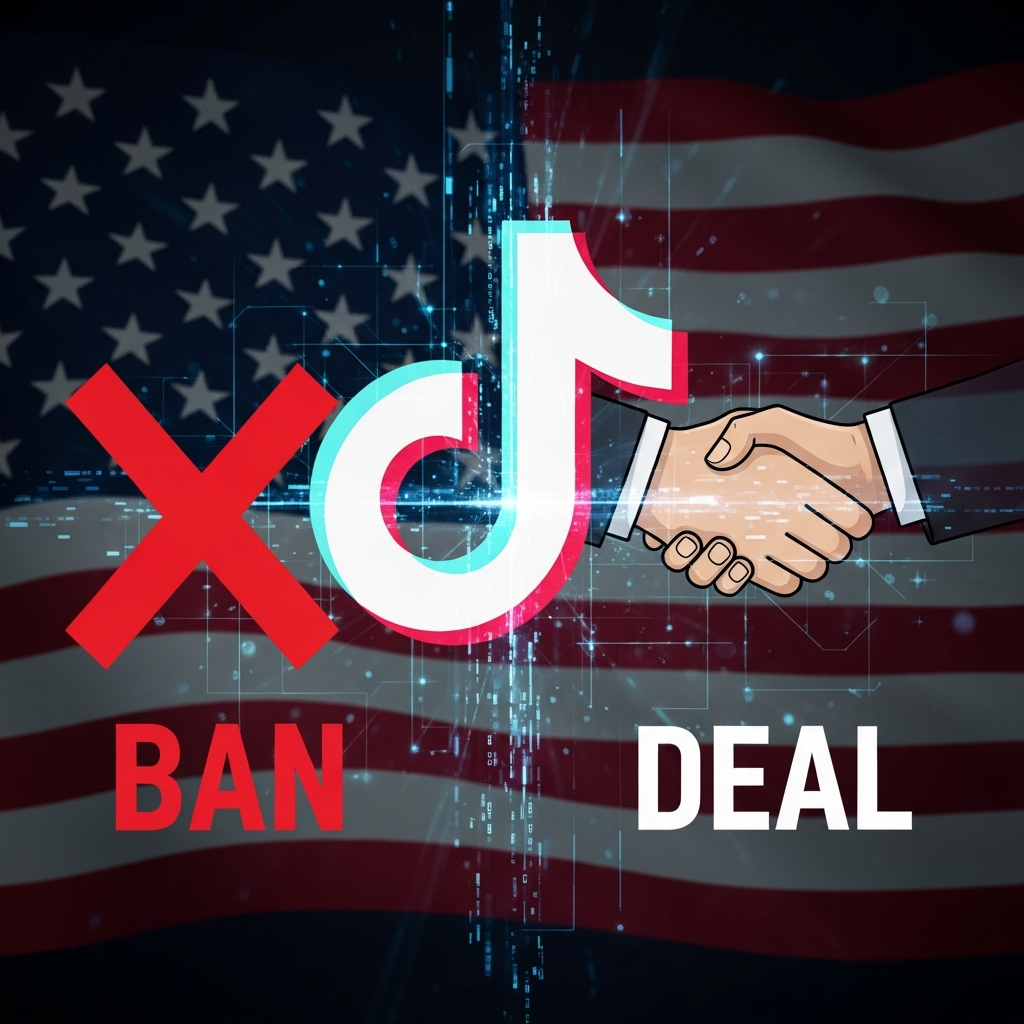
The popular social media platform TikTok faces an uncertain future in the United States. For years, concerns over data security and national security have fueled a contentious debate, culminating in legislative efforts that could force a sale or lead to a nationwide ban. This article dives deep into the complexities of the proposed US TikTok deal, exploring the motivations behind the government’s stance, the potential implications for millions of users and creators, and the critical crossroads facing one of the world’s most influential apps. Understanding this unfolding saga requires a look at data privacy, international relations, and the future of digital freedom.
The Genesis of Conflict: Why is TikTok a US Target?
The friction between TikTok and the U.S. government isn’t new; it has steadily escalated over several years. At its core, the dispute stems from the app’s ownership by ByteDance, a company headquartered in China. This corporate structure has ignited alarms in Washington D.C., transforming TikTok from a simple entertainment platform into a geopolitical flashpoint. Lawmakers and intelligence officials express profound apprehension about the potential for foreign adversary influence and data exploitation.
National Security Concerns: Data & Influence
Central to the debate are significant national security concerns. U.S. officials worry that Chinese authorities could compel ByteDance to share American user data. This data might include sensitive personal information, browsing habits, and even location data. Such access could potentially be used for espionage, surveillance, or even disinformation campaigns targeting U.S. citizens. The sheer volume of data collected by TikTok, combined with its widespread adoption, amplifies these fears considerably.
Beyond data, there are concerns about the app’s algorithmic influence. The TikTok “For You” page algorithm is famously powerful, curating personalized content feeds. Critics suggest this algorithm could be manipulated by the Chinese government to promote specific narratives or suppress others. This perceived ability to influence public opinion raises alarms about foreign propaganda and its potential impact on democratic processes, particularly among younger demographics who heavily use the platform.
The ByteDance Connection: A Chinese Parent
ByteDance, TikTok’s parent company, operates under Chinese law. This legal framework includes provisions that could theoretically compel Chinese companies to cooperate with intelligence operations. While ByteDance maintains that TikTok operates independently and stores U.S. user data on servers within the U.S., these assurances have not quelled the anxieties of American policymakers. The lack of complete transparency and the inherent legal obligations within China continue to fuel skepticism. The Committee on Foreign Investment in the United States (CFIUS), an interagency body, has investigated TikTok for years, seeking to mitigate these risks.
Key Milestones in the US TikTok Saga
The journey to the current legislative push has been marked by several significant moments and policy attempts. Each step reflects the escalating tension and the persistent efforts by the U.S. government to address its concerns about the platform. These historical efforts highlight the difficulty in finding a resolution acceptable to all parties.
Trump Administration’s Executive Orders
The initial major push against TikTok came during the Trump administration. In 2020, then-President Donald Trump issued executive orders aiming to ban TikTok and WeChat from operating in the U.S. These orders cited national security risks, echoing many of the concerns still present today. However, these executive orders faced immediate legal challenges and were ultimately blocked by federal courts. The courts questioned the administration’s authority to impose such a broad ban and highlighted potential free speech implications.
Project Texas: A Proposed Solution
In an attempt to address U.S. concerns without divesting, TikTok proposed a complex restructuring plan known as “Project Texas.” This initiative aimed to create an independent U.S.-based entity for TikTok, with American leadership and a data security partnership with Oracle. The idea was to ring-fence U.S. user data, storing it on Oracle’s servers and preventing any access from ByteDance or China. Despite extensive negotiations, U.S. officials ultimately deemed Project Texas insufficient. They believed it did not fully address the underlying national security risks, particularly the potential for algorithmic influence and continued ByteDance control.
Congressional Action: Divest-or-Ban Bills
More recently, the focus has shifted to Congress. Lawmakers have introduced and passed bills that would force ByteDance to sell TikTok to a non-Chinese owner within a specific timeframe or face a nationwide ban. These legislative efforts signify a more direct and potentially effective approach than previous executive orders. Proponents argue that a full divestiture is the only way to genuinely mitigate the national security threat. The swift passage of such legislation through the House of Representatives underscores the bipartisan urgency felt by many officials regarding this issue.
Understanding the Divestiture Demand
The current legislative push centers on a demand for divestiture. This means ByteDance would be required to sell its U.S. operations, or potentially the entire global TikTok platform, to a company not deemed a national security risk. This isn’t a simple transaction; it’s a monumental undertaking fraught with economic and logistical challenges. The implications of such a sale are vast, touching upon corporate valuations and market competition.
What Would a Sale Entail?
A forced sale of TikTok’s U.S. operations would be one of the largest and most complex tech deals in history. It would involve valuing the U.S. user base, technology, and intellectual property. Potential buyers would need significant financial backing and the technical infrastructure to operate a platform of TikTok’s scale. The process would likely attract major tech companies or investment consortiums. However, the legal and regulatory complexities surrounding such a forced transaction are immense, creating a challenging environment for any potential acquirer.
The Challenges of a Forced Sale
Executing a forced divestiture presents numerous hurdles. Firstly, the valuation of TikTok’s U.S. assets could be contentious. ByteDance would likely seek a high price, while buyers might factor in the regulatory risks and the forced nature of the sale. Secondly, the technical separation of TikTok’s U.S. operations from ByteDance’s global infrastructure is a formidable task. This includes separating codebases, algorithms, and data systems. Finally, there’s the question of whether ByteDance would even agree to such a sale, given its strong opposition and potential legal challenges. The entire process could take years, even if all parties were willing.
Potential Impacts: Users, Creators, and the Economy
The outcome of the US TikTok deal saga carries significant implications far beyond corporate boardrooms. It touches the lives of over 170 million American users, a vibrant creator economy, and the broader digital landscape. A ban or forced sale would send ripple effects throughout the internet, impacting trends, livelihoods, and digital innovation. This situation highlights the intersection of technology, politics, and daily life.
Free Speech vs. Security: A Contentious Debate
One of the most vocal criticisms of a potential ban or forced divestiture revolves around free speech. Many argue that restricting access to TikTok limits the expressive capabilities of millions of Americans. The platform serves as a critical space for communication, activism, and cultural exchange. Banning it could set a precedent for government intervention in digital platforms, raising concerns about censorship. Opponents of a ban emphasize that freedom of expression, even on foreign-owned platforms, is a cornerstone of American democracy. This debate pits fundamental rights against perceived national security imperatives.
Economic Ripple Effects of a Ban
A TikTok ban would have significant economic consequences. Millions of small businesses and individual creators rely on the platform for marketing, sales, and income. Many have built entire careers and enterprises around their TikTok presence. Losing this channel could devastate livelihoods and force a rapid pivot to other platforms, often with less established reach. Furthermore, a ban would eliminate a major competitor in the social media landscape, potentially reducing innovation and increasing market concentration among existing platforms. The economic impact could extend to advertisers, data centers, and various support industries.
The Road Ahead: What’s Next for TikTok in the US?
The path forward for TikTok in the U.S. remains highly uncertain. The legislative process is ongoing, and the potential for legal challenges is almost guaranteed. This period of flux means stakeholders on all sides are preparing for various outcomes, from a forced sale to a protracted legal battle, or even a ban. The situation is a dynamic example of how rapidly technology policy can evolve.
Legal Challenges and Uncertain Outcomes
Should a divestiture bill become law, TikTok and ByteDance are expected to mount vigorous legal challenges. They would likely argue that the law is unconstitutional, violating free speech rights and potentially constituting an unlawful taking of property. These legal battles could delay any ban or forced sale for an extended period, potentially for years. The courts would play a crucial role in determining the ultimate fate of TikTok in the U.S., weighing national security arguments against constitutional protections and economic impacts. This legal uncertainty creates an unpredictable environment for the company and its users.
The Global Implications of a US Stance
The U.S. approach to TikTok holds significant global implications. If the U.S. successfully implements a ban or forced divestiture, it could set a precedent for other nations grappling with similar concerns about foreign-owned technology platforms. This could lead to a fragmentation of the internet, with countries erecting digital borders to protect national interests. Such an outcome could reshape international tech policy, impact cross-border data flows, and influence the global competitive landscape for digital services. The world is watching how this crucial situation unfolds.
Frequently Asked Questions
Why is the US government concerned about TikTok?
The primary concern of the U.S. government regarding TikTok stems from its ownership by ByteDance, a company headquartered in China. Officials fear that Chinese law could compel ByteDance to share sensitive American user data with the Chinese government. This raises national security alarms related to potential espionage, surveillance, and the manipulation of TikTok’s powerful algorithm to influence public opinion or spread propaganda, thereby threatening U.S. democratic processes.
What is the status of a potential US TikTok ban?
As of recent legislative efforts, the U.S. House of Representatives has passed a bill that would require ByteDance to divest TikTok’s U.S. operations within a set timeframe, typically six months, or face a nationwide ban. This bill would still need to pass the Senate and be signed into law by the President. If enacted, TikTok is expected to challenge the law in court, which could lead to a protracted legal battle and delay any immediate ban or forced sale.
What could a forced divestiture of TikTok in the US mean for users?
A forced divestiture would mean that TikTok’s U.S. operations would be sold to a non-Chinese owner. For users, this could theoretically lead to a change in the company managing their data and the platform’s overall governance. While the app itself might continue to function as before, the underlying ownership and data security protocols would be updated. The experience for users might remain largely unchanged in the short term, though long-term strategic shifts could occur under new ownership.
In conclusion, the ongoing debate around the US TikTok deal represents a pivotal moment in the intersection of technology, national security, and global politics. The outcome, whether a forced divestiture or a ban, will undoubtedly reshape the social media landscape and set precedents for how governments regulate foreign-owned digital platforms. For users and creators, the future holds uncertainty, but also the potential for new digital paradigms. As the situation evolves, staying informed about the legislative, legal, and economic dimensions will be crucial.