The persistent and often debilitating effects of Long COVID have challenged millions globally, creating a complex medical mystery. For years, researchers have sought to unravel the underlying causes of this post-viral condition, which leaves individuals battling a wide array of symptoms long after their initial SARS-CoV-2 infection. Now, groundbreaking research is shedding new light on this elusive illness, pointing to persistent chronic inflammation as a key driver and offering a crucial path toward effective treatments.
Unpacking the Long COVID Enigma: A Global Challenge
Long COVID, also known as Post COVID-19 Condition (PCC), is defined by the World Health Organization (WHO) as symptoms that emerge within three months of initial infection, persist for at least two months, and cannot be explained by an alternative diagnosis. While most individuals recover fully from COVID-19, an estimated 6 in every 100 people who contract the virus develop PCC, affecting one or more body systems. This translates to millions worldwide experiencing ongoing health struggles, impacting their daily lives, work, and social interactions.
Over 200 distinct symptoms have been reported, making diagnosis and management incredibly challenging. Common manifestations include profound fatigue, persistent brain fog, shortness of breath, muscle and joint pain, exercise intolerance, and cognitive decline. These symptoms can range from mild to severely debilitating, often leading to reduced quality of life and significant strain on healthcare systems. Until now, specific treatments for Long COVID have been largely absent, with most clinical efforts focused on managing individual symptoms or exploring antiviral agents.
Breakthrough Research: Chronic Inflammation Takes Center Stage
In a significant advance, investigators from Harvard and Beth Israel Deaconess Medical Center (BIDMC) have identified persistent chronic inflammation as a hallmark of Long COVID. This pivotal study, led by Dan H. Barouch, director of the Center for Virology and Vaccine Research at Beth Israel, and published in Nature Immunology, represents a profound shift in understanding the disease’s pathophysiology. Their findings suggest new therapeutic strategies that move beyond traditional antiviral approaches.
“There is currently no specific treatment for Long COVID, which affects millions of people in the United States,” Barouch stated. “In contrast, our findings show that Long COVID in humans is characterized by persistent activation of chronic inflammatory pathways, which defines new potential therapeutic targets.” This insight reorients the scientific community toward calming chronic inflammation and restoring healthy immune function.
The Power of “Multi-Omic” Analysis
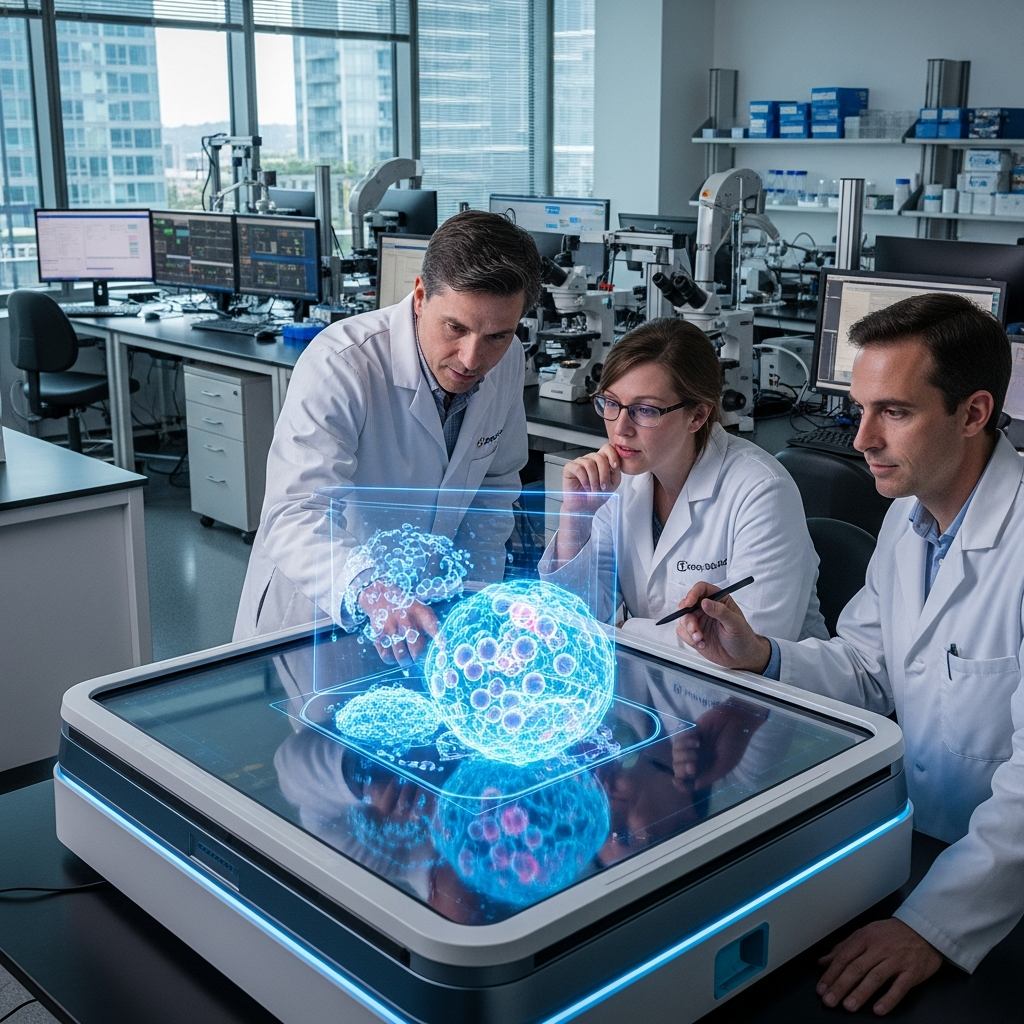
To uncover these deep insights, Barouch and his team employed a sophisticated “multi-omic” technique. This comprehensive approach integrated data from various biological layers, including immune responses, viral markers, gene expression (transcriptomics), and plasma proteins (proteomics). By analyzing blood samples from over 140 participants, scientists meticulously tracked immunologic and inflammatory responses over time.
The study compared patients who developed Long COVID with those who fully recovered from SARS-CoV-2 infection. Researchers also included cohorts of individuals never infected or acutely infected. This rigorous, longitudinal study examined two distinct patient groups, one from 2020-2021 and another from 2023-2024, with blood samples analyzed at crucial intervals: three to six months post-infection and again more than six months later. This meticulous approach allowed for a detailed profile of the immune system during Long COVID.
Beyond Inflammation: Immune Depletion and Metabolic Disruptions
The in-depth analysis revealed clear differences in specific signaling pathways, which are critical chemical reactions regulating the body’s functions. These distinctions appear to be defining characteristics of Long COVID. Patients with Long COVID consistently exhibited signs of chronic inflammation, immune system depletion, and disruptions in cellular metabolism. These specific markers were notably absent in individuals who had fully recovered from COVID-19.
Intriguingly, the research also suggested a link between the body’s initial response to the virus and the development of prolonged symptoms. Those whose immune systems displayed the greatest inflammation during the acute phase of infection were more prone to facing lingering symptoms later. This suggests that the body’s early fight against the virus may, in some cases, inadvertently set the stage for Long COVID. Malika Aid Boudries, the study’s first author, emphasized that this integrated data “enabled us to identify key pathways that can be therapeutically targeted.” The team pinpointed specific immune and inflammatory proteins and molecular signatures as potential targets for future therapies.
Another Crucial Link: Microclots and NETs
Further adding to our understanding of Long COVID’s complex biology, another collaborative study has identified unusual microscopic structures in the blood of patients with the condition. This research, led by geneticist Alain Thierry and physiologist Resia Pretorius, highlights a strong association between microclots—tiny, abnormally persistent blood clots—and neutrophil extracellular traps (NETs).
NETs are sticky webs of DNA and enzymes released by white blood cells to capture pathogens. While usually transient, excessive or prolonged NET release can contribute to blood flow issues. The pivotal finding was that NETs were physically embedded within the microclots in Long COVID patients. This embedding was significantly more pronounced than in healthy controls and is crucial because NETs can make these microclots more resistant to the body’s natural breakdown processes. These microclots, too small to cause typical stroke-like events, are large enough to impede blood flow through capillaries, potentially explaining persistent symptoms like brain fog and fatigue. The presence of these markers was so distinct that an AI agent could identify Long COVID patients with 91% accuracy, suggesting a powerful new diagnostic biomarker.
Who is at Risk for Long COVID?
While anyone infected with SARS-CoV-2 can develop Long COVID, certain risk factors increase the likelihood, as noted by the WHO:
Gender: Women are at a higher risk.
Age: Older adults face increased susceptibility.
Lifestyle Factors: Smokers and individuals who are overweight or obese.
Pre-existing Conditions: Those with chronic health issues.
Infection Severity: Severe COVID-19 cases requiring hospitalization or ICU admission.
Repeated Infections: Each new SARS-CoV-2 infection carries a risk of developing Long COVID.
The condition can profoundly impact individuals, limiting their capacity for work, daily activities, and exercise. It underscores the critical need for continued research and the development of targeted therapies.
Hope for the Future: New Therapeutic Avenues
The revelation that chronic inflammation is a defining characteristic of Long COVID, alongside the discovery of persistent microclots and NETs, marks a significant turning point. It shifts the focus from solely targeting the virus to addressing the sustained immune dysregulation and physiological changes it triggers. This opens the door to developing new treatment strategies that could include anti-inflammatory agents, immune-modulating therapies, or interventions targeting clotting mechanisms.
This groundbreaking research, supported by funding from the National Institutes of Health, brings tangible hope to millions suffering from Long COVID. By understanding the specific pathways and biological markers involved, scientists and clinicians are better equipped to design targeted interventions, paving the way for effective treatments and improved patient care.
Frequently Asked Questions
What is the main breakthrough in Long COVID research discussed?
The main breakthrough is the identification of persistent chronic inflammation as a defining characteristic and key driver of Long COVID. A study by Harvard and Beth Israel Deaconess Medical Center found that patients with Long COVID exhibit chronic inflammation, immune system depletion, and metabolic disruptions, unlike those who fully recover. This shifts the focus for treatment development from antivirals to addressing these inflammatory pathways.
How are researchers identifying Long COVID patients and potential treatments?
Researchers are using advanced “multi-omic” techniques, integrating data from immune responses, gene expression, and plasma proteins to create detailed immune profiles. This allows them to compare Long COVID patients with recovered individuals and identify unique biological markers. Additionally, other research has identified specific microclots embedded with neutrophil extracellular traps (NETs) in Long COVID patients, which may serve as a novel diagnostic biomarker, even allowing AI to identify patients with high accuracy.
What are the implications of this new research for future Long COVID treatments?
These new findings have significant implications, primarily by redirecting therapeutic efforts. Instead of focusing solely on clearing residual virus, future treatments are likely to target calming chronic inflammation, restoring healthy immune function, and potentially addressing persistent microclots. This opens the door for the development of new anti-inflammatory agents, immune-modulating therapies, and interventions aimed at resolving problematic clotting, offering hope for more effective and specific Long COVID treatments.
Conclusion
The journey to understand and treat Long COVID has been long and arduous, marked by uncertainty for millions. However, the latest research, highlighting persistent chronic inflammation as a central mechanism, represents a profound “break in the case” for investigators. Coupled with insights into problematic microclots and immune system dysregulation, we are moving closer to a comprehensive understanding of this debilitating condition. These discoveries offer not just hope, but a clear scientific roadmap for developing targeted therapies that can finally provide relief and restore health to those living with the prolonged aftermath of COVID-19. Continued investment in such rigorous research is paramount to translating these breakthroughs into tangible benefits for patients worldwide.