
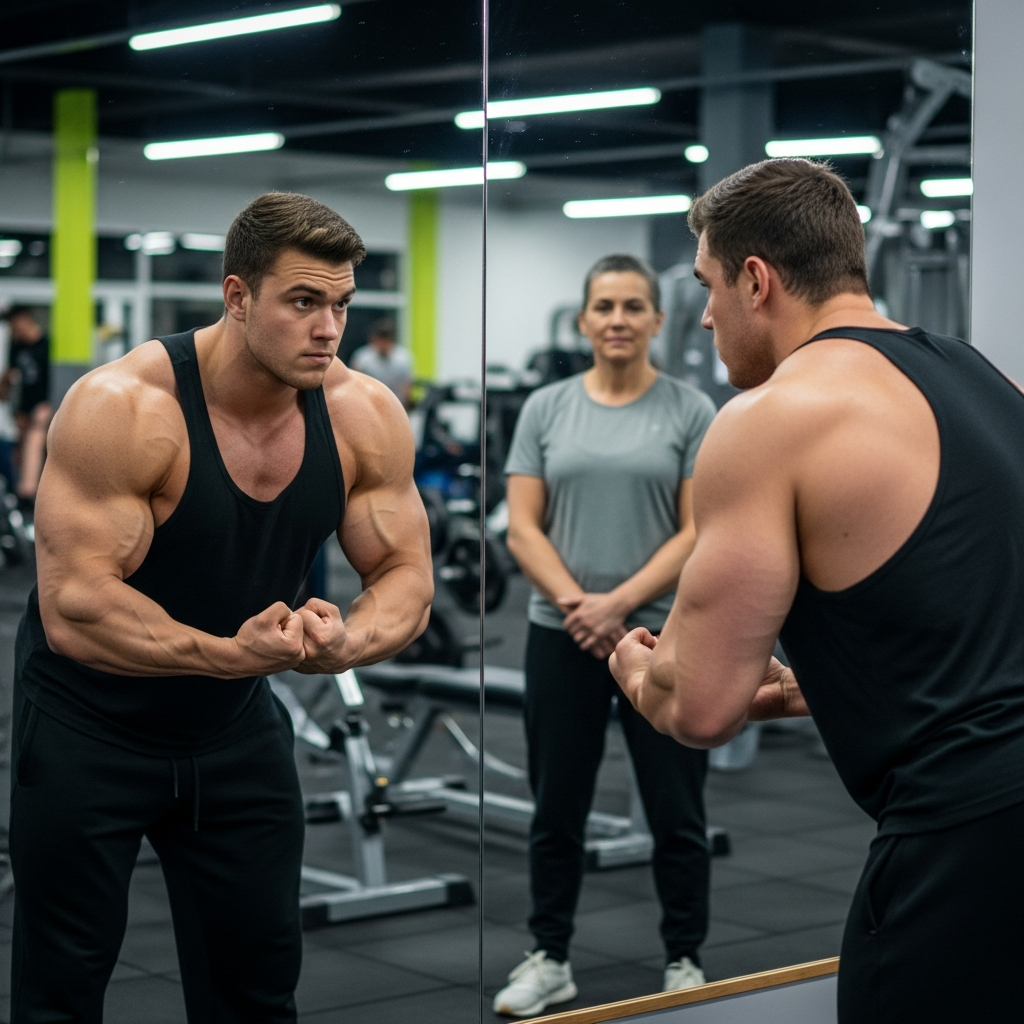
The pressure to achieve an ideal body is immense. For many boys and young men, this pressure manifests as an unhealthy obsession with muscularity. This condition is known as muscle dysmorphia, often called “bigorexia.” While disorders like anorexia receive significant attention, bigorexia often remains hidden. It is a rising concern among kids and teens. This guide provides parents with crucial insights. Learn how to recognize, understand, and address this complex body image disorder. Early awareness and intervention can make a profound difference in a child’s life.
Understanding Bigorexia: More Than Just ‘Getting Buff’
Bigorexia is a serious psychological condition. It is a specific type of body dysmorphic disorder. Individuals with bigorexia have a distorted self-image. They become obsessed with their muscle size and physical appearance. They constantly believe their bodies are not muscular enough. This is true even if they possess a bodybuilder’s physique. Kara Becker, a certified eating disorder therapist, highlights this distorted perception. Affected individuals often see themselves as smaller or less muscular than they truly are.
This inaccurate view fuels unhealthy behaviors. These behaviors can include obsessive exercise. They might also involve extreme dietary changes. The goal is often to become as lean as possible. Amy Gooding, a clinical psychologist, notes these preoccupations. The pursuit of an “ideal” body often becomes an all-consuming drive. It can override health and well-being.
Why Bigorexia Is Often Overlooked
While awareness of eating disorders has grown, muscle dysmorphia can be missed. One reason is that its behaviors are sometimes praised. Intense weight training, for instance, is often encouraged in fitness communities. “Muscle dysmorphia can be overlooked for several reasons,” Gooding explains. “One reason being that it can lead to behaviors often encouraged in the weight room.” This normalization makes it hard to spot. Many people do not even know the disorder exists. Those struggling often hesitate to seek help. Shame, secrecy, or community normalization play a big role.
The Rising Tide: Bigorexia’s Impact on Boys and Young Men
Research confirms bigorexia is on the rise. It disproportionately affects males. A 2019 study revealed alarming statistics. Twenty-two percent of adolescent boys engaged in “muscularity-oriented disordered eating behaviors.” They tried to bulk up or gain weight. The study found that supplements, dietary changes, and even steroid use were common. These practices were especially prevalent among young adult males.
Eating disorders in boys are often under-recognized. They are also under-diagnosed. This is according to Jason Nagata, a pediatrician specializing in these conditions. He co-authored the 2019 study. Nagata also pointed to a Canadian study. It found a dramatic increase in hospitalizations for eating disorders in male patients since 2002. This highlights a critical need for greater awareness. Parents must understand the signs.
The Forces Fueling This Obsession
Many factors contribute to bigorexia’s rise. These influences are complex and interconnected.
Biological, Psychological, and Sociocultural Roots
Several underlying vulnerabilities can increase risk.
Biological: A family history of mental health conditions. This includes disorders tied to body image or anxiety.
Psychological: Low self-esteem, perfectionism, or obsessive-compulsive tendencies. Trauma and bullying can also be risk factors.
Sociocultural: Societal pressures to conform to certain body ideals.
Certain groups face higher risks. Bodybuilders and frequent weightlifters are more susceptible. Competitive athletes also show a higher risk. This is particularly true for those focused on changing their appearance. Athletes who prioritize performance over aesthetics tend to have less risk.
Social Media: A Dangerous Mirror
Experts universally agree: social media is a major driver of bigorexia. Today’s youth are constantly bombarded with images. They see idealized bodies from influencers and celebrities. Joseph J. Trunzo, a psychology professor, emphasizes this. “We are constantly exposed to unrealistic, idealized and glamorized versions of the human body,” he states. This exposure happens at an unprecedented rate.
Young people don’t just consume content. They feel immense pressure to produce it. They want to display their own bodies on social media. Men’s bodies are showcased more than ever. Influencer accounts often present flawless, hyper-muscular physiques. Constant comparisons to these “idealized” bodies lead to body dissatisfaction. This fuels bigorexia.
Younger boys are especially vulnerable. They may not grasp the reality behind these images. Influencers often make a living from their curated appearance. They invest in professional trainers and chefs. They undergo extreme regimens, like supervised dehydration. Hugh Jackman’s transformations for screen roles are an example. Most 15-year-old kids don’t consider these facts. They just see the “ripped” image. This can create profound dissatisfaction with their own bodies. Filters, angles, poses, and editing further distort reality. “None of it is real,” Trunzo warns. For an impressionable young person, this dynamic is “a very dangerous recipe for psychological disaster.”
Evolving Male Ideals and “Gym Bro” Culture
Beyond social media, societal expectations play a role. There’s a subtle yet significant shift in male fitness culture. Historically, male physique goals centered on upper body bulk. Think broad shoulders and large arms. Now, a “shelf-like butt” and overall functional strength are also desired. The “gym bro” culture, often found online, promotes an “alpha male” image. This image often ties worth to muscle size. It can push unhealthy extremes.
An 11-year-old boy, after exposure to “gym bro” content, became preoccupied with muscles. He focused on protein intake and carb avoidance. He believed his worth was tied to his size. The message was clear: “bigger is better.” This pressure to be “muscular and bigger” to demonstrate masculinity is strong. It creates an “unrealistic expectation” for many teen boys. Some teens feel they need to be strong for acceptance. A SheKnows survey showed friends (50%) and social media (36%) as primary influences on teen boys’ body image.
Spotting the Signs: What Parents Should Watch For
Early intervention is crucial. Parents must recognize potential warning signs. These behaviors can indicate muscle dysmorphia:
Obsessive Preoccupation: A child becomes consumed with their weight, food, exercise, or appearance. This obsession negatively impacts their quality of life. It impairs social, school, or daily functioning.
Excessive Exercise: They spend all waking hours exercising. They feel immense guilt if they miss a gym session. This training becomes compulsive and excessive.
Rigid Eating Habits: They may refuse to eat with family or friends. This is due to strict concerns about nutrition and diet. They might restrict calories or entire food categories. Excessive protein consumption is common.
Distress Over Missed Routines: Significant anxiety or distress arises if they miss a workout or a planned meal.
Body Checks: They frequently check their body in mirrors or compare themselves to others.
Supplement/Steroid Use: Use of creatine, protein supplements, or even anabolic steroids to gain mass.
Social Isolation: Their pursuit of an ideal physique interferes with friendships and social activities.
“If a parent recognizes behavior that may cause concern for the child, parents should engage in conversation with their child about the thought process surrounding their exercise behavior,” Gooding advises.
Empowering Your Child: A Parent’s Guide to Action
Parents are a powerful counterforce to these negative influences. Here’s how to help your child navigate body image pressures:
1. Foster Open Communication and Media Literacy
Limit Social Media: While impossible to eliminate, set reasonable limits.
Talk About Reality: Discuss what they see online. Help them understand filters, editing, and professional curating. Explain the intense, often unhealthy, efforts behind celebrity physiques. Use examples like Hugh Jackman’s Wolverine transformation to provide context. Remind them this isn’t normal or realistic.
Listen Actively: Pay attention to their interpretations of media images. Ensure they aren’t “buying” into unrealistic ideals.
2. Emphasize Inner Worth and Identity
Beyond Appearance: Highlight values that extend beyond physical looks. Focus on kindness, creativity, humor, intelligence, and empathy.
Positive Self-Esteem: Build their self-worth based on their character and achievements, not just their physical appearance.
3. Be a Positive Role Model
Healthy Body Attitude: Model a healthy, respectful attitude toward your own body. Avoid negative self-talk about your physique.
Balanced Habits: Demonstrate a balanced approach to exercise and food. Avoid extremes in your own routines. Show that bodies are great for their functions. They help us live our lives.
4. Promote Body Diversity and Respect
Challenge Ideals: Actively challenge unhealthy messages about “perfect bodies” and social acceptance.
Praise Diversity: Discuss and praise body diversity. Remind children that life is more interesting because we come in all shapes, sizes, and colors.
Body Respect: Teach children to care for their bodies. Focus on adequate sleep, hydration, and varied nutrition.
5. Cultivate Healthy Fitness Habits
Focus on Function: Encourage exercise for health, strength, and enjoyment, not just aesthetics. Frame discussions about exercise around proper fueling, refueling, rest, and balance.
Educate on Nutrition: Teach about varied nutrition. Emphasize the importance of rest days for muscle recovery.
Monitor Influences: Be aware of messages your child receives from coaches or athletic trainers. Ensure they promote healthy, balanced approaches.
6. Address Bullying Directly
Take Action: If your child is being teased or bullied about their appearance, intervene immediately. Early action is vital to protect their self-esteem.
Parents must stay curious. Have open dialogues about fitness and diets within friend groups. Normalize puberty discussions. Let boys “be a kid.” Encourage healthy choices. Avoid extremes.
Seeking Professional Help: When and Where
If you suspect your child is struggling, do not hesitate to seek help. They are not alone. “Boys with muscle dysmorphia or eating disorders should seek professional help,” Nagata advises.
Who to Contact:
Primary Care Pediatrician: Start here. Your pediatrician can offer initial guidance and referrals.
Interdisciplinary Team: The best support comes from a team of specialists. This typically includes:
Mental Health Provider: A therapist or psychologist specializing in eating disorders or body dysmorphic disorder.
Medical Provider: To address any physical health consequences.
* Nutrition Provider: A registered dietitian who can guide healthy eating patterns.
Professionals can help your child identify triggers. They will understand their thought processes. They will also learn healthy coping mechanisms. “The earlier this is dealt with, the better,” Trunzo cautions. “Left unchecked, the consequences can be life-altering.”
Frequently Asked Questions
What exactly is bigorexia and how does it differ from a healthy interest in fitness?
Bigorexia, or muscle dysmorphia, is a psychological disorder where an individual has a distorted self-image, believing they are not muscular enough, even if they possess a well-developed physique. This leads to an obsessive preoccupation with muscle size and appearance. A healthy interest in fitness, by contrast, focuses on overall well-being, strength, performance, and enjoyment. It involves balanced exercise, proper nutrition, and adequate rest, without extreme dietary restrictions, compulsive workouts, or a debilitating fear of not being “big” enough. The key difference lies in the obsessive, debilitating, and often harmful behaviors and distorted self-perception central to bigorexia.
Where can parents find professional help for a child struggling with muscle dysmorphia?
Parents should begin by consulting their child’s primary care pediatrician. The pediatrician can provide an initial assessment and crucial referrals. For comprehensive care, an interdisciplinary team is recommended, including a mental health provider (such as a therapist or psychologist specializing in body dysmorphic disorder or eating disorders), a medical doctor to monitor physical health, and a registered dietitian to guide healthy eating patterns. Organizations specializing in eating disorders or body image issues often have directories of qualified professionals. Early intervention is vital for effective treatment and long-term recovery.
When should parents be concerned about their child’s exercise and eating habits?
Parents should be concerned when their child’s exercise or eating habits become obsessive, rigid, or negatively impact their daily life. Warning signs include a preoccupation with weight, food, or exercise that interferes with school, social activities, or family life. Other red flags are feelings of guilt over missing workouts, rigid dietary rules (e.g., avoiding entire food groups, refusing family meals), excessive use of supplements or steroids, distress over perceived lack of muscularity, or exercising despite injury or fatigue. If these behaviors worsen their quality of life or impair functioning, it’s time to seek professional guidance.
Bigorexia is a significant and growing challenge for today’s youth. It hides in plain sight, often masquerading as healthy ambition. By understanding this complex disorder, recognizing its signs, and proactively engaging with our children, we can empower them. We can guide them toward healthier body images and mental well-being. Your informed support is the most powerful tool. It helps children navigate a world filled with unrealistic ideals.
References
- <a href="https://www.huffpost.com/entry/bigorexia-parents-boys-googl693ae4fae4b053d6e8efce25″>www.huffpost.com
- nz.news.yahoo.com
- www.aol.com
- www.aol.com
- www.sheknows.com