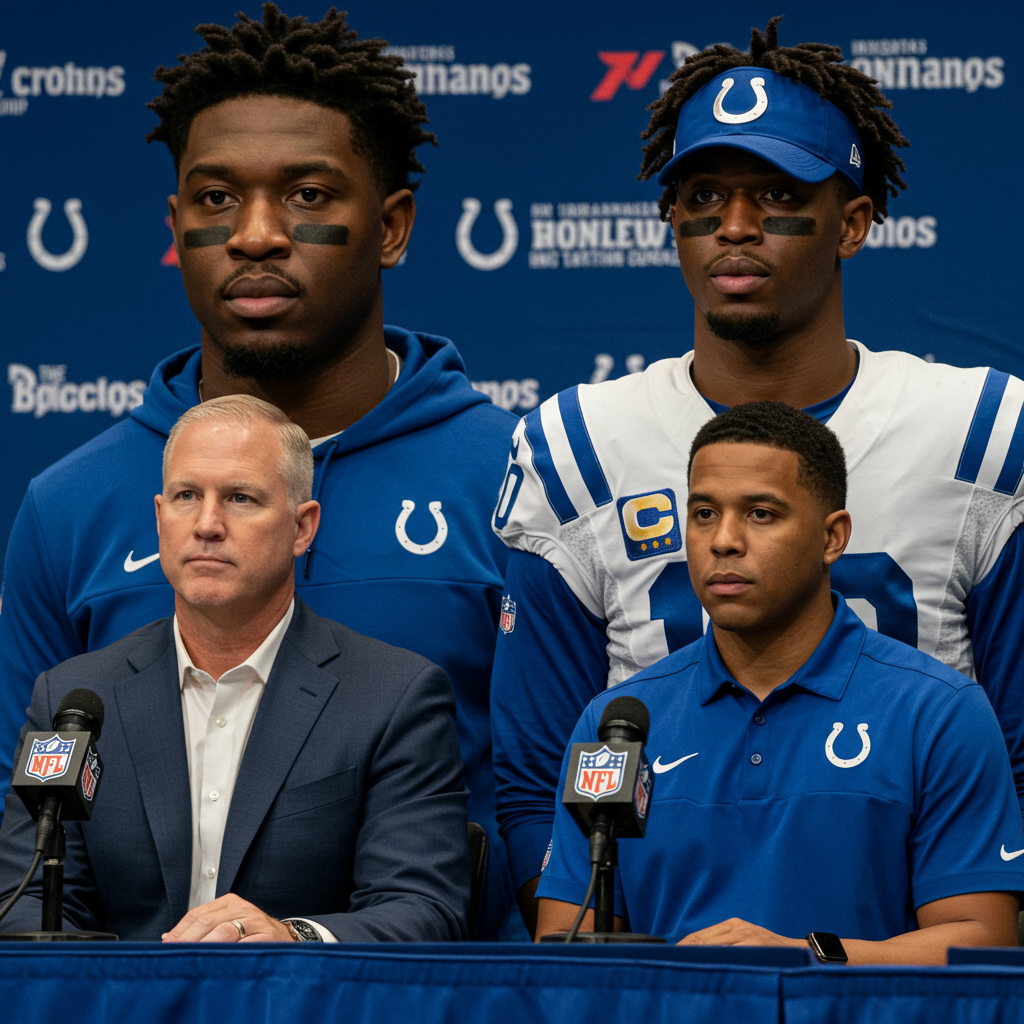
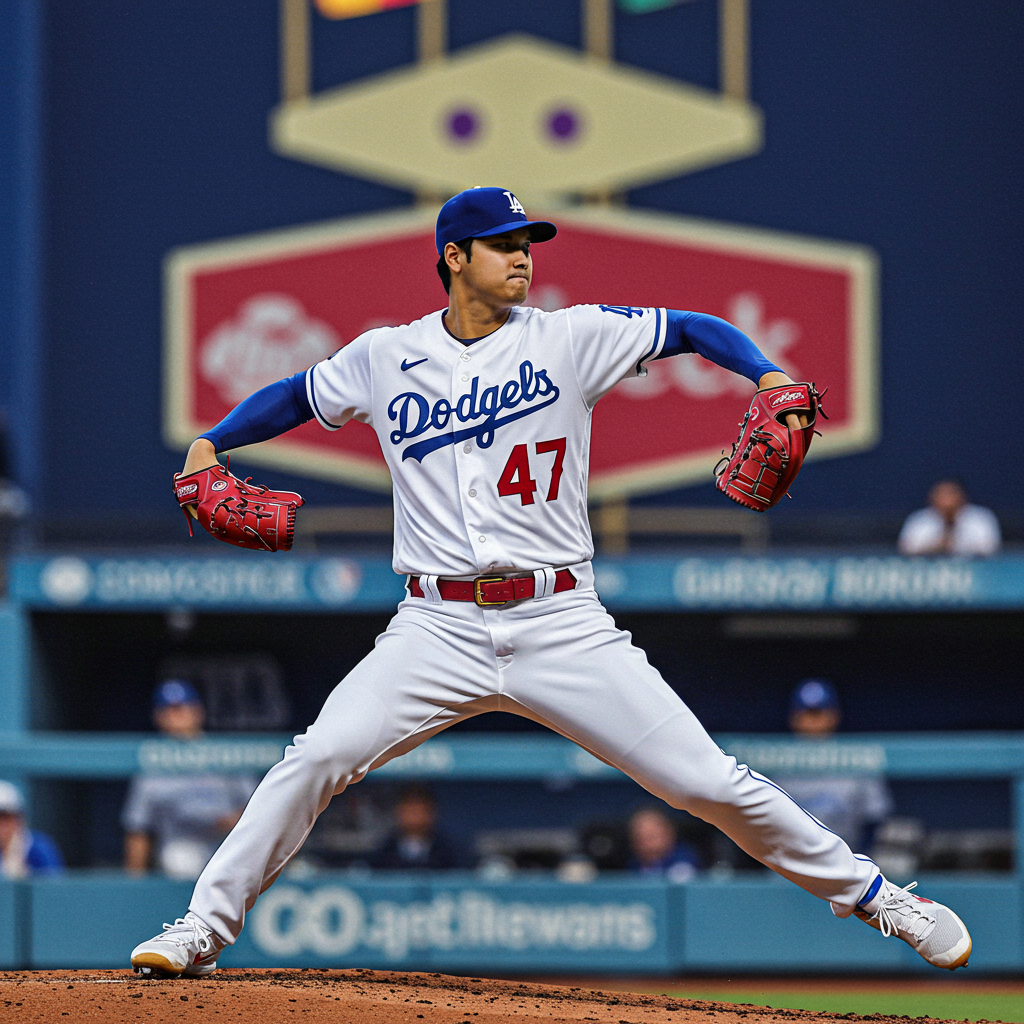
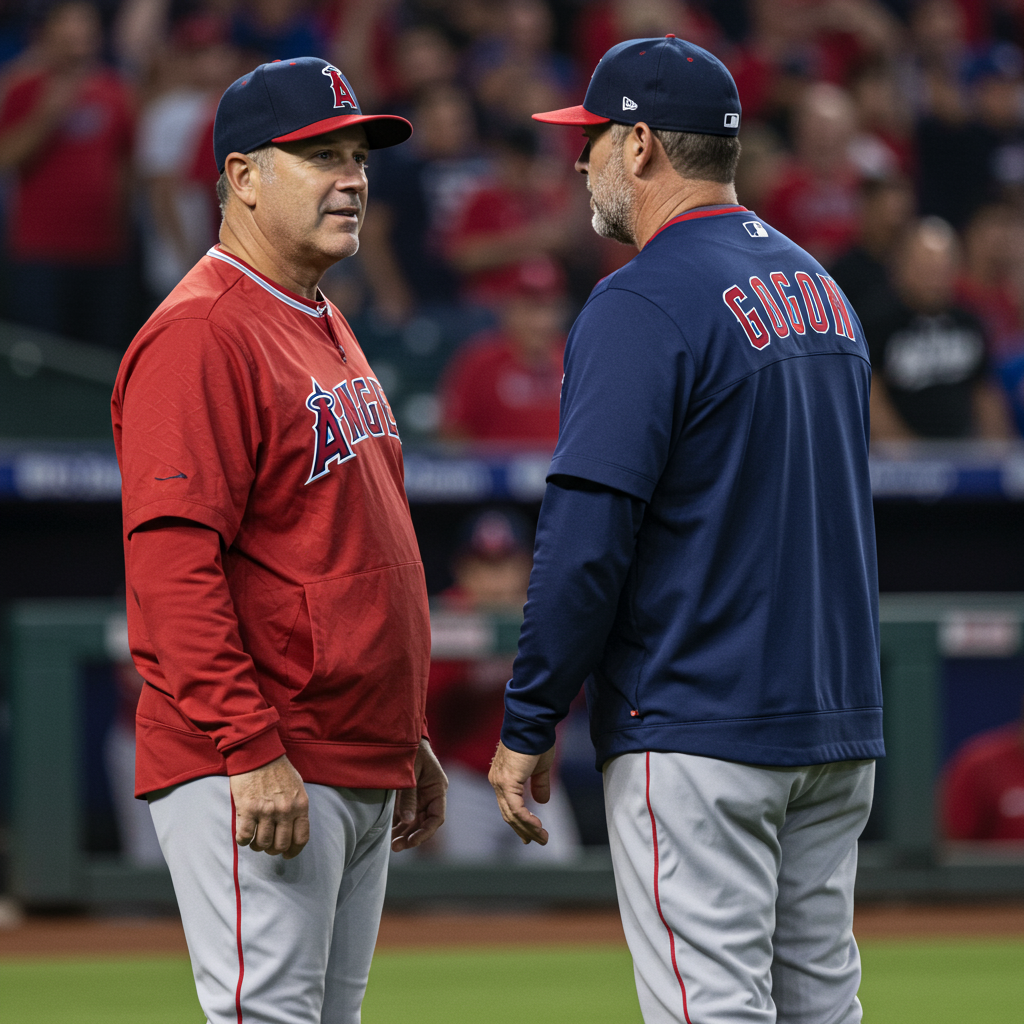
The Indianapolis Colts are making headlines with a stunning, high-stakes gamble: the return of future Hall of Fame quarterback Philip Rivers. At 44 years old, and five years after his last NFL snap, Rivers is rejoining the Colts’ practice squad. This extraordinary Philip Rivers comeback comes as the team faces a devastating quarterback injury crisis, jeopardizing their playoff aspirations. It’s a desperate, yet bold, move that has the football world buzzing.
The Unprecedented Return of Philip Rivers to the Colts
After officially retiring in January 2021, Philip Rivers, an eight-time Pro Bowler, has answered the Colts’ urgent call. The team, currently 8-5 and clinging to AFC playoff hopes, found themselves without a healthy active roster quarterback. Starter Daniel Jones suffered a season-ending Achilles tear, rookie Riley Leonard is battling a knee injury, and Anthony Richardson remains on injured reserve with an orbital fracture. This dire situation prompted General Manager Chris Ballard and coach Shane Steichen to reach out to Rivers last Sunday night, December 8, 2025.
Rivers, known for his on-field intensity and quick processing, immediately expressed keen interest. “Heck yeah, I’m interested,” he reportedly told Steichen and Ballard. Following impressive workouts at the Colts’ facility, his commitment was sealed with a characteristic, “Dag-gummit, let’s freaking go!” His return to the Colts marks one of the most unexpected developments in recent NFL history, igniting both excitement and skepticism.
Why Now? Understanding the Colts’ Dire Quarterback Crisis
The Colts’ decision to bring back Philip Rivers stems from a “litany of quarterback injuries” that left them with only journeyman Brett Rypien on the practice squad as a viable option. Daniel Jones’s torn Achilles tendon, combined with Riley Leonard’s Grade 1 PCL injury and Anthony Richardson’s ongoing recovery, forced the team into an unconventional solution. For an 8-5 team in the thick of the playoff hunt, sitting one game behind division leader Jacksonville, doing nothing was considered an even greater risk.
Colts coach Shane Steichen, who previously coached Rivers during his Chargers tenure, believes in Rivers’ ability. Their long-standing relationship and Rivers’ familiarity with Steichen’s offensive scheme – which Rivers has literally been running while coaching his son’s high school team – made this unprecedented return plausible. This existing synergy is a critical factor, potentially accelerating Rivers’ re-integration into the team and minimizing the learning curve for a 44-year-old player with a five-year layoff.
The Physical and Mental Game: Can a 44-Year-Old Quarterback Still Dominate?
The biggest question mark surrounding Philip Rivers’ comeback is his ability to perform at an elite NFL level after five years away. Former Colts quarterback Matt Hasselbeck, who played his final season at 40, offered a nuanced perspective. He noted that while playing at that age can be “brutal” due to accumulating injuries, Rivers’ pocket-passer style, which never relied on mobility, could be an advantage. Rivers has also kept his arm active by coaching, confirming he hasn’t “shut down football” and regularly watches NFL film.
Rivers’ playing style has always emphasized cerebral processing and precise passing over athleticism. He is a “coach on the field” and a “sniper as a passer,” attributes that tend to diminish less rapidly with age than physical speed or agility. This intellectual approach might allow him to succeed where others might falter. However, Hasselbeck also pointed out the significant difference between “regular world” fitness and “NFL shape,” which demands intense physical conditioning. Balancing family life with the rigorous demands of professional football adds another layer of complexity for a player with ten children.
A Look Back: Philip Rivers’ Distinguished Career and Hall of Fame Implications
Philip Rivers retired as one of the NFL’s career leaders, boasting 63,440 passing yards and 421 touchdown passes. He recorded 12 seasons with over 4,000 passing yards and was a semifinalist for the Pro Football Hall of Fame Class of 2026, his first year of eligibility. This illustrious career culminated in his final NFL season in 2020 with the Colts, where he led them to an 11-5 record and a playoff berth – the team’s last postseason appearance. His return, however, has a direct bearing on his Hall of Fame candidacy.
Should Rivers be activated to the Colts’ 53-man roster, his Hall of Fame eligibility would be delayed by five years from his new, final retirement date. If he remains on the practice squad without active roster elevation, his current eligibility status remains unchanged. This presents a unique personal dilemma alongside the team’s urgent needs, showcasing the high stakes involved in this unexpected Philip Rivers comeback.
The Exclusive Club: Other NFL Legends Who Returned From Retirement
While Rivers’ five-year hiatus is lengthy, returning from retirement is not entirely unheard of for NFL stars. This Philip Rivers comeback places him in an exclusive group of players who have graced the field in their 40s, including legends like George Blanda, Tom Brady, Brett Favre, and Drew Brees. Other notable players who made a return include:
Tom Brady: Reversed his 2022 retirement after 40 days, playing another season at 45.
Rob Gronkowski: Returned in 2020 to join Brady and win a Super Bowl with the Buccaneers.
Jason Witten: Came back to the Cowboys in 2019 after a year in the broadcast booth.
Marshawn Lynch: Returned to the Raiders in 2017 and later for the Seahawks’ 2019 playoff run.
Randy Moss: Un-retired in 2012 to play a season with the 49ers.
Brett Favre: Famous for multiple retirements and un-retirements, playing until age 41.
Deion Sanders: Returned to the Ravens in 2004 after three seasons away, playing until 38.
Reggie White: Came back in 2000 for the Panthers after one year of retirement.
These examples illustrate that while rare, highly accomplished players often feel the “seductive siren” of football, as Hasselbeck put it. The allure of one more chance, particularly when a team is desperate, can be a powerful motivator.
High Stakes and Unconventional Gambles for the Indianapolis Colts
The Colts’ decision to sign Philip Rivers is undoubtedly an “unconventional” gamble. With a brutal remaining schedule against teams like the Seahawks (10-3), 49ers (9-4), Jaguars (9-4), and Texans (8-5), the pressure is immense. The team needs immediate impact to salvage their playoff hopes. Rivers’ deep familiarity with the Colts’ organization and key teammates like Jonathan Taylor, Michael Pittman Jr., and Quenton Nelson, further eases his transition. His past leadership in the locker room, earning him nicknames like “Mr. Rivers” and “Uncle Phil,” suggests he will quickly command respect.
This Colts quarterback crisis solution is a bold “late-season prayer,” as one analyst noted. It carries significant risk, potentially going “horrendously wrong” and even jeopardizing GM Chris Ballard’s job. However, the alternative – doing nothing – was perceived as an even greater failure. Rivers himself, who had previously considered other comebacks but stated he wouldn’t “chase” one, described himself as “pinching himself.” He embraced the opportunity, stating, “The door opens and you can either walk through it or run from it.” For Philip Rivers and the Indianapolis Colts, the door is open, and they are stepping through it together.
—
Frequently Asked Questions
Why is Philip Rivers making a comeback to the NFL with the Colts now?
Philip Rivers is returning to the Indianapolis Colts due to a severe and sudden quarterback injury crisis within the team. The Colts’ starting QB, Daniel Jones, suffered a season-ending Achilles tear, rookie backup Riley Leonard sustained a knee injury, and Anthony Richardson is on injured reserve. This left the 8-5 Colts, who are contending for a playoff spot, with no healthy active roster quarterbacks. Rivers, at 44 and five years retired, was approached by GM Chris Ballard and coach Shane Steichen, with whom he has a strong existing relationship and familiarity with the offensive system.
How does Philip Rivers’ comeback impact his Hall of Fame eligibility?
Philip Rivers is currently a semifinalist for the Pro Football Hall of Fame Class of 2026, his first year of eligibility. If Rivers is elevated from the practice squad to the active roster at any point during his comeback, his Hall of Fame consideration would be delayed. The eligibility clock resets, and he would have to wait five years from his new, final retirement date. However, if he remains solely on the practice squad without being moved to the active roster, his current Hall of Fame eligibility status will not be affected.
What are the challenges and potential benefits of Philip Rivers playing at 44?
The main challenges for Rivers include getting back into “NFL shape” after five years away and adapting to game speed. While his arm has remained active coaching high school, the physical toll of an NFL game is immense, especially for a 44-year-old. Potential benefits for the Colts include Rivers’ vast experience, high football IQ, and immediate familiarity with Coach Shane Steichen’s offensive scheme. His pocket-passer style, which relies on reading defenses rather than mobility, could mitigate some age-related physical declines, offering the Colts a veteran presence and a “coach on the field” during their critical playoff push.
—