A controversial alleged letter, linked to Jeffrey Epstein’s 50th birthday, has ignited fresh debate, prompting former President Donald Trump to dismiss the issue as “dead.” This development comes after House Democrats on the Oversight Committee recently released an image of the disputed document. The White House vehemently denies its authenticity, fueling a complex legal and political firestorm. For readers navigating the ongoing scrutiny of figures connected to the disgraced financier, understanding the layers of this story is essential. This includes congressional disputes, Trump’s steadfast denials, and a broader push for transparency regarding the extensive Epstein files.
The Core Controversy: Trump’s ‘Dead Issue’ Stance
Donald Trump recently declined to discuss an alleged letter, purportedly sent for Jeffrey Epstein’s 50th birthday in 2003. When approached by NBC News, Trump simply stated, “I don’t comment on something that’s a dead issue.” He added that all his comments on the matter had already been provided to his staff. This concise dismissal quickly became a focal point.
This refusal to elaborate reinforces Trump’s long-standing position. He previously labeled the letter as “fake” after its existence was initially reported by The Wall Street Journal. Following that report, Trump filed a substantial $10 billion defamation lawsuit against Dow Jones, the Journal’s parent company, and its reporters. Dow Jones, however, has publicly expressed full confidence in the accuracy of its journalistic reporting.
Unpacking the Alleged ‘Birthday Book’ Letter
The purported letter is part of a larger “birthday book” allegedly compiled by Ghislaine Maxwell for Epstein’s 50th birthday in 2003. Images of this specific page, released by House Democrats, show a drawing of a nude woman. Trump’s first name, “Donald,” is allegedly signed in the pubic area of the drawing. The accompanying text reportedly includes suggestive phrases such as, “We have certain things in common, Jeffrey,” and concludes with, “A pal is a wonderful thing. Happy birthday — and may every day be another wonderful secret.”
The White House has consistently rejected the letter’s authenticity. Press Secretary Karoline Leavitt stated on X that “President Trump did not draw this picture, and he did not sign it.” Leavitt further asserted that Trump’s legal team would continue to pursue litigation aggressively. Despite visual similarities to earlier examples of Trump’s signature, White House officials claim discrepancies exist when compared to his current signature. They have even offered to support a professional handwriting expert’s review to prove its inauthenticity.
Congressional Scrutiny and Divided Responses
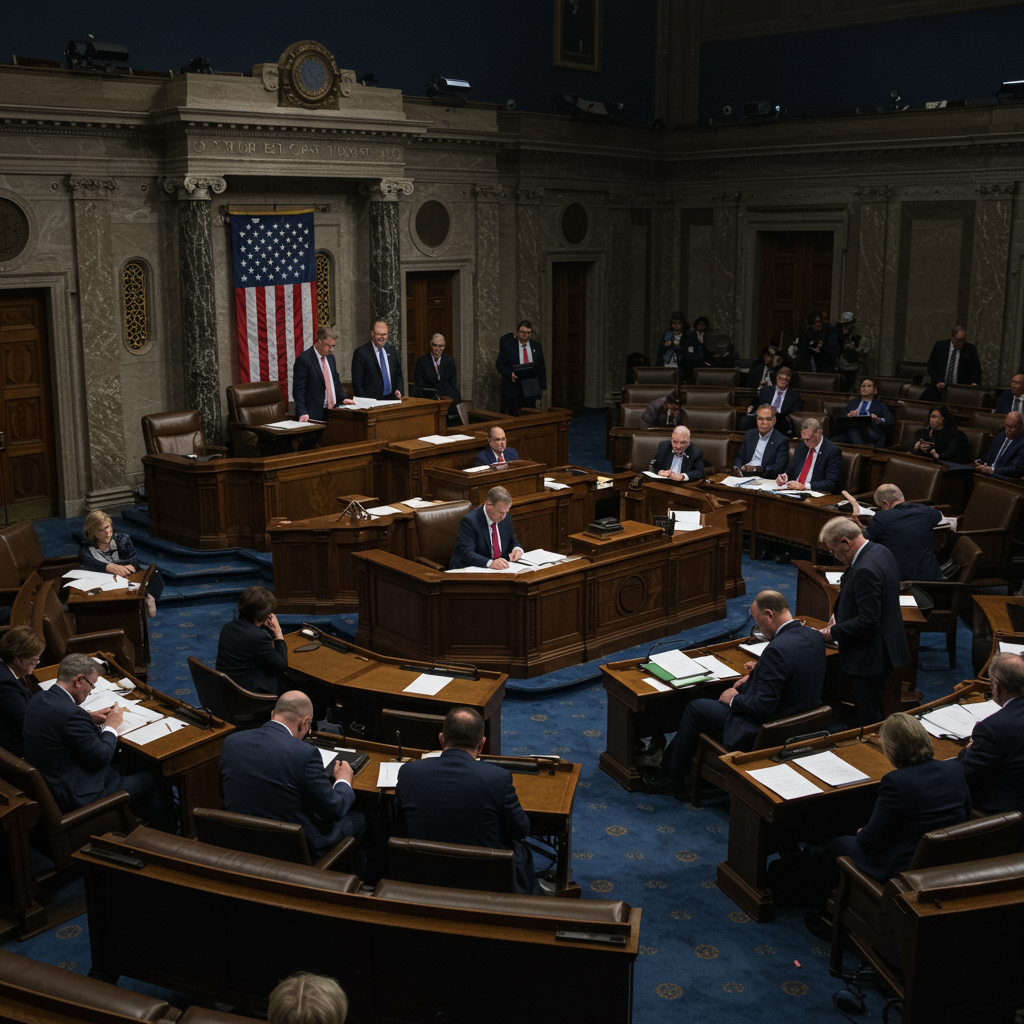
The release of the alleged letter stems from the House Oversight Committee’s ongoing investigation into Jeffrey Epstein’s estate. This bipartisan committee had subpoenaed documents and communications, leading to the public disclosure of various materials. The revelation of Trump’s alleged contribution, however, has created distinct divisions within the committee itself.
House Oversight Committee Chairman James Comer, a Kentucky Republican, voiced criticism against the Democrats on the panel. He suggested that Democrats were selectively promoting specific items to advance a particular narrative. Comer emphasized that the true purpose of the investigation is to provide justice and accountability for Epstein’s numerous victims, not to engage in political grandstanding. He also indicated that the committee expects to receive many more documents and plans to conduct numerous depositions, highlighting the rapid progression of their probe.
Broader Implications: The Push for Epstein File Transparency
In stark contrast to Comer’s remarks, Democratic Rep. Robert Garcia, the ranking member on the panel, posted an image of the alleged Trump letter on X. He stated that the Oversight Committee had successfully obtained the “infamous ‘Birthday Book'” containing the note Trump denied existed. Garcia publicly called for Trump to disclose the truth about his involvement with Epstein and to release all related files, citing a strong public demand for answers.
Beyond the immediate controversy surrounding Trump, there is a broader, bipartisan movement demanding greater transparency regarding Epstein’s network. A significant effort is underway in Congress to compel the Justice Department to release more Epstein files. This initiative is notably co-led by Rep. Thomas Massie (R-Ky.) and Rep. Ro Khanna (D-Calif.). Several prominent Republican allies of President Trump, including Reps. Nancy Mace, Marjorie Taylor Greene, and Lauren Boebert, have surprisingly joined this push for more disclosures. The family of victim Virginia Giuffre has lauded these document releases, viewing them as a crucial “step towards real accountability” and a “turning point” in exposing systemic failures that allowed Epstein’s actions.
The Epstein Network: A Lingering Shadow
Jeffrey Epstein’s criminal history casts a long shadow over all individuals associated with him. He was arrested in July 2019, facing federal charges of conspiracy and child sex trafficking. A month later, while awaiting trial, Epstein died in custody; his death was officially ruled a suicide by hanging. The alleged birthday book further underscores the extensive, and often dark, network Epstein cultivated.
The book reportedly contains messages from other notable figures, including former President Bill Clinton and prominent attorney Alan Dershowitz, though neither has been charged in connection with Epstein’s activities. Trump himself has offered an explanation for his past relationship with Epstein. He claims their friendship, which was reportedly close in the 1990s and early 2000s, deteriorated when Epstein allegedly “stole” young female workers employed at Trump’s Mar-a-Lago spa, with Trump claiming he didn’t understand the reasons for this “poaching.” The House Oversight Committee’s probe continues to delve into these connections, aiming to uncover more answers and secure justice for victims.
Frequently Asked Questions
What is the alleged Jeffrey Epstein ‘birthday book’ letter?
The alleged “birthday book” letter is a document purportedly contributed by Donald Trump to Jeffrey Epstein for his 50th birthday in 2003. Images released by the House Oversight Committee show a drawing of a nude woman with the name “Donald” signed near the pubic area. The letter contains suggestive text implying a close relationship between Trump and Epstein. Trump has consistently denied writing the letter, labeling it “fake,” and has filed a $10 billion defamation lawsuit against The Wall Street Journal for its initial reporting on the matter.
Who is involved in the bipartisan push to release more Epstein files?
A bipartisan effort in Congress aims to compel the Justice Department to release additional Jeffrey Epstein files. This initiative is notably co-led by Republican Rep. Thomas Massie of Kentucky and Democratic Rep. Ro Khanna of California. Other prominent Republican lawmakers, often considered strong allies of former President Trump, have also joined this call for greater transparency. These include Reps. Nancy Mace (South Carolina), Marjorie Taylor Greene (Georgia), and Lauren Boebert (Colorado). The push reflects a desire for more comprehensive accountability for Epstein’s extensive network.
Why is there ongoing controversy surrounding Donald Trump and Jeffrey Epstein’s alleged association?
The controversy stems from the alleged letter, which implies a closer, more suggestive relationship than Trump publicly acknowledges. Trump’s outright denial, coupled with the White House’s defense and his defamation lawsuit against the Wall Street Journal, creates ongoing legal and political tension. House Democrats’ release of the document, contrasted with Republican Chairman Comer’s criticism of their approach, further highlights the political divide. The public and victims’ families continue to demand transparency regarding anyone connected to Epstein’s crimes, keeping the issue in the spotlight despite Trump’s attempts to dismiss it as a “dead issue.”
Conclusion
The alleged Jeffrey Epstein “birthday book” letter continues to be a point of significant contention, with former President Donald Trump firmly dismissing it as a “dead issue.” This narrative, however, faces direct challenges from House Democrats who released the document and from a bipartisan contingent in Congress pushing for more transparency regarding the Epstein files. As the House Oversight Committee’s investigation progresses, the call for answers and accountability for Epstein’s victims remains paramount. The ongoing legal battles and political disagreements underscore the enduring public interest in this complex and sensitive matter, ensuring that the full truth of Epstein’s network, and the alleged connections within it, continues to be sought.