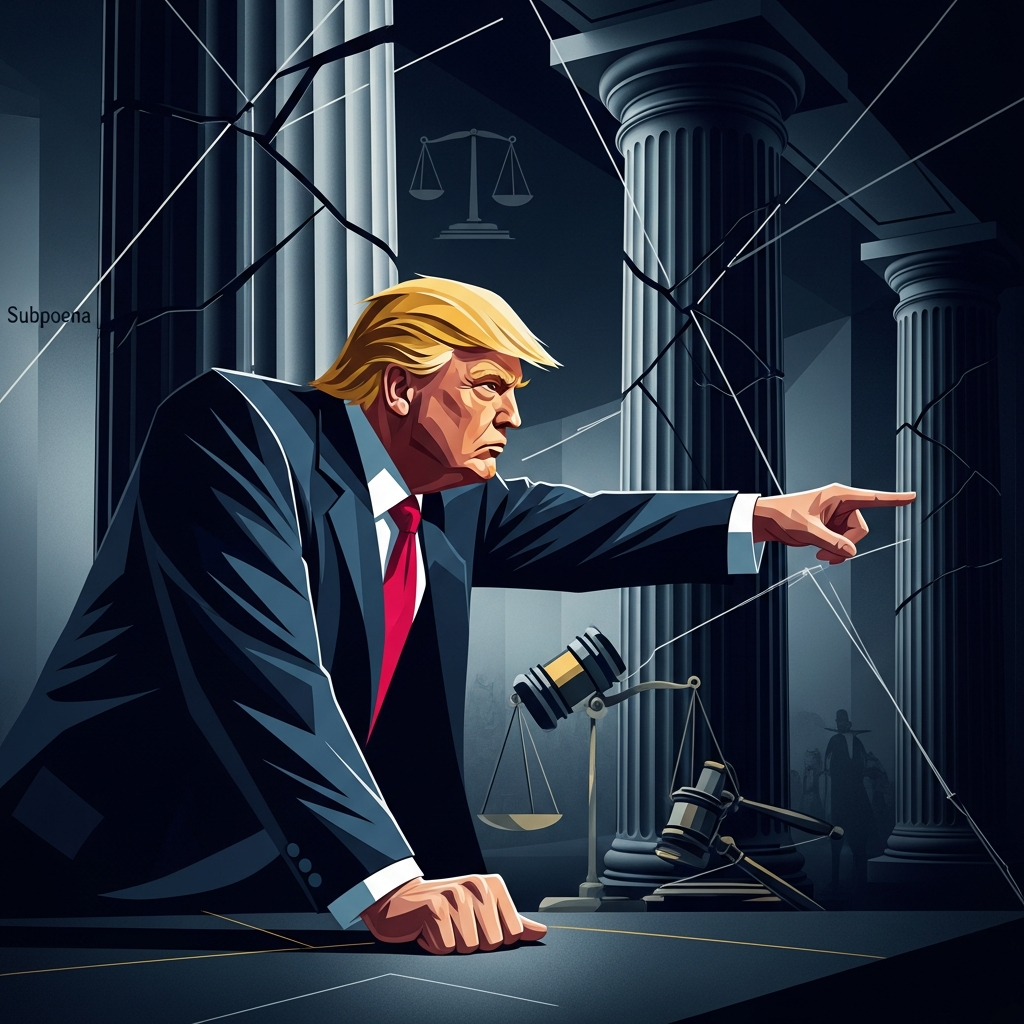
The volatile relationship between former President Donald trump and billionaire entrepreneur Elon Musk appears to have hit a new low. Speaking to reporters recently, Trump suggested he would “have to take a look” at potentially deporting Musk to his native South Africa. This comment marks a dramatic escalation in their public feud, reignited by musk’s vocal criticism of a major spending bill championed by Trump.
Their latest clash erupted as the proposed legislation, dubbed the “Big Beautiful Bill” by Trump, entered intense debate in the Senate. Musk, the CEO of Tesla and SpaceX, unleashed a series of posts on his platform X (formerly Twitter), vehemently opposing the bill’s projected impact on the national debt. He labeled the spending “insane” and warned that the bill could add a staggering $5 trillion to the debt ceiling, potentially jeopardizing the nation’s financial future.
The Source of the Conflict: Debt, Subsidies, and Mandates
Musk’s primary objection to the bill centers on its fiscal consequences. As a former top White House adviser who briefly led a special commission focused on government efficiency (referred to as DOGE), Musk has consistently advocated for reducing waste, fraud, and abuse in federal spending. He argues the bill is a “disgusting abomination,” creating what he called a “one-party country” controlled by the “PORKY PIG PARTY” due to excessive spending. He even went so far as to threaten funding primary challenges against Republican lawmakers who vote for the legislation, vowing to do so “if it is the last thing I do on this Earth.”
Trump quickly countered Musk’s attack, taking to his Truth Social platform. He claimed Musk’s opposition wasn’t about national debt but stemmed from the bill’s potential to eliminate a consumer tax credit program for electric vehicle buyers, a policy enacted under former President Joe Biden. Trump asserted that Musk was upset because the legislation would end the “electric vehicle mandate” – a term he used for an EPA rule requiring automakers to significantly cut greenhouse gas emissions in new vehicles. Trump maintained that Musk knew about his anti-mandate stance during his campaign.
Trump’s Retaliation and the “DOGE” Reference
In his social media posts and subsequent comments to the press, Trump launched a multi-pronged attack. He highlighted the vast sums Musk’s companies receive in government contracts and subsidies. According to a Washington Post analysis, Musk and his businesses have benefited from at least $38 billion in U.S. government support over the past two decades, often at critical junctures for ventures like SpaceX’s work with NASA and the Department of Defense.
Trump argued that without these subsidies, Musk would “probably have to close up shop and head back home to South Africa.” He even suggested setting the “DOGE” (Department of Government Efficiency) on Musk, calling it a “monster” that might need to “eat Elon.” This cryptic reference seemed to imply using the efficiency commission to scrutinize or potentially cut the government contracts awarded to Musk’s companies. When directly asked by reporters about deporting Musk, Trump offered the non-committal but provocative response: “We’ll have to take a look.”
The Reality of Musk’s citizenship Status
Despite the political rhetoric surrounding deportation, a crucial fact often overlooked in the heat of such feuds is Elon Musk’s legal status. Born in Pretoria, South Africa, Musk is a naturalized U.S. citizen. He obtained his U.S. citizenship in 2002. Before that, he gained Canadian citizenship through his mother and moved to Canada at 17 before transferring to a university in the U.S. He initially entered the U.S. on an exchange visitor visa and later obtained a work visa prior to becoming a citizen.
Becoming a naturalized U.S. citizen grants an individual the same rights and protections as a native-born citizen, with very limited exceptions (like being ineligible to run for President). Deporting a U.S. citizen is extremely difficult and typically only possible in specific, rare cases involving renunciation of citizenship or certain acts of treason or espionage committed after naturalization, none of which are applicable in Musk’s situation. Therefore, legal experts widely consider the prospect of deporting Musk, given his U.S. citizenship, to be highly improbable, regardless of political tensions.
A History of Volatile Dynamics
This latest public spat marks a dramatic shift from the perceived detente that had emerged just two weeks prior. The relationship between Trump and Musk has been notoriously unpredictable. Musk was an advisor during Trump’s previous administration and was chosen to lead the DOGE commission in the early months of a potential second term, frequently visiting the White House and Mar-a-Lago.
However, the alliance publicly imploded in early June when Musk first criticized the spending bill, calling it “massive” and “pork-filled.” This led to Trump previously threatening to end subsidies for Musk’s companies. The feud turned personal, with Musk making critical remarks about Trump, which he later publicly regretted, stating he had “gone too far.” Reports suggested a phone call between the two men helped cool tensions temporarily. However, Musk’s renewed opposition to the bill has clearly reignited the conflict, demonstrating the fragility of their political alignment.
The Stakes for Musk’s Business Empire
The public dispute carries significant implications for Musk’s business ventures, particularly SpaceX and Tesla. These companies have deep ties to the U.S. government through substantial contracts for space launches, satellite programs, and defense projects. While Trump’s “take a look” comment about deportation is legally complex due to Musk’s citizenship, the explicit mention of reviewing contracts and subsidies represents a direct threat to the financial health and operational stability of his companies.
The reliance on government business makes Musk’s political positions and public feuds with powerful figures highly sensitive. Reports noted that Tesla’s share price declined as this latest round of the feud unfolded, highlighting how investor confidence can be impacted by such high-profile political spats involving companies so intertwined with public funding and regulation.
The current escalation tests Musk’s political influence within the Republican party, especially given his status as a major donor, as he attempts to rally opposition against Trump’s signature bill. His response to Trump’s deportation comments, stating it was “So tempting to escalate this” but that he would “refrain for now,” suggests an awareness of the high stakes involved in this renewed war of words.
Frequently Asked Questions
Is Elon Musk actually a US citizen?
Yes, Elon Musk is a naturalized U.S. citizen. Born in South Africa, he obtained his U.S. citizenship in 2002. Prior to that, he held Canadian citizenship and entered the U.S. on temporary visas before gaining permanent residency and eventually citizenship. His U.S. citizenship means that any attempt to deport him would face significant legal obstacles and is widely considered highly unlikely.
Why is Trump feuding with Elon Musk again?
The latest phase of the feud began because Elon Musk publicly criticized a large spending bill supported by President Trump. Musk opposes the bill due to concerns about it adding trillions to the national debt. Trump claims Musk’s real reason for opposition is the bill’s proposed end to an electric vehicle tax credit program, benefiting buyers of vehicles like those made by Musk’s company, Tesla.
What are the main points of conflict between Trump and Musk?
The primary points of conflict in their recent feud involve Musk’s opposition to a major spending bill over national debt concerns versus Trump’s claim that Musk is primarily upset about the bill ending EV tax credits. The dispute also includes Trump’s focus on the significant government subsidies and contracts received by Musk’s companies and Musk’s counter-argument that he supports cutting all subsidies, including those benefiting him.
The renewed conflict underscores the unpredictable nature of the Trump-Musk dynamic. As Musk continues to voice his opposition to the spending bill and Trump signals potential actions against the billionaire, the situation remains fluid. The outcome could impact not only political alignments but also the trajectory of Musk’s powerful and government-connected business empire.